



In the expansive realm of cosmetic enhancements, few items offer such a profound yet subtle transformation as colored contact lenses. Among the myriad of choices, gray colored contacts stand out for their unique ability to impart a sophisticated, often enigmatic, allure. Whether you seek a dramatic shift or a delicate enhancement, the right pair can redefine your gaze, offering a fresh perspective on your personal aesthetic. This comprehensive guide delves into everything you need to know about these captivating eye accessories, from selecting the perfect shade to ensuring optimal eye health.
Unveiling the Allure of Shaded Eye Enhancers
The appeal of gray cosmetic lenses lies in their versatility and the natural yet striking effect they can create. Unlike vibrant blues or greens, gray tones often blend seamlessly with various natural eye colors, producing a believable and captivating outcome. They can brighten dark eyes, add depth to lighter ones, or simply introduce a new dimension to your existing hue. Understanding the different options available is the first step toward finding your ideal match.
The Spectrum of Silver and Ash Tones
Gray is far from a monolithic color when it comes to contact lenses. Manufacturers offer a rich palette, ranging from light, almost silvery grays that can mimic a frosty morning mist, to deep, charcoal-like shades that lend an intense, smoldering look. Some designs incorporate subtle hints of blue, green, or even brown, creating complex, multi-dimensional effects. For instance, a slate gray might feature a delicate limbal ring to define the iris, while a pearl gray could have a starburst pattern to add sparkle. Exploring these nuances is crucial for achieving the desired aesthetic, whether it’s a cool, icy stare or a warm, smoky gaze. These variations allow individuals to experiment with different levels of intensity and warmth, ensuring there's a gray tone for every preference.
Impact on Different Natural Eye Colors
The final appearance of gray eye contacts is significantly influenced by your natural eye color. On dark brown or black eyes, lighter gray lenses can create a striking contrast, transforming them into a lighter, more ethereal shade. Darker grays, on the other hand, might add a subtle shimmer or deepen the existing color without a drastic change. For those with blue or green eyes, gray lenses can introduce a sophisticated blend, creating unique teal or hazel tones, or simply intensifying the natural color with a cool, steely finish. The opacity of the lens also plays a vital role; opaque lenses provide a complete color change, while enhancement tints offer a more subtle overlay, allowing your natural eye color to show through and blend with the gray.
Selecting the Optimal Tone for Your Natural Eyes
Choosing the right pair of gray contact lenses involves more than just picking a shade you like. It requires a thoughtful consideration of several personal factors to ensure the most harmonious and flattering result. The goal is to find lenses that complement your features and align with the look you wish to achieve, whether it's for daily wear or special occasions.
Considering Your Skin Undertones
Just as with makeup or clothing, your skin's undertones play a crucial role in how certain colors appear on you. Individuals with cool undertones (pink, red, blue) often find that cool, silvery, or blue-gray lenses enhance their complexion beautifully. These shades can make the eyes pop and create a cohesive, elegant look. Conversely, those with warm undertones (yellow, peach, gold) might find that grays with subtle hints of brown or hazel, or warmer, ash-gray tones, complement their skin more effectively. Neutral undertones offer the most flexibility, allowing wearers to experiment with a wider range of gray shades. Understanding your undertone can guide you toward a gray that truly illuminates your face.
Achieving Subtle vs. Dramatic Effects
The desired impact is another key determinant. If you're aiming for a subtle enhancement that merely adds a touch of sophistication to your natural eyes, opt for translucent gray tints or lenses with a softer limbal ring. These will blend with your existing eye color, creating a nuanced change. For a more dramatic transformation, opaque gray lenses with a defined limbal ring will provide a complete color overhaul, making your eyes stand out distinctly. Some lenses also feature intricate patterns or multiple tones to create a more realistic or striking iris appearance. Consider the occasions you plan to wear them for; a bold gray might be perfect for a night out, while a softer shade could be ideal for everyday wear.
Prioritizing Eye Health with Corrective Lenses
While the aesthetic appeal of gray colored contacts is undeniable, paramount importance must be placed on eye health and safety. These are medical devices, and their improper use can lead to serious complications, including infections, corneal abrasions, and even vision loss. Always prioritize professional guidance and adhere strictly to hygiene protocols.
The Importance of a Valid Prescription
It is a common misconception that cosmetic contact lenses, especially those without vision correction, do not require a prescription. This is false. All contact lenses, including plano (non-corrective) colored contacts, are medical devices regulated by health authorities. A licensed eye care professional must conduct an eye exam to measure your eyes and assess their suitability for contact lens wear. They will determine the correct base curve and diameter to ensure a proper, comfortable, and safe fit. An ill-fitting lens can cause discomfort, irritation, and potential damage to the cornea. Never purchase contact lenses from unauthorized sources or without a current, valid prescription from your optometrist or ophthalmologist.
Essential Care and Hygiene Practices
Maintaining impeccable hygiene is critical for safe contact lens wear. Always wash your hands thoroughly with soap and water and dry them with a lint-free towel before handling your lenses. Use only fresh, sterile contact lens solution recommended by your eye care professional for cleaning, rinsing, and storing your lenses. Never use tap water, saliva, or homemade solutions, as these can introduce harmful microorganisms. Replace your lens case every three months and follow the prescribed wearing schedule for your lenses (daily, bi-weekly, monthly). Never sleep in lenses unless specifically approved by your eye doctor, and remove them immediately if you experience any discomfort, redness, or blurred vision, seeking professional help if symptoms persist. Adhering to these practices significantly reduces the risk of eye infections and ensures a positive experience with your gray colored contacts.
Navigating Your Purchase: Reputable Sources and Professional Guidance
Acquiring gray colored contacts safely and effectively requires diligence in choosing your supplier and understanding the role of your eye care professional. The market is flooded with options, but not all sources adhere to the strict safety and quality standards necessary for eye health.
What to Look for in a Supplier
When purchasing colored contact lenses, always opt for reputable and authorized retailers. These suppliers will require a valid prescription and will offer lenses approved by relevant health authorities. Look for online stores or optical shops that clearly display their licensing information and have positive customer reviews regarding product authenticity and customer service. Websites like Opticzade, for example, specialize in a wide range of Colored Contact Lenses, emphasizing the importance of prescriptions and offering quality-controlled products. Avoid unregulated vendors, flea markets, or beauty supply stores that sell lenses without requiring a prescription, as these products may be counterfeit, improperly manufactured, or expired, posing significant health risks. A trustworthy supplier will also provide clear instructions on lens care and usage.
The Role of Your Optometrist
Your optometrist or ophthalmologist is your primary resource for safe contact lens wear. Beyond providing a prescription, they will conduct regular check-ups to monitor your eye health, ensuring that contact lens wear continues to be safe for you. They can offer personalized advice on lens types, materials, and care routines best suited for your eyes. If you experience any issues or have questions about your gray colored contacts, your eye doctor should be your first point of contact. Their expertise is invaluable in preventing complications and ensuring long-term eye health while enjoying the aesthetic benefits of your lenses.
Styling Your New Look: Complementing Your Enhanced Eyes
Once you've found your perfect pair of gray colored contacts, the next step is to integrate them seamlessly into your personal style. These lenses can be a powerful tool for self-expression, and with a few styling tips, you can truly make your enhanced eyes the focal point of your look.
Makeup Techniques for Enhanced Gaze
Makeup can dramatically amplify the effect of your gray lenses. For a subtle, everyday look, neutral eyeshadows in taupe, soft browns, or muted purples can complement gray eyes beautifully without overpowering them. To create a more dramatic evening look, consider smoky grays, deep charcoals, or even metallic silver eyeshadows. Eyeliner, especially black or dark gray, can further define the eyes and make the gray color pop. A touch of mascara will open up your eyes, drawing attention to your new hue. Avoid overly bright or clashing colors that might detract from the sophistication of gray. Experiment with different shades and techniques to discover what best highlights your specific gray lens color and personal style.
Fashion Tips for a Cohesive Appearance
Your clothing choices can also play a role in complementing your gray colored contacts. Cool-toned clothing, such as blues, greens, purples, and even certain shades of pink, can harmonize beautifully with gray eyes, creating a cohesive and elegant aesthetic. Black and white are timeless choices that allow your eyes to be the star. For a more adventurous approach, consider incorporating accessories in complementary colors. The key is to create a balanced look where your eyes are a striking feature, not an isolated element. Ultimately, fashion is about personal expression, so feel free to experiment and find what makes you feel confident and stylish.
Addressing Common Queries About Cosmetic eye wear
Many individuals have questions when considering or using colored contact lenses. Addressing these common inquiries can help clarify doubts and ensure a more informed and confident experience with your gray colored contacts.
Are gray lenses suitable for all eye colors? Yes, gray lenses are incredibly versatile and can enhance or change virtually any natural eye color, from light blue to dark brown. The effect will vary based on your natural hue and the opacity of the lens.
Can I wear gray contacts if I don't need vision correction? Absolutely. Plano (non-corrective) gray colored contacts are widely available, but remember, a professional eye exam and prescription are still mandatory for a safe fit.
How long can I wear my gray colored contacts? The wearing schedule depends on the type of lens (daily disposable, bi-weekly, monthly) and your eye care professional's recommendations. Never exceed the prescribed wearing time to avoid complications.
Do gray contacts look natural? Many gray colored contacts are designed with intricate patterns and limbal rings to mimic the natural iris, providing a very realistic appearance. The level of naturalness also depends on the specific shade and design chosen, as well as your natural eye color.
Gray colored contacts offer a captivating way to express your individuality and enhance your natural beauty. By understanding the nuances of shades, prioritizing eye health through proper care and professional guidance, and integrating them thoughtfully into your personal style, you can confidently explore the transformative power of these exquisite eye accessories. Always remember that your vision and eye health are paramount, making informed choices and consulting with eye care professionals essential steps in your journey to a more radiant gaze.
Sıkça Sorulan Sorular
Do gray colored contacts require a prescription, even if I don't need vision correction?
How do I choose the right shade of gray colored contacts for my natural eye color?
What are the most important hygiene practices for wearing gray colored contacts?
Can gray colored contacts look natural, or do they always appear artificial?
Konuyla ilgili öne çıkan ürünler
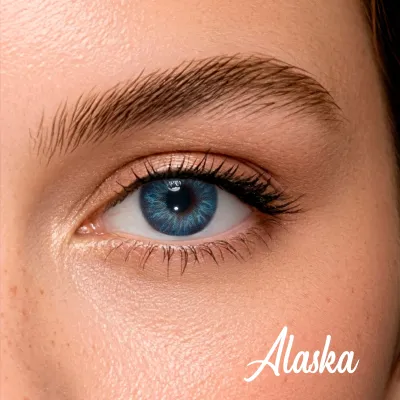
Claro Alaska - Colored Contact Lenses
*{box-sizing:border-box;} .alaska-page{ width:100%; margin:0; padding:0; font-family:Arial,Helvetica,sans-serif; color:#34495e; line-height:…
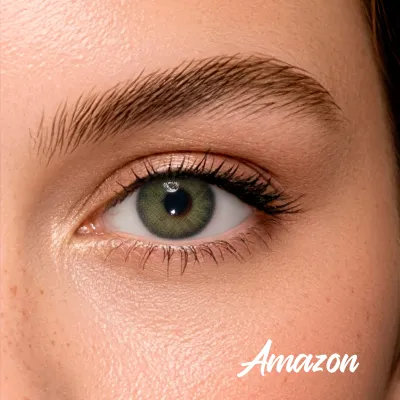
Claro Amazon - Colored Contact Lenses
*{box-sizing:border-box;} .amazon-page{ width:100%; margin:0; padding:0; font-family:Arial,Helvetica,sans-serif; color:#34495e; line-height:…
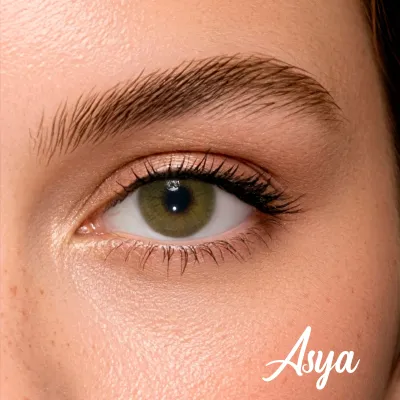
Claro Asya - Colored Contact Lenses
*{box-sizing:border-box;} .asya-page{ width:100%; margin:0; padding:0; font-family:Arial,Helvetica,sans-serif; color:#34495e; line-height:1.…
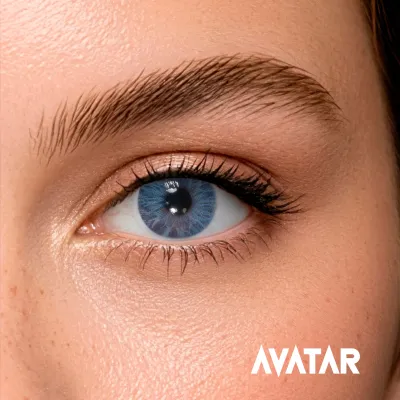
Claro Avatar - Colored Contact Lenses
*{box-sizing:border-box;} .avatar-page{ width:100%; margin:0; padding:0; font-family:Arial,Helvetica,sans-serif; color:#34495e; line-height:…
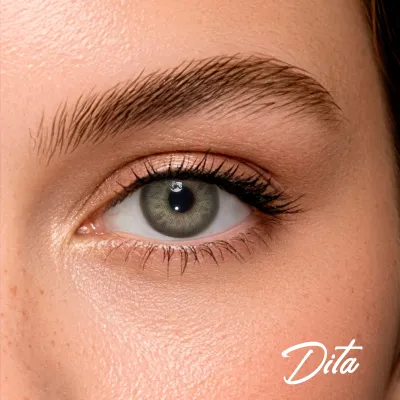
Claro Dita - Colored Contact Lenses
*{box-sizing:border-box;} .dita-page{ width:100%; margin:0; padding:0; font-family:Arial,Helvetica,sans-serif; color:#34495e; line-height:1.…
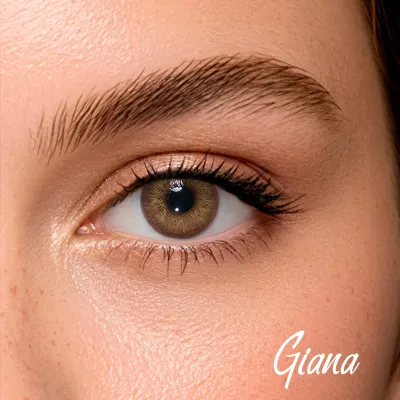
Claro Giana - Colored Contact Lenses
*{box-sizing:border-box;} .giana-page{ width:100%; margin:0; padding:0; font-family:Arial,Helvetica,sans-serif; color:#3b2a1d; line-height:1…
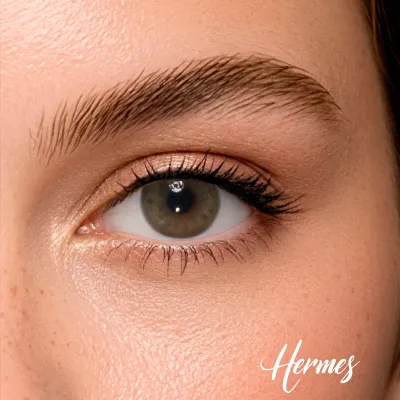
Claro Hermes - Colored Contact Lenses
*{box-sizing:border-box;} .hermes-page{ width:100%; margin:0; padding:0; font-family:Arial,Helvetica,sans-serif; color:#34495e; line-height:…
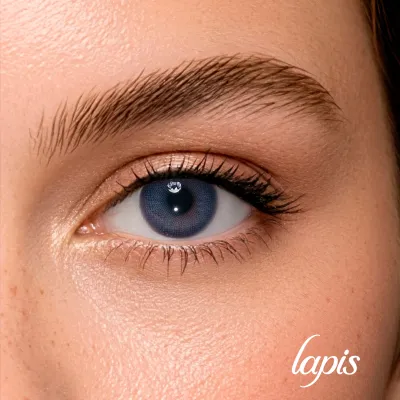
Claro Lapis - Colored Contact Lenses
*{box-sizing:border-box;} .lapis-page{ width:100%; margin:0; padding:0; font-family:Arial,Helvetica,sans-serif; color:#34495e; line-height:1…