


-36x36.png)

Welcome to Opticzade's comprehensive guide on contact lenses, where we delve into everything you need to know about these remarkable vision correction devices. For millions worldwide, contact lenses offer a liberating alternative to eyeglasses, providing clear, unobstructed vision and unparalleled comfort. Whether you're considering them for the first time or looking to upgrade your current experience, understanding the nuances of contact lenses is key to making an informed decision that suits your lifestyle and eye health needs.
Contact lenses have evolved significantly since their inception, transforming from rigid, uncomfortable devices into highly advanced, breathable, and comfortable options. They sit directly on the cornea, correcting refractive errors such as myopia (nearsightedness), hyperopia (farsightedness), astigmatism, and presbyopia. Beyond mere vision correction, contacts offer a freedom that glasses cannot, especially for active individuals or those who simply prefer a glasses-free look. At Opticzade, we believe in empowering our customers with knowledge, ensuring they can choose the best possible solution for their eyes with confidence and clarity.
Exploring the Diverse Types of Contact Lenses
The world of contact lenses is vast, offering a variety of types designed to meet different vision needs, comfort preferences, and lifestyles. Understanding these distinctions is crucial for selecting the right lens for you.
Soft Contact Lenses
- Daily Disposables: These are designed for single-day use and then discarded. They offer the ultimate in convenience and hygiene, as there's no need for cleaning or storage. Ideal for those with allergies or busy lifestyles.
- Two-Week or Monthly Disposables: These lenses are worn for a specified period (e.g., two weeks or one month) and require daily cleaning and disinfection. They are a cost-effective option for regular wearers.
- Extended Wear Lenses: Some soft lenses are approved for continuous wear, even overnight, for a certain period (e.g., up to 7 or 30 days), though this should only be done under the strict guidance of an eye care professional due to increased risk of complications.
Specialty Contact Lenses
- Toric Lenses: Specifically designed to correct astigmatism, these lenses have a unique shape that accounts for the irregular curvature of an astigmatic eye, providing stable and clear vision.
- Multifocal/Bifocal Lenses: These lenses are for individuals with presbyopia, a common age-related condition that affects near vision. They allow wearers to see clearly at multiple distances (near, intermediate, and far) without needing reading glasses.
- Rigid Gas Permeable (RGP) Lenses: Also known as hard lenses, RGPs offer excellent vision correction and durability. They are less flexible than soft lenses but allow more oxygen to reach the eye, making them a good option for certain conditions like severe astigmatism or keratoconus.
The Unparalleled Benefits of Choosing Contact Lenses
Beyond simply correcting vision, contact lenses offer a myriad of advantages that significantly enhance daily life and overall visual experience.
- Unobstructed Field of Vision: Unlike glasses, contacts provide a full field of view without frames obstructing peripheral vision. This is particularly beneficial for sports, driving, and professional activities.
- Natural Appearance: Many individuals prefer the aesthetic of contact lenses as they don't alter facial features and allow for a more natural look. They also offer the freedom to wear any style of sunglasses or protective eyewear.
- Comfort and Convenience: Modern contact lenses are designed for exceptional comfort, often feeling like nothing at all once properly fitted. They stay in place during physical activities and are unaffected by weather conditions like rain or fog.
- Enhanced Self-Confidence: For some, the ability to see clearly without glasses can significantly boost self-esteem and confidence in social and professional settings.
Essential Contact Lens Care and Hygiene
Proper care and hygiene are paramount to maintaining eye health and ensuring the longevity and comfort of your contact lenses. Neglecting care can lead to serious eye infections or discomfort.
Key Principles of Contact Lens Care:
- Always Wash Your Hands: Before handling your lenses, always wash your hands thoroughly with soap and water and dry them with a lint-free towel. This prevents transferring germs to your eyes.
- Use Fresh Solution Daily: For reusable lenses, always use fresh, sterile contact lens solution for cleaning and storage. Never reuse old solution or use tap water, which contains microorganisms that can cause severe infections.
- Clean and Disinfect: After removing your lenses, place one in the palm of your hand, add a few drops of solution, and gently rub it with your finger for about 10-20 seconds. Rinse thoroughly with more solution before placing it in a clean lens case filled with fresh solution.
- Replace Your Lens Case Regularly: Your lens case should be rinsed with fresh solution and air-dried daily, and replaced every one to three months. Old cases can harbor bacteria and biofilms.
- Adhere to Replacement Schedules: Do not wear your lenses beyond their recommended replacement schedule (daily, bi-weekly, monthly). Overwearing lenses can reduce oxygen flow to your eyes and increase the risk of complications.
- Never Sleep in Lenses (Unless Approved): Only wear extended-wear lenses overnight if specifically prescribed and approved by your eye care professional. Sleeping in non-extended wear lenses significantly increases the risk of eye infections.
- Remove Lenses Before Swimming or Showering: Water, even tap water, can contain harmful microorganisms that can adhere to your lenses and cause infections.
How to Choose the Right Contact Lenses for You
Selecting the ideal contact lenses is a personalized process that involves a comprehensive eye examination and consultation with an eye care professional. They will assess your vision needs, eye health, lifestyle, and preferences.
The Consultation Process
During your eye exam, your optometrist or ophthalmologist will:
- Determine Your Prescription: This includes measuring the curvature of your cornea and assessing your refractive error.
- Evaluate Eye Health: They will check for any underlying eye conditions that might affect contact lens wear, such as dry eyes or allergies.
- Discuss Your Lifestyle: Your daily activities, work environment, and how often you plan to wear lenses will influence the recommendations. For example, active individuals might prefer daily disposables, while those with specific visual demands might benefit from multifocal or toric lenses.
- Trial Lenses: You'll often be given trial lenses to wear for a few days to ensure comfort, fit, and visual acuity before committing to a specific brand or type.
Embracing Style with Colored Contact Lenses
Beyond vision correction, contact lenses also offer a fantastic avenue for personal expression through Colored Contact Lenses. Whether you want to subtly enhance your natural eye color or dramatically transform your look, colored contacts provide a safe and exciting option.
Types of Colored Contact Lenses:
- Enhancement Tints: These lenses have a translucent tint that intensifies your natural eye color, making light eyes appear brighter or adding depth to darker eyes. They work best for those who already have light-colored eyes.
- Opaque Tints: Designed to completely change your eye color, opaque lenses feature a solid, non-transparent tint. They are effective for both light and dark eyes, allowing for a complete transformation from brown to blue, green, or even exotic shades.
- Costume/Novelty Lenses: These are specialty lenses designed for theatrical purposes, Halloween, or cosplay, featuring unique patterns like cat eyes, vampire eyes, or other creative designs.
Important Considerations for Colored Lenses:
It's crucial to remember that colored contact lenses, even those without vision correction (plano lenses), are medical devices and require a prescription. Purchasing them from unauthorized sources can lead to ill-fitting lenses, discomfort, and serious eye health risks. Always consult with your eye care professional to ensure a proper fit and safe usage. At Opticzade, we emphasize the importance of safety and quality for all types of contact lenses, including our diverse range of colored options.
Common Myths and Facts About Contact Lenses
Despite their widespread use, several misconceptions about contact lenses persist. Let's debunk some common myths:
- Myth: Contact lenses can get lost behind your eye. Fact: This is anatomically impossible. A membrane called the conjunctiva connects your eyelid to your eyeball, preventing anything from getting behind your eye.
- Myth: Contact lenses are uncomfortable. Fact: Modern contact lenses are made from advanced, breathable materials designed for exceptional comfort. With a proper fit and care, most wearers barely feel them.
- Myth: Contact lenses are difficult to insert and remove. Fact: While it takes a little practice initially, most people quickly master the technique. Your eye care professional will provide thorough instructions and tips.
- Myth: Contact lenses are too expensive. Fact: While the initial cost might seem higher than glasses, many affordable options are available, especially with daily disposables or longer-wear lenses. The convenience and benefits often outweigh the cost.
- Myth: You can't wear contact lenses if you have astigmatism or presbyopia. Fact: This is outdated. Toric lenses effectively correct astigmatism, and multifocal lenses address presbyopia, offering clear vision at all distances.
Choosing contact lenses is a journey towards enhanced vision and lifestyle freedom. With the right guidance from an eye care professional and a commitment to proper care, you can enjoy the many benefits they offer. From the convenience of daily disposables to the transformative power of Colored Contact Lenses, there's a perfect solution for almost everyone. At Opticzade, we are committed to providing you with reliable information and access to a wide range of high-quality contact lenses to help you see the world clearly and comfortably.
Sıkça Sorulan Sorular
What are the main types of contact lenses available?
How do I properly care for my contact lenses?
Can I wear contact lenses if I have astigmatism or need multifocal correction?
Are colored contact lenses safe to wear?
Can contact lenses get lost behind my eye?
Konuyla ilgili öne çıkan ürünler
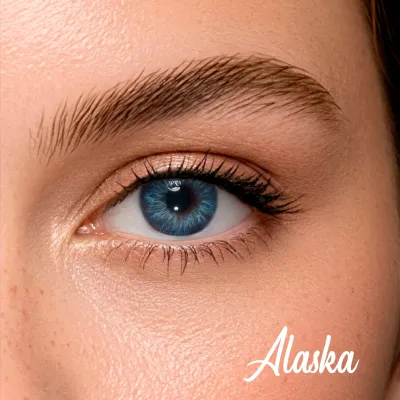
Claro Alaska - Colored Contact Lenses
*{box-sizing:border-box;} .alaska-page{ width:100%; margin:0; padding:0; font-family:Arial,Helvetica,sans-serif; color:#34495e; line-height:…
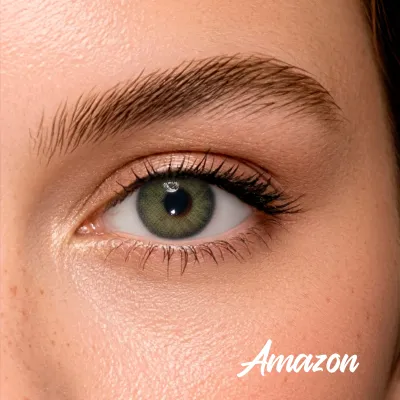
Claro Amazon - Colored Contact Lenses
*{box-sizing:border-box;} .amazon-page{ width:100%; margin:0; padding:0; font-family:Arial,Helvetica,sans-serif; color:#34495e; line-height:…
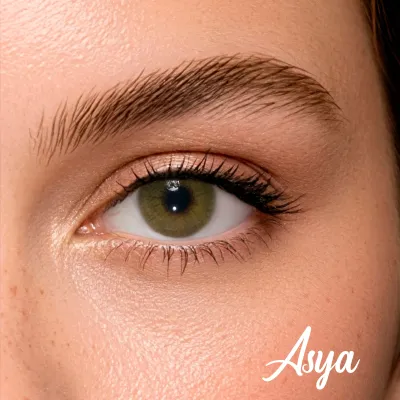
Claro Asya - Colored Contact Lenses
*{box-sizing:border-box;} .asya-page{ width:100%; margin:0; padding:0; font-family:Arial,Helvetica,sans-serif; color:#34495e; line-height:1.…

Claro Avatar - Colored Contact Lenses
*{box-sizing:border-box;} .avatar-page{ width:100%; margin:0; padding:0; font-family:Arial,Helvetica,sans-serif; color:#34495e; line-height:…
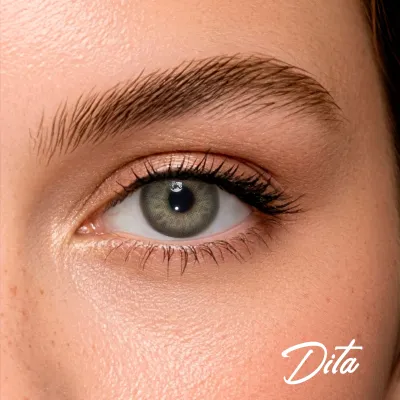
Claro Dita - Colored Contact Lenses
*{box-sizing:border-box;} .dita-page{ width:100%; margin:0; padding:0; font-family:Arial,Helvetica,sans-serif; color:#34495e; line-height:1.…
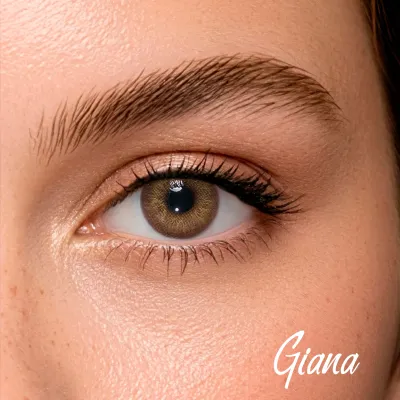
Claro Giana - Colored Contact Lenses
*{box-sizing:border-box;} .giana-page{ width:100%; margin:0; padding:0; font-family:Arial,Helvetica,sans-serif; color:#3b2a1d; line-height:1…

Claro Hermes - Colored Contact Lenses
*{box-sizing:border-box;} .hermes-page{ width:100%; margin:0; padding:0; font-family:Arial,Helvetica,sans-serif; color:#34495e; line-height:…
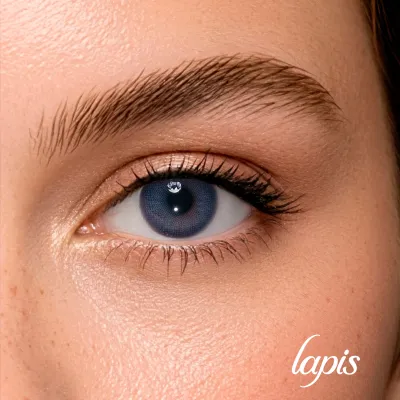
Claro Lapis - Colored Contact Lenses
*{box-sizing:border-box;} .lapis-page{ width:100%; margin:0; padding:0; font-family:Arial,Helvetica,sans-serif; color:#34495e; line-height:1…