


-36x36.png)

Eyewear has transcended its original purpose of mere vision correction to become a pivotal element of personal style, a statement of identity, and a crucial tool for eye health protection. In today's dynamic world, where digital screens dominate much of our daily lives and fashion trends evolve rapidly, understanding the diverse landscape of eyewear is more important than ever. Whether you're seeking crystal-clear vision, protection from harmful UV rays, or simply a way to express your unique aesthetic, the right pair of eyewear can profoundly impact your comfort, confidence, and overall well-being. This comprehensive guide delves into the multifaceted world of eyewear, exploring its history, types, selection process, and the vital role it plays in maintaining optimal eye health.
The Evolution of Vision Correction
The journey of eyewear is a fascinating narrative of human ingenuity, driven by the universal need to overcome visual impairments. From rudimentary magnifying glasses to the sophisticated corrective lenses of today, each advancement has brought us closer to perfect vision and enhanced quality of life. Understanding this historical progression not only highlights the scientific breakthroughs but also underscores the enduring importance of optical solutions in society.
Early Innovations in Eye Correction
The concept of using lenses to aid vision can be traced back to ancient civilizations, with early forms of magnifying glasses appearing around the 10th century. However, it was in 13th-century Italy that the first wearable spectacles emerged, initially designed for monks and scholars to extend their reading years. These early "reading stones" or "rivet spectacles" were simple convex lenses, often made from quartz or beryl, set in bone, metal, or leather frames. Their invention marked a profound shift, offering a practical solution to presbyopia and significantly impacting literacy and intellectual pursuits across Europe. The gradual refinement of lens grinding techniques and frame designs continued over centuries, slowly making eyewear more accessible, albeit still a luxury for many.
Modern Advancements in Lens Technology
The 18th and 19th centuries witnessed significant scientific leaps, including Benjamin Franklin's invention of bifocals and the development of astigmatism-correcting lenses. However, the 20th century truly revolutionized lens technology. The introduction of plastic lenses made eyewear lighter and more impact-resistant, while anti-reflective coatings dramatically improved clarity and reduced glare. Today, we benefit from an array of specialized lenses: progressive lenses for seamless vision at all distances, high-index lenses for thinner and lighter prescriptions, and photochromic lenses that automatically darken in sunlight. These innovations, coupled with advanced manufacturing processes, have made eyewear not only more effective but also more comfortable and aesthetically pleasing than ever before, catering to an incredibly diverse range of visual needs and preferences.
Understanding Different Eyewear Types
The term "eyewear" encompasses a broad spectrum of products, each designed with specific functions and styles in mind. Navigating these options requires an understanding of their unique characteristics and applications. From everyday vision correction to specialized protective gear, the choices are vast and tailored to modern living.
prescription glasses: Beyond Function
Prescription glasses remain the most common form of vision correction. They consist of lenses precisely ground to correct refractive errors such as myopia (nearsightedness), hyperopia (farsightedness), astigmatism, and presbyopia. Beyond their primary function, glasses have evolved into a prominent fashion accessory. Frames come in an endless variety of materials—metal, plastic, acetate, titanium—and shapes, from classic aviators and wayfarers to contemporary cat-eye and geometric designs. The choice of frame can dramatically alter one's appearance, reflecting personality and current trends. Furthermore, lens enhancements like blue light filters, UV protection, and scratch-resistant coatings add layers of functionality, protecting the eyes from digital strain and environmental damage while ensuring durability.
Sunglasses: Protection and Fashion
Sunglasses are indispensable for protecting our eyes from the sun's harmful ultraviolet (UV) rays, which can contribute to conditions like cataracts and macular degeneration. High-quality sunglasses block 99-100% of UVA and UVB radiation. Polarized lenses offer an additional benefit by reducing glare from reflective surfaces like water, snow, and roads, making them ideal for driving, fishing, and outdoor sports. Like prescription glasses, sunglasses are also a powerful fashion statement. Designers continually introduce new styles, colors, and lens tints, allowing individuals to express their personal flair while safeguarding their vision. From oversized celebrity styles to sleek athletic wraps, there’s a pair of sunglasses for every occasion and aesthetic preference.
contact lenses: A Discreet Alternative
For those who prefer not to wear glasses or desire an unobstructed field of vision, contact lenses offer an excellent alternative. These thin, corrective lenses sit directly on the cornea of the eye. They come in various types, including soft lenses (daily disposables, bi-weekly, monthly) and rigid gas permeable (RGP) lenses. Contact lenses correct the same refractive errors as glasses and are particularly popular among athletes and individuals with active lifestyles. A fascinating and increasingly popular category within contact lenses is Colored Contact Lenses. These allow individuals to temporarily change or enhance their natural eye color, offering a unique way to experiment with appearance for special occasions or daily wear. Opticzade offers a wide selection of high-quality colored contact lenses, providing both aesthetic appeal and comfortable vision correction. Proper hygiene and care are paramount for all contact lens wearers to prevent eye infections and maintain ocular health.
Choosing the Right Eyewear for Your Lifestyle
Selecting the perfect eyewear goes beyond just correcting your vision; it involves matching your choice to your daily activities, professional demands, and personal preferences. A thoughtful selection ensures comfort, functionality, and satisfaction.
Factors to Consider for Daily Wear
When choosing eyewear for daily use, comfort is paramount. The frames should fit well, not pinching the nose or behind the ears, and feel lightweight. Material choice plays a significant role here; lightweight titanium or flexible TR90 plastic can provide superior comfort for extended wear. Style is another crucial factor; your daily glasses should complement your face shape and personal aesthetic, making you feel confident. Consider your typical activities: if you spend hours in front of a computer, lenses with blue light filtering might be beneficial. For those who transition frequently between indoor and outdoor environments, photochromic lenses can offer convenience. Durability is also key; opt for scratch-resistant coatings and robust frame materials if you lead an active life.
Eyewear for Specific Activities and Professions
Certain activities and professions demand specialized eyewear. For athletes, impact-resistant sports glasses with secure straps are essential, often featuring polarized or transition lenses. Swimmers benefit from prescription swim goggles, while divers may require prescription dive masks. Professionals working in hazardous environments, such as construction or laboratories, need safety glasses that meet specific industrial standards for impact and chemical resistance. Even office workers can benefit from computer glasses designed to reduce eye strain and improve focus on digital screens. Pilots, hunters, and drivers often choose specific lens tints and coatings to enhance contrast and reduce glare, improving performance and safety. Tailoring your eyewear to these specific needs ensures optimal performance and protection.
The Importance of Eye Health and Professional Care
While eyewear significantly aids vision and style, its role in maintaining overall eye health cannot be overstated. Regular professional care is fundamental to ensuring your eyes remain healthy and your vision optimal throughout your life.
Regular Eye Examinations
Comprehensive eye examinations are far more than just vision tests; they are crucial health check-ups for your eyes. An optometrist or ophthalmologist can detect early signs of serious eye conditions like glaucoma, cataracts, diabetic retinopathy, and macular degeneration, often before symptoms become noticeable. Early detection is vital for effective treatment and preventing irreversible vision loss. These exams also assess your overall eye health, check for proper eye alignment, and update your prescription to ensure you have the most accurate corrective lenses. It's recommended that adults have their eyes examined every one to two years, or more frequently if advised by an eye care professional, especially as we age or if there's a family history of eye conditions.
Protecting Your Eyes from Digital Strain
In our increasingly digital world, digital eye strain (also known as computer vision syndrome) has become a widespread concern. Prolonged exposure to screens can lead to symptoms such as dry eyes, blurred vision, headaches, and neck pain. Protecting your eyes involves several strategies. The "20-20-20 rule" (every 20 minutes, look at something 20 feet away for 20 seconds) helps reduce strain. Ensuring proper lighting and screen positioning is also important. Furthermore, specialized computer glasses with blue light filtering lenses can significantly reduce exposure to high-energy visible (HEV) blue light emitted by digital devices, potentially mitigating discomfort and supporting better sleep patterns. Investing in such protective measures is a proactive step towards long-term eye health in the digital age.
Elevating Your Style with Eyewear
Eyewear is no longer just a medical necessity; it's a powerful fashion accessory that can define or enhance your personal style. Choosing the right frames and lenses can transform your look, reflecting your personality and keeping you on-trend.
Frame Shapes and Face Types
The key to selecting frames that flatter your face lies in understanding your face shape. Generally, frames that contrast with your face shape tend to be most appealing. For instance, individuals with round faces often benefit from angular frames like rectangular or square styles, which add definition. Heart-shaped faces look great with cat-eye or oval frames that balance the wider forehead. Oval faces are versatile and can pull off almost any frame shape. Square faces are softened by round or oval frames. By choosing a frame shape that complements your facial features, you can create a harmonious and stylish look that truly enhances your appearance.
Materials and Durability
The material of your eyewear frames significantly impacts their durability, weight, and aesthetic. Traditional materials like acetate offer a wide range of colors and patterns, known for their richness and depth. Metal frames, including titanium and stainless steel, are celebrated for their strength, lightweight nature, and sleek, minimalist appeal. Titanium, in particular, is hypoallergenic and extremely durable, making it an excellent choice for those with sensitive skin or active lifestyles. Newer materials like TR90 plastic provide incredible flexibility and resilience, making them virtually unbreakable. Understanding the properties of different materials allows you to choose frames that not only look good but also withstand the rigors of daily wear, ensuring longevity and value.
The Impact of Lens Coatings
While often overlooked, lens coatings play a crucial role in both the functionality and aesthetics of your eyewear. Anti-reflective (AR) coatings, for example, virtually eliminate reflections from the lens surfaces, improving clarity, reducing eye strain, and making your eyes more visible to others. Scratch-resistant coatings enhance the durability of your lenses, protecting them from everyday wear and tear. UV protection is essential for blocking harmful ultraviolet rays, safeguarding your eyes from long-term damage. Other specialized coatings include anti-smudge (oleophobic) for easier cleaning, hydrophobic for water repellence, and blue light filters for digital screen users. These coatings not only extend the life of your lenses but also significantly improve your visual experience and eye comfort, making them a worthwhile investment for any eyewear user.
From their humble beginnings as simple magnifiers to their current status as sophisticated vision aids and fashion statements, eyewear has undergone a remarkable transformation. Understanding the vast array of options, from classic prescription glasses and protective sunglasses to innovative contact lenses—including vibrant Colored Contact Lenses—empowers you to make informed decisions. Prioritizing regular eye health check-ups and selecting eyewear that aligns with your lifestyle and personal style ensures not only optimal vision but also enhanced confidence and well-being. At Opticzade, we are committed to helping you navigate this exciting world, providing quality products and expert guidance to meet all your eyewear needs.
Sıkça Sorulan Sorular
What are the primary types of eyewear available today?
How do I choose the right eyewear for my face shape?
Why are regular eye examinations important, even if my vision seems fine?
Can eyewear protect my eyes from digital screen strain?
What are colored contact lenses and how do they work?
Konuyla ilgili öne çıkan ürünler
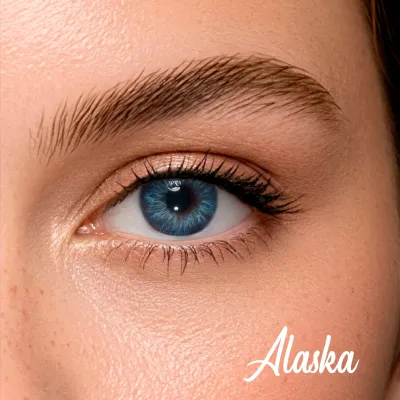
Claro Alaska - Colored Contact Lenses
*{box-sizing:border-box;} .alaska-page{ width:100%; margin:0; padding:0; font-family:Arial,Helvetica,sans-serif; color:#34495e; line-height:…
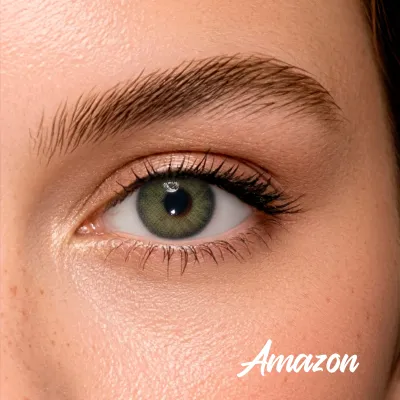
Claro Amazon - Colored Contact Lenses
*{box-sizing:border-box;} .amazon-page{ width:100%; margin:0; padding:0; font-family:Arial,Helvetica,sans-serif; color:#34495e; line-height:…
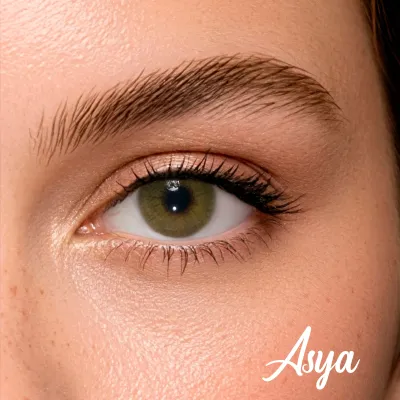
Claro Asya - Colored Contact Lenses
*{box-sizing:border-box;} .asya-page{ width:100%; margin:0; padding:0; font-family:Arial,Helvetica,sans-serif; color:#34495e; line-height:1.…
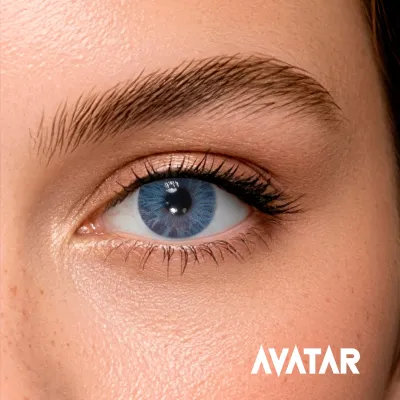
Claro Avatar - Colored Contact Lenses
*{box-sizing:border-box;} .avatar-page{ width:100%; margin:0; padding:0; font-family:Arial,Helvetica,sans-serif; color:#34495e; line-height:…
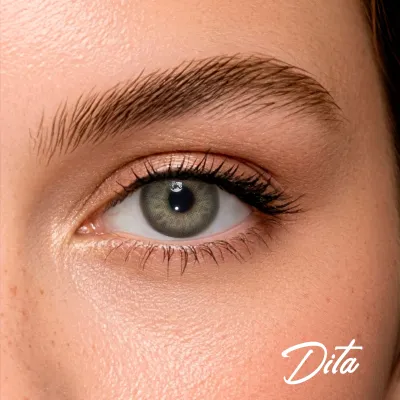
Claro Dita - Colored Contact Lenses
*{box-sizing:border-box;} .dita-page{ width:100%; margin:0; padding:0; font-family:Arial,Helvetica,sans-serif; color:#34495e; line-height:1.…
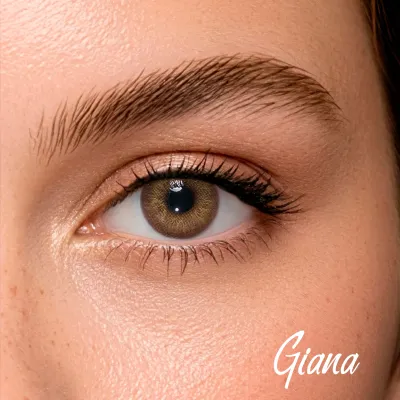
Claro Giana - Colored Contact Lenses
*{box-sizing:border-box;} .giana-page{ width:100%; margin:0; padding:0; font-family:Arial,Helvetica,sans-serif; color:#3b2a1d; line-height:1…
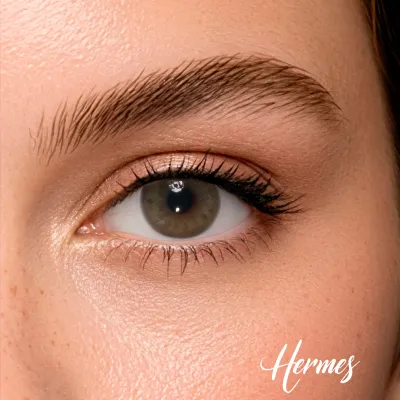
Claro Hermes - Colored Contact Lenses
*{box-sizing:border-box;} .hermes-page{ width:100%; margin:0; padding:0; font-family:Arial,Helvetica,sans-serif; color:#34495e; line-height:…
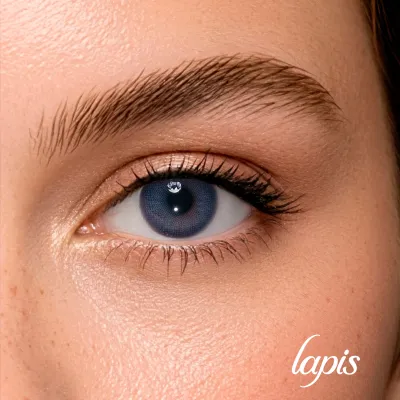
Claro Lapis - Colored Contact Lenses
*{box-sizing:border-box;} .lapis-page{ width:100%; margin:0; padding:0; font-family:Arial,Helvetica,sans-serif; color:#34495e; line-height:1…