



The allure of changing one's eye color has captivated individuals for centuries, offering a simple yet profound way to alter one's appearance. Among the myriad of choices available in colored contact lenses, those with a gray hue stand out for their exceptional versatility and ability to create a striking yet often natural-looking transformation. Whether you seek a subtle enhancement to your existing eye color or a dramatic shift that turns heads, these lenses provide an accessible option to redefine your gaze. Their popularity stems from their capacity to complement a wide range of natural eye colors, skin tones, and personal styles, making them a favored choice for both everyday wear and special occasions. This guide delves into everything you need to know about selecting, using, and caring for these captivating accessories, ensuring both aesthetic satisfaction and ocular health.
Exploring the Appeal of Silver-Toned Lenses
The fascination with silver-toned lenses lies in their unique ability to blend sophistication with a touch of mystery. Unlike more vibrant colors, gray shades offer a nuanced enhancement that can appear incredibly natural on various individuals, while still providing a noticeable change. They can soften intense natural eye colors or add depth to lighter ones, creating an effect that ranges from a cool, icy stare to a warm, smoky gaze. This adaptability makes them a top choice within the broader category of colored contact lenses for those seeking a distinguished look.
Shades and Opacity: From Subtle to Striking
When considering lenses that impart a gray color, understanding the spectrum of available shades and levels of opacity is crucial. Some lenses feature a subtle enhancement tint, designed to intensify your natural eye color with a hint of gray, making them ideal for individuals with light eyes who desire a more profound, yet still natural, effect. These often have a translucent quality, allowing your underlying eye color to show through. On the other hand, opaque lenses are crafted to completely cover your natural iris color, offering a dramatic transformation for both light and dark eyes. Within the opaque range, you'll find various patterns and color blends, including those with limbal rings for a defined look, or multi-tone designs that mimic the natural variations in the human iris, such as slate, charcoal, or even blue-gray combinations. The choice between subtle and striking depends entirely on your desired outcome and how much of a change you wish to achieve.
Complementing Diverse Skin Tones and Hair Colors
One of the remarkable qualities of gray-hued lenses is their ability to harmonize with an extensive array of skin tones and hair colors. For those with cool undertones in their skin, a true gray or blue-gray lens can beautifully enhance their complexion, creating a cohesive and elegant appearance. Individuals with warmer skin tones might find that a gray lens with subtle brown or hazel flecks, or a warmer gray shade, complements their features without clashing. Similarly, these lenses can provide a stunning contrast or a harmonious blend with various hair colors. Darker hair colors, such as black or deep brown, often create a striking contrast with lighter gray eyes, making the eyes pop. Lighter hair colors, like blonde or ash brown, can achieve a soft, ethereal look when paired with a complementary gray shade. Experimenting with different shades and patterns can help you discover the perfect match that accentuates your unique features.
Understanding Different Types of Color-Enhancing Lenses
Beyond the color itself, the type of lens you choose plays a significant role in comfort, convenience, and overall eye health. colored contact lenses, including those in gray tones, come in various modalities, each designed to suit different lifestyles and needs. Understanding these distinctions is key to making an informed decision that prioritizes both aesthetics and eye safety.
Daily vs. Extended Wear Options
The most common types of color-enhancing lenses are daily disposables and extended wear options (typically monthly or bi-weekly). Daily disposable lenses offer the ultimate convenience and hygiene; you wear a fresh pair each day and discard them after use, eliminating the need for cleaning and storage solutions. This significantly reduces the risk of infection and is ideal for occasional wearers or those with sensitive eyes. Extended wear lenses, conversely, are designed for repeated use over a set period, requiring daily cleaning, disinfection, and proper storage. While they may be more cost-effective for regular users, they demand a higher commitment to a strict hygiene regimen to prevent complications. Some monthly lenses are approved for continuous wear (sleeping in them) for a limited duration, but this should only be done under the strict guidance of an eye care professional due to increased risks.
Opaque vs. Translucent Tints: Choosing Your Look
The distinction between opaque and translucent tints is fundamental to achieving your desired eye color transformation. Translucent tints, also known as enhancement tints, are designed to subtly alter or intensify your natural eye color. They work best on individuals with light-colored eyes, adding depth or a slight color shift while allowing the natural iris pattern to show through. These lenses often feature a light, uniform tint across the lens. Opaque tints, on the other hand, are formulated to completely mask your natural eye color, providing a dramatic and noticeable change for both light and dark eyes. These lenses are typically printed with intricate patterns that mimic the natural iris, often including a limbal ring (a dark ring around the iris) to create a more defined and youthful appearance. When selecting between opaque and translucent, consider the degree of transformation you desire and how natural you want the final look to be.
Safety and Proper Care for Cosmetic Lenses
While the aesthetic benefits of colored contact lenses are undeniable, their use is not without responsibility. Eye health and safety must always be the top priority. Misuse or improper care of any contact lens, including those for cosmetic purposes, can lead to serious eye infections, corneal abrasions, and even permanent vision loss. Adhering to professional guidance and best practices is paramount.
The Essential Role of Professional Consultation
It is absolutely critical to consult with a qualified eye care professional before purchasing or wearing any type of contact lens, including non-corrective colored ones. An optometrist or ophthalmologist will perform a comprehensive eye examination to determine if your eyes are suitable for contact lens wear. They will measure your eye's curvature (base curve) and diameter to ensure a proper fit, as ill-fitting lenses can cause discomfort, blurred vision, and corneal damage. Furthermore, they will provide a valid prescription, even for plano (non-corrective) lenses, and instruct you on proper insertion, removal, and care techniques. Never purchase lenses from unregulated sources or without a prescription, as this poses significant health risks. Your eye care professional is your primary resource for ensuring safe and comfortable lens wear.
Best Practices for Cleaning and Storage
Maintaining impeccable hygiene is non-negotiable for all types of reusable contact lenses. Always wash your hands thoroughly with soap and water and dry them with a lint-free towel before handling your lenses. Use only the contact lens solution recommended by your eye care professional; never use tap water, saliva, or homemade solutions, as these can introduce harmful microorganisms to your eyes. After removal, clean each lens by placing it in the palm of your hand, adding a few drops of solution, and gently rubbing it for about 10-20 seconds. Rinse the lens thoroughly with fresh solution before placing it in a clean lens case filled with new solution. Replace your lens case every three months to prevent bacterial buildup. Adhere strictly to the recommended wearing schedule for your lenses; never wear them longer than prescribed, and always remove them before sleeping unless specifically approved for extended wear by your eye doctor. Following these guidelines will significantly reduce the risk of eye infections and ensure a comfortable experience.
Selecting the Right Pair for Your Eyes
Choosing the perfect pair of lenses involves more than just picking a color you like. Several factors related to your natural eye characteristics and lens specifications need to be considered to ensure both comfort and a desirable aesthetic outcome. A thoughtful selection process will lead to a more satisfying experience with your new eye color.
Matching Lenses to Your Natural Eye Pigmentation
Your natural eye color plays a crucial role in how gray-toned lenses will appear. For individuals with light blue, green, or hazel eyes, an enhancement tint can add a subtle gray overlay, deepening the existing color or shifting it towards a more silvery hue. Opaque gray lenses will completely transform lighter eyes, offering a true-to-color result. For those with dark brown or black eyes, opaque gray lenses are typically necessary to achieve a noticeable color change, as translucent tints would have little to no effect. Consider lenses with a strong limbal ring for a more defined look on darker eyes. Some gray lenses are designed with a subtle yellow or brown center to blend more seamlessly with the pupil and natural iris, creating a softer transition. Experimenting with different shades and patterns is often the best way to determine what looks most natural and appealing on your unique eye color.
Key Specifications: Base Curve and Diameter
Beyond color, the physical specifications of the lens—specifically the base curve (BC) and diameter (DIA)—are paramount for comfort and eye health. The base curve refers to the curvature of the back surface of the contact lens, which must match the curvature of your cornea. A lens with a base curve that is too flat will move excessively on the eye, causing discomfort and potentially blurred vision. Conversely, a lens that is too steep will restrict oxygen flow and cause tightness, leading to irritation and redness. The diameter is the measurement across the lens, which determines how much of your eye it covers. An incorrect diameter can also lead to discomfort or improper vision correction. These measurements are unique to each individual and are determined during a professional eye examination. Never guess these specifications or use lenses with incorrect BC and DIA values, as this can lead to serious eye problems. Always rely on your eye care professional's prescription for these critical measurements.
Where to Purchase Quality color contacts
The market for colored contact lenses, including those in gray, is vast, but not all sources are created equal. To ensure safety, quality, and authenticity, it is imperative to purchase your lenses from reputable and licensed vendors. Avoiding unregulated channels is a critical step in protecting your eye health.
The safest and most reliable places to purchase colored contact lenses are through licensed opticians, optometrists' offices, or reputable online retailers that require a valid prescription. These sources adhere to strict regulatory standards, ensuring that the lenses they sell are FDA-approved (in the U.S.) or meet equivalent international health and safety standards. They also guarantee that the lenses are sterile, correctly packaged, and made from appropriate materials. When buying online, always verify that the retailer requires you to upload or provide your eye care professional's prescription before completing the purchase. Be wary of novelty shops, beauty supply stores, flea markets, or unauthorized websites that sell lenses without requiring a prescription, as these products are often counterfeit, poorly manufactured, or expired, posing significant risks to your eyes. Prioritize your eye health by choosing legitimate and trusted suppliers for all your colored contact lenses.
Common Misconceptions About Colored Contacts
Despite their widespread use, several myths and misunderstandings persist regarding colored contact lenses. Addressing these can help potential users make informed decisions and alleviate unnecessary concerns.
- Myth: Colored contacts are purely cosmetic and don't require a prescription.
Fact: All contact lenses, including those without vision correction (plano lenses), are considered medical devices by health authorities worldwide. They require a valid prescription from an eye care professional to ensure proper fit and to minimize health risks. An ill-fitting lens can scratch your cornea, cause infections, or even lead to permanent vision loss.
- Myth: You can share colored contacts with friends.
Fact: Sharing contact lenses is extremely dangerous and can lead to severe eye infections, including bacterial, viral, or fungal keratitis, which can cause pain, redness, discharge, and potentially permanent vision impairment. Lenses are personal medical devices and should never be shared.
- Myth: Colored contacts are uncomfortable or painful to wear.
Fact: When properly fitted by an eye care professional and cared for according to instructions, colored contact lenses should be comfortable. Modern lenses are made from advanced materials designed for breathability and moisture retention. Discomfort usually indicates an improper fit, an infection, or incorrect handling.
- Myth: You can sleep in any colored contact lenses.
Fact: Most colored contact lenses are not approved for overnight wear. Sleeping in lenses not designed for extended wear significantly increases the risk of eye infections and other complications due to reduced oxygen flow to the cornea. Only specific types of lenses prescribed for extended wear should be worn overnight, and only under the guidance of your eye doctor.
Embracing the world of gray eye contacts offers an exciting opportunity to enhance your appearance and express your personal style. By understanding the different types of lenses available, prioritizing safety through professional consultation and meticulous care, and making informed purchasing decisions, you can enjoy a comfortable and captivating transformation. Always remember that your eye health is paramount, and responsible use is the key to a positive experience with colored contact lenses.
Sıkça Sorulan Sorular
Are gray eye contacts safe to wear?
How do I choose the right shade of gray for my eyes?
Do I need a prescription for non-corrective gray colored contact lenses?
What is the difference between daily disposable and extended wear gray contacts?
Konuyla ilgili öne çıkan ürünler
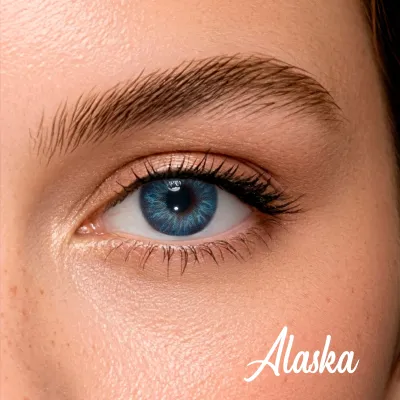
Claro Alaska - Colored Contact Lenses
*{box-sizing:border-box;} .alaska-page{ width:100%; margin:0; padding:0; font-family:Arial,Helvetica,sans-serif; color:#34495e; line-height:…
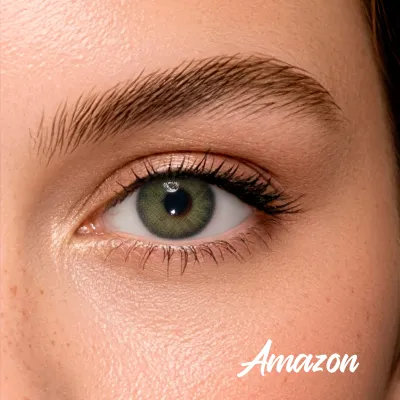
Claro Amazon - Colored Contact Lenses
*{box-sizing:border-box;} .amazon-page{ width:100%; margin:0; padding:0; font-family:Arial,Helvetica,sans-serif; color:#34495e; line-height:…
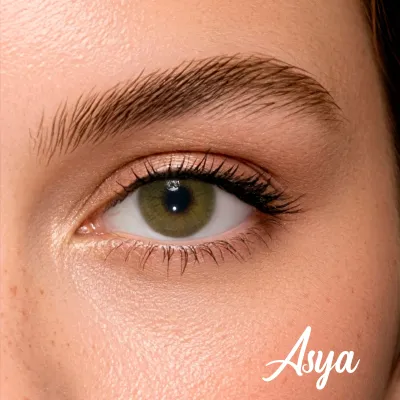
Claro Asya - Colored Contact Lenses
*{box-sizing:border-box;} .asya-page{ width:100%; margin:0; padding:0; font-family:Arial,Helvetica,sans-serif; color:#34495e; line-height:1.…
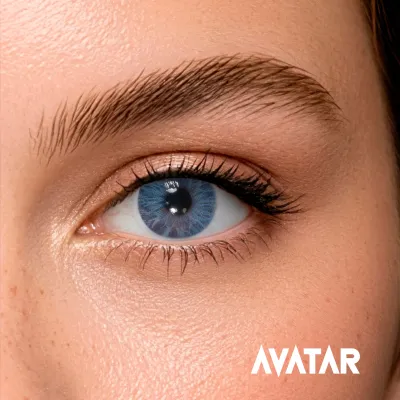
Claro Avatar - Colored Contact Lenses
*{box-sizing:border-box;} .avatar-page{ width:100%; margin:0; padding:0; font-family:Arial,Helvetica,sans-serif; color:#34495e; line-height:…
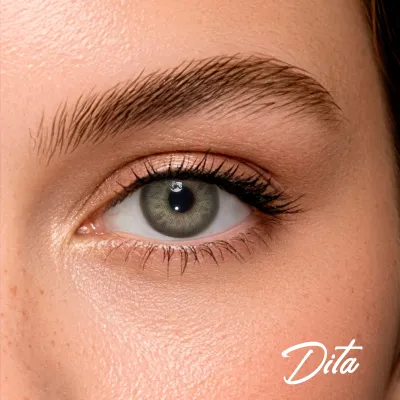
Claro Dita - Colored Contact Lenses
*{box-sizing:border-box;} .dita-page{ width:100%; margin:0; padding:0; font-family:Arial,Helvetica,sans-serif; color:#34495e; line-height:1.…
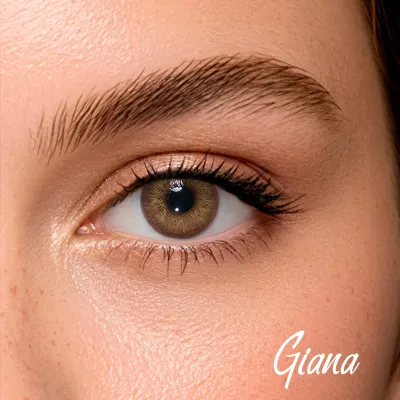
Claro Giana - Colored Contact Lenses
*{box-sizing:border-box;} .giana-page{ width:100%; margin:0; padding:0; font-family:Arial,Helvetica,sans-serif; color:#3b2a1d; line-height:1…
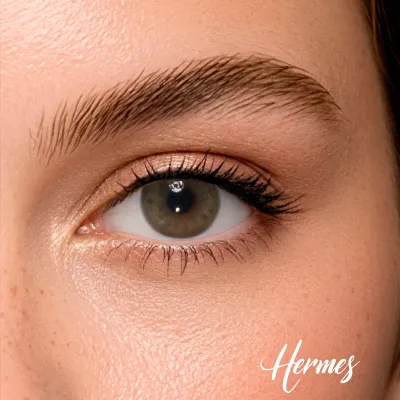
Claro Hermes - Colored Contact Lenses
*{box-sizing:border-box;} .hermes-page{ width:100%; margin:0; padding:0; font-family:Arial,Helvetica,sans-serif; color:#34495e; line-height:…
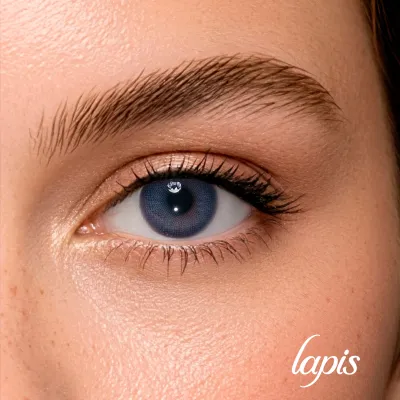
Claro Lapis - Colored Contact Lenses
*{box-sizing:border-box;} .lapis-page{ width:100%; margin:0; padding:0; font-family:Arial,Helvetica,sans-serif; color:#34495e; line-height:1…