



The desire to subtly enhance one's natural beauty is a timeless pursuit, and for many, the eyes hold the key to a captivating transformation. Among the myriad options available in cosmetic lenses, gray contacts have emerged as a particularly popular choice, offering a sophisticated and often natural-looking alteration to one’s gaze. Unlike more vibrant hues, the understated elegance of a gray shade can provide a striking yet believable change, complementing a wide range of complexions and natural eye colors. This comprehensive guide will delve into everything you need to know about these unique eye color enhancers, from selecting the perfect shade to ensuring safe and comfortable wear, empowering you to make an informed decision for your personal style.
The Enduring Appeal of Understated Eye Color
There's a distinct charm in an eye color change that is noticeable yet not overtly dramatic. Many individuals seek an enhancement that elevates their look without appearing artificial, and this is precisely where the magic of gray shades lies. These lenses can soften or intensify your natural eye color, adding depth and a touch of mystery. They are incredibly versatile, capable of transforming dark brown eyes into a smoky charcoal or adding an icy sparkle to lighter blue or green eyes. The result is often a refreshed, modern, and undeniably attractive appearance that draws attention without demanding it.
Why Many Choose a Softer Hue
The preference for a softer hue stems from a desire for authenticity and versatility. Vibrant colors, while fun for specific occasions, might not always suit everyday wear or professional environments. A subtle gray offers the best of both worlds: a noticeable change that integrates seamlessly with various makeup styles, outfits, and social settings. It provides an opportunity to experiment with your look without a long-term commitment, allowing you to express different facets of your personality.
How These Lenses Complement Various Complexions
One of the remarkable aspects of these specific cosmetic lenses is their ability to flatter diverse skin tones. For those with cooler undertones, shades like slate or silver can enhance the natural coolness of their complexion, creating a harmonious and striking effect. Individuals with warmer undertones might find that grays with subtle hints of brown or hazel, or even warmer ash tones, provide a beautiful contrast that brightens their face. The key is to consider how the lens color interacts with your skin, hair, and natural eye color to achieve the most flattering outcome.
Essential Considerations for Selecting Your Perfect Pair
Choosing the right pair of eye color enhancing lenses involves more than just picking a color you like. It requires understanding how different factors contribute to the final look and feel. From the specific tone of the lens to its wear duration, each element plays a crucial role in your satisfaction and comfort. Taking the time to consider these aspects will ensure you find lenses that not only look fantastic but also fit seamlessly into your lifestyle.
Understanding Different Tones and Patterns
The spectrum of gray available in cosmetic lenses is surprisingly broad. You’ll find everything from light, ethereal silver tones to deep, brooding charcoal shades. Beyond the primary color, the pattern of the lens significantly impacts its appearance. Some lenses feature a solid, opaque color for maximum transformation, while others use a pixelated or dot matrix pattern to blend more naturally with your existing eye color. Lenses with a defined limbal ring (the dark outer edge) can make eyes appear larger and more youthful, whereas those without offer a softer, more natural transition.
Matching Your Natural Eye Color and Skin Tone
For a truly natural effect, consider your natural eye color as a base. If you have dark eyes, an opaque gray will provide a more dramatic change, while a translucent gray might add a subtle sparkle. For lighter eyes, even a subtle gray can create a profound effect. Your skin tone also plays a vital role. Cool-toned grays (like blue-gray or silver) often suit cool skin tones, while warmer grays (with hints of brown or amber) can complement warmer complexions. Experimenting with different shades, perhaps through virtual try-on tools offered by reputable retailers of Colored contact lenses, can be incredibly helpful.
Daily, Weekly, or Monthly: Choosing the Right Duration
Cosmetic lenses come in various wear durations: daily disposables, bi-weekly, and monthly. Daily disposables offer the highest level of hygiene and convenience, as you use a fresh pair each day and discard them, eliminating the need for cleaning solutions. Bi-weekly and monthly lenses require proper cleaning and storage each night but can be more cost-effective in the long run. Your lifestyle, budget, and commitment to lens care will determine which duration is best suited for you.
Prioritizing Safety and Proper Lens Care
While the aesthetic appeal of eye color enhancing lenses is undeniable, safety should always be your paramount concern. These are medical devices, regardless of whether they correct vision or not, and improper use can lead to serious eye infections or damage. Adhering to strict hygiene practices and seeking professional guidance are non-negotiable steps for anyone considering wearing these lenses.
The Importance of Professional Consultation
Before purchasing any cosmetic lenses, it is crucial to consult with an eye care professional. An optometrist or ophthalmologist will examine your eyes to ensure they are healthy enough for lens wear and will take precise measurements of your eye's curvature and diameter. These measurements are essential for a comfortable and safe fit, even for non-prescription lenses. A poorly fitting lens can cause irritation, corneal abrasions, or even vision impairment.
Best Practices for Handling and Hygiene
Proper hygiene is the cornerstone of safe lens wear. Always wash your hands thoroughly with soap and water and dry them with a lint-free towel before handling your lenses. Use only fresh, sterile contact lens solution recommended by your eye care professional for cleaning and storing reusable lenses. Never use tap water, saliva, or expired solution. Always replace your lens case every three months to prevent bacterial buildup. Adhere strictly to the recommended wear schedule and never sleep in lenses unless specifically approved by your eye doctor.
Recognizing and Avoiding Counterfeit Products
The market for cosmetic lenses, including popular gray contacts, unfortunately includes counterfeit products that pose significant health risks. These unregulated lenses may use non-FDA approved dyes, have incorrect base curves, or be made from substandard materials, leading to severe eye infections, allergic reactions, or permanent damage. Always purchase your lenses from reputable, authorized retailers who require a valid prescription, even for plano (non-corrective) lenses. Be wary of unusually low prices or sellers who don't ask for prescription information.
Exploring the Variety of Available Styles and Designs
The evolution of cosmetic lens technology has led to an incredible array of styles and designs, allowing for a highly personalized eye color transformation. Understanding these variations will help you pinpoint the exact look you desire, whether it's a subtle shimmer or a complete overhaul of your natural eye color. The design elements of a lens play a significant role in how natural or dramatic the final effect appears.
Natural-Looking vs. More Dramatic Effects
If your goal is a natural enhancement, look for lenses with multi-tonal patterns that mimic the iris's complex structure. These often blend several shades of gray with hints of brown, blue, or green to create depth and dimension. Lenses with a soft, diffused limbal ring also contribute to a more organic appearance. For a more dramatic or striking change, opaque lenses with a bolder, more defined pattern or a distinct limbal ring can provide a powerful transformation, making your eyes stand out vividly.
Understanding Limbal Rings and Pupil Holes
The limbal ring is the dark circle that outlines the iris. Lenses with a prominent limbal ring can make your eyes appear larger, brighter, and more youthful. Those without a limbal ring tend to offer a softer, more blended look. The pupil hole, the clear center of the lens through which you see, is also critical. A well-designed lens will have a pupil hole that matches the average pupil size, ensuring clear vision and preventing the colored part of the lens from obstructing your sight, especially in varying light conditions. An improperly sized pupil hole can lead to a 'tunnel vision' effect or show your natural eye color around the pupil, detracting from the desired effect.
Materials and Comfort: What to Look For
Modern cosmetic lenses are typically made from hydrogel or silicone hydrogel materials. Silicone hydrogel lenses generally offer higher oxygen permeability, allowing more oxygen to reach your cornea, which is vital for eye health and comfort, especially during extended wear. Water content is another factor; lenses with higher water content can feel more comfortable initially but might dry out faster. Always prioritize lenses that offer good breathability and moisture retention to ensure all-day comfort. Discuss material options with your eye care professional to find the best fit for your eye's specific needs.
Making an Informed Purchase: Where to Find Quality Products
Once you've decided on the type and style of eye color enhancing lenses you want, the next crucial step is to ensure you purchase them from a reliable source. The quality and authenticity of the product directly impact both your safety and satisfaction. Making an informed purchase means knowing where to look and what to look for when buying your chosen lenses.
Reputable Retailers and Brands
Always buy your colored contact lenses from licensed optical stores, authorized online retailers, or directly from your eye care professional. Established brands invest heavily in research, development, and quality control to ensure their products are safe, effective, and comfortable. Look for brands that are FDA-approved (in the US) or certified by relevant health authorities in your region. These retailers will typically require a valid prescription, even for non-corrective lenses, which is a strong indicator of their commitment to patient safety.
Online vs. In-Store Shopping Advantages
Both online and in-store purchasing options have their advantages. In-store shopping allows for direct consultation with an optician, where you can get fitted, ask questions, and sometimes even try on sample lenses (though these are typically clear diagnostic lenses, not colored ones). Online retailers often offer a wider selection of brands and styles, competitive pricing, and the convenience of home delivery. However, when buying online, it's even more critical to verify the retailer's legitimacy and ensure they require a prescription. Many reputable online stores specializing in Colored Contact Lenses provide virtual try-on tools to help you visualize the effect.
Understanding Prescriptions and Non-Prescription Options
It's a common misconception that non-prescription cosmetic lenses don't require an eye exam or a prescription. This is false. In many countries, including the United States, all contact lenses, whether corrective or purely cosmetic, are classified as medical devices and require a valid prescription from an eye care professional. This prescription includes not just the power (if needed) but also the base curve and diameter, which are crucial for a safe and comfortable fit. Never purchase lenses from sources that do not ask for a prescription, as this is a major red flag for unregulated and potentially dangerous products.
The journey to transforming your eye color with gray contacts can be an exciting one, offering a fresh perspective on your personal aesthetic. By prioritizing safety through professional consultation and diligent care, and by making informed choices about style and purchase sources, you can confidently embrace the subtle yet powerful allure of enhanced eyes. Remember, your vision and eye health are invaluable, so always choose wisely and wear responsibly.
Sıkça Sorulan Sorular
Are gray contacts safe to wear?
How do I choose the best shade of gray for my eyes?
Do I need a prescription for non-corrective gray contacts?
What is the difference between daily, weekly, and monthly gray contacts?
Where is the best place to buy quality eye color enhancing lenses?
Konuyla ilgili öne çıkan ürünler
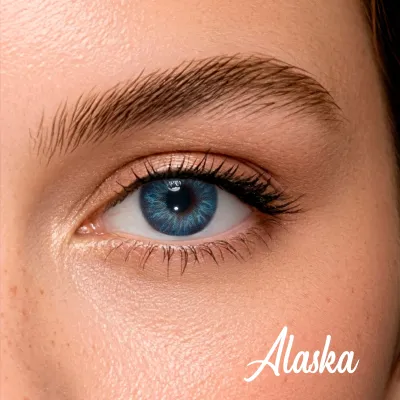
Claro Alaska - Colored Contact Lenses
*{box-sizing:border-box;} .alaska-page{ width:100%; margin:0; padding:0; font-family:Arial,Helvetica,sans-serif; color:#34495e; line-height:…
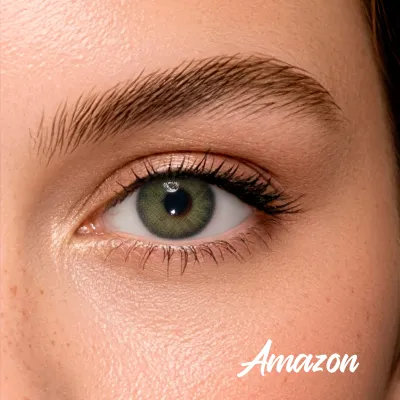
Claro Amazon - Colored Contact Lenses
*{box-sizing:border-box;} .amazon-page{ width:100%; margin:0; padding:0; font-family:Arial,Helvetica,sans-serif; color:#34495e; line-height:…
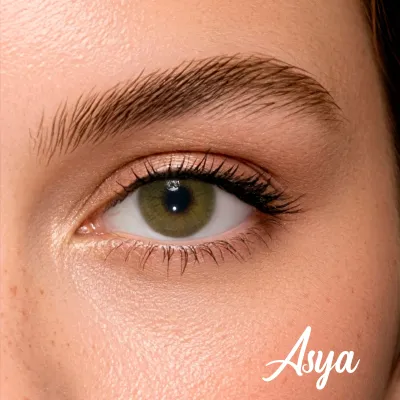
Claro Asya - Colored Contact Lenses
*{box-sizing:border-box;} .asya-page{ width:100%; margin:0; padding:0; font-family:Arial,Helvetica,sans-serif; color:#34495e; line-height:1.…
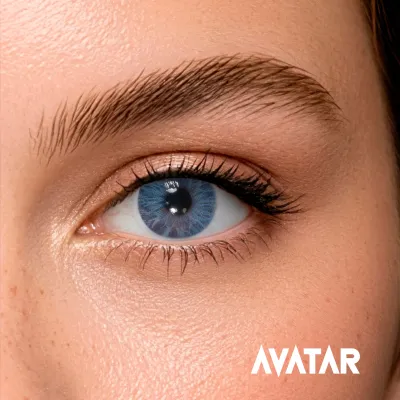
Claro Avatar - Colored Contact Lenses
*{box-sizing:border-box;} .avatar-page{ width:100%; margin:0; padding:0; font-family:Arial,Helvetica,sans-serif; color:#34495e; line-height:…
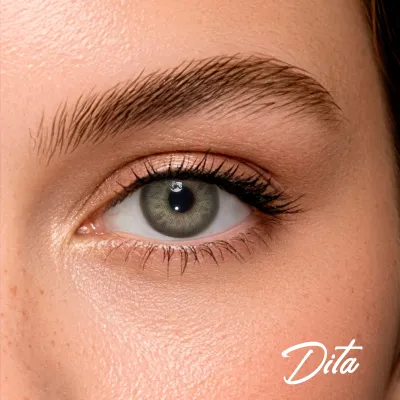
Claro Dita - Colored Contact Lenses
*{box-sizing:border-box;} .dita-page{ width:100%; margin:0; padding:0; font-family:Arial,Helvetica,sans-serif; color:#34495e; line-height:1.…
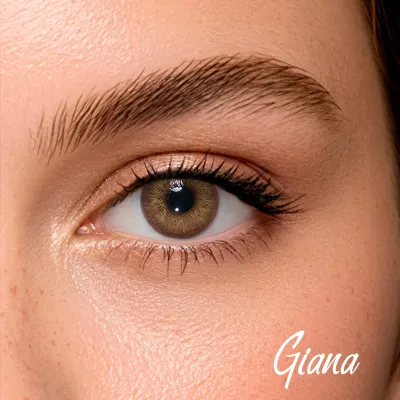
Claro Giana - Colored Contact Lenses
*{box-sizing:border-box;} .giana-page{ width:100%; margin:0; padding:0; font-family:Arial,Helvetica,sans-serif; color:#3b2a1d; line-height:1…
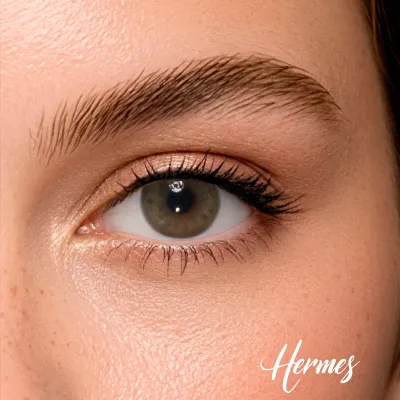
Claro Hermes - Colored Contact Lenses
*{box-sizing:border-box;} .hermes-page{ width:100%; margin:0; padding:0; font-family:Arial,Helvetica,sans-serif; color:#34495e; line-height:…
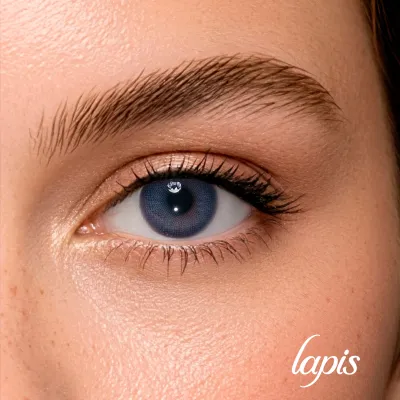
Claro Lapis - Colored Contact Lenses
*{box-sizing:border-box;} .lapis-page{ width:100%; margin:0; padding:0; font-family:Arial,Helvetica,sans-serif; color:#34495e; line-height:1…