



Germany's optical market is renowned for its stringent quality standards and comprehensive consumer protection. For individuals seeking vision correction or aesthetic enhancement through eye lenses, understanding the local landscape is crucial. This guide provides an in-depth look into acquiring optical lenses across Germany, covering everything from regulatory frameworks to purchasing options and essential care tips. Whether you are a long-term resident or new to the country, navigating the specifics of the German optical sector requires accurate information to ensure both eye health and product satisfaction.
Understanding German Optical Regulations
The German market for medical devices, including optical lenses, is governed by strict European Union directives and national laws. These regulations are designed to protect consumers by ensuring that all products meet high safety and performance standards. Before making any purchase, it's vital to be aware of these guidelines, as they dictate everything from product approval to sales channels.
Legal Framework for Medical Devices
In Germany, optical lenses are classified as medical devices, falling under the Medical Device Regulation (MDR) of the European Union. This comprehensive framework mandates rigorous assessment procedures for all products before they can be placed on the market. Manufacturers must demonstrate conformity with essential health and safety requirements, often involving clinical evaluations and post-market surveillance. This robust legal structure ensures that only safe and effective products are available to consumers, significantly reducing the risk of substandard or harmful items. Adherence to these regulations is a cornerstone of consumer trust in the German optical sector.
Consumer Rights and Protection
German consumer law offers extensive protection to buyers of medical devices. This includes rights concerning product information, warranty, and the ability to return faulty goods. Consumers are entitled to clear and accurate information about the product's specifications, usage, and potential risks. Furthermore, reputable retailers and opticians are bound by professional standards to provide appropriate advice and after-sales support. In cases of dissatisfaction or product defects, consumers have avenues for recourse, reinforcing the importance of purchasing from authorized and trustworthy sources. Understanding these rights empowers individuals to make informed decisions and seek assistance when necessary.
Types of Vision Correction Lenses Available
The German optical market offers a wide array of vision correction lenses, catering to diverse needs and preferences. From daily disposables to specialized options, understanding the different categories can help you choose the most suitable product for your lifestyle and visual requirements.
Daily and Monthly Wear Options
The most common types of optical lenses are designed for daily or monthly replacement schedules. Daily disposable lenses offer maximum hygiene and convenience, as they are discarded after each use, eliminating the need for cleaning and storage solutions. Monthly lenses, on the other hand, are more economical for regular wearers but require diligent cleaning and disinfection routines. Both options are available for various refractive errors, including myopia (nearsightedness), hyperopia (farsightedness), and astigmatism. Your optician will help determine which wearing schedule aligns best with your eye health and daily routine.
Specialty Lenses for Unique Needs
Beyond standard spherical and toric lenses, the German market also provides specialty options for specific visual conditions. These include multifocal or bifocal lenses for presbyopia, allowing clear vision at multiple distances. There are also custom-made rigid gas permeable (RGP) lenses for complex prescriptions or conditions like keratoconus, offering superior clarity and oxygen permeability. Scleral lenses, which rest on the white part of the eye, are another advanced option for severe dry eye or irregular corneas. Consulting with an experienced optometrist or ophthalmologist is crucial to assess if these specialized solutions are appropriate for your unique visual challenges.
Aesthetic Enhancements: Colored Lenses
For those looking to change or enhance their eye color, colored contact lenses are a popular choice. These lenses, available in various tints and patterns, can dramatically alter one's appearance. While often perceived as purely cosmetic, it is critical to remember that colored lenses are still medical devices and require a valid prescription, even if they are plano (non-corrective). Reputable suppliers, such as Opticzade, offer a range of high-quality colored contact lenses that meet German safety standards, ensuring both aesthetic appeal and eye health. Always purchase these from certified sources to avoid potential risks associated with unregulated products.
Where to Purchase Ophthalmic Lenses
Acquiring ophthalmic lenses in Germany can be done through several channels, each with its own advantages. Understanding these options will help you make an informed decision based on convenience, cost, and the level of professional service you require.
Authorized Opticians and Retailers
Traditional brick-and-mortar opticians remain a primary source for optical lenses in Germany. These establishments offer personalized service, including comprehensive eye examinations, precise fitting, and expert advice on lens types and care. Opticians ensure that lenses are correctly prescribed and fitted, which is crucial for comfort and vision clarity. They also provide ongoing support and can address any issues that may arise. For first-time wearers or those with complex prescriptions, the professional guidance offered by an authorized optician is invaluable, guaranteeing a safe and tailored experience.
Online Platforms and Their Advantages
Online retailers have become increasingly popular for purchasing optical lenses due to their convenience and competitive pricing. Many reputable online stores, including specialized platforms, offer a vast selection of brands and types, often at lower costs than traditional opticians. The ability to order from home at any time, coupled with direct delivery, makes online shopping highly appealing. However, it is paramount to choose certified online providers that require a valid prescription and adhere to German and EU regulations. While online platforms offer flexibility, they do not replace the need for regular eye check-ups and professional fitting by an optometrist.
Ensuring Quality and Safety Standards
The quality and safety of your optical lenses are paramount for maintaining good eye health. In Germany, several mechanisms are in place to ensure that products meet stringent standards. Knowing what to look for can help you make safe and reliable choices.
Certifications and Compliance Marks
When purchasing optical lenses in Germany, always look for products that bear the CE mark. This certification indicates that the product complies with European Union health, safety, and environmental protection standards. For medical devices, the CE mark signifies that the product has undergone a conformity assessment and meets the essential requirements of the Medical Device Regulation. Additionally, reputable brands often have their own quality assurance processes and may hold further certifications from international bodies. Verifying these marks provides an assurance of product integrity and safety, protecting consumers from potentially harmful or ineffective lenses.
Recognizing Reputable Brands
Choosing well-known and established brands is another effective way to ensure quality. Reputable manufacturers invest heavily in research, development, and stringent quality control measures. They also provide comprehensive product information, clear instructions for use, and accessible customer support. While exploring options like colored contact lenses, it's particularly important to stick to brands with a proven track record. Be wary of unusually low prices from unknown sellers, as these may indicate counterfeit or unregulated products that could pose significant risks to your eye health. Trustworthy suppliers prioritize transparency and stand behind the quality of their offerings.
Navigating Prescription Requirements
In Germany, a valid prescription from an eye care professional is legally required to purchase optical lenses, even for plano (non-corrective) colored lenses. This regulation underscores the medical nature of these devices and the importance of professional oversight.
Obtaining a Valid Eye Examination
The first step to acquiring optical lenses is a comprehensive eye examination performed by a qualified optometrist (Optiker) or ophthalmologist (Augenarzt). During this examination, the professional will assess your visual acuity, measure your eye parameters (such as corneal curvature), and check for any underlying eye conditions. They will then issue a prescription that specifies your refractive error, base curve, diameter, and any other necessary parameters. This prescription is tailored to your unique eye health and ensures that the lenses you purchase are appropriate and safe for your eyes. Regular eye check-ups, typically annually, are recommended to keep your prescription current and monitor your eye health.
Understanding Your Prescription Details
A typical optical lens prescription contains several key pieces of information. These usually include: 'SPH' (sphere), indicating the power of the lens for nearsightedness or farsightedness; 'CYL' (cylinder) and 'AXIS' for astigmatism correction; and 'ADD' for multifocal lenses. The 'BC' (base curve) and 'DIA' (diameter) specify the lens's curvature and size, ensuring a proper fit on your eye. Understanding these terms allows you to accurately communicate your needs when purchasing lenses, especially from online retailers. Always ensure that the lenses you order precisely match the parameters on your current, valid prescription to avoid discomfort, blurred vision, or potential eye damage.
Cost Considerations for eye lenses
The cost of optical lenses in Germany can vary significantly depending on several factors, including the type of lens, brand, purchase location, and whether you have health insurance coverage. Understanding these elements can help you budget effectively.
Factors Influencing Pricing
The price of optical lenses is influenced by their type (e.g., daily disposables are generally more expensive per lens but save on solution costs), material, brand reputation, and special features such as UV protection or moisture-retaining technologies. Specialty lenses for complex conditions or aesthetic purposes, like certain colored contact lenses, may also command a higher price. Purchasing in bulk from online retailers often provides a cost advantage compared to buying smaller quantities from traditional opticians. However, it's essential to balance cost savings with the assurance of quality and professional advice, especially for medical devices.
Insurance Coverage and Reimbursement
In Germany, statutory health insurance (GKV) typically covers a portion of the costs for prescription eyeglasses and, in some cases, optical lenses, particularly if there is a medical necessity beyond simple refractive error or if vision correction cannot be achieved with glasses. However, the extent of coverage can vary, and often only a basic allowance is provided. Private health insurance (PKV) plans usually offer more comprehensive benefits, potentially covering a larger share of lens costs. It is advisable to check with your specific insurance provider regarding their policies on optical lens reimbursement. For aesthetic lenses or non-medical needs, coverage is generally not provided, making it an out-of-pocket expense.
Essential Aftercare and Maintenance Tips
Proper aftercare and maintenance are crucial for the safe and comfortable use of optical lenses. Adhering to recommended hygiene practices and regular eye check-ups will prevent complications and prolong the life of your lenses, ensuring optimal eye health.
Proper Cleaning and Storage
For reusable optical lenses (e.g., monthly or bi-weekly), meticulous cleaning and proper storage are non-negotiable. Always wash your hands thoroughly with soap and water before handling your lenses. Use only fresh, sterile contact lens solution recommended by your eye care professional for cleaning, rinsing, and storing your lenses. Never use tap water, saliva, or homemade solutions, as these can introduce harmful microorganisms. Replace your lens case regularly, typically every three months, to prevent bacterial buildup. Following these steps diligently reduces the risk of eye infections and ensures the longevity of your lenses.
Regular Eye Check-ups
Even with perfect vision and comfortable lenses, regular eye check-ups with an optometrist or ophthalmologist are essential. These appointments, usually once a year, allow your eye care professional to monitor your eye health, check for any changes in your prescription, and assess the fit of your lenses. They can detect early signs of complications, such as dry eyes, allergies, or infections, which might not be immediately apparent to you. Consistent professional oversight ensures that your optical lenses continue to be safe and effective for your eyes, adapting to any changes in your visual needs or ocular health over time.
Navigating the German market for optical lenses, including specialized options like colored contact lenses from trusted suppliers like Opticzade, requires attention to detail regarding regulations, quality, and personal eye care. By adhering to the guidelines outlined in this comprehensive guide, consumers can confidently make informed decisions, ensuring both optimal vision and long-term eye health.
Sıkça Sorulan Sorular
Are prescriptions mandatory for purchasing vision lenses in Germany?
What are the main types of optical lenses available in the German market?
How can I ensure the quality and safety of my eye lenses in Germany?
Can I buy colored contact lenses in Germany without a prescription?
What are the regulations for online purchases of vision correction lenses in Germany?
Konuyla ilgili öne çıkan ürünler

Claro Alaska - Colored Contact Lenses
*{box-sizing:border-box;} .alaska-page{ width:100%; margin:0; padding:0; font-family:Arial,Helvetica,sans-serif; color:#34495e; line-height:…

Claro Amazon - Colored Contact Lenses
*{box-sizing:border-box;} .amazon-page{ width:100%; margin:0; padding:0; font-family:Arial,Helvetica,sans-serif; color:#34495e; line-height:…

Claro Asya - Colored Contact Lenses
*{box-sizing:border-box;} .asya-page{ width:100%; margin:0; padding:0; font-family:Arial,Helvetica,sans-serif; color:#34495e; line-height:1.…

Claro Avatar - Colored Contact Lenses
*{box-sizing:border-box;} .avatar-page{ width:100%; margin:0; padding:0; font-family:Arial,Helvetica,sans-serif; color:#34495e; line-height:…

Claro Dita - Colored Contact Lenses
*{box-sizing:border-box;} .dita-page{ width:100%; margin:0; padding:0; font-family:Arial,Helvetica,sans-serif; color:#34495e; line-height:1.…
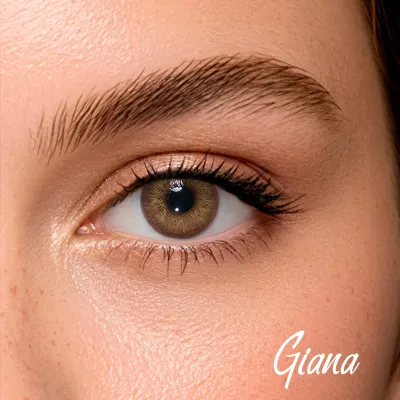
Claro Giana - Colored Contact Lenses
*{box-sizing:border-box;} .giana-page{ width:100%; margin:0; padding:0; font-family:Arial,Helvetica,sans-serif; color:#3b2a1d; line-height:1…

Claro Hermes - Colored Contact Lenses
*{box-sizing:border-box;} .hermes-page{ width:100%; margin:0; padding:0; font-family:Arial,Helvetica,sans-serif; color:#34495e; line-height:…
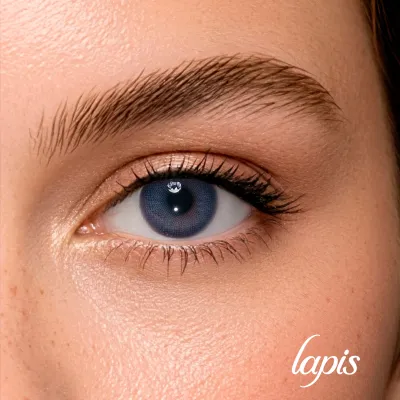
Claro Lapis - Colored Contact Lenses
*{box-sizing:border-box;} .lapis-page{ width:100%; margin:0; padding:0; font-family:Arial,Helvetica,sans-serif; color:#34495e; line-height:1…