


-36x36.png)

Optical lenses are fundamental components in vision correction, eye protection, and even aesthetic enhancement. Far more than simple pieces of glass or plastic, these meticulously crafted devices manipulate light to provide clear, focused vision for millions worldwide. Whether you're seeking to correct refractive errors like myopia, hyperopia, or astigmatism, or simply looking to enhance your natural eye color, understanding the science and variety of optical lenses is crucial. This comprehensive guide, brought to you by Opticzade, delves into the intricate world of optical lenses, exploring their types, materials, technologies, and essential care practices to help you make informed decisions about your eye health and visual clarity.
The Science Behind Optical Lenses: How They Work
At its core, an optical lens functions by refracting, or bending, light rays. When light passes from one medium (air) to another (the lens material), its speed changes, causing it to bend. The curvature of the lens surfaces dictates how much and in what direction the light bends. Convex lenses, thicker in the middle, converge light rays to a focal point, used to correct hyperopia (farsightedness). Concave lenses, thinner in the middle, diverge light rays, ideal for myopia (nearsightedness). Astigmatism, an irregular curvature of the cornea or lens, is corrected with toric lenses that have different refractive powers in different meridians.
Modern optical lenses are crafted from a variety of materials, each offering distinct advantages. Traditional glass lenses provide excellent optical clarity and scratch resistance but are heavier and more prone to shattering. Plastic lenses, primarily CR-39, are lighter and more impact-resistant, making them a popular choice. High-index plastics are thinner and lighter for strong prescriptions. Polycarbonate and Trivex are ultra-impact-resistant materials, often recommended for children's eyewear, sports glasses, and safety lenses. The manufacturing process involves precise grinding, polishing, and often digital free-form technology to create surfaces that perfectly match an individual's prescription and visual needs.
Exploring the Diverse Types of Optical Lenses
The world of optical lenses offers a vast array of options, each designed to address specific visual requirements and lifestyle demands. Understanding these categories is the first step towards selecting the perfect pair.
- Single Vision Lenses: These are the most common type, providing a single focal correction throughout the entire lens. They are used to correct nearsightedness, farsightedness, or astigmatism for a specific distance, such as reading or driving.
- Bifocal Lenses: Designed for individuals with presbyopia (age-related farsightedness), bifocals feature two distinct optical powers: one for distance vision and a segment for near vision. A visible line typically separates these two zones.
- Trifocal Lenses: Similar to bifocals, trifocals add a third segment for intermediate vision, useful for tasks like computer work. They have two visible lines separating the three zones.
- Progressive Lenses (No-Line Bifocals): These advanced lenses offer a seamless transition between distance, intermediate, and near vision without any visible lines. The power gradually changes across the lens surface, providing a more natural visual experience. They require careful fitting to ensure optimal performance.
- contact lenses: Worn directly on the eye, contact lenses offer a discreet and often more convenient alternative to glasses. They come in various forms, including daily disposables, bi-weekly, monthly, and extended wear. Materials range from soft hydrogels and silicone hydrogels for comfort and oxygen permeability, to rigid gas permeable (RGP) lenses for sharper vision in certain conditions.
Each type serves a unique purpose, and the choice often depends on your specific prescription, daily activities, and personal preferences. Consulting with an eye care professional is essential to determine the most suitable lens type for your individual needs.
Choosing the Right Lenses: Factors to Consider
Selecting the ideal optical lenses involves more than just your prescription; it's about matching your vision correction to your lifestyle and visual demands. Here are key factors to consider:
- Your Prescription: This is the fundamental starting point. Your optometrist or ophthalmologist will determine the precise power needed to correct your refractive error.
- Lifestyle and Activities: Do you spend a lot of time on computers? Are you an avid reader? Do you play sports? Your daily routine heavily influences the best lens type and coatings. For instance, progressive lenses are excellent for varied tasks, while specialized sports lenses offer enhanced durability and vision.
- Lens Material: As discussed, materials like CR-39 plastic, high-index plastic, polycarbonate, and Trivex each offer different benefits in terms of weight, thickness, and impact resistance. High-index lenses are particularly beneficial for strong prescriptions, reducing lens bulk.
- Lens Coatings: Modern lenses can be enhanced with various coatings:
- Anti-Reflective (AR) Coating: Reduces glare, improves vision clarity, and enhances cosmetic appearance.
- Scratch-Resistant Coating: Increases the durability of plastic lenses.
- UV Protection: Blocks harmful ultraviolet rays, crucial for eye health.
- Blue Light Filtering: Designed to reduce exposure to blue light emitted from digital screens.
- Hydrophobic/Oleophobic Coatings: Repel water and oils, making lenses easier to clean.
- Frame Compatibility: The size and style of your chosen frame can influence the optimal lens thickness and curvature, especially for stronger prescriptions.
A thorough discussion with your eye care specialist will help navigate these options and ensure you receive lenses perfectly tailored to your vision requirements.
Specialized Lenses and Advanced Technologies for Enhanced Vision
Beyond standard vision correction, the optical industry continually innovates, offering specialized lenses and advanced technologies that cater to unique needs and preferences. These innovations aim to provide superior visual comfort, protection, and even aesthetic enhancements.
- High-Index Lenses: For individuals with strong prescriptions, high-index materials allow for significantly thinner and lighter lenses compared to standard plastic, improving both comfort and appearance.
- Aspheric Lenses: These lenses feature a flatter, more complex curvature, which reduces peripheral distortion and provides a wider, clearer field of view, especially beneficial for stronger prescriptions.
- Photochromic Lenses: Often known by brand names like Transitions®, these lenses automatically darken when exposed to UV light outdoors and become clear indoors, offering convenient protection from sun glare without needing a separate pair of sunglasses.
- Blue Light Filtering Lenses: With increasing digital screen time, lenses designed to filter out a portion of harmful blue-violet light have become popular. They aim to reduce digital eye strain and potentially protect retinal health.
- Computer Lenses: Specifically optimized for intermediate and near vision, these lenses provide a wider field of view for computer screens and desk work, reducing strain compared to general-purpose progressives.
- Polarized Lenses: Primarily used in sunglasses, polarized lenses effectively block horizontal glare reflected off surfaces like water, snow, or roads, offering superior clarity and comfort for outdoor activities.
- Colored Contact Lenses: For those looking to subtly or dramatically change their eye color, colored contact lenses offer a fantastic solution. Available in prescription and plano (non-prescription) forms, they come in a wide array of shades and patterns, from enhancing natural eye color to completely transforming it. Opticzade offers a diverse selection of colored contact lenses, allowing you to express your unique style while maintaining comfort and safety. It's crucial to always purchase colored contacts from reputable sources and follow proper fitting and care instructions from an eye care professional, even for plano lenses, as they are still medical devices.
These advanced options highlight the continuous evolution in optical technology, providing tailored solutions for almost every visual requirement.
Maintenance and Care for Optimal Lens Longevity and Vision
Proper care and maintenance are paramount to ensuring the longevity of your optical lenses and maintaining optimal vision. Neglecting care can lead to scratches, reduced clarity, and even eye infections, especially with contact lenses.
For eyeglasses:
- Cleaning: Always use a designated lens cleaning spray and a microfiber cloth. Avoid paper towels, tissues, or clothing, which can scratch the lenses. Rinse lenses with lukewarm water before cleaning if they are dusty.
- Handling: Always hold your glasses by the frame, not the lenses, to avoid smudges and potential damage.
- Storage: Store your glasses in a clean, hard case when not in use to protect them from scratches and breakage. Avoid placing them face down on any surface.
- Heat: Keep your glasses away from extreme heat, such as car dashboards or direct sunlight, as high temperatures can damage lens coatings and frames.
For contact lenses:
- Hygiene: Always wash and dry your hands thoroughly before handling contact lenses.
- Cleaning and Disinfection: Use only fresh, sterile contact lens solution recommended by your eye care professional. Never use tap water or saliva. Rub and rinse lenses as directed.
- Storage: Store lenses in a clean, disinfected lens case, replacing the case every 3 months.
- Replacement Schedule: Adhere strictly to the prescribed replacement schedule (daily, bi-weekly, monthly) to prevent complications.
- Never Sleep in Lenses: Unless specifically prescribed for extended wear, never sleep in your contact lenses.
Regular check-ups with your eye care professional are also vital to ensure your prescription is current and your eyes remain healthy.
Optical lenses are indispensable tools that significantly enhance our quality of life by providing clear vision and protecting our eyes. From the fundamental principles of light refraction to the sophisticated advancements in materials and coatings, the journey of optical lenses is one of continuous innovation. Whether you rely on single vision glasses, progressive lenses, or enjoy the versatility of contact lenses, including the expressive options like colored contact lenses, understanding your choices and committing to proper care is key. At Opticzade, we are dedicated to guiding you through this intricate world, ensuring you find the perfect optical solution that meets your visual needs, lifestyle, and aesthetic desires, all while prioritizing your eye health.
Sıkça Sorulan Sorular
What are the main types of optical lenses?
How do I choose the right optical lenses for my needs?
What are colored contact lenses, and are they safe?
How should I care for my optical lenses?
What are the benefits of advanced lens coatings?
Konuyla ilgili öne çıkan ürünler
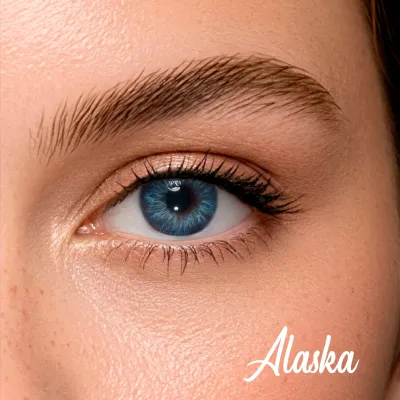
Claro Alaska - Colored Contact Lenses
*{box-sizing:border-box;} .alaska-page{ width:100%; margin:0; padding:0; font-family:Arial,Helvetica,sans-serif; color:#34495e; line-height:…
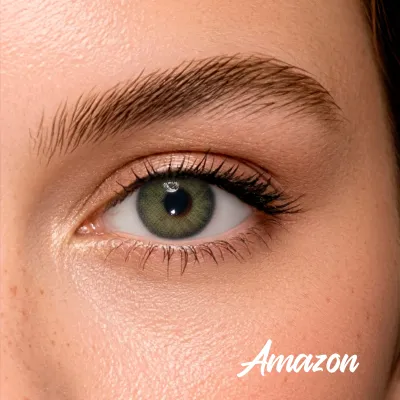
Claro Amazon - Colored Contact Lenses
*{box-sizing:border-box;} .amazon-page{ width:100%; margin:0; padding:0; font-family:Arial,Helvetica,sans-serif; color:#34495e; line-height:…
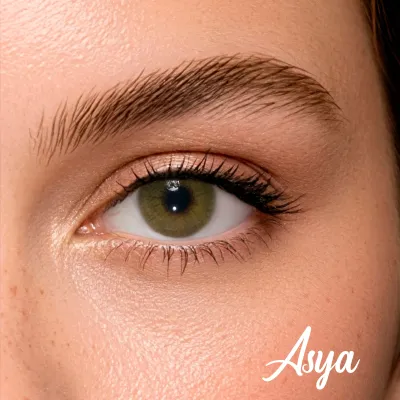
Claro Asya - Colored Contact Lenses
*{box-sizing:border-box;} .asya-page{ width:100%; margin:0; padding:0; font-family:Arial,Helvetica,sans-serif; color:#34495e; line-height:1.…

Claro Avatar - Colored Contact Lenses
*{box-sizing:border-box;} .avatar-page{ width:100%; margin:0; padding:0; font-family:Arial,Helvetica,sans-serif; color:#34495e; line-height:…
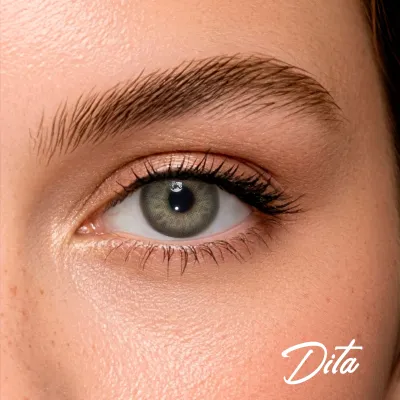
Claro Dita - Colored Contact Lenses
*{box-sizing:border-box;} .dita-page{ width:100%; margin:0; padding:0; font-family:Arial,Helvetica,sans-serif; color:#34495e; line-height:1.…
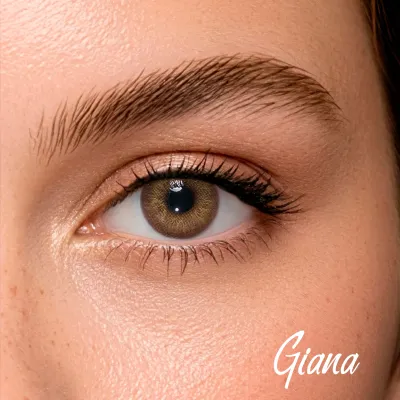
Claro Giana - Colored Contact Lenses
*{box-sizing:border-box;} .giana-page{ width:100%; margin:0; padding:0; font-family:Arial,Helvetica,sans-serif; color:#3b2a1d; line-height:1…
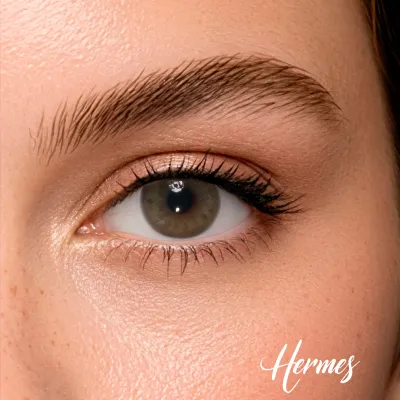
Claro Hermes - Colored Contact Lenses
*{box-sizing:border-box;} .hermes-page{ width:100%; margin:0; padding:0; font-family:Arial,Helvetica,sans-serif; color:#34495e; line-height:…
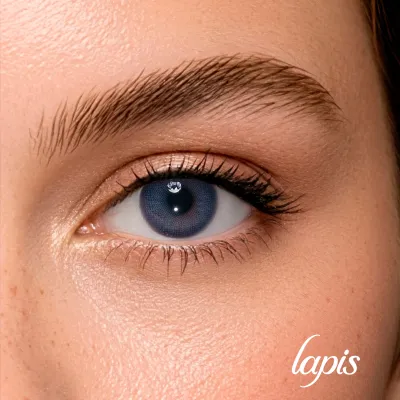
Claro Lapis - Colored Contact Lenses
*{box-sizing:border-box;} .lapis-page{ width:100%; margin:0; padding:0; font-family:Arial,Helvetica,sans-serif; color:#34495e; line-height:1…