



For many, the desire for clear vision extends beyond traditional eyeglasses. Modern optical technology offers an array of sophisticated options, commonly referred to as eye lenses, that provide freedom, convenience, and a natural field of view. These small, thin devices sit directly on the eye's surface, correcting refractive errors such as myopia (nearsightedness), hyperopia (farsightedness), astigmatism, and presbyopia. This comprehensive guide delves into the various facets of these vision aids, from their fundamental types to essential care practices and aesthetic enhancements, helping you make an informed choice for your ocular health.
Understanding Different Types of Vision Aids
The market for vision correction offers a wide spectrum of choices, each designed to meet specific needs and lifestyles. Understanding the fundamental categories of these ocular appliances is the first step towards finding your ideal match. These devices are primarily classified by their material and intended wear schedule, impacting comfort, oxygen permeability, and maintenance requirements.
Daily Disposable Varieties
Daily disposable contact lenses are designed for a single use, offering unparalleled convenience and hygiene. You wear them for one day and then discard them, eliminating the need for cleaning solutions or storage cases. This makes them an excellent choice for individuals with allergies or those prone to deposit buildup, as a fresh, sterile pair is used every day. They are also ideal for occasional wearers, such as athletes or those who prefer glasses for everyday use but want an alternative for specific activities.
Extended Wear Solutions
Extended wear contact lenses are engineered from highly breathable materials, typically silicone hydrogel, allowing them to be worn continuously for several days or even weeks, including while sleeping. The exact duration depends on the specific lens type and your eye care professional's recommendation. While offering significant convenience, they require careful monitoring for potential complications like infections, as continuous wear can increase risks if proper hygiene and follow-up appointments are not maintained.
Specialized Designs for Astigmatism and Presbyopia
Beyond standard spherical designs, specialized contact lenses address more complex vision needs. Toric lenses are specifically designed to correct astigmatism, a condition caused by an irregularly shaped cornea, by having different powers in different meridians of the lens. Multifocal or bifocal lenses, on the other hand, are tailored for presbyopia, an age-related condition where the eye loses its ability to focus on close objects. These lenses feature multiple prescriptions within a single lens, allowing wearers to see clearly at various distances without switching between different pairs of glasses.
Key Factors in Selecting Your Ideal Ocular Appliance
Choosing the right vision aid involves more than just correcting your prescription. It requires a thoughtful evaluation of various personal and medical factors to ensure comfort, safety, and optimal visual performance. A personalized approach, guided by professional advice, is crucial for long-term satisfaction.
Considering Your Lifestyle Needs
Your daily routine and activities play a significant role in determining the most suitable type of eye lenses. If you lead an active lifestyle, participate in sports, or travel frequently, daily disposables might offer the most practical solution due to their convenience and reduced maintenance. For those seeking continuous vision correction without daily handling, extended wear options could be appealing, provided your eyes tolerate them well. Consider your work environment, hobbies, and how often you'll be wearing the lenses throughout the day.
Assessing Eye Health and Comfort
The health of your eyes is paramount when considering any type of vision aid. Conditions such as dry eyes, allergies, or recurrent infections can influence which types of lenses are safe and comfortable for you. Some materials are better suited for dry eyes, while others offer higher oxygen permeability, which is vital for corneal health. Comfort is also subjective; what feels good for one person might not for another. Initial trials and professional fitting are essential to assess how your eyes react to different lens types.
Consulting with an Eye Care Professional
The most critical step in selecting the right eye lenses is a comprehensive eye examination and consultation with a qualified eye care professional. They will not only determine your precise prescription but also evaluate your eye health, corneal curvature, and tear film quality. Based on this assessment and a discussion of your lifestyle, they can recommend the most appropriate lens type, brand, and fit, ensuring both optimal vision and long-term ocular health. Self-prescribing or purchasing without a valid prescription can lead to serious eye complications.
Maintaining Optimal Eye Health with Proper Care
Proper care and hygiene are non-negotiable for anyone using eye lenses. Neglecting these practices can lead to discomfort, infections, and potentially severe vision-threatening complications. Adhering to a strict cleaning regimen and handling guidelines is fundamental to enjoying the benefits of these vision aids safely.
Essential Cleaning Protocols
For reusable contact lenses (such as two-week or monthly disposables), a meticulous cleaning routine is vital. Always wash your hands thoroughly with soap and water and dry them with a lint-free towel before touching your lenses. Use only the recommended contact lens solution to clean, rinse, and disinfect your lenses. Never use tap water, saliva, or homemade solutions, as these can introduce harmful microorganisms. Rubbing and rinsing the lenses as directed by your eye care professional helps remove deposits and disinfect the surface effectively.
Safe Handling and Storage Practices
Beyond cleaning, safe handling and storage are crucial. Always insert and remove your lenses gently, avoiding excessive force or contact with sharp objects. Store your lenses in a clean, fresh case filled with new disinfecting solution every time. Never 'top off' old solution with new, as this dilutes its effectiveness. Replace your lens case every three months, or more frequently if it shows signs of wear or contamination, to prevent bacterial buildup. Adhere strictly to the recommended wear schedule; never wear lenses beyond their prescribed duration.
Recognizing Signs of Irritation
Even with proper care, it's important to be aware of signs that might indicate a problem. Symptoms such as persistent redness, discomfort, excessive tearing, unusual discharge, light sensitivity, or sudden blurred vision warrant immediate attention. If you experience any of these, remove your lenses immediately and contact your eye care professional. Continuing to wear lenses with symptoms of irritation or infection can exacerbate the condition and lead to more serious eye problems.
Debunking Common Misconceptions About Corrective Lenses
Despite their widespread use, several myths and misunderstandings persist regarding eye lenses. Addressing these can help potential and current users feel more confident and informed about their choice of vision correction.
Dispelling Safety Concerns
One common fear is that contact lenses can get lost behind the eye. This is anatomically impossible; a membrane called the conjunctiva covers the white part of your eye and connects to the inside of your eyelids, preventing anything from going behind your eye. Another concern is that they might stick to your eye permanently. While lenses can sometimes be difficult to remove if they are dry, they will not permanently adhere. Proper rewetting drops can usually facilitate easy removal.
Addressing Comfort Expectations
Many people believe that all contact lenses are uncomfortable. While there can be an initial adjustment period, modern eye lenses are made from advanced, highly breathable, and flexible materials designed for maximum comfort. With a proper fit and the right type of lens for your eyes, most wearers report little to no sensation of the lens. If you experience persistent discomfort, it's usually a sign of an improper fit, dry eyes, or an underlying issue that needs to be addressed by an eye care professional.
Clarifying Usage Limitations
Some individuals mistakenly believe that contact lenses are not suitable for children or older adults. In reality, age is not the primary determinant; responsibility, hygiene habits, and motivation are more important. Many children successfully wear lenses, and older adults can benefit from multifocal designs. Similarly, the idea that you can't wear them if you have astigmatism or dry eyes is often outdated. Specialized toric lenses for astigmatism and various lens materials designed for dry eye sufferers are widely available today, making them accessible to a broader range of people.
The Allure of Aesthetic Enhancements: Exploring Colored Options
Beyond vision correction, eye lenses also offer a popular avenue for cosmetic enhancement. colored contact lenses allow individuals to temporarily change or enhance their natural eye color, adding a unique dimension to their personal style. These lenses are available in a vast array of colors, patterns, and designs, catering to diverse preferences.
Transforming Your Look with Tints
Colored Contact Lenses come in various tints, from subtle enhancement tints that deepen your natural eye color to opaque tints that completely change it. Enhancement tints are often translucent and work best on light-colored eyes, subtly altering their shade. Opaque tints, on the other hand, are designed to work on all eye colors, including very dark ones, offering a dramatic transformation. Whether you desire a vibrant blue, a striking green, or a warm hazel, there's a colored option to suit your desired aesthetic.
Choosing the Right Shade and Design
Selecting the perfect shade involves considering your natural eye color, skin tone, and hair color to achieve a harmonious look. Some lenses feature intricate patterns that mimic the natural iris, providing a realistic appearance, while others offer bolder, more artistic designs for a distinct statement. It's advisable to try different shades and designs, perhaps with the guidance of an eye care professional or by using virtual try-on tools offered by reputable retailers. Remember that the final color can vary slightly depending on your natural eye pigment.
Safety Considerations for Cosmetic Wear
It is crucial to understand that Colored Contact Lenses, even those without vision correction, are medical devices and require a valid prescription. Purchasing them from unauthorized sources or without a proper fitting can lead to serious eye infections, corneal abrasions, or even permanent vision loss. Always consult an eye care professional for a fitting and prescription, and only purchase from reputable suppliers like Opticzade, who ensure their products meet safety standards. Follow all care and wear instructions diligently, just as you would with corrective eye lenses.
Making an Informed Purchase: Where to Find Quality Products
Once you've determined the right type of eye lenses for your needs, the next step is to acquire them safely and reliably. The market offers numerous options, but prioritizing quality and professional guidance is essential for your eye health.
Identifying Reputable Suppliers
Always purchase your eye lenses from reputable and authorized suppliers. This includes licensed optometrists, ophthalmologists, and certified online retailers. Reputable sources ensure that the products are genuine, stored correctly, and meet all safety and quality standards. Be wary of extremely low prices from unverified websites or street vendors, as these often indicate counterfeit or substandard products that can pose significant risks to your eyes. Stores like Opticzade, for example, are known for their curated selection and adherence to professional standards, offering peace of mind to consumers.
Understanding Prescription Requirements
A valid, up-to-date prescription from an eye care professional is legally required to purchase any type of eye lenses, including plano (non-corrective) colored varieties. Your prescription contains vital information such as the base curve, diameter, and power, ensuring the lenses fit your eyes correctly and provide optimal vision. Attempting to purchase or wear lenses without a proper prescription can lead to ill-fitting lenses, discomfort, blurred vision, and potentially severe eye damage. Regular eye exams are necessary to keep your prescription current and monitor your eye health.
Value and Cost Considerations
The cost of eye lenses can vary significantly depending on the type, brand, and wear schedule. Daily disposables tend to have a higher per-lens cost but eliminate the need for cleaning solutions, which can offset some of the expense. Extended wear and monthly lenses might have a lower per-lens cost but require an investment in cleaning solutions and cases. When evaluating cost, consider the overall value, including convenience, comfort, and the long-term health of your eyes. Investing in quality products and professional care is an investment in your vision.
In conclusion, eye lenses offer a remarkable solution for vision correction and aesthetic enhancement, providing freedom and flexibility to millions. By understanding the different types available, adhering to proper care routines, consulting with eye care professionals, and making informed purchasing decisions from reputable sources, you can enjoy clear, comfortable, and healthy vision for years to come. Your eyes are precious, and choosing the right vision aid is a decision that should always prioritize their well-being.
Sıkça Sorulan Sorular
What are the primary types of eye lenses available?
How do I choose the right type of contact lens for my eyes?
What are the essential steps for proper contact lens care?
Can I wear colored contact lenses even if I don't need vision correction?
Is it safe to purchase eye lenses online?
Konuyla ilgili öne çıkan ürünler
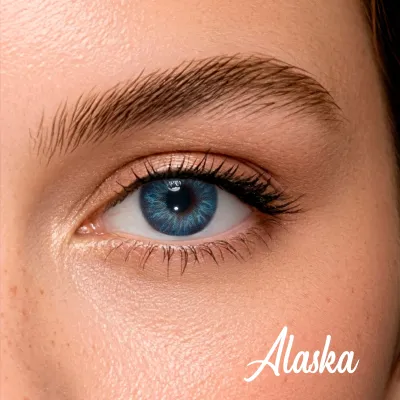
Claro Alaska - Colored Contact Lenses
*{box-sizing:border-box;} .alaska-page{ width:100%; margin:0; padding:0; font-family:Arial,Helvetica,sans-serif; color:#34495e; line-height:…
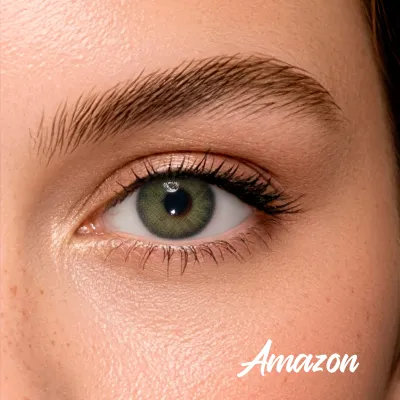
Claro Amazon - Colored Contact Lenses
*{box-sizing:border-box;} .amazon-page{ width:100%; margin:0; padding:0; font-family:Arial,Helvetica,sans-serif; color:#34495e; line-height:…
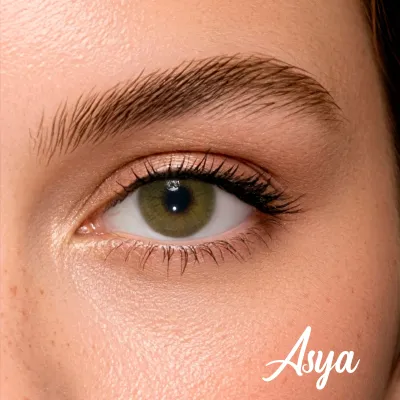
Claro Asya - Colored Contact Lenses
*{box-sizing:border-box;} .asya-page{ width:100%; margin:0; padding:0; font-family:Arial,Helvetica,sans-serif; color:#34495e; line-height:1.…
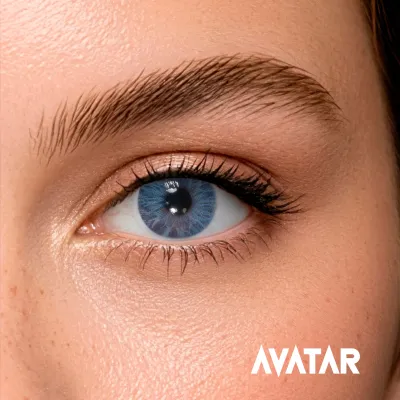
Claro Avatar - Colored Contact Lenses
*{box-sizing:border-box;} .avatar-page{ width:100%; margin:0; padding:0; font-family:Arial,Helvetica,sans-serif; color:#34495e; line-height:…
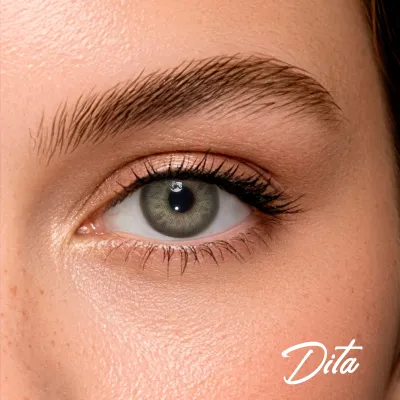
Claro Dita - Colored Contact Lenses
*{box-sizing:border-box;} .dita-page{ width:100%; margin:0; padding:0; font-family:Arial,Helvetica,sans-serif; color:#34495e; line-height:1.…
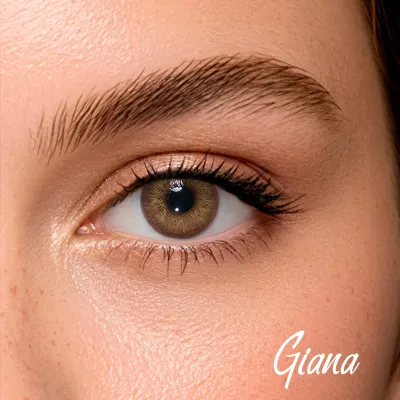
Claro Giana - Colored Contact Lenses
*{box-sizing:border-box;} .giana-page{ width:100%; margin:0; padding:0; font-family:Arial,Helvetica,sans-serif; color:#3b2a1d; line-height:1…
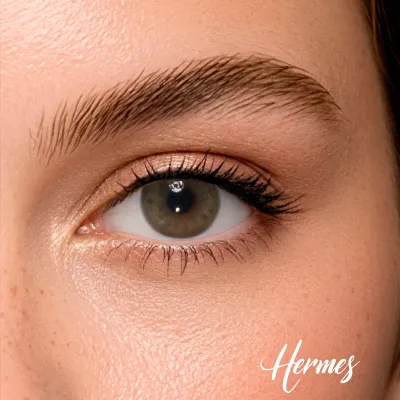
Claro Hermes - Colored Contact Lenses
*{box-sizing:border-box;} .hermes-page{ width:100%; margin:0; padding:0; font-family:Arial,Helvetica,sans-serif; color:#34495e; line-height:…
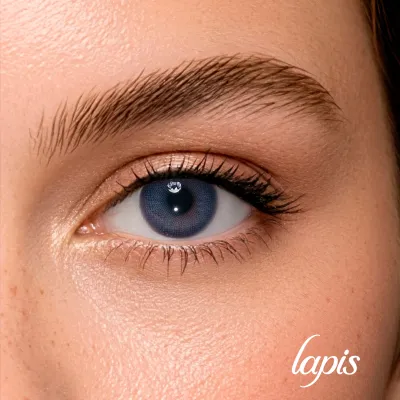
Claro Lapis - Colored Contact Lenses
*{box-sizing:border-box;} .lapis-page{ width:100%; margin:0; padding:0; font-family:Arial,Helvetica,sans-serif; color:#34495e; line-height:1…