



In the realm of cosmetic enhancements, few items offer as dramatic a transformation as black out eyes contacts. These specialized lenses are designed to completely obscure the natural color of your iris, and in some cases, even the sclera (the white part of your eye), creating a truly striking and often unsettling effect. Whether for Halloween, cosplay, theatrical performances, or simply to make a bold fashion statement, understanding these unique colored contact lenses is crucial for both aesthetic impact and, more importantly, eye health.
This comprehensive guide delves into everything you need to know about these captivating eye accessories. From their various types and applications to essential safety protocols and purchasing considerations, we aim to provide a reliable resource for anyone considering incorporating them into their look. Remember, while the visual effect is powerful, proper knowledge and care are paramount to ensure a safe and enjoyable experience.
Exploring the World of Opaque eye lenses
Opaque eye lenses, commonly known as 'black out' contacts, are a distinct category within cosmetic contact lenses. Unlike tinted lenses that merely enhance or subtly change eye color, these lenses feature a solid, non-transparent pigment that completely covers the natural eye color, creating a uniform, often deep black appearance. Their primary purpose is aesthetic, designed to achieve a specific visual effect rather than correct vision.
What Defines a Blackout Lens?
A true blackout lens is characterized by its complete opacity. This means no light passes through the colored portion, ensuring that your natural eye color is entirely hidden. They are typically available in two main forms: iris-obscuring lenses, which cover only the iris, and full-sclera lenses, which extend over the entire visible part of the eye, including the iris and sclera, for an even more dramatic, uniform black look. The materials used are similar to regular soft contact lenses, prioritizing comfort and breathability.
The Visual Impact and Purpose
The visual impact of black out eyes contacts is undeniable. They can transform a person's gaze from ordinary to otherworldly, making them a staple for character transformations. Their purpose extends beyond mere aesthetics; they are tools for storytelling in film, theatre, and cosplay, allowing wearers to embody characters with non-human or intensely dark eyes. For fashion enthusiasts, they offer an edgy, avant-garde accessory that pushes boundaries and challenges conventional beauty standards, creating a focal point that demands attention.
Prioritizing Eye Health with Cosmetic Contact Use
While the allure of a dramatic eye transformation is strong, the health of your eyes must always be the top priority. Cosmetic contact lenses, including black out varieties, are medical devices and should be treated with the same care and respect as corrective lenses. Improper use can lead to serious eye infections, corneal abrasions, and even permanent vision loss.
Potential Risks and How to Mitigate Them
The risks associated with cosmetic contacts include bacterial infections, allergic reactions, corneal ulcers, and oxygen deprivation to the cornea. These risks are significantly heightened when lenses are purchased from unregulated sources, shared with others, or used without proper hygiene. To mitigate these dangers, always buy lenses from reputable retailers, follow strict cleaning and storage guidelines, and never share your lenses. Adhering to the prescribed wearing schedule is also crucial to prevent complications.
The Importance of Professional Eye Examinations
Before purchasing any type of contact lens, including black out eyes contacts, a comprehensive eye examination by a licensed eye care professional is absolutely essential. An optometrist or ophthalmologist will measure your eyes to ensure a proper fit, as ill-fitting lenses can cause discomfort, irritation, and damage to the cornea. They will also assess your eye health to determine if you are a suitable candidate for contact lens wear and provide you with a valid prescription, which is legally required for all contact lenses in many regions.
Choosing Your Ideal Full-Sclera or Iris-Obscuring Design
The market for black out eyes contacts offers a variety of designs, each with its own unique aesthetic and comfort considerations. Making an informed choice involves understanding the differences between lens types, materials, and how they align with your desired visual effect and comfort needs.
Iris vs. Sclera Lenses: Key Differences
Iris-obscuring lenses are smaller, covering only the iris, leaving the white of your eye visible. They are generally easier to insert and more comfortable for extended wear, making them ideal for subtle yet striking effects or for those new to cosmetic contacts. Full-sclera lenses, on the other hand, cover the entire visible eye, creating a truly immersive and often startling black-eyed appearance. While they offer maximum dramatic impact, they require more practice for insertion and removal and may feel less comfortable due to their larger size.
Material and Comfort Considerations
Most black out eyes contacts are made from soft hydrogel or silicone hydrogel materials, which allow oxygen to reach the cornea. Silicone hydrogel lenses generally offer higher oxygen permeability, leading to greater comfort, especially for longer wearing times. However, individual comfort can vary, and what works well for one person might not for another. Always prioritize lenses that feel comfortable and do not cause irritation, and consult your eye care professional if you experience any discomfort.
Matching Lenses to Your Aesthetic Vision
Consider the specific look you aim to achieve. For a demonic, alien, or undead character, full-sclera black out lenses provide an unparalleled level of transformation. For a more subtly unsettling or intensely focused gaze, iris-obscuring lenses might be sufficient. Think about the overall costume or makeup and how the lenses will integrate. Researching images and reviews of different types of black out contacts can help you visualize the final effect and make the best choice for your aesthetic vision.
Essential Care and Hygiene for Theatrical eye wear
Proper care and hygiene are non-negotiable for anyone wearing black out eyes contacts. Neglecting these practices can lead to severe eye infections and damage. Treat your theatrical eye wear with the same diligence as you would any medical device.
Proper Cleaning and Disinfection Protocols
Always wash your hands thoroughly with soap and water and dry them with a lint-free towel before handling your lenses. Use only fresh, sterile contact lens solution recommended by your eye care professional to clean and rinse your lenses after each use. Never use tap water, saliva, or homemade solutions, as these can introduce harmful microorganisms. Rub the lenses gently in the palm of your hand with a few drops of solution to remove debris, then rinse thoroughly before placing them in a clean lens case.
Safe Storage Practices
Store your black out eyes contacts in a clean, disinfected lens case filled with fresh solution. Replace your lens case every three months to prevent bacterial buildup. Never reuse old solution; always discard it and replace it with fresh solution each time you store your lenses. Keep your lens case closed tightly when not in use and store it in a cool, dry place away from direct sunlight or extreme temperatures.
Recognizing When to Replace Your Lenses
All contact lenses have a recommended replacement schedule – daily, weekly, monthly, or annually. Adhere strictly to this schedule, even if your lenses still feel comfortable. Overdue lenses can accumulate protein deposits, become less breathable, and increase the risk of infection. If your lenses become torn, scratched, or cause any discomfort, immediately remove and discard them. Do not attempt to repair damaged lenses.
Navigating the Purchase of Quality Special Effect Contacts
Purchasing black out eyes contacts requires careful consideration to ensure you receive safe, high-quality products. The market is flooded with options, but not all sources are reliable. Prioritizing reputable vendors is key to protecting your eye health.
The Necessity of a Valid Prescription
In many countries, including the United States and within the EU, it is illegal to sell any type of contact lens, including plano (non-corrective) cosmetic lenses, without a valid prescription from an eye care professional. This regulation is in place to protect consumers from the dangers of ill-fitting or unsterile lenses. Always be wary of retailers who do not require a prescription, as they are likely operating outside legal and safety standards.
Identifying Reputable Online Retailers (e.g., Opticzade)
When seeking to buy black out eyes contacts, look for online retailers that clearly state their requirement for a prescription and provide contact information for customer support. Reputable stores, such as Opticzade, specialize in colored contact lenses and often have detailed product descriptions, clear return policies, and positive customer reviews. They source their lenses from certified manufacturers, ensuring product quality and safety. Avoid marketplaces that allow third-party sellers without strict vetting, as these can be sources of counterfeit or unregulated products.
Understanding Pricing and Value
The price of black out eyes contacts can vary significantly based on type (iris vs. sclera), brand, and replacement schedule. While it might be tempting to opt for the cheapest option, remember that price often reflects quality and safety standards. Investing in slightly more expensive lenses from a trusted retailer is a small price to pay for the health and integrity of your eyes. Consider the longevity of the lenses; annual lenses might have a higher upfront cost but offer better value over time compared to daily disposables if used frequently.
Creative Applications and Styling with All-Black Lenses
Beyond their safety and purchasing aspects, black out eyes contacts truly shine in their creative applications. They are powerful tools for self-expression and character development, offering endless possibilities for unique styling.
Enhancing Costume and Cosplay Characters
For cosplayers and costume enthusiasts, black out lenses are indispensable. They can instantly transform a human eye into something alien, demonic, robotic, or undead, adding an unparalleled layer of authenticity to a character. Whether portraying a vampire, a zombie, a sci-fi creature, or a fantasy villain, these lenses provide a crucial visual element that completes the illusion and immerses the audience.
Integrating into Unique Fashion Statements
Beyond costumes, black out contacts can be integrated into avant-garde fashion and alternative styles. They offer a bold, edgy statement that challenges conventional beauty norms. Paired with specific makeup looks, hairstyles, and clothing, they can create a cohesive and striking aesthetic that sets the wearer apart. This is about using the eyes as a canvas for artistic expression, pushing boundaries in personal style.
Makeup Tips for Dramatic Eye Effects
When wearing black out eyes contacts, makeup can significantly enhance the overall dramatic effect. Consider using dark, smoky eyeshadows, sharp eyeliner, and defined brows to complement the intensity of the lenses. For full-sclera lenses, ensure your makeup doesn't interfere with the lens edges during application. Experiment with contrasting colors on the rest of your face to draw even more attention to your eyes, or keep the rest of your makeup minimal for a stark, impactful look.
Understanding the Regulations and Responsible Use of Cosmetic Lenses
The global market for cosmetic contact lenses is regulated to varying degrees, but the underlying principle remains consistent: these are medical devices. Responsible use extends beyond personal hygiene to understanding the legal and ethical framework surrounding their distribution and use.
Legal Requirements for Cosmetic Contact Lenses
In many regions, including the United States, Canada, the European Union, and Australia, all contact lenses, whether corrective or cosmetic, are classified as medical devices and require a prescription from an eye care professional. This means that retailers are legally obligated to verify a valid prescription before selling any lenses. These regulations are designed to protect public health by ensuring that lenses are properly fitted and safe for use, preventing the sale of potentially harmful products.
Avoiding Counterfeit and Unsafe Products
The demand for black out eyes contacts has unfortunately led to a proliferation of counterfeit and unsafe products, particularly from unregulated online vendors or street vendors. These products often lack proper sterilization, are made from low-quality materials, or are incorrectly sized, posing severe risks to eye health. Always purchase from established and reputable sources that adhere to medical device regulations and require a prescription. Be skeptical of prices that seem too good to be true, as they often indicate a compromise on safety and quality.
Empowering Informed Decisions
Ultimately, the responsibility for safe contact lens wear lies with the individual. By understanding the risks, adhering to professional advice, following strict hygiene protocols, and purchasing from verified sources like Opticzade, you empower yourself to make informed decisions. This approach not only ensures your eye health but also allows you to fully enjoy the transformative and creative potential of black out eyes contacts without unnecessary worry.
Sıkça Sorulan Sorular
Are black out eyes contacts safe to wear?
Do I need a prescription for black out eyes contacts?
How long can I wear opaque cosmetic lenses?
What's the difference between iris and sclera black out lenses?
How do I clean and store my special effect contact lenses?
Konuyla ilgili öne çıkan ürünler
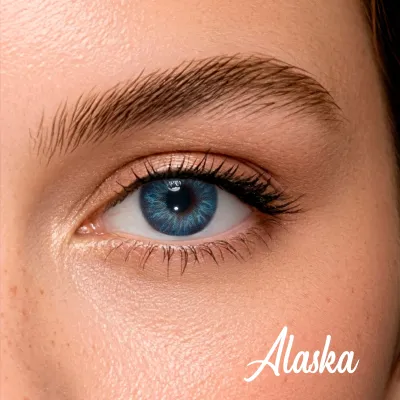
Claro Alaska - Colored Contact Lenses
*{box-sizing:border-box;} .alaska-page{ width:100%; margin:0; padding:0; font-family:Arial,Helvetica,sans-serif; color:#34495e; line-height:…
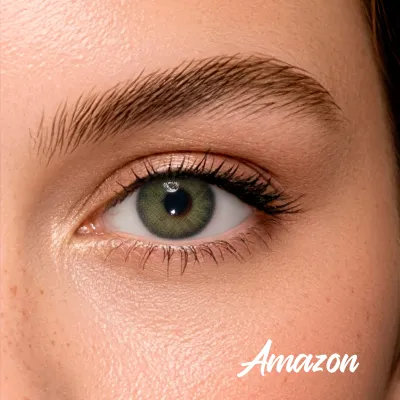
Claro Amazon - Colored Contact Lenses
*{box-sizing:border-box;} .amazon-page{ width:100%; margin:0; padding:0; font-family:Arial,Helvetica,sans-serif; color:#34495e; line-height:…
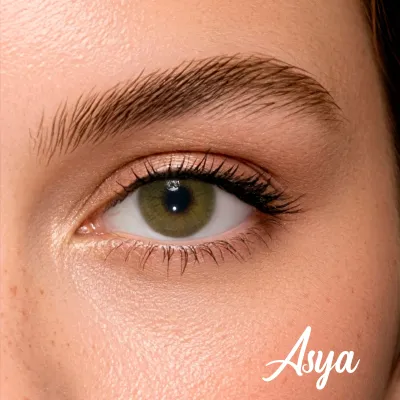
Claro Asya - Colored Contact Lenses
*{box-sizing:border-box;} .asya-page{ width:100%; margin:0; padding:0; font-family:Arial,Helvetica,sans-serif; color:#34495e; line-height:1.…
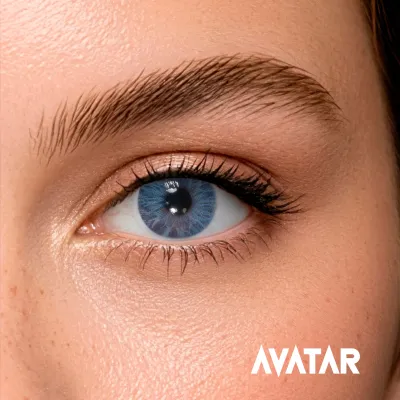
Claro Avatar - Colored Contact Lenses
*{box-sizing:border-box;} .avatar-page{ width:100%; margin:0; padding:0; font-family:Arial,Helvetica,sans-serif; color:#34495e; line-height:…
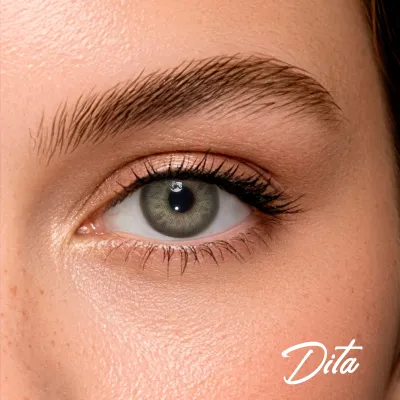
Claro Dita - Colored Contact Lenses
*{box-sizing:border-box;} .dita-page{ width:100%; margin:0; padding:0; font-family:Arial,Helvetica,sans-serif; color:#34495e; line-height:1.…
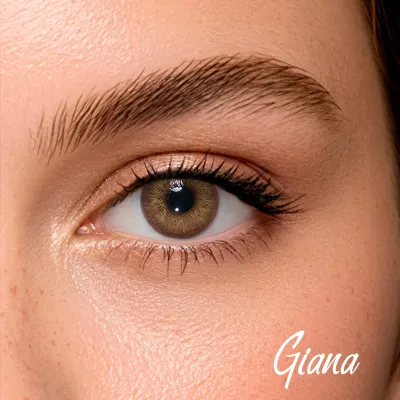
Claro Giana - Colored Contact Lenses
*{box-sizing:border-box;} .giana-page{ width:100%; margin:0; padding:0; font-family:Arial,Helvetica,sans-serif; color:#3b2a1d; line-height:1…
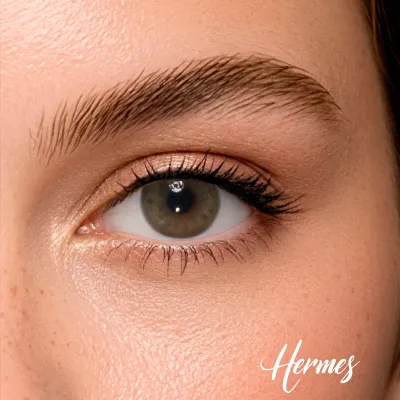
Claro Hermes - Colored Contact Lenses
*{box-sizing:border-box;} .hermes-page{ width:100%; margin:0; padding:0; font-family:Arial,Helvetica,sans-serif; color:#34495e; line-height:…
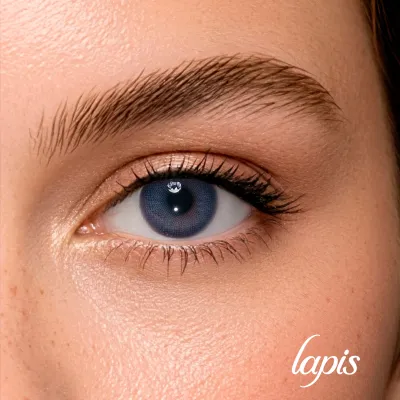
Claro Lapis - Colored Contact Lenses
*{box-sizing:border-box;} .lapis-page{ width:100%; margin:0; padding:0; font-family:Arial,Helvetica,sans-serif; color:#34495e; line-height:1…