



All black eye contacts have emerged as a powerful tool for self-expression, offering a dramatic and often mysterious aesthetic. Whether for cosplay, Halloween, theatrical performances, or simply to make a bold fashion statement, these specialized cosmetic lenses can transform one's appearance in an instant. However, navigating the world of highly pigmented contact lenses requires more than just an appreciation for their visual impact. It demands a thorough understanding of their types, proper usage, and, critically, the health considerations involved. This comprehensive guide aims to equip you with the knowledge needed to explore the allure of all black eye contacts safely and effectively, ensuring both a stunning look and optimal eye health.
From understanding the different designs that create various effects to the crucial steps for maintaining hygiene and ensuring a proper fit, we delve into every aspect. Our goal is to provide a reliable resource that balances the desire for aesthetic transformation with the paramount importance of eye care, guiding you through selection, application, and maintenance with expert advice.
The Unique Allure of Completely Dark eye lenses
The appeal of completely dark eye lenses lies in their unparalleled ability to create a striking and often otherworldly gaze. Unlike subtle color enhancements, these opaque lenses completely mask the natural iris color, replacing it with an intense, uniform black. This dramatic effect can evoke a sense of mystery, intensity, or even a fantastical quality, making them a favorite among those looking to drastically alter their appearance for specific occasions or personal style.
Their popularity spans various subcultures and mainstream trends, from gothic fashion and alternative aesthetics to the vibrant communities of cosplayers and Halloween enthusiasts. The stark contrast they create against skin tones and hair colors can be incredibly captivating, drawing immediate attention to the eyes and serving as a focal point for an entire look. This transformative power is what sets all black eye contacts apart, offering a unique opportunity to embody different personas or simply experiment with a radically different visual identity.
The visual impact is achieved through advanced pigmentation techniques that ensure full opacity, preventing any of the natural eye color from showing through. This meticulous design is key to delivering the consistent, deep black hue that users seek, providing a truly immersive and dramatic eye transformation.
Understanding Different Varieties of Opaque black contacts
The term "all black eye contacts" encompasses a range of designs and materials, each offering distinct visual effects and wear experiences. While the primary goal is a uniformly dark appearance, variations exist in how much of the eye they cover and the materials they are made from, influencing both aesthetics and comfort. It's important to recognize that these are a specialized subset within the broader category of colored contact lenses.
Full Sclera vs. Iris-Covering Designs
One of the most significant distinctions among deeply pigmented cosmetic lenses is the extent of eye coverage. Traditional iris-covering designs are similar in size to regular contact lenses, covering only the iris and pupil. These create the effect of a larger, darker iris, offering a dramatic but contained transformation.
In contrast, full sclera lenses are much larger, designed to cover the entire visible white part of the eye (the sclera) in addition to the iris and pupil. This creates an incredibly intense and often startling effect, making the entire eye appear uniformly black. While visually impactful, sclera lenses require a precise fit and can take some getting used to due to their larger size and potential impact on peripheral vision. They are typically reserved for special events, theatrical productions, or professional cosplay.
Material and Wear Duration
Like other contact lenses, opaque black varieties are available in different materials and wear schedules. The most common materials are hydrogel and silicone hydrogel, both designed for breathability and comfort. Silicone hydrogel lenses generally offer higher oxygen permeability, which can be beneficial for extended wear.
- Daily Disposables: Offer maximum convenience and hygiene, as a fresh pair is used each day. Ideal for occasional use.
- Bi-weekly or Monthly Lenses: Designed for repeated use over a specified period, requiring daily cleaning and proper storage.
The choice of material and wear duration should align with your lifestyle, frequency of use, and, most importantly, the recommendations of your eye care professional.
Prioritizing Eye Health with Cosmetic Lens Use
While the aesthetic appeal of all black eye contacts is undeniable, their use must always be secondary to maintaining optimal eye health. These are medical devices, regardless of their cosmetic purpose, and improper handling or selection can lead to serious complications. Adhering to strict safety guidelines and professional advice is not just recommended; it's essential.
The Importance of Professional Eye Examinations
A common misconception is that cosmetic lenses, especially those without vision correction, do not require a prescription or an eye exam. This is unequivocally false. In many regions, including the United States, it is illegal to sell contact lenses without a valid prescription. An optometrist or ophthalmologist must measure your eyes to determine the correct base curve and diameter for a proper fit. An ill-fitting lens, whether too tight or too loose, can cause discomfort, corneal abrasions, oxygen deprivation, and increase the risk of infections.
Beyond fit, a professional eye exam assesses your overall eye health, ruling out any pre-existing conditions that might make contact lens wear unsafe. They can also educate you on proper insertion, removal, and care techniques, which are vital for preventing complications.
Recognizing and Avoiding Potential Risks
Wearing any type of contact lens carries inherent risks, which are amplified when lenses are purchased from unregulated sources or used improperly. Potential risks associated with opaque black contacts include:
- Eye Infections: Caused by bacteria, fungi, or amoebae, often due to poor hygiene or contaminated lenses/solutions.
- Corneal Abrasions or Ulcers: Resulting from ill-fitting lenses, foreign bodies trapped under the lens, or prolonged wear.
- Allergic Reactions: To lens materials or care solutions.
- Reduced Oxygen Flow: Leading to corneal swelling, redness, and discomfort, especially with older or less breathable lens materials.
- Vision Impairment: Temporary blurriness or, in severe cases of infection or damage, permanent vision loss.
To avoid these risks, always obtain a prescription, purchase from reputable sources, follow all care instructions diligently, and never share your lenses with others. If you experience any redness, pain, excessive tearing, or sudden vision changes, remove your lenses immediately and consult an eye care professional.
Guidance on Choosing the Perfect Dark Cosmetic Lenses
Selecting the ideal pair of dark cosmetic lenses involves more than just picking a color. It requires careful consideration of comfort, fit, desired aesthetic, and the reputation of the manufacturer. Making an informed choice ensures both a striking appearance and a comfortable, healthy wearing experience.
Assessing Comfort and Fit
Comfort is paramount for any contact lens. An eye care professional will determine your specific measurements, including the base curve (the curvature of the lens) and diameter (the width of the lens). These measurements ensure the lens sits properly on your eye, allowing for adequate tear exchange and oxygen flow. An improperly fitting lens can cause irritation, dryness, and even damage to the cornea. Never guess your size or rely on generic measurements; a professional fitting is non-negotiable.
Considering Opacity and Design
While the goal is "all black," the level of opacity can vary slightly between brands. Some lenses offer a denser, more uniform black, while others might have a subtle, almost imperceptible pattern or a slightly softer edge. Consider how dramatic you want the effect to be. If you have very light eyes, you might need a lens with higher opacity to completely mask your natural color. For full sclera lenses, the design will dictate how much of the white of your eye is covered and the overall impact.
Brand Reputation and Quality Standards
The market for all black eye contacts includes many manufacturers, but not all adhere to the same quality and safety standards. Opt for brands that are well-established, have positive reviews, and are regulated by health authorities in their respective countries. Reputable brands typically use biocompatible materials and undergo rigorous testing to ensure product safety and performance. Avoiding unknown or suspiciously cheap brands is crucial to protect your eye health.
Essential Care Practices for Extending Lens Lifespan
Proper care and maintenance are fundamental to safe contact lens wear, regardless of whether they are for vision correction or purely cosmetic purposes. Neglecting hygiene can lead to severe eye infections and other complications. Adhering to a strict cleaning and storage regimen is key to ensuring the longevity of your lenses and, more importantly, the health of your eyes.
Proper Cleaning and Disinfection Protocols
For reusable all black eye contacts, meticulous cleaning is non-negotiable. Always wash your hands thoroughly with soap and water and dry them with a lint-free towel before handling your lenses. Use only fresh, sterile contact lens solution recommended by your eye care professional. Never use tap water, saliva, or homemade solutions, as these can introduce harmful microorganisms.
- Rub: Place the lens in the palm of your hand, add a few drops of solution, and gently rub it with your finger for about 10-20 seconds.
- Rinse: Rinse the lens thoroughly with more fresh solution to remove any loosened debris.
- Soak: Place the cleaned lens in a clean lens case filled with fresh disinfecting solution. Ensure the lens is fully submerged.
Always follow the specific instructions provided with your lens solution, as different products may have varying soaking times.
Storage and Replacement Schedules
Your lens case is just as important as your lenses. Clean your lens case daily with fresh solution, let it air dry upside down with the caps off, and replace it every three months to prevent bacterial buildup. Never "top off" old solution with new; always discard old solution and use fresh for each soak.
Adhere strictly to the replacement schedule for your lenses (daily, bi-weekly, monthly). Wearing lenses beyond their recommended lifespan can lead to material breakdown, reduced oxygen permeability, and increased risk of infection. Unless specifically approved by your eye care professional, never sleep in your lenses, as this significantly increases the risk of serious eye complications.
Navigating the Purchase of Quality Blackout Eye Accessories
Acquiring authentic and safe all black eye contacts is a critical step in ensuring a positive experience. The market is flooded with various options, but not all sources are reliable. Knowing where and how to purchase these blackout eye accessories responsibly is vital for your eye health and satisfaction.
Identifying Reputable Online and Brick-and-Mortar Retailers
The safest places to purchase all black eye contacts are from licensed optical stores, optometrists' offices, or reputable online retailers that require a valid prescription. These sources are regulated and committed to selling genuine, FDA-approved (or equivalent regulatory body approved) products. Reputable retailers, like those committed to eye health and quality standards, ensure you receive genuine products. Look for platforms that prioritize customer safety and offer clear guidance on prescriptions and lens care. Avoid gas stations, beauty supply stores, novelty shops, or unauthorized online marketplaces, as these often sell illegal, unapproved, or counterfeit lenses that pose significant health risks.
When shopping online, check for clear contact information, transparent return policies, and customer service that can answer questions about product specifications and safety. Look for websites that explicitly state their requirement for a prescription before purchase.
Verifying Authenticity and Product Information
Once you receive your lenses, always inspect the packaging. Look for tamper-evident seals, clear expiration dates, and manufacturer information. Genuine products will have professional packaging and detailed instructions for use and care. Be wary of products with misspelled words, poor printing quality, or a lack of regulatory approval symbols.
If you have any doubts about the authenticity of your lenses, do not wear them. Contact the retailer or manufacturer directly to verify. Counterfeit lenses may use inferior materials, contain toxic dyes, or have incorrect parameters, all of which can severely harm your eyes.
In conclusion, all black eye contacts offer an exciting avenue for personal expression and dramatic transformation. However, this journey must be undertaken with a strong commitment to eye health and safety. By prioritizing professional eye examinations, choosing reputable products, and diligently following care instructions, you can confidently achieve your desired look while safeguarding your precious vision. Remember, your eyes are invaluable; treat them with the care and respect they deserve.
Sıkça Sorulan Sorular
Are all black eye contacts safe to wear?
Do I need a prescription for cosmetic black contact lenses?
How do I choose the right size and fit for dark cosmetic lenses?
What is the proper way to clean and store reusable black contact lenses?
Where can I buy authentic and safe all black eye contacts?
Konuyla ilgili öne çıkan ürünler

Claro Alaska - Colored Contact Lenses
*{box-sizing:border-box;} .alaska-page{ width:100%; margin:0; padding:0; font-family:Arial,Helvetica,sans-serif; color:#34495e; line-height:…
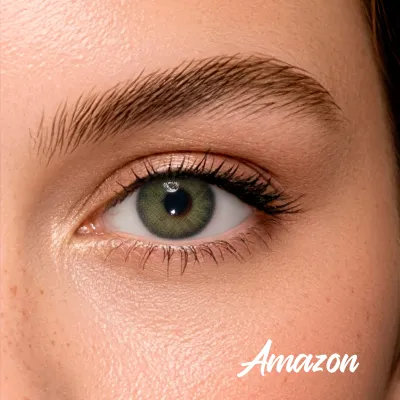
Claro Amazon - Colored Contact Lenses
*{box-sizing:border-box;} .amazon-page{ width:100%; margin:0; padding:0; font-family:Arial,Helvetica,sans-serif; color:#34495e; line-height:…
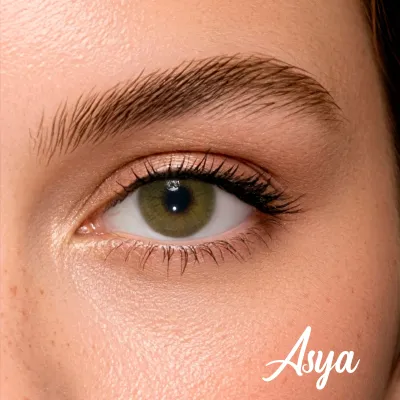
Claro Asya - Colored Contact Lenses
*{box-sizing:border-box;} .asya-page{ width:100%; margin:0; padding:0; font-family:Arial,Helvetica,sans-serif; color:#34495e; line-height:1.…

Claro Avatar - Colored Contact Lenses
*{box-sizing:border-box;} .avatar-page{ width:100%; margin:0; padding:0; font-family:Arial,Helvetica,sans-serif; color:#34495e; line-height:…
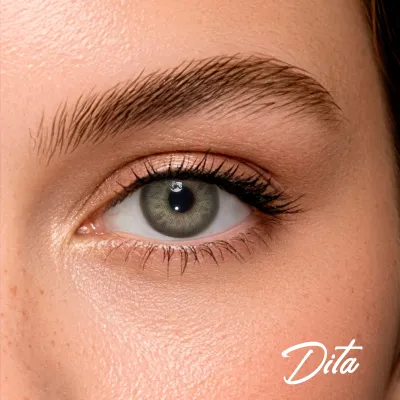
Claro Dita - Colored Contact Lenses
*{box-sizing:border-box;} .dita-page{ width:100%; margin:0; padding:0; font-family:Arial,Helvetica,sans-serif; color:#34495e; line-height:1.…
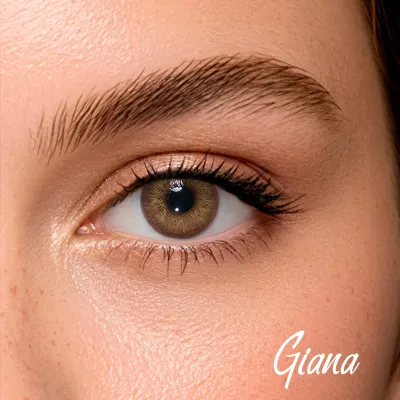
Claro Giana - Colored Contact Lenses
*{box-sizing:border-box;} .giana-page{ width:100%; margin:0; padding:0; font-family:Arial,Helvetica,sans-serif; color:#3b2a1d; line-height:1…
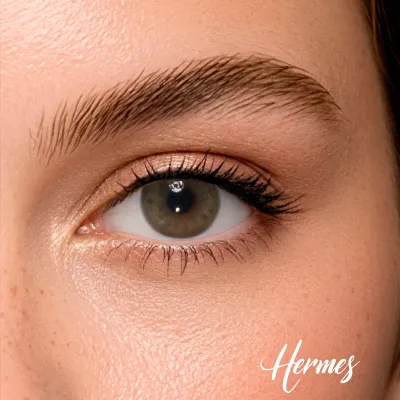
Claro Hermes - Colored Contact Lenses
*{box-sizing:border-box;} .hermes-page{ width:100%; margin:0; padding:0; font-family:Arial,Helvetica,sans-serif; color:#34495e; line-height:…
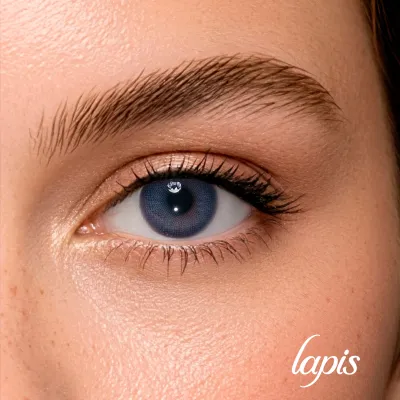
Claro Lapis - Colored Contact Lenses
*{box-sizing:border-box;} .lapis-page{ width:100%; margin:0; padding:0; font-family:Arial,Helvetica,sans-serif; color:#34495e; line-height:1…