



Exploring the Appeal of Dark-Toned Eye Enhancements
The desire to alter or enhance one's natural eye color has led to a significant surge in the popularity of cosmetic lenses. Among the myriad of choices, those designed to impart a dark, often intense, hue stand out for their striking visual impact. These specialized lenses offer a unique way to transform one's appearance, ranging from subtle definition to a dramatic, captivating gaze. Unlike traditional corrective lenses, the primary function here is aesthetic, allowing individuals to experiment with a bolder, more profound eye color. This guide delves into the nuances of these fascinating ocular accessories, providing essential information for both newcomers and experienced users.
The Allure of a Bold Gaze
Many individuals are drawn to the profound depth and intensity that dark-toned lenses can add to their eyes. Whether it's to create a mysterious aura, complement a specific makeup look, or simply to stand out, the appeal is undeniable. For those with lighter eyes, these lenses offer a complete transformation, while individuals with naturally darker eyes can achieve an even more pronounced and captivating effect. The ability to dramatically change one's eye color with ease makes them a popular choice for fashion enthusiasts, performers, and anyone looking to make a distinct visual statement.
Beyond Natural Eye Color Transformation
While some cosmetic lenses aim for a natural enhancement, dark-hued options often push the boundaries further. They are not just about changing color; they are about creating an entirely new aesthetic. This can involve not only a shift in hue but also an alteration in the perceived size and definition of the iris, thanks to various design patterns and limbal rings. Understanding these visual effects is crucial for selecting a pair that aligns with your desired outcome, whether it’s for daily wear, a special event, or a thematic costume.
Understanding Different Styles and Effects
The market for colored contact lenses, including those with dark pigmentation, is incredibly diverse, offering a wide array of styles to suit different preferences and occasions. From lenses that subtly deepen your natural eye color to those that completely mask it with an opaque, solid shade, the options are vast. Each style is designed to achieve a particular visual effect, and understanding these distinctions is key to making an informed choice that meets your aesthetic goals.
Subtle Enhancements for Daily Wear
For those seeking a less dramatic change, subtle dark-toned lenses can provide a refined enhancement. These often feature translucent tints or intricate patterns that blend with your natural eye color, adding depth and definition without appearing overtly artificial. They are ideal for everyday use, professional settings, or for individuals who prefer a more understated yet noticeable alteration to their appearance. Such lenses might include a dark limbal ring to make the eyes appear larger and more defined, offering a captivating yet natural look.
Dramatic Looks for Special Occasions
When the goal is to make a bold statement, highly opaque dark lenses are the go-to option. These lenses are designed to completely cover your natural eye color, delivering an intense, striking effect. They are particularly popular for parties, photo shoots, or any event where a memorable visual impact is desired. The deep, rich pigmentation ensures that your eyes become a focal point, creating a powerful and unforgettable impression. These can range from solid dark shades to patterns that mimic exotic eye colors with a dark base.
Character-Inspired Designs for Cosplay
Beyond everyday fashion and special events, dark cosmetic lenses play a crucial role in the world of cosplay and theatrical performances. Many characters, particularly those from fantasy, sci-fi, or horror genres, feature eyes that are unnaturally dark, solid, or possess unique patterns. Specialized lenses cater to this niche, offering designs that replicate specific character aesthetics, from completely opaque dark eyes to those with intricate, non-human patterns. These lenses are essential tools for bringing fictional characters to life with authenticity and visual accuracy.
Essential Safety Guidelines for Ocular Accessories
While the aesthetic appeal of colored contact lenses is undeniable, their use is not without important health considerations. As medical devices, all contact lenses, whether corrective or purely cosmetic, carry inherent risks if not used properly. Prioritizing eye health and safety should always be paramount. Ignoring proper guidelines can lead to serious eye infections, corneal damage, and even permanent vision impairment. It is crucial to approach the use of these accessories with diligence and responsibility.
The Critical Role of a Prescription
A common misconception is that cosmetic lenses, especially those without vision correction, do not require a prescription. This is absolutely false. In many countries, including the United States, all contact lenses are classified as medical devices and require a valid prescription from an eye care professional. An optometrist or ophthalmologist will measure your eyes to ensure a proper fit, assess your eye health, and provide a prescription that specifies the correct base curve and diameter. An ill-fitting lens can cause discomfort, scratches on the cornea, and restrict oxygen flow to the eye, leading to severe complications.
Recognizing Potential Risks
Improper use of any contact lens can lead to a range of complications. These include:
- Corneal Abrasions: Scratches on the surface of the eye, often from ill-fitting lenses or foreign particles.
- Conjunctivitis: Inflammation of the conjunctiva, commonly known as pink eye.
- Corneal Ulcers: Open sores on the cornea, which can be extremely painful and lead to vision loss if untreated.
- Keratitis: Inflammation of the cornea, often caused by bacterial, fungal, or amoebic infections.
- Hypoxia: Reduced oxygen supply to the cornea, leading to swelling and discomfort.
These risks underscore the importance of professional guidance and strict adherence to care instructions.
Hygiene Protocols for Healthy Eyes
Maintaining impeccable hygiene is non-negotiable when handling contact lenses. Always wash your hands thoroughly with soap and water and dry them with a lint-free towel before touching your lenses. Use only fresh, sterile contact lens solution recommended by your eye care professional for cleaning and storing. Never use tap water, saliva, or any other liquid not specifically designed for contact lenses. Replace your lens case regularly, typically every three months, to prevent bacterial buildup. Adhering to these protocols significantly reduces the risk of infection.
Selecting the Right Pair for Your Needs
Choosing the ideal pair of dark-toned contact lenses involves more than just picking a color. Several critical factors contribute to comfort, safety, and the desired aesthetic outcome. A thoughtful selection process, guided by professional advice, ensures a positive experience and protects your eye health. Considering aspects like material, wear schedule, and brand reputation will empower you to make an informed decision.
Material and Comfort Considerations
Contact lenses are made from various materials, primarily hydrogel and silicone hydrogel. Silicone hydrogel lenses generally allow more oxygen to reach the eye, making them more comfortable for extended wear. However, some individuals may find traditional hydrogel lenses softer. Discussing material options with your eye care professional is vital, especially if you have sensitive eyes or suffer from dry eye syndrome. The right material can significantly impact your comfort throughout the day.
Wear Duration and Replacement Schedules
Lenses come with different wear schedules: daily disposables, bi-weekly, or monthly. Daily disposables are often considered the most hygienic option as they are discarded after each use, eliminating the need for cleaning and storage. Bi-weekly and monthly lenses require rigorous cleaning and disinfection routines. Never extend the recommended wear duration for any lens, as this increases the risk of complications. Adhering to the replacement schedule is crucial for maintaining eye health and lens performance.
Brand Reputation and Quality Assurance
When purchasing colored contact lenses, especially dark-hued varieties, the brand's reputation is a significant indicator of quality and safety. Opt for established manufacturers known for their rigorous testing, quality control, and adherence to health standards. Reputable brands provide clear instructions, use safe materials, and often have a history of positive user feedback. Avoid unknown or suspiciously cheap brands, as these may compromise on safety and quality, potentially leading to adverse eye reactions.
Proper Handling and Maintenance Practices
The longevity, comfort, and safety of your colored contact lenses heavily depend on how well you handle and maintain them. Establishing a consistent and correct routine for insertion, removal, cleaning, and storage is fundamental. These practices prevent contamination, preserve the integrity of the lenses, and protect your eyes from potential harm. Think of it as a crucial part of your daily eye care regimen.
Step-by-Step Insertion Techniques
- Wash Hands: Always start with thoroughly washed and dried hands.
- Check Lens: Ensure the lens is not inside out (it should look like a perfect bowl) and free from any tears or debris.
- Position Lens: Place the lens on the tip of your dominant index finger.
- Open Eye: Use your other hand to hold your upper eyelid open and your middle finger of the dominant hand to pull down your lower eyelid.
- Insert: Look straight ahead or slightly upwards and gently place the lens directly onto your cornea.
- Blink: Slowly release your eyelids and blink gently to allow the lens to settle.
If you experience discomfort, remove the lens, rinse it with fresh solution, and reinsert.
Safe Removal Procedures
- Wash Hands: Again, ensure hands are clean and dry.
- Look Up: Look upwards and pull down your lower eyelid with your middle finger.
- Slide Lens: With the pad of your index finger, gently slide the lens down to the white part of your eye.
- Pinch and Remove: Gently pinch the lens between your thumb and index finger and remove it from your eye.
Avoid using fingernails, which can scratch both the lens and your eye.
Cleaning and Storage Best Practices
For reusable lenses (bi-weekly or monthly), cleaning is vital:
- Clean Immediately: As soon as you remove a lens, place it in the palm of your hand with a few drops of fresh, sterile multipurpose solution.
- Rub Gently: Gently rub the lens with your finger for about 10-20 seconds on each side.
- Rinse: Rinse the lens thoroughly with more fresh solution.
- Store: Place the clean lens in a clean lens case filled with fresh solution, ensuring the lens is fully submerged.
- Replace Solution: Always use fresh solution each time you store your lenses; never 'top off' old solution.
- Case Replacement: Replace your lens case every 1-3 months.
Navigating Purchase Options and Reputable Providers
Acquiring cosmetic contact lenses, particularly those designed for dramatic color changes, requires careful consideration of where and how you purchase them. The market is flooded with options, but not all sources adhere to the necessary safety and quality standards. Ensuring you buy from a reputable provider is fundamental to protecting your eye health and guaranteeing the authenticity and safety of the product.
Why a Professional Consultation is Key
As previously emphasized, a professional eye examination and a valid prescription are non-negotiable. Your optometrist or ophthalmologist will not only measure your eyes for proper fit but also assess your overall eye health to determine if you are a suitable candidate for contact lens wear. They can also recommend specific brands or types of colored contact lenses that are best suited for your eyes and desired aesthetic, guiding you towards safe and effective choices within the broad category of colored contact lenses.
Evaluating Online Retailers
Online stores offer convenience and often competitive pricing, but vigilance is crucial. When considering an online purchase, look for retailers that:
- Require a valid prescription before completing the sale.
- Are licensed to sell medical devices in your region.
- Clearly state the brand, material, and parameters of the lenses.
- Have transparent return policies and customer service.
- Display positive reviews and testimonials, particularly regarding product authenticity and customer support.
Avoid websites that offer lenses without a prescription or at unusually low prices, as these often sell counterfeit or unsafe products.
Legal Requirements for Cosmetic Lenses
In many countries, including the United States, the sale of all contact lenses, including purely cosmetic ones, is regulated by health authorities (e.g., FDA). These regulations mandate that lenses are sold only with a valid prescription. This legal framework is in place to protect consumers from the serious health risks associated with improperly fitted or unsterile lenses. Always verify that the retailer complies with these legal requirements to ensure you are purchasing a legitimate and safe product.
Addressing Common Queries About Cosmetic eye lenses
Many individuals have questions and concerns regarding the use of cosmetic contact lenses, especially those that create a striking dark eye effect. Dispelling myths and providing clear, accurate information is vital for promoting safe usage and informed decision-making. This section aims to address some of the most frequently asked questions, offering clarity on common misunderstandings surrounding these popular eye accessories.
Dispelling Myths About Vision Impairment
A common concern is whether colored contact lenses, particularly opaque ones, will obstruct vision. Reputable colored contact lenses are designed with a clear pupil area, ensuring that your vision remains unimpaired. The colored or patterned portion of the lens is only over the iris, not the pupil. While some users might notice a slight tint or halo effect in very dim lighting, especially with lenses that have a thick limbal ring, this is generally minimal and does not significantly hinder vision. Any noticeable obstruction or blurring is a sign of an ill-fitting lens or a defect and should prompt immediate removal and consultation with an eye care professional.
Understanding Color Opacity and Vision
The opacity of a colored lens refers to how much of your natural eye color it covers. Highly opaque dark lenses are designed to completely mask your natural iris color, creating a dramatic and uniform dark appearance. Despite this high opacity, the central part of the lens, which sits over your pupil, remains clear to allow for unobstructed vision. It's important to understand that while the color change can be significant, it does not mean your vision will be colored or darkened. The technology ensures that the aesthetic effect is achieved without compromising visual clarity, provided the lenses are correctly fitted and worn.
Sıkça Sorulan Sorular
Do I need a prescription for black contacts or any colored contact lenses?
Can dark-toned cosmetic lenses harm my vision?
How do I properly clean and store reusable colored contact lenses?
Where is the safest place to buy colored contact lenses?
Will dark cosmetic lenses obstruct my peripheral vision?
Konuyla ilgili öne çıkan ürünler
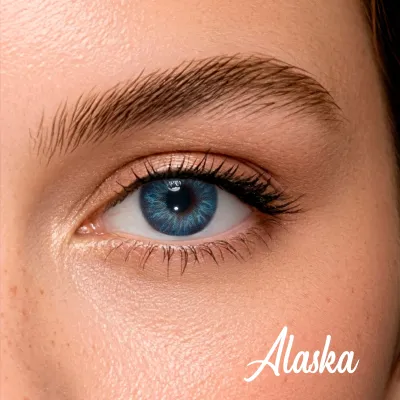
Claro Alaska - Colored Contact Lenses
*{box-sizing:border-box;} .alaska-page{ width:100%; margin:0; padding:0; font-family:Arial,Helvetica,sans-serif; color:#34495e; line-height:…
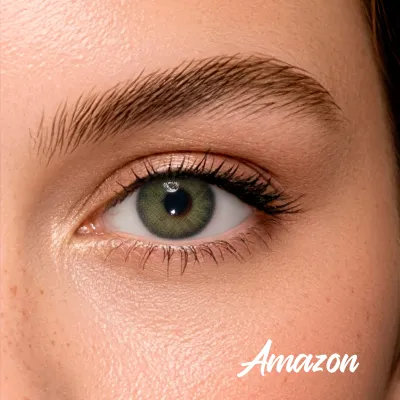
Claro Amazon - Colored Contact Lenses
*{box-sizing:border-box;} .amazon-page{ width:100%; margin:0; padding:0; font-family:Arial,Helvetica,sans-serif; color:#34495e; line-height:…
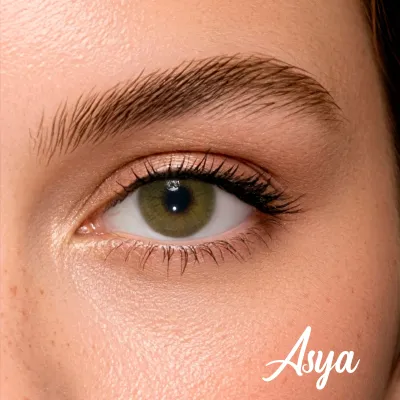
Claro Asya - Colored Contact Lenses
*{box-sizing:border-box;} .asya-page{ width:100%; margin:0; padding:0; font-family:Arial,Helvetica,sans-serif; color:#34495e; line-height:1.…

Claro Avatar - Colored Contact Lenses
*{box-sizing:border-box;} .avatar-page{ width:100%; margin:0; padding:0; font-family:Arial,Helvetica,sans-serif; color:#34495e; line-height:…
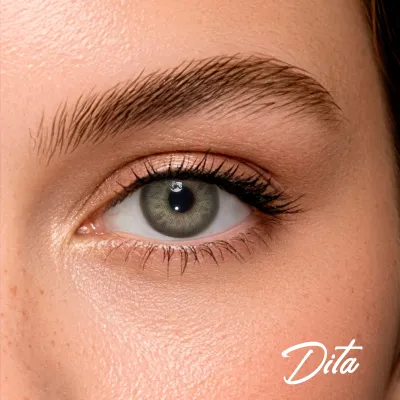
Claro Dita - Colored Contact Lenses
*{box-sizing:border-box;} .dita-page{ width:100%; margin:0; padding:0; font-family:Arial,Helvetica,sans-serif; color:#34495e; line-height:1.…
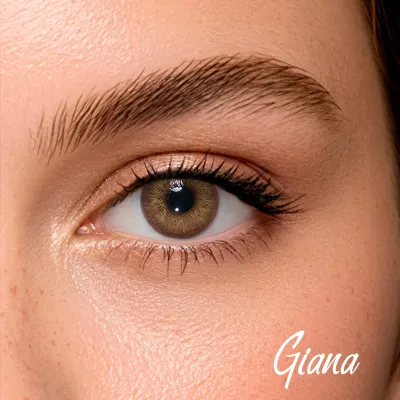
Claro Giana - Colored Contact Lenses
*{box-sizing:border-box;} .giana-page{ width:100%; margin:0; padding:0; font-family:Arial,Helvetica,sans-serif; color:#3b2a1d; line-height:1…
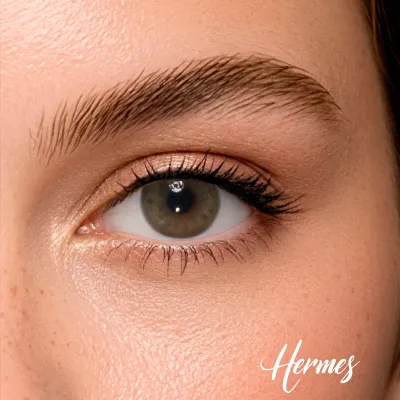
Claro Hermes - Colored Contact Lenses
*{box-sizing:border-box;} .hermes-page{ width:100%; margin:0; padding:0; font-family:Arial,Helvetica,sans-serif; color:#34495e; line-height:…
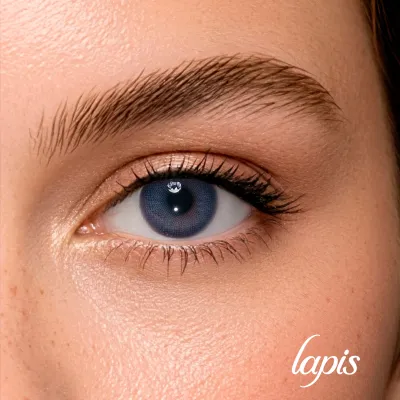
Claro Lapis - Colored Contact Lenses
*{box-sizing:border-box;} .lapis-page{ width:100%; margin:0; padding:0; font-family:Arial,Helvetica,sans-serif; color:#34495e; line-height:1…