


-36x36.png)

In an increasingly visual world, the importance of clear sight and healthy eyes cannot be overstated. Optical products encompass a wide range of devices and accessories designed to correct vision, protect eyes, and enhance visual experiences. From prescription eyeglasses that restore clarity to contact lenses offering freedom from frames, and stylish sunglasses shielding against harmful UV rays, understanding these solutions is key to maintaining optimal eye health. This comprehensive guide, informed by the expertise at Opticzade, delves into the diverse world of optical products, helping you make informed decisions for your unique visual needs.
Understanding Diverse Optical Solutions
The landscape of vision correction and protection is rich with innovation, offering tailored solutions for nearly every individual. Each category of optical product serves a distinct purpose, combining functionality with personal preference and lifestyle considerations.
Eyeglasses: Corrective and Protective
Eyeglasses remain a cornerstone of vision correction, offering a reliable and versatile solution for various refractive errors such as myopia (nearsightedness), hyperopia (farsightedness), astigmatism, and presbyopia. Modern eyeglasses are more than just vision aids; they are fashion statements and protective gear. Lenses can be customized with various coatings, including anti-reflective, scratch-resistant, and blue light filtering options, enhancing comfort and durability. Frames come in an endless array of materials, shapes, and colors, allowing individuals to express their personal style while enjoying clear vision. The choice of frame material, from lightweight titanium to flexible acetate, often depends on comfort, durability, and aesthetic appeal.
Contact Lenses: Freedom and Vision
For those seeking an alternative to eyeglasses, contact lenses provide an excellent option, offering unobstructed peripheral vision and freedom from frames. They are small, thin lenses worn directly on the surface of the eye, correcting refractive errors discreetly. Contact lenses are available in various types, including daily disposables, bi-weekly, and monthly lenses, catering to different wear schedules and hygiene preferences. Beyond conventional clear lenses, a popular category is Colored Contact Lenses. These lenses allow individuals to temporarily change or enhance their natural eye color, offering both cosmetic appeal and vision correction if needed. Whether for a subtle enhancement or a dramatic transformation, colored contacts require the same careful fitting and hygiene practices as clear lenses to ensure eye health and comfort. Specialized contact lenses, such as toric lenses for astigmatism and multifocal lenses for presbyopia, further expand the possibilities for comprehensive vision correction.
Sunglasses: Style Meets UV Protection
Sunglasses are essential for protecting eyes from the sun's harmful ultraviolet (UV) rays, which can contribute to conditions like cataracts and macular degeneration over time. Quality sunglasses block 99-100% of both UVA and UVB radiation. Beyond UV protection, sunglasses reduce glare, improve visual comfort, and can be a significant fashion accessory. Options include polarized lenses, which are particularly effective at reducing glare from reflective surfaces like water and snow, and photochromic lenses, which darken automatically in sunlight. Choosing the right pair involves considering lens color, frame style, and the level of UV protection offered, ensuring both eye safety and personal style are met.
The Science Behind Vision Correction
Understanding how optical products work requires a basic grasp of eye anatomy and the principles of light. Vision correction is a sophisticated process that manipulates light to focus it precisely onto the retina, allowing for clear image formation.
Refractive Errors and Their Impact
Refractive errors occur when the eye cannot properly focus light on the retina, leading to blurred vision. Myopia, or nearsightedness, results when light focuses in front of the retina, making distant objects appear blurry. Hyperopia, or farsightedness, occurs when light focuses behind the retina, causing close-up objects to be blurry. Astigmatism is characterized by an irregularly shaped cornea or lens, leading to distorted or blurry vision at all distances. Presbyopia, an age-related condition, involves the hardening of the eye's natural lens, making it difficult to focus on near objects. These conditions highlight the need for precise optical intervention to restore visual acuity.
How Lenses Work to Restore Clarity
optical lenses, whether in eyeglasses or contact lenses, are precisely curved to bend (refract) light in a specific way before it enters the eye. For myopia, concave lenses (thinner in the middle) are used to diverge light rays, pushing the focal point back onto the retina. For hyperopia, convex lenses (thicker in the middle) are used to converge light rays, pulling the focal point forward onto the retina. Astigmatism is corrected with toric lenses, which have different curvatures in different meridians to compensate for the irregular shape of the eye. Multifocal lenses address presbyopia by incorporating multiple prescriptions into a single lens, allowing for clear vision at various distances. The precision in manufacturing these lenses is paramount to achieving accurate vision correction.
Choosing the Right Optical Product for You
Selecting the ideal optical solution is a personal journey that involves careful consideration of individual needs, lifestyle, and professional guidance. It's not a one-size-fits-all decision, and the best choice often balances functionality, comfort, and aesthetics.
Factors to Consider: Lifestyle and Needs
Your daily activities and personal preferences play a crucial role in determining the most suitable optical product. For active individuals or athletes, contact lenses might offer greater freedom and less obstruction than eyeglasses. Professionals who spend long hours in front of digital screens might benefit from blue light filtering lenses. Those concerned with aesthetics might prefer the subtle change offered by colored contact lenses or a specific frame style. Environmental factors, such as exposure to bright sunlight or dusty conditions, also influence the choice of sunglasses or protective eyewear. It's important to reflect on how you use your eyes throughout the day to make an informed decision.
The Role of Professional Eye Exams
The most critical step in choosing any optical product is undergoing a comprehensive eye examination by a qualified optometrist or ophthalmologist. An eye care professional can accurately diagnose refractive errors, assess overall eye health, and provide precise prescriptions. They can also offer personalized recommendations based on your specific visual requirements, lifestyle, and any underlying eye conditions. Regular eye exams are not only about updating prescriptions but also about detecting potential eye diseases early, ensuring long-term vision preservation. Opticzade emphasizes the importance of professional consultations to guarantee the safety and effectiveness of your chosen optical solution.
Innovations in Optical Technology
The optical industry is continuously evolving, driven by advancements in materials science, digital manufacturing, and smart technologies. These innovations are leading to more comfortable, effective, and convenient vision solutions.
Advanced Lens Materials and Coatings
Modern lenses are made from a variety of advanced materials that offer superior clarity, durability, and lightness. High-index plastics allow for thinner, lighter lenses even for strong prescriptions. Polycarbonate and Trivex are impact-resistant options, ideal for children and active adults. Beyond materials, lens coatings have revolutionized performance. Anti-reflective coatings virtually eliminate glare, improving vision and reducing eye strain. Hydrophobic and oleophobic coatings repel water and oils, making lenses easier to clean. UV-protective coatings are now standard, providing an invisible shield against harmful radiation. These advancements contribute significantly to the comfort and longevity of optical wear.
Smart Eyewear and Future Trends
The future of optical products is increasingly intertwined with smart technology. Smart glasses, while still evolving, aim to integrate digital functionalities like augmented reality displays, fitness tracking, and communication tools directly into eyewear. These devices promise to offer hands-free access to information and enhanced interaction with the digital world. Research into adaptive lenses that can automatically adjust focus, and personalized lens designs created through advanced digital mapping of the eye, are also on the horizon. These innovations suggest a future where optical products are not just corrective but also intelligently integrated tools that enhance daily life and provide real-time information.
Maintaining Your Eye Health and Optical Wear
Proper care and regular maintenance are essential for maximizing the lifespan and effectiveness of your optical products, as well as for safeguarding your overall eye health. Neglecting these aspects can lead to discomfort, infection, or reduced visual clarity.
Best Practices for Lens Care
For eyeglasses, always use a microfiber cloth and approved cleaning solution to wipe lenses, avoiding paper towels or clothing that can scratch surfaces. Store them in a protective case when not in use. For contact lenses, strict adherence to hygiene protocols is paramount. Always wash and dry your hands thoroughly before handling lenses. Use only fresh, sterile contact lens solution for cleaning and storage, never tap water or saliva. Replace your lenses according to the prescribed schedule (daily, bi-weekly, or monthly) to prevent bacterial buildup and reduce the risk of eye infections. Never sleep in lenses unless specifically approved by your eye care professional. These practices ensure the longevity of your lenses and, more importantly, the health of your eyes.
Regular Check-ups for Lasting Vision
Beyond caring for your optical products, regular eye examinations are crucial for maintaining lasting vision. Eye care professionals can monitor changes in your prescription, detect early signs of eye diseases (such as glaucoma, cataracts, or diabetic retinopathy), and provide timely interventions. These check-ups are also an opportunity to discuss any new symptoms, concerns, or advancements in optical technology that might benefit you. Proactive eye care, coupled with the proper use and maintenance of your optical products, forms the foundation for a lifetime of clear and healthy vision. Opticzade is committed to supporting your journey to optimal eye health through quality products and reliable information.
Optical products are indispensable tools that significantly enhance quality of life by correcting vision, protecting eyes, and offering aesthetic choices. From the foundational role of eyeglasses and the versatile freedom of contact lenses, including the expressive appeal of colored contact lenses, to the vital protection offered by sunglasses, each product plays a crucial role. Understanding their purpose, choosing wisely with professional guidance, and committing to proper care ensures that you benefit fully from these essential vision solutions. Prioritizing your eye health with quality products and regular professional care is an investment in your well-being.
Sıkça Sorulan Sorular
What are the main types of optical products available?
How do I choose the right optical product for my lifestyle?
Are colored contact lenses safe to wear?
Why are regular eye exams important even if my vision seems fine?
Konuyla ilgili öne çıkan ürünler
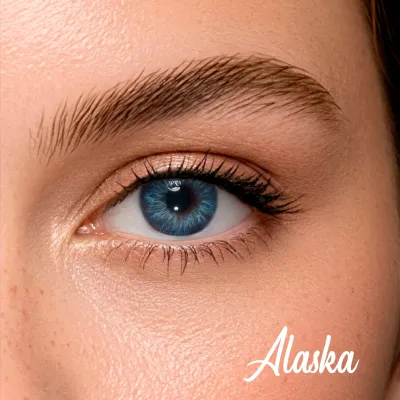
Claro Alaska - Colored Contact Lenses
*{box-sizing:border-box;} .alaska-page{ width:100%; margin:0; padding:0; font-family:Arial,Helvetica,sans-serif; color:#34495e; line-height:…
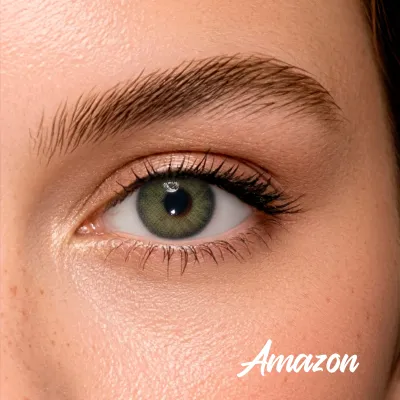
Claro Amazon - Colored Contact Lenses
*{box-sizing:border-box;} .amazon-page{ width:100%; margin:0; padding:0; font-family:Arial,Helvetica,sans-serif; color:#34495e; line-height:…
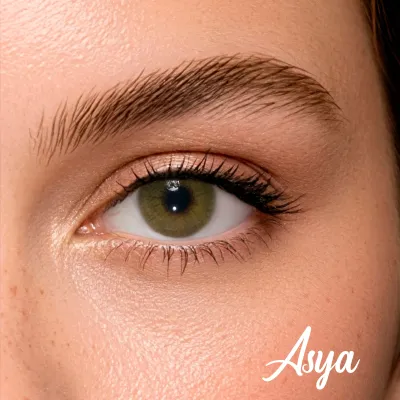
Claro Asya - Colored Contact Lenses
*{box-sizing:border-box;} .asya-page{ width:100%; margin:0; padding:0; font-family:Arial,Helvetica,sans-serif; color:#34495e; line-height:1.…

Claro Avatar - Colored Contact Lenses
*{box-sizing:border-box;} .avatar-page{ width:100%; margin:0; padding:0; font-family:Arial,Helvetica,sans-serif; color:#34495e; line-height:…
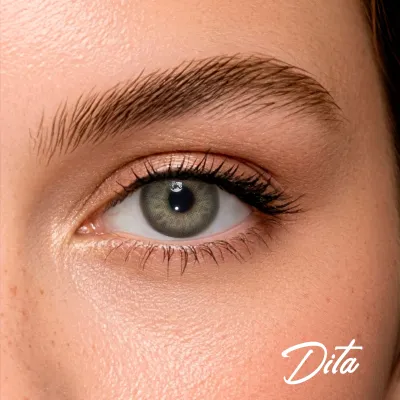
Claro Dita - Colored Contact Lenses
*{box-sizing:border-box;} .dita-page{ width:100%; margin:0; padding:0; font-family:Arial,Helvetica,sans-serif; color:#34495e; line-height:1.…
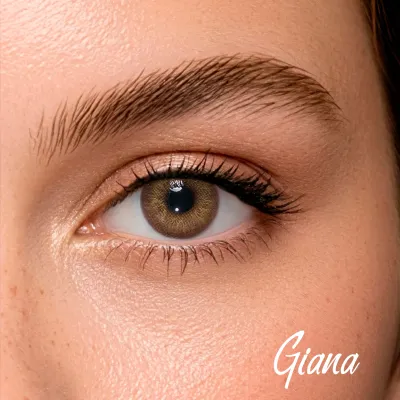
Claro Giana - Colored Contact Lenses
*{box-sizing:border-box;} .giana-page{ width:100%; margin:0; padding:0; font-family:Arial,Helvetica,sans-serif; color:#3b2a1d; line-height:1…
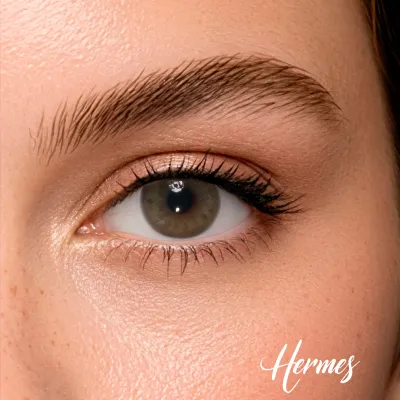
Claro Hermes - Colored Contact Lenses
*{box-sizing:border-box;} .hermes-page{ width:100%; margin:0; padding:0; font-family:Arial,Helvetica,sans-serif; color:#34495e; line-height:…
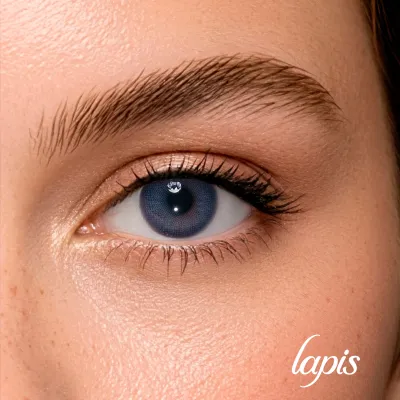
Claro Lapis - Colored Contact Lenses
*{box-sizing:border-box;} .lapis-page{ width:100%; margin:0; padding:0; font-family:Arial,Helvetica,sans-serif; color:#34495e; line-height:1…