


-36x36.png)

In an era where convenience meets cutting-edge technology, the way we approach vision correction and eye protection is rapidly evolving. Gone are the days when the choice was simply between traditional glasses or basic contact lenses, supplemented by a separate pair of sunglasses. Today, advancements in optical science present a fascinating hybrid: contact lenses that offer a level of sun protection and adaptive light management previously reserved for eyewear. This comprehensive guide delves into the innovative realm of what many refer to as 'sunglasses contact lenses,' exploring their benefits, limitations, and how they integrate seamlessly into a modern lifestyle.
The Modern Dilemma: Glasses, Contacts, or Both?
For decades, individuals requiring vision correction faced a daily decision: wear prescription eyeglasses or opt for contact lenses. Each had its distinct advantages and drawbacks. Eyeglasses offer immediate vision correction and can be easily removed, but they can be cumbersome during physical activities, prone to fogging, and limit peripheral vision. Contact lenses provide a natural field of vision and freedom from frames, yet they require careful hygiene and aren't always suitable for every environment.
The need for sun protection adds another layer of complexity. Traditional sunglasses, while effective, mean carrying an extra item and constantly switching between them and prescription eyewear. This constant juggle has driven the demand for more integrated solutions. The concept of 'sunglasses contact lenses' addresses this by incorporating UV-blocking properties and, in some cases, light-adaptive technology directly into the lens, offering a streamlined approach to both vision correction and ocular defense against harmful solar radiation.
Understanding UV Protection in Contact Lenses
It's a common misconception that all contact lenses offer UV protection. While many do, the level of protection varies significantly, and it's crucial to understand what these lenses can and cannot do. The sun emits ultraviolet (UV) radiation, which is categorized into UVA and UVB rays, both harmful to the eyes. Prolonged exposure can contribute to conditions like cataracts, macular degeneration, and photokeratitis (sunburn of the eye).
How Contact Lenses Provide UV Defense
- UV-Blocking Materials: Many modern contact lenses are manufactured with UV-absorbing additives directly integrated into the lens material. This technology allows the lens to absorb or block a significant portion of incoming UVA and UVB rays before they reach the cornea and internal structures of the eye.
- Classification Standards: Contact lenses with UV protection are typically classified into two main categories by the FDA:
- Class 1 UV Blockers: These block more than 90% of UVA and 99% of UVB rays. They offer the highest level of protection.
- Class 2 UV Blockers: These block more than 70% of UVA and 95% of UVB rays. While still beneficial, they offer a slightly lower level of protection than Class 1.
It's important to note that while UV-blocking contact lenses offer excellent protection for the cornea and inner eye, they do not cover the entire eye area. The eyelids and surrounding skin are still exposed to UV radiation. Therefore, even with UV-blocking contacts, wearing sunglasses that block 99-100% of both UVA and UVB rays, along with a wide-brimmed hat, remains the gold standard for comprehensive eye and periocular skin protection. Always consult your eye care professional to determine the best strategy for your specific needs.
The Convenience and Style of Photochromic Contact Lenses
Taking the concept of integrated protection a step further, photochromic contact lenses represent a significant leap in optical innovation. These lenses contain molecules that react to UV light, causing them to darken when exposed to sunlight and clear up indoors. This adaptive technology means your contact lenses can effectively function as 'sunglasses' on demand, providing a dynamic solution to changing light conditions.
Benefits of Adaptive Lenses
- Seamless Transition: No more fumbling for sunglasses when stepping outdoors or taking them off when going inside. The lenses adjust automatically, providing continuous visual comfort.
- Reduced Glare and Strain: By darkening in bright light, photochromic contacts help to reduce glare, making activities like driving, sports, or simply enjoying a sunny day more comfortable and less strenuous on your eyes.
- Consistent Protection: With adaptive lenses, you benefit from continuous UV protection without having to remember to put on sunglasses. This is particularly advantageous for individuals with active lifestyles or those who spend significant time outdoors.
- Aesthetic Appeal: For many, the ability to have vision correction and light adaptation in one discreet lens is highly appealing, eliminating the need for bulky frames or the constant swapping of eyewear.
Leading brands have introduced photochromic contact lenses that promise rapid activation and deactivation, ensuring a smooth visual experience. These lenses are designed to offer more than just vision correction; they provide a lifestyle enhancement, blending advanced technology with everyday practicality.
Exploring the World of Colored Contact Lenses
Beyond vision correction and UV protection, contact lenses also offer a unique avenue for personal expression: colored contact lenses. While primarily known for their cosmetic appeal, many colored contact lenses also incorporate UV-blocking technology, providing a dual benefit of aesthetic enhancement and essential eye protection. At Opticzade, we understand the desire for both style and safety, offering a diverse range of colored contact lenses that meet stringent quality standards.
Why Choose Colored Contact Lenses?
- Transform Your Look: Whether you desire a subtle enhancement to your natural eye color or a dramatic change, colored contact lenses allow you to experiment with different shades and styles. From vibrant blues and greens to rich browns and grays, the possibilities are vast.
- UV Protection: Many high-quality colored contact lenses are designed with integrated UV blockers, similar to their clear counterparts. This means you can enjoy a new look while still safeguarding your eyes against harmful UV radiation. It's important to verify the specific UV protection level of any colored lens you consider.
- Comfort and Safety: Modern colored contact lenses are crafted from advanced materials that prioritize comfort and oxygen permeability, ensuring healthy wear. However, like all contact lenses, they must be prescribed and fitted by an eye care professional to ensure proper fit and minimize risks.
When selecting colored contact lenses, especially from a reputable source like Opticzade, you can be confident in receiving products that not only offer stunning visual effects but also adhere to high standards of safety and efficacy. Always prioritize lenses that come from trusted manufacturers and have clear indications of their UV-blocking capabilities.
Making the Right Choice for Your Eye Health and Lifestyle
Deciding whether 'sunglasses contact lenses,' UV-blocking contacts, or even colored contact lenses are right for you involves several considerations. Your eye health, lifestyle, and specific visual needs all play a crucial role in determining the most suitable option. It's imperative to approach this decision with informed guidance from an eye care professional.
Key Factors to Consider:
- Prescription and Eye Health: A thorough eye examination is the first step. Your optometrist or ophthalmologist will assess your vision, eye health, and suitability for contact lens wear. They can recommend lenses that best correct your vision while maintaining ocular health.
- Lifestyle and Activities: Are you frequently outdoors? Do you participate in sports? Do you work in varying light conditions? Your daily routine will influence whether photochromic or standard UV-blocking contacts are more beneficial.
- UV Exposure Levels: If you live in a sunny climate or spend extensive time outdoors, higher levels of UV protection in your contacts are advisable. Remember, contacts are a valuable layer but not a complete substitute for sunglasses.
- Aesthetic Preferences: If you're interested in changing your eye color, exploring colored contact lenses with UV protection can be an excellent choice.
- Budget and Maintenance: Consider the cost of the lenses and the commitment to proper cleaning and replacement schedules.
An eye care specialist at Opticzade or your local clinic can provide personalized recommendations, ensuring that your choice of contact lenses aligns perfectly with your vision requirements, health needs, and personal preferences. They can also demonstrate how to properly insert, remove, and care for your lenses to ensure optimal safety and comfort.
Dispelling Common Myths About Contact Lenses and Sun Exposure
Despite advancements, several misconceptions persist regarding contact lenses and sun protection. Addressing these myths is vital for making informed decisions about eye care.
- Myth: All contact lenses protect against UV rays.
Fact: Only specific contact lenses are designed with UV-blocking properties. Always check the packaging or consult your eye care professional to confirm if your lenses offer UV protection and to what extent (Class 1 or Class 2).
- Myth: UV-blocking contact lenses eliminate the need for sunglasses.
Fact: While highly beneficial, UV-blocking contacts only cover the cornea and iris. They do not protect the eyelids, conjunctiva, or the delicate skin around the eyes from UV radiation. Sunglasses that block 99-100% of UVA and UVB rays are still essential for comprehensive protection.
- Myth: Photochromic contact lenses work instantly like sunglasses.
Fact: Photochromic lenses adapt to light conditions, but the darkening and clearing process takes a few seconds to minutes, depending on the specific product and light intensity. They are designed for seamless transition, not instant opaque darkening like traditional sunglasses.
- Myth: Colored contact lenses offer no UV protection.
Fact: Many colored contact lenses, especially those from reputable manufacturers like the ones offered at Opticzade, include UV-blocking technology. However, it's crucial to verify the UV protection level for each specific product.
Understanding these distinctions empowers you to make smarter choices for your long-term eye health and comfort.
The innovation in contact lens technology offers unprecedented opportunities for enhanced vision, protection, and personal style. From advanced UV-blocking capabilities to light-adaptive photochromic features and the vibrant options of colored contact lenses, the modern optical landscape caters to diverse needs. By making informed choices and consulting with eye care professionals, you can confidently navigate these options to find the perfect solution that complements your lifestyle and safeguards your precious eyesight. Explore the possibilities and discover the future of vision care with Opticzade, where clarity meets innovation.
Sıkça Sorulan Sorular
Do all contact lenses offer UV protection?
Can UV-blocking contact lenses replace sunglasses for full eye protection?
What are photochromic contact lenses?
Do colored contact lenses offer UV protection?
How do I choose the right contact lenses for my needs?
Konuyla ilgili öne çıkan ürünler
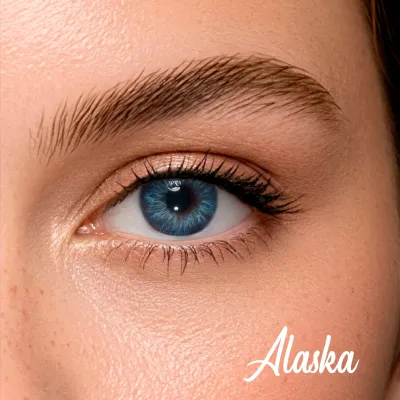
Claro Alaska - Colored Contact Lenses
*{box-sizing:border-box;} .alaska-page{ width:100%; margin:0; padding:0; font-family:Arial,Helvetica,sans-serif; color:#34495e; line-height:…
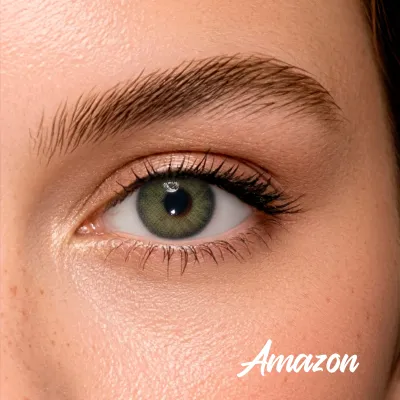
Claro Amazon - Colored Contact Lenses
*{box-sizing:border-box;} .amazon-page{ width:100%; margin:0; padding:0; font-family:Arial,Helvetica,sans-serif; color:#34495e; line-height:…
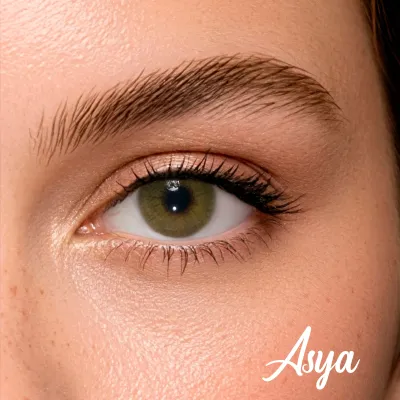
Claro Asya - Colored Contact Lenses
*{box-sizing:border-box;} .asya-page{ width:100%; margin:0; padding:0; font-family:Arial,Helvetica,sans-serif; color:#34495e; line-height:1.…
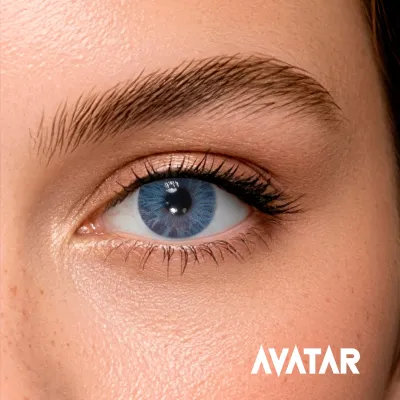
Claro Avatar - Colored Contact Lenses
*{box-sizing:border-box;} .avatar-page{ width:100%; margin:0; padding:0; font-family:Arial,Helvetica,sans-serif; color:#34495e; line-height:…
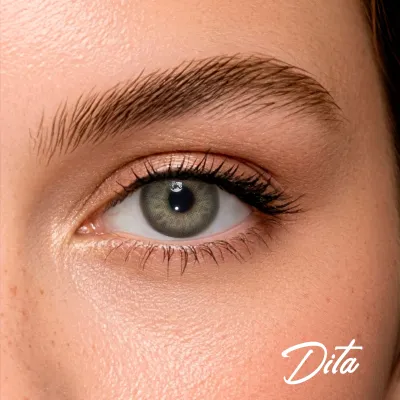
Claro Dita - Colored Contact Lenses
*{box-sizing:border-box;} .dita-page{ width:100%; margin:0; padding:0; font-family:Arial,Helvetica,sans-serif; color:#34495e; line-height:1.…
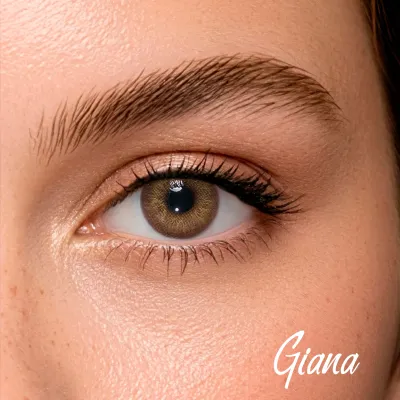
Claro Giana - Colored Contact Lenses
*{box-sizing:border-box;} .giana-page{ width:100%; margin:0; padding:0; font-family:Arial,Helvetica,sans-serif; color:#3b2a1d; line-height:1…
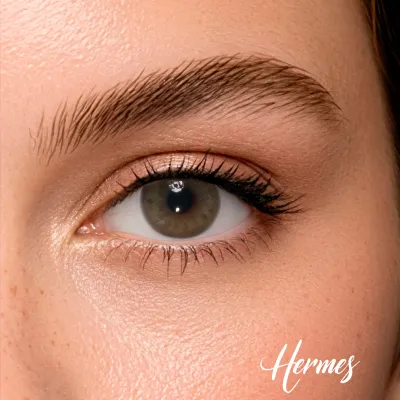
Claro Hermes - Colored Contact Lenses
*{box-sizing:border-box;} .hermes-page{ width:100%; margin:0; padding:0; font-family:Arial,Helvetica,sans-serif; color:#34495e; line-height:…
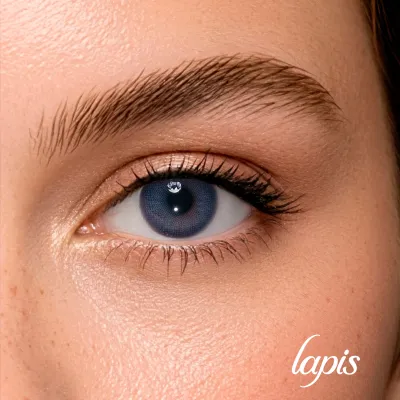
Claro Lapis - Colored Contact Lenses
*{box-sizing:border-box;} .lapis-page{ width:100%; margin:0; padding:0; font-family:Arial,Helvetica,sans-serif; color:#34495e; line-height:1…