


-36x36.png)

In the realm of vision correction, contact lenses stand as a testament to innovation, offering millions worldwide an alternative to traditional eyeglasses. Far more than just tiny pieces of plastic, these intricate medical devices sit directly on the eye's surface, correcting refractive errors and sometimes even enhancing natural eye color. From their conceptualization centuries ago to the advanced, breathable materials available today, contact lenses have undergone a remarkable transformation, providing unparalleled freedom and clarity. This comprehensive guide, brought to you by Opticzade, delves into the multifaceted world of contact lenses, exploring their various types, the profound benefits they offer, crucial care practices, and how to make an informed choice for your unique needs. We aim to balance detailed information with practical advice, ensuring you gain a holistic understanding of this modern vision solution.
The Evolution and Types of Contact Lenses
The journey of contact lenses began with Leonardo da Vinci's conceptual sketches in 1508, yet it wasn't until the late 19th century that the first glass lenses were successfully fitted. The real revolution, however, came with the introduction of soft plastic lenses in the 1960s, making them comfortable and widely accessible. Today, the market offers a diverse array of contact lens types, each designed to cater to specific visual needs and lifestyle preferences.
Soft Contact Lenses: Comfort and Versatility
The most popular category, soft contact lenses, are made from flexible plastics that allow oxygen to pass through to the cornea. They are incredibly comfortable and adapt quickly to the eye's surface. Within this category, you'll find daily disposables, which are worn once and then discarded, offering maximum hygiene and convenience. There are also two-week and monthly disposable options, requiring regular cleaning and storage. Soft lenses can correct myopia (nearsightedness), hyperopia (farsightedness), astigmatism, and even presbyopia (age-related farsightedness) with multifocal designs.
Rigid Gas Permeable Lenses: Clarity and Durability
Often referred to as RGP lenses, these are made from durable plastics that transmit oxygen. RGPs offer sharper vision for some individuals, particularly those with high astigmatism or certain corneal conditions like keratoconus, due to their ability to maintain their shape. While they might require a short adaptation period, their durability means they can last for years with proper care, making them a cost-effective choice in the long run. They are also less prone to deposit buildup compared to some soft lenses.
Disposable Lenses: Convenience and Hygiene
The concept of disposability has revolutionized contact lens wear. Daily disposable lenses, in particular, eliminate the need for cleaning solutions and storage cases, significantly reducing the risk of eye infections. They are ideal for individuals with allergies or those who prefer the ultimate convenience. Extended wear lenses, another type, are designed to be worn continuously for several days or weeks, even during sleep, though this practice requires careful consideration and professional approval due to increased risk of complications.
Benefits Beyond Vision Correction
While the primary purpose of contact lenses is to correct refractive errors, their advantages extend far beyond simply improving eyesight. They offer a host of lifestyle and aesthetic benefits that eyeglasses cannot match, enhancing daily life for many users.
Enhanced Visual Field and Freedom
Unlike eyeglasses, which provide a limited field of view and can obstruct peripheral vision, contact lenses move with your eyes, offering an unrestricted, natural field of vision. This is particularly beneficial for athletes, outdoor enthusiasts, and and anyone leading an active lifestyle. They eliminate concerns about frames slipping, fogging up, or getting in the way during physical activities, providing unparalleled freedom and confidence.
Aesthetic Appeal: Exploring Colored Contact Lenses
For those looking to subtly or dramatically change their appearance, colored contact lenses present an exciting option. These lenses come in a wide array of hues and patterns, allowing users to enhance their natural eye color or experiment with a completely new look. Whether for a special occasion or daily wear, Colored Contact Lenses can be a fun and expressive way to transform your gaze. It's crucial to remember that even cosmetic lenses are medical devices and require a prescription and proper fitting by an eye care professional to ensure safety and comfort.
Managing Specific Ocular Conditions
Beyond standard vision correction, specialized contact lenses play a vital role in managing various ocular conditions. Therapeutic lenses can protect the eye after injury or surgery, while prosthetic lenses can mask disfigurements or severe light sensitivity. Orthokeratology (Ortho-K) lenses are worn overnight to temporarily reshape the cornea, providing clear vision during the day without glasses or contacts. These advanced applications underscore the versatility and medical importance of contact lens technology.
Essential Care and Maintenance Practices
Proper care and hygiene are paramount to safe and comfortable contact lens wear. Neglecting these practices can lead to serious eye infections, discomfort, and even permanent vision damage. Adhering to a strict regimen ensures the longevity of your lenses and, more importantly, the health of your eyes.
Daily Cleaning Regimens
For reusable lenses (two-week, monthly), a daily cleaning routine is non-negotiable. Always wash your hands thoroughly with soap and water and dry them with a lint-free towel before handling your lenses. Use only fresh, sterile contact lens solution recommended by your eye care professional. Never use tap water, saliva, or homemade solutions, as these can introduce harmful microorganisms. Rub and rinse your lenses as instructed by your optometrist before placing them in a clean lens case filled with fresh solution.
Proper Storage and Replacement Schedules
Always store your lenses in a clean, dry contact lens case filled with fresh disinfecting solution. Replace your lens case every three months to prevent bacterial buildup. Adhere strictly to the recommended replacement schedule for your specific lens type – whether daily, weekly, or monthly. Overwearing lenses, even for a day, can compromise eye health and increase the risk of complications. Mark your calendar or set reminders to ensure timely replacement.
Avoiding Common Missteps
Many common mistakes can jeopardize eye health. Never sleep in lenses unless they are specifically approved for extended wear by your eye care professional. Avoid showering or swimming with lenses, as water contains microbes that can cause severe infections. Do not share lenses with others, as this can transmit bacteria and diseases. If you experience any redness, irritation, pain, or blurred vision, remove your lenses immediately and consult your eye care specialist at Opticzade.
Choosing the Right Lenses for Your Lifestyle
Selecting the ideal contact lenses involves more than just getting a prescription. It requires a thorough understanding of your daily routine, visual demands, and personal preferences. A collaborative discussion with your eye care professional is key to finding the perfect match.
Lifestyle Considerations and Activities
Your lifestyle heavily influences the best lens choice. If you're an active individual, daily disposables or extended wear lenses might offer the most convenience and freedom. For those who spend long hours in front of screens, lenses designed for digital eye strain could be beneficial. Consider your work environment, hobbies, and travel frequency when discussing options with your optometrist. For instance, if you frequently travel, daily disposables might be more practical than solutions and cases.
Understanding Your Prescription and Eye Health
Your eye care professional will conduct a comprehensive eye exam to determine your precise prescription, including sphere, cylinder, and axis for astigmatism, and add power for presbyopia. They will also assess your overall eye health, checking for conditions like dry eyes, allergies, or corneal irregularities that might influence lens choice. Certain conditions may necessitate specific lens materials or designs to ensure optimal comfort and vision.
The Importance of Professional Consultation
A proper contact lens fitting is crucial and can only be performed by a qualified optometrist or ophthalmologist. This involves measuring the curvature of your cornea and the size of your iris to ensure the lenses fit correctly and comfortably. An ill-fitting lens can cause discomfort, blurred vision, and even corneal damage. Your eye care specialist will also provide detailed instructions on insertion, removal, and care, and schedule follow-up appointments to monitor your eye health and lens performance. Opticzade emphasizes the critical role of professional guidance in your contact lens journey.
Addressing Common Concerns and Dispelling Myths
Despite their widespread use, contact lenses are often surrounded by misconceptions. Understanding the facts can alleviate anxiety and promote safer, more confident wear.
Are Contact Lenses Safe for Everyone?
While contact lenses are safe for the vast majority, they are not suitable for everyone. Individuals with severe dry eye syndrome, frequent eye infections, certain allergies, or specific corneal conditions might be advised against wearing them. A thorough eye examination by a professional is essential to determine suitability and discuss any potential contraindications. For those who can wear them, adherence to care instructions is paramount for safety.
Can Lenses Get Lost Behind the Eye?
This is a common fear, but anatomically impossible. A membrane called the conjunctiva lines the inside of your eyelids and folds back to cover the white part of your eye, creating a barrier that prevents anything, including a contact lens, from getting lost behind your eyeball. Lenses can sometimes get dislodged and move under the eyelid, but they can always be retrieved.
Sleeping with Contact Lenses: What You Need to Know
Unless specifically prescribed as extended wear lenses by your eye care professional, you should never sleep in your contact lenses. Sleeping with non-extended wear lenses significantly increases the risk of eye infections, corneal ulcers, and other complications due to reduced oxygen flow to the cornea and increased bacterial buildup. Always remove and clean your lenses before bedtime to maintain optimal eye health.
Contact lenses represent a remarkable advancement in vision care, offering freedom, comfort, and aesthetic versatility. From daily disposables to specialized therapeutic options, there's a lens solution for nearly every need. However, the key to a successful and healthy contact lens experience lies in informed choices, diligent care, and consistent professional guidance. At Opticzade, we are committed to helping you navigate this journey, ensuring your eyes remain healthy while enjoying the benefits of clear, unhindered vision. Always consult with your eye care professional to determine the best contact lens option for you and to receive personalized care instructions.
Sıkça Sorulan Sorular
What are the main types of contact lenses available?
How do I properly care for my reusable contact lenses?
Can I wear colored contact lenses without a prescription?
Is it safe to sleep with contact lenses in?
Can contact lenses get lost behind my eye?
Konuyla ilgili öne çıkan ürünler
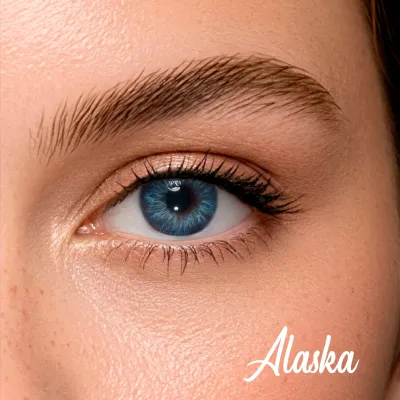
Claro Alaska - Colored Contact Lenses
*{box-sizing:border-box;} .alaska-page{ width:100%; margin:0; padding:0; font-family:Arial,Helvetica,sans-serif; color:#34495e; line-height:…
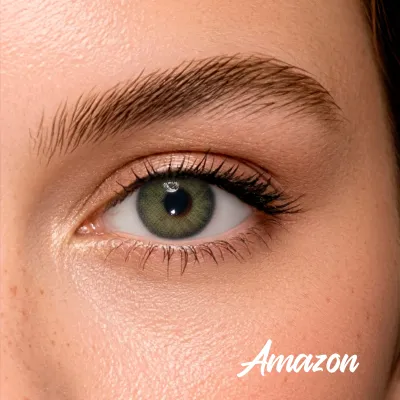
Claro Amazon - Colored Contact Lenses
*{box-sizing:border-box;} .amazon-page{ width:100%; margin:0; padding:0; font-family:Arial,Helvetica,sans-serif; color:#34495e; line-height:…
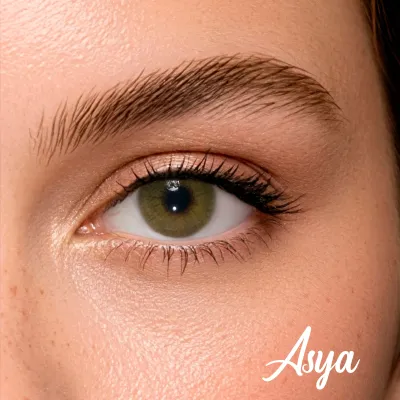
Claro Asya - Colored Contact Lenses
*{box-sizing:border-box;} .asya-page{ width:100%; margin:0; padding:0; font-family:Arial,Helvetica,sans-serif; color:#34495e; line-height:1.…

Claro Avatar - Colored Contact Lenses
*{box-sizing:border-box;} .avatar-page{ width:100%; margin:0; padding:0; font-family:Arial,Helvetica,sans-serif; color:#34495e; line-height:…
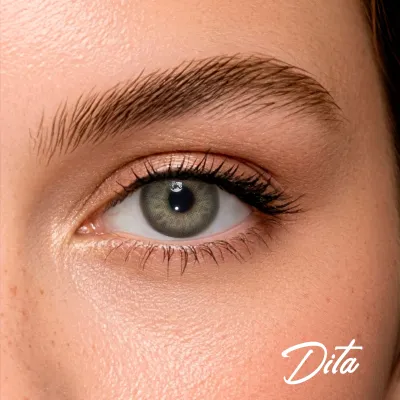
Claro Dita - Colored Contact Lenses
*{box-sizing:border-box;} .dita-page{ width:100%; margin:0; padding:0; font-family:Arial,Helvetica,sans-serif; color:#34495e; line-height:1.…
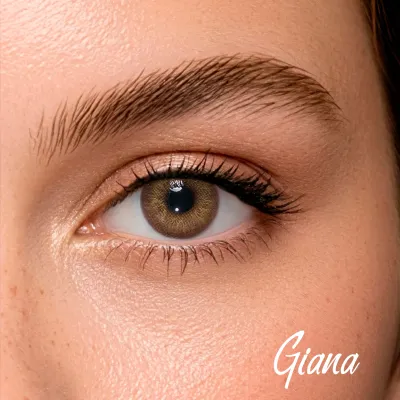
Claro Giana - Colored Contact Lenses
*{box-sizing:border-box;} .giana-page{ width:100%; margin:0; padding:0; font-family:Arial,Helvetica,sans-serif; color:#3b2a1d; line-height:1…
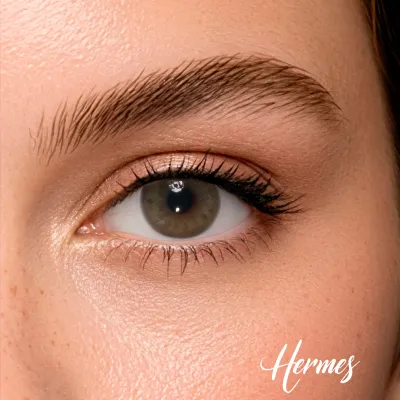
Claro Hermes - Colored Contact Lenses
*{box-sizing:border-box;} .hermes-page{ width:100%; margin:0; padding:0; font-family:Arial,Helvetica,sans-serif; color:#34495e; line-height:…
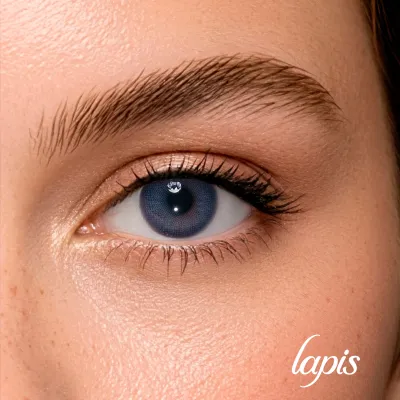
Claro Lapis - Colored Contact Lenses
*{box-sizing:border-box;} .lapis-page{ width:100%; margin:0; padding:0; font-family:Arial,Helvetica,sans-serif; color:#34495e; line-height:1…