



The allure of dramatically enhanced eyes has led to a surge in popularity for cosmetic contact lenses, often referred to as circle lenses. These unique lenses, known for their ability to make the iris appear larger and more defined, have captivated consumers across the globe. For those residing in or looking to purchase within the European market, understanding the nuances of these aesthetic enhancements is crucial. This comprehensive guide delves into everything you need to know about acquiring, using, and caring for decorative eye lenses, ensuring both stunning results and paramount eye health within the European regulatory landscape.
Understanding Cosmetic Contact Lenses: What They Are and How They Work
Cosmetic contact lenses are designed to alter the appearance of the eye, offering a range of effects from subtle color changes to dramatic enlargement. Unlike standard corrective lenses, their primary function is aesthetic. Circle lenses, a specific type of cosmetic lens, feature a wider diameter than the iris, extending slightly onto the white part of the eye (sclera) to create an illusion of bigger, more doll-like eyes. They often come with a dark limbal ring that further accentuates this enlarging effect, making them a popular choice for fashion, cosplay, and everyday style enhancement.
The Visual Impact of Enlarging eye lenses
The distinctive design of enlarging eye lenses creates a captivating visual transformation. By subtly extending the colored area of the eye, they can make the wearer's eyes appear more prominent, brighter, and often more youthful. This effect is achieved through various patterns and color gradients that blend seamlessly with the natural iris, or by introducing entirely new hues. The impact can range from a natural-looking enhancement to a bold, striking statement, depending on the chosen design and color intensity. Many users appreciate the ability to experiment with different personas and express their individuality through their eye aesthetics.
Distinguishing Between Corrective and Decorative Options
It's important to differentiate between contact lenses prescribed for vision correction and those worn purely for cosmetic purposes. While many decorative contact lenses, including circle lenses, are available with prescription powers to correct myopia or hyperopia, a significant portion are sold as 'plano' lenses, meaning they have no vision-correcting power. Regardless of whether they correct vision or not, all contact lenses are classified as medical devices in Europe and require careful handling and fitting. Never assume that a non-prescription cosmetic lens is safer or requires less professional oversight than a corrective one; both interact directly with your eye and demand the same level of care and professional guidance.
Key Considerations for Safe Eye Lens Use in Europe
Safety should always be the top priority when considering any type of contact lens. In Europe, strict regulations govern the sale and use of medical devices, including cosmetic contact lenses. Adhering to these guidelines and best practices is essential to prevent potential eye health complications, which can range from minor irritation to severe infections and vision loss. Proper hygiene, professional consultation, and choosing certified products are non-negotiable aspects of safe lens wear.
Prioritizing Eye Health: The Importance of Professional Consultation
Before purchasing or wearing any type of cosmetic contact lens, a comprehensive eye examination by a qualified optometrist or ophthalmologist is absolutely vital. A professional eye care specialist will measure your eye's curvature (base curve) and diameter to ensure a proper fit, as ill-fitting lenses can cause discomfort, corneal abrasions, and oxygen deprivation. They will also assess your eye health to determine if you are a suitable candidate for contact lens wear and provide essential instructions on insertion, removal, cleaning, and wear schedules. Skipping this crucial step can lead to serious and irreversible damage to your eyes.
Recognizing Reputable Brands and Certifications
When sourcing aesthetic eye lenses, always look for reputable brands that comply with European safety standards. In the European Union, all contact lenses, including cosmetic ones, must carry a CE mark, indicating they meet health, safety, and environmental protection standards. This certification is a critical indicator of quality and safety. Avoid purchasing lenses from unverified sources, such as street vendors, flea markets, or unauthorized online retailers, as these products may be counterfeit, unsterilized, or made from substandard materials that pose significant risks to your eye health. Always check for clear packaging, expiration dates, and manufacturer information.
Choosing the Right Aesthetic Contacts: Styles, Colors, and Effects
The market for colored contact lenses offers an astonishing array of choices, allowing individuals to customize their look to an unprecedented degree. From subtle enhancements to bold transformations, understanding the different styles, colors, and effects available will help you make an informed decision that complements your natural features and desired aesthetic. Whether you aim for a natural enlargement or a vibrant color change, there's a perfect pair of decorative lenses for every preference.
Selecting the Perfect Shade for Your Natural Eye Color
Choosing the right color is paramount for achieving your desired effect. For a natural enhancement, consider shades that subtly complement your existing eye color. For instance, if you have blue eyes, a slightly darker blue or a grey lens can add depth. Brown eyes can be enhanced with hazel or light brown tones. If you're looking for a more dramatic change, opaque colored lenses can completely transform your eye color, allowing dark eyes to appear blue, green, or even violet. Always consider your skin tone and hair color to ensure the chosen lens color creates a harmonious overall look.
Exploring Different Patterns and Enlargement Effects
Beyond color, cosmetic contact lenses come in a variety of patterns and designs that dictate their enlargement effect and overall appearance. Circle lenses are specifically designed with a wider diameter and often a dark outer ring to create the illusion of larger, more defined eyes. Other patterns include intricate designs that mimic the iris's natural texture, starburst effects, or even novelty patterns for special occasions. The degree of enlargement can vary, with some lenses offering a subtle boost and others providing a more pronounced 'doll-eye' look. Experimenting with different patterns can help you discover the specific aesthetic that best suits your personal style and comfort.
Where to Purchase Quality Eye Enhancement Lenses Across Europe
Acquiring authentic and safe eye enhancement lenses in Europe requires diligence and an understanding of the available purchasing channels. With the proliferation of online retailers, it's more important than ever to distinguish between legitimate suppliers and those that may compromise your eye health. Prioritizing authorized channels ensures you receive products that meet stringent European safety and quality standards, protecting your vision and investment.
Identifying Authorized Retailers and Online Stores
The safest places to purchase cosmetic contact lenses in Europe are through licensed opticians, reputable pharmacies, or authorized online retailers. These channels are legally bound to sell CE-marked products and often require a valid prescription, even for plano lenses, in many European countries. When buying online, look for websites that clearly display their contact information, return policies, and evidence of regulatory compliance. Customer reviews can also offer insights, but always cross-reference with official certifications. Be wary of unusually low prices, as these can be an indicator of counterfeit or unsafe products.
Understanding Prescription Requirements in Various EU Countries
While contact lenses are classified as medical devices across the EU, specific prescription requirements can vary slightly between member states. In many European countries, a valid prescription from an eye care professional is mandatory for purchasing any type of contact lens, including purely cosmetic ones, even if they don't correct vision. This regulation is in place to ensure that lenses are properly fitted and safe for the individual's eyes. Always check the specific laws of the country you are purchasing from. Reputable retailers will always ask for your prescription details, demonstrating their commitment to consumer safety and legal compliance.
Maintaining and Caring for Your Decorative Eye Lenses
Proper maintenance and care are fundamental to extending the life of your decorative eye lenses and, more importantly, protecting your eye health. Neglecting hygiene practices can lead to serious eye infections, discomfort, and potentially long-term damage. Establishing a consistent and correct routine for cleaning, storing, and handling your lenses is as crucial as selecting the right product in the first place. Adhering to these guidelines will ensure a comfortable and safe experience with your cosmetic contacts.
Essential Cleaning and Storage Practices
Always wash your hands thoroughly with soap and water and dry them with a lint-free towel before handling your lenses. Use only fresh, sterile contact lens solution recommended by your eye care professional for cleaning and rinsing. Never use tap water, saliva, or homemade solutions, as these can introduce harmful microorganisms. Rub the lenses gently in the palm of your hand with a few drops of solution, then rinse them thoroughly before placing them in a clean lens case filled with fresh solution. Replace your lens case every three months to prevent bacterial buildup. Adhere strictly to the recommended wear schedule – daily disposables are for one-time use, and monthly lenses must be replaced after a month of opening, regardless of how often they were worn.
Recognizing Signs of Eye Irritation or Infection
It is crucial to be vigilant for any signs of eye irritation or infection. Symptoms such as redness, excessive tearing, discomfort, pain, blurred vision, light sensitivity, or discharge indicate a potential problem. If you experience any of these symptoms, remove your lenses immediately and contact your eye care professional without delay. Do not attempt to self-diagnose or treat the issue. Continuing to wear lenses with irritated or infected eyes can exacerbate the condition and lead to more severe complications, including permanent vision impairment. Always prioritize your eye health over aesthetics.
The Legal Framework and Consumer Rights for Contact Lenses in the EU
The European Union has established a robust legal framework to ensure the safety and quality of medical devices, including contact lenses. This regulatory environment is designed to protect consumers and ensure that all products available on the market meet high standards. Understanding these regulations and your rights as a consumer is essential for making safe and informed purchasing decisions regarding cosmetic eye lenses within Europe.
Navigating EU Regulations for Medical Devices
In the EU, contact lenses are classified as Class IIa medical devices under the Medical Device Regulation (MDR 2017/745). This classification imposes stringent requirements on manufacturers, importers, and distributors. Products must undergo a conformity assessment, demonstrate clinical safety and performance, and bear the CE mark. This regulation ensures traceability of products, post-market surveillance, and clear labeling. Consumers should always verify that the products they purchase comply with these regulations, as non-compliant items may not have undergone the necessary safety checks and could pose a risk to eye health.
Your Rights as a Consumer of eye care products
As a consumer in the European Union, you have specific rights when purchasing medical devices like contact lenses. These rights include the right to safe products, clear and accurate information about the product (including instructions for use and potential risks), and the right to redress if a product is faulty or causes harm. If you purchase lenses that do not meet safety standards, are counterfeit, or cause an adverse reaction, you have the right to report this to the relevant national authorities and seek a remedy from the seller or manufacturer. Always keep proof of purchase and relevant product information in case you need to exercise these rights. Prioritizing reputable sources for your circle lenses in Europe is the best way to ensure both product quality and consumer protection.
Sıkça Sorulan Sorular
Are circle lenses legal to purchase in Europe?
Do I need a prescription for cosmetic contact lenses in Europe?
How do I ensure the safety of circle lenses bought online in Europe?
What is the difference between circle lenses and regular colored contact lenses?
How often should I replace my decorative contact lenses?
Konuyla ilgili öne çıkan ürünler
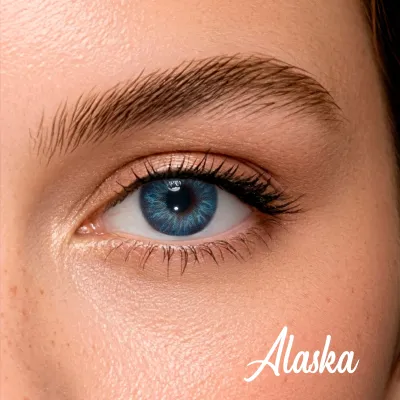
Claro Alaska - Colored Contact Lenses
*{box-sizing:border-box;} .alaska-page{ width:100%; margin:0; padding:0; font-family:Arial,Helvetica,sans-serif; color:#34495e; line-height:…
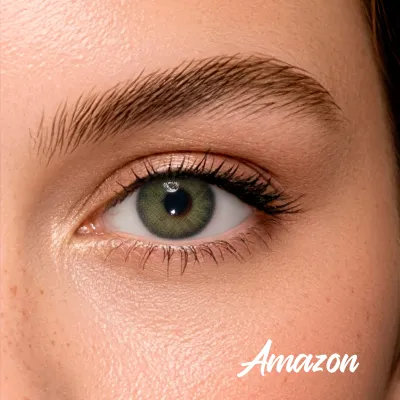
Claro Amazon - Colored Contact Lenses
*{box-sizing:border-box;} .amazon-page{ width:100%; margin:0; padding:0; font-family:Arial,Helvetica,sans-serif; color:#34495e; line-height:…
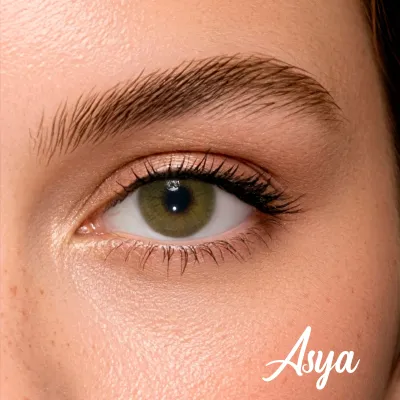
Claro Asya - Colored Contact Lenses
*{box-sizing:border-box;} .asya-page{ width:100%; margin:0; padding:0; font-family:Arial,Helvetica,sans-serif; color:#34495e; line-height:1.…
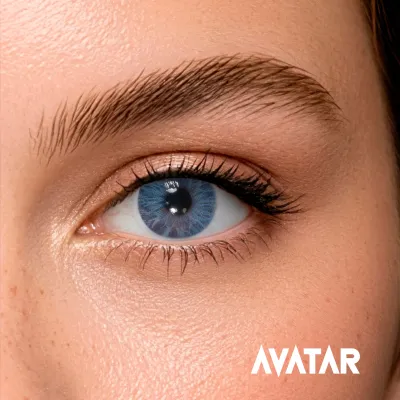
Claro Avatar - Colored Contact Lenses
*{box-sizing:border-box;} .avatar-page{ width:100%; margin:0; padding:0; font-family:Arial,Helvetica,sans-serif; color:#34495e; line-height:…
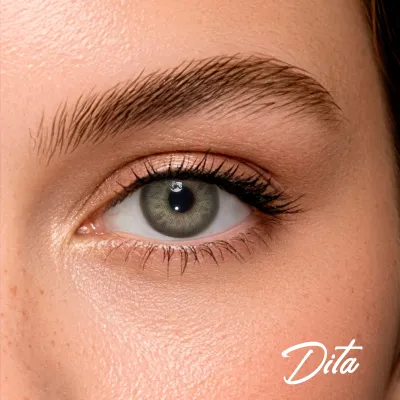
Claro Dita - Colored Contact Lenses
*{box-sizing:border-box;} .dita-page{ width:100%; margin:0; padding:0; font-family:Arial,Helvetica,sans-serif; color:#34495e; line-height:1.…
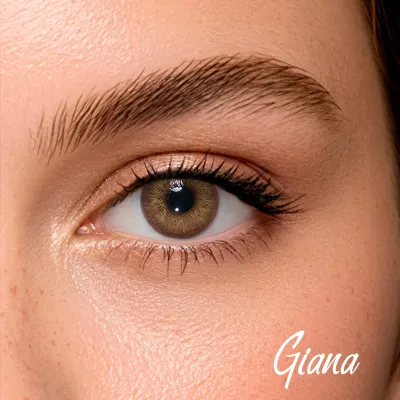
Claro Giana - Colored Contact Lenses
*{box-sizing:border-box;} .giana-page{ width:100%; margin:0; padding:0; font-family:Arial,Helvetica,sans-serif; color:#3b2a1d; line-height:1…
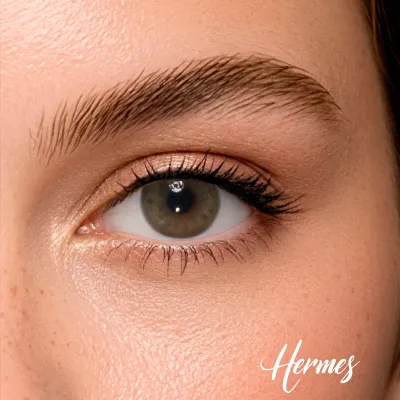
Claro Hermes - Colored Contact Lenses
*{box-sizing:border-box;} .hermes-page{ width:100%; margin:0; padding:0; font-family:Arial,Helvetica,sans-serif; color:#34495e; line-height:…
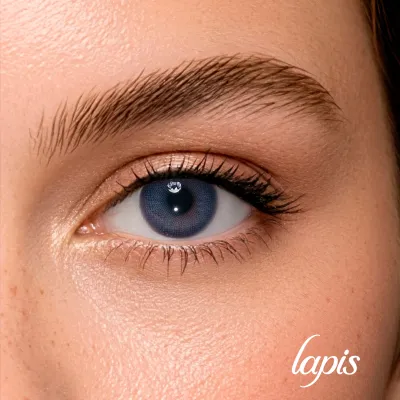
Claro Lapis - Colored Contact Lenses
*{box-sizing:border-box;} .lapis-page{ width:100%; margin:0; padding:0; font-family:Arial,Helvetica,sans-serif; color:#34495e; line-height:1…