



For individuals with brown eyes, the desire to subtly alter or enhance their natural eye color often leads to the fascinating world of colored contact lenses. While many lenses offer dramatic transformations, the true artistry lies in finding options that blend seamlessly with your existing deep tones, creating an effect so natural, it leaves observers wondering if it's your inherent eye color. This comprehensive guide delves into the nuances of selecting and wearing natural-looking colored contacts specifically designed for brown eyes, ensuring both aesthetic appeal and comfort.
Achieving a believable change requires understanding the interplay of lens design, color pigmentation, and your unique eye characteristics. The goal isn't to mask your brown eyes entirely but to enrich them, perhaps adding a hint of hazel, a touch of emerald green, or a soft blue that complements your complexion. We'll explore the science behind these lenses, the critical features that contribute to a natural appearance, and practical advice for making an informed choice, all while prioritizing eye health and comfort.
Understanding Eye Color Enhancement for Darker Tones
Brown eyes, with their rich melanin content, present a unique canvas for colored contact lenses. Unlike lighter eyes that can be easily influenced by sheer tints, darker eyes require lenses with opaque pigmentation to achieve a noticeable color change. However, 'opaque' doesn't have to mean 'unnatural'. Modern colored contact lenses are engineered with advanced printing technologies that mimic the intricate patterns and depth of the human iris, allowing for a subtle yet effective transformation. The key is to select lenses that don't just sit on top of your eye color but rather integrate with it, creating a multi-dimensional effect.
The Science Behind Color Change on Brown Eyes
When you place a colored contact lens over a brown iris, the lens's opaque color layer works by blocking out your natural pigment and replacing it with the desired shade. For a natural look, manufacturers employ a dot matrix pattern, where tiny, colored pixels are arranged to blend with the natural variations of your iris. This isn't a solid block of color; instead, it's a gradient of tones and textures that prevents a 'doll-like' or artificial appearance. The density and arrangement of these pixels are crucial for achieving a realistic depth, especially when viewed up close. Furthermore, many lenses incorporate a transparent inner ring that allows some of your natural brown color to peek through, adding to the authenticity.
Why Brown Eyes Present Unique Opportunities
Brown eyes offer an excellent foundation for experimenting with a wide spectrum of colors. Because the underlying color is strong, it can anchor even lighter shades, preventing them from looking too stark or artificial. For instance, a light blue or gray lens might appear almost ethereal on light eyes, but on brown eyes, it can create a striking contrast that still feels grounded and believable. This allows for a broader range of choices, from subtle hazel and honey tones that simply brighten your existing brown, to more adventurous greens and blues that still maintain an authentic feel due to the lens's sophisticated design and the contrast with your natural limbal ring.
Selecting the Ideal Shade for Darker Tones
Choosing the right color is paramount to achieving a natural look. The goal is to complement your overall complexion, hair color, and personal style, rather than clashing with them. For brown eyes, certain color families tend to yield the most natural and flattering results. It's not just about picking a color you like, but one that harmonizes with your unique features.
Exploring Different Color Families
- Hazel and Honey: These are perhaps the most natural choices for brown eyes, as they essentially lighten and add warmth to your existing color. They often feature a blend of light brown, gold, and green tones, creating a multi-dimensional effect that mimics the natural variations found in many irises.
- Green: From subtle olive to vibrant emerald, green lenses can look incredibly natural on brown eyes. The contrast can be stunning, and many designs incorporate brown or yellow flecks that help the green blend seamlessly.
- Gray: A sophisticated choice, gray lenses can cool down the warmth of brown eyes, giving them a subtle, smoky allure. Look for grays with a hint of blue or brown to ensure a natural transition.
- Blue: While often perceived as a dramatic change, certain shades of blue, particularly those with a deeper, more muted tone or a multi-tonal design, can look surprisingly natural on brown eyes. Avoid overly bright or opaque blues for a subtle effect.
Considerations for Skin Tone and Hair Color
Your skin tone and hair color play a significant role in how natural colored contacts will appear. For warm skin tones (yellow or golden undertones) and warm hair colors (red, golden blonde, warm brown), hazel, honey, and warmer green shades often look most harmonious. For cool skin tones (pink or blue undertones) and cool hair colors (ash blonde, black, cool brown), grays, blues, and cooler greens tend to be more flattering. Experimenting with different shades and observing how they interact with your overall appearance is key. Many reputable stores, like Opticzade, offer virtual try-on tools or detailed product images to help you visualize the effect before purchasing.
Key Features of Natural-Looking Lenses
Beyond color, the design and construction of the lens itself are critical for a believable outcome. Several specific features contribute significantly to how natural colored contact lenses appear, especially on brown eyes. Understanding these elements will empower you to make an informed decision and select lenses that truly enhance your gaze without looking artificial.
The Importance of Limbal Rings and Pixelation
A limbal ring is the dark, outer edge of the iris. Natural-looking colored contacts often incorporate a subtle, diffused limbal ring that mimics the natural definition of the eye. A well-designed limbal ring can make the eyes appear larger, more defined, and youthful. Conversely, a thick, overly dark, or sharply defined limbal ring can sometimes give an artificial impression. The key is subtlety; a soft, blended ring that gradually fades into the main color of the lens is ideal. As mentioned earlier, pixelation refers to the intricate dot matrix pattern used to create the color. High-quality lenses use a multi-layered, multi-tonal pixelation that mimics the complex structure of a real iris, ensuring that the color doesn't look flat or painted on. This sophisticated layering allows for light to interact with the lens in a way that creates depth and realism.
Material and Comfort Factors
While aesthetics are important, comfort and eye health are paramount. Natural-looking colored contact lenses, like all contact lenses, come in various materials, primarily hydrogel and silicone hydrogel. Silicone hydrogel lenses generally offer higher oxygen permeability, which is crucial for maintaining eye health, especially during extended wear. High water content also contributes to comfort, keeping your eyes hydrated throughout the day. Always ensure the lenses you choose are FDA-approved (or equivalent regulatory body in your region) and from a reputable manufacturer. Poorly fitting or low-quality lenses can lead to discomfort, irritation, and potential eye health issues. Opticzade prioritizes offering lenses that meet stringent safety and quality standards, ensuring both a beautiful and comfortable experience.
Proper Care and Usage for Colored Contacts
Ensuring the longevity of your natural-looking colored contact lenses and, more importantly, the health of your eyes, hinges on diligent care and adherence to proper usage guidelines. Colored contact lenses, like their clear counterparts, are medical devices and must be treated with respect and responsibility.
Hygiene Practices for Eye Health
Maintaining impeccable hygiene is non-negotiable when handling any type of contact lens. Always wash your hands thoroughly with soap and water and dry them with a lint-free towel before touching your lenses. Use only fresh, sterile contact lens solution recommended by your eye care professional for cleaning, rinsing, and storing your lenses. Never use tap water, saliva, or any other liquid not specifically designed for contact lenses, as these can introduce harmful microorganisms to your eyes. Replace your lens case regularly, typically every three months, to prevent bacterial buildup. Adhering to these simple yet crucial practices will significantly reduce the risk of eye infections and ensure a comfortable wearing experience with your colored contact lenses.
Wearing Schedules and Replacement Guidelines
Colored contact lenses come with specific wearing schedules, typically daily disposables, bi-weekly, or monthly replacements. It is absolutely critical to adhere to these schedules. Daily disposable lenses are meant to be worn once and then discarded; they are not designed for cleaning and re-wearing. Bi-weekly and monthly lenses require daily cleaning and proper storage in a fresh solution, and they must be discarded after their prescribed period, even if they still feel comfortable. Over-wearing lenses can lead to reduced oxygen flow to the cornea, increased risk of infection, and other serious eye complications. Never sleep in lenses unless they are specifically approved for extended wear by an eye care professional. Regular check-ups with your optometrist are also vital to ensure your eyes remain healthy and that your contact lens prescription is up-to-date, even if you have perfect vision and are only using lenses for cosmetic purposes.
Finding Your Perfect Pair at Opticzade
The journey to finding the ideal natural-looking colored contacts for your brown eyes culminates in selecting the right product from a trusted source. With a myriad of options available, knowing how to navigate the choices and where to seek professional guidance is key to a satisfying purchase.
Navigating Product Options
When exploring options, pay close attention to product descriptions and customer reviews. Look for terms like 'natural blend,' 'subtle enhancement,' 'limbal ring design,' and 'multi-tonal pigmentation.' High-quality product images that show the lenses on various eye colors, especially brown, can be incredibly helpful. Consider the base curve and diameter of the lenses to ensure a proper fit, as an ill-fitting lens can cause discomfort and blurry vision. Opticzade offers a diverse range of Colored Contact Lenses, clearly categorizing them by color, wearing schedule, and effect, making it easier for you to filter and find lenses that align with your desire for a natural look. Don't hesitate to compare different brands and styles, as each may offer a slightly different interpretation of a 'natural' effect.
Consulting with Eye Care Professionals
Even if you have perfect vision and are only interested in colored contacts for cosmetic reasons, a prescription from an eye care professional is legally required and medically essential. An optometrist will measure your eyes to ensure the lenses fit correctly, assess your eye health to confirm you are a suitable candidate for contact lens wear, and provide guidance on proper care and handling. They can also recommend specific brands or types of Colored Contact Lenses that are known for their natural appearance on brown eyes and are compatible with your eye health needs. This professional consultation is invaluable, as it safeguards your vision and ensures a comfortable and safe experience with your new natural-looking colored contacts. Opticzade encourages all customers to obtain a valid prescription before purchasing any contact lenses.
Embracing natural-looking colored contacts for brown eyes is about enhancing, not masking, your inherent beauty. With careful selection, proper care, and professional guidance, you can achieve a captivating and believable eye color transformation that truly shines.
Sıkça Sorulan Sorular
Do I need a prescription for natural-looking colored contacts, even if I have perfect vision?
What are the best colors for brown eyes to achieve a natural look?
What features should I look for in natural-looking colored contact lenses?
How important is hygiene when wearing colored contact lenses?
Can I sleep in my natural-looking colored contact lenses?
Konuyla ilgili öne çıkan ürünler
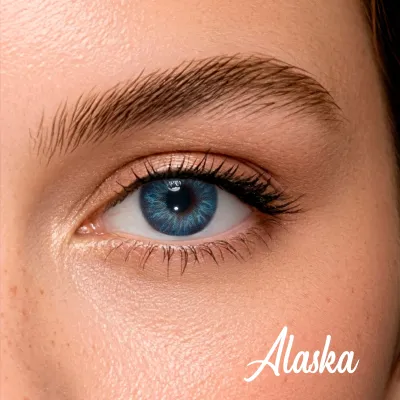
Claro Alaska - Colored Contact Lenses
*{box-sizing:border-box;} .alaska-page{ width:100%; margin:0; padding:0; font-family:Arial,Helvetica,sans-serif; color:#34495e; line-height:…
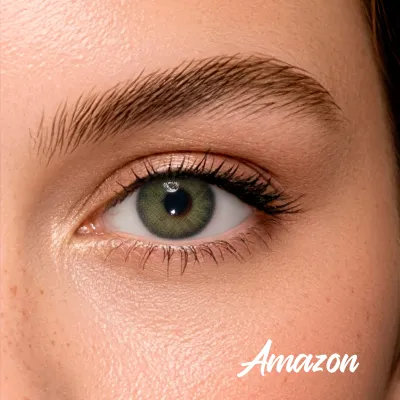
Claro Amazon - Colored Contact Lenses
*{box-sizing:border-box;} .amazon-page{ width:100%; margin:0; padding:0; font-family:Arial,Helvetica,sans-serif; color:#34495e; line-height:…
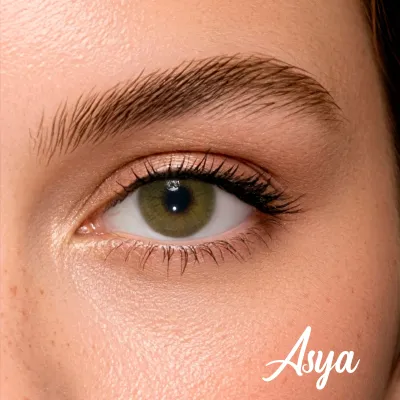
Claro Asya - Colored Contact Lenses
*{box-sizing:border-box;} .asya-page{ width:100%; margin:0; padding:0; font-family:Arial,Helvetica,sans-serif; color:#34495e; line-height:1.…
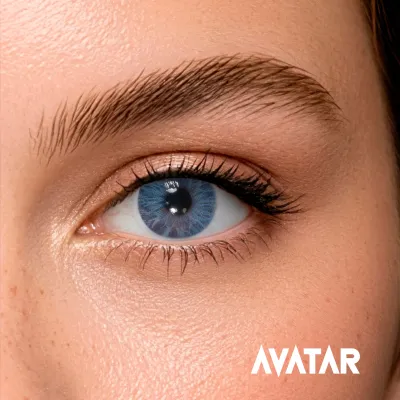
Claro Avatar - Colored Contact Lenses
*{box-sizing:border-box;} .avatar-page{ width:100%; margin:0; padding:0; font-family:Arial,Helvetica,sans-serif; color:#34495e; line-height:…
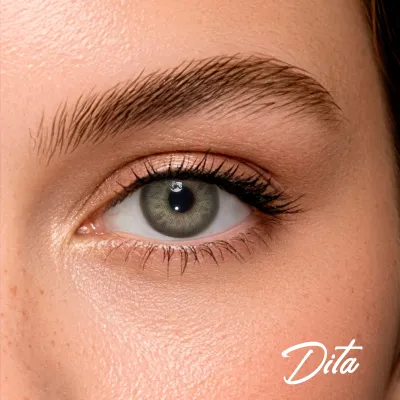
Claro Dita - Colored Contact Lenses
*{box-sizing:border-box;} .dita-page{ width:100%; margin:0; padding:0; font-family:Arial,Helvetica,sans-serif; color:#34495e; line-height:1.…
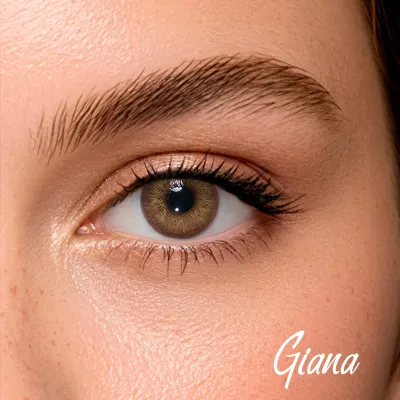
Claro Giana - Colored Contact Lenses
*{box-sizing:border-box;} .giana-page{ width:100%; margin:0; padding:0; font-family:Arial,Helvetica,sans-serif; color:#3b2a1d; line-height:1…
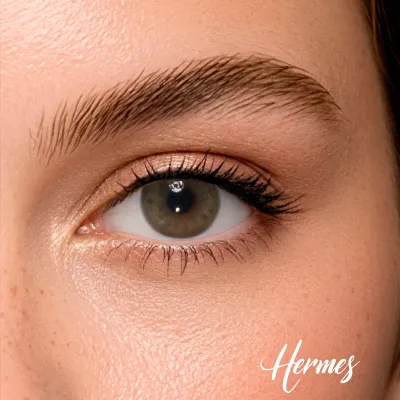
Claro Hermes - Colored Contact Lenses
*{box-sizing:border-box;} .hermes-page{ width:100%; margin:0; padding:0; font-family:Arial,Helvetica,sans-serif; color:#34495e; line-height:…
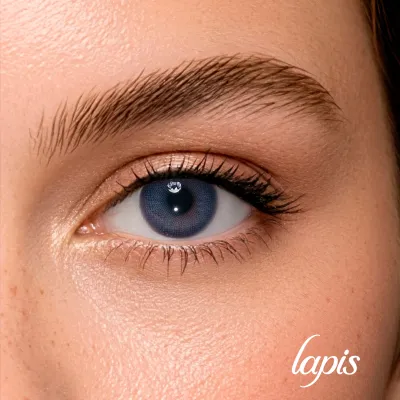
Claro Lapis - Colored Contact Lenses
*{box-sizing:border-box;} .lapis-page{ width:100%; margin:0; padding:0; font-family:Arial,Helvetica,sans-serif; color:#34495e; line-height:1…