



In an age where personal expression is celebrated, many seek subtle yet impactful ways to refine their appearance. For those desiring a gentle shift in their eye color, the realm of natural colored contacts offers an intriguing solution. Unlike their more dramatic counterparts, these lenses are meticulously designed to blend seamlessly with your existing eye tone, adding depth, vibrancy, or a slight hue alteration that enhances your natural beauty without overtly announcing a change. This comprehensive guide will navigate you through the nuances of selecting, wearing, and caring for these specialized lenses, ensuring both aesthetic satisfaction and paramount ocular health. Understanding the intricate balance between design, material, and personal fit is crucial for achieving that coveted, authentic look. Whether you're looking to brighten your blues, deepen your browns, or add a hint of green, the journey begins with informed choices and a commitment to eye wellness. We'll delve into the science of lens coloration, the importance of professional consultation, and practical tips for daily use, empowering you to make the best decision for your eyes and your style.
The Allure of Understated Eye Color Enhancement
The desire to subtly enhance one's natural features is a common thread in personal grooming and style. For many, this extends to their eyes, the windows to the soul. Natural colored contact lenses cater precisely to this aspiration, offering an elegant way to modify eye color without resorting to an artificial or overtly dramatic appearance. These lenses are engineered to provide a gentle, believable transformation, making your eyes appear more vibrant, defined, or simply a slightly different shade, all while maintaining an authentic look that complements your overall features.
Why Seek a Gentle Transformation?
The motivation behind choosing a subtle eye color change often stems from a desire for refinement rather than reinvention. Perhaps you wish to intensify your existing eye color, making light eyes sparkle more or dark eyes appear richer. Some may want to experiment with a new shade that is just a few tones away from their natural hue, like transitioning from a deep brown to a warm hazel, or from a light blue to a more pronounced aqua. This gentle approach allows for personal experimentation and boosts confidence, knowing that the change is harmonious and true to your inherent beauty. It’s about enhancing, not masking, what you already have, providing a refreshed look that feels inherently 'you'.
Defining "Natural" in eye lenses
When discussing "natural" colored contacts, the term refers to lenses designed with intricate patterns and color gradients that mimic the iris's complex structure. Unlike opaque, single-color lenses, natural options often feature multiple tones, a limbal ring (a dark ring around the iris), and speckles that imitate the human eye's natural variations. These details prevent the lens from looking flat or artificial. The goal is to create depth and dimension, ensuring the color change looks organic under various lighting conditions. High-quality natural colored contacts achieve this by incorporating sophisticated printing techniques that replicate the subtle nuances found in real irises, making the enhancement virtually undetectable to the casual observer.
Selecting the Ideal Hue for Your Unique Features
Choosing the right shade of colored contact lenses is paramount to achieving a natural and flattering look. It's not merely about picking a color you like; it involves a thoughtful consideration of your existing eye color, skin tone, hair color, and even your personal style. The aim is to find a shade that harmonizes with your overall appearance, creating an enhancement that looks as though you were born with it. This careful selection process ensures that the lenses truly elevate your gaze rather than creating a disconnect.
Complementing Your Original Eye Color
Your natural eye color serves as the foundation for selecting an enhancing lens. For individuals with light eyes (blue, green, grey), lenses that add depth or a slight tint can be very effective. A blue-eyed person might opt for a sapphire or ocean blue to intensify their gaze, while someone with green eyes might choose an emerald or jade shade. For dark eyes (brown, black), the challenge is often to lighten the shade subtly. Hazel, honey, or light brown tones can introduce warmth and a gentle shift. Some lenses are designed with a transparent center to allow your natural pupil color to show through, further enhancing the realistic effect. Experimenting with shades that are only one or two steps away from your current color often yields the most natural-looking results.
Considering Skin Tone and Hair Color
Beyond your eyes, your skin tone and hair color play a significant role in how a particular lens shade will appear. Warm skin tones (with yellow or golden undertones) often pair beautifully with warm-toned lenses such as hazel, honey, or light brown. Cool skin tones (with pink or blue undertones) might find that cool-toned lenses like blues, greys, or even some greens complement their complexion best. Similarly, hair color can influence the overall impression. A person with warm, golden blonde hair might look stunning with a hazel lens, while someone with cool, ash-brown hair might prefer a grey or blue lens. Thinking holistically about your features will guide you towards a truly harmonious selection.
Understanding Different Lens Designs
The design of the colored contact lens itself is crucial for a natural appearance. Most natural-looking Colored Contact Lenses feature a multi-layered design. This typically includes a limbal ring, which is a darker outer circle that defines the iris and can make eyes appear larger and more youthful. Inside this ring, multiple color layers are applied, often with a starburst or dot matrix pattern, to mimic the natural texture and depth of the iris. Some designs also incorporate a translucent inner ring that blends with your natural eye color, preventing a harsh line between your pupil and the lens color. Understanding these design elements can help you identify lenses that offer the most convincing and realistic enhancement.
Prioritizing Comfort and Ocular Health
While aesthetics are a primary driver for choosing natural colored contacts, the health and comfort of your eyes must always take precedence. contact lenses are medical devices, and proper care, material understanding, and professional guidance are non-negotiable for safe wear. Neglecting these aspects can lead to discomfort, irritation, and potentially serious eye complications. Your vision and eye health are invaluable, making informed decisions about lens comfort and hygiene essential.
Material Science Behind Comfortable Wear
Modern natural colored contacts are crafted from advanced materials designed for comfort and safety. Hydrogel and silicone hydrogel are the most common materials. Hydrogel lenses are known for their high water content, which contributes to a soft and comfortable feel. Silicone hydrogel lenses, a newer generation, offer superior oxygen permeability, allowing more oxygen to reach the cornea. This is vital for maintaining eye health and reducing the risk of hypoxia-related issues, especially for extended wear. When choosing lenses, understanding the material composition and its benefits for breathability and moisture retention is key to ensuring a comfortable experience throughout the day.
The Role of Water Content and Oxygen Permeability
Two critical factors influencing lens comfort and eye health are water content and oxygen permeability (Dk/t value). Lenses with higher water content often feel more comfortable initially, as they stay moist on the eye. However, in dry environments, they can sometimes draw moisture from the eye, leading to dryness. Oxygen permeability, measured by the Dk/t value, indicates how much oxygen can pass through the lens to the cornea. A high Dk/t is crucial for keeping the cornea healthy, as it relies on oxygen from the air. Lenses with excellent oxygen flow minimize the risk of irritation, redness, and long-term complications. Always consult with your eye care professional to determine the optimal balance of these factors for your specific eye needs and wearing schedule.
Essential Hygiene Practices for Lens Users
Maintaining impeccable hygiene is perhaps the most critical aspect of wearing any type of contact lens, including natural colored contacts. Before handling your lenses, always wash your hands thoroughly with soap and water and dry them with a lint-free towel. Use only fresh, sterile contact lens solution recommended by your eye care professional for cleaning, rinsing, and storing your lenses. Never use tap water, saliva, or homemade solutions, as these can introduce harmful microorganisms. Replace your lens case every three months and never 'top off' old solution with new. Adhering strictly to your prescribed wearing schedule and replacement frequency (daily, weekly, monthly) is also vital. These practices are fundamental to preventing eye infections and ensuring a safe and comfortable lens-wearing experience.
Navigating the Purchase Process and Professional Guidance
Acquiring natural colored contacts requires more than just picking a shade; it involves understanding legal requirements, identifying reputable suppliers, and, most importantly, seeking professional eye care advice. These lenses are medical devices, regardless of whether they correct vision, and their improper use can lead to serious eye health issues. Prioritizing safety and expert consultation will ensure a positive and healthy experience with your eye color enhancement journey.
Why a Prescription is Non-Negotiable
In many regions, including the United States and the European Union, all contact lenses, including plano (non-corrective) natural colored contacts, are classified as medical devices and require a valid prescription from an eye care professional. This is not merely a legal formality; it's a crucial step for your eye health. An optometrist or ophthalmologist will conduct a comprehensive eye exam to measure your eyes for proper lens fit, assess your tear film, and check for any pre-existing conditions that might make contact lens wear unsafe. A poorly fitting lens can cause corneal abrasions, ulcers, and infections. Therefore, obtaining a prescription ensures that the lenses you choose are safe and appropriate for your unique ocular anatomy.
Reputable Sources for Quality Lenses
Once you have a prescription, purchasing your Colored Contact Lenses from reputable sources is essential. This typically includes licensed optical stores, authorized online retailers, or directly from your eye care professional's office. These channels guarantee that you receive genuine, FDA-approved (or equivalent regulatory body approved) products that meet safety and quality standards. Be wary of unauthorized vendors, novelty shops, or unverified online marketplaces that sell lenses without requiring a prescription. Lenses from such sources may be counterfeit, improperly manufactured, or made from unsafe materials, posing significant risks to your eye health. Always prioritize certified retailers to protect your vision.
Consulting an Eye Care Specialist
Before you even consider which shade of natural colored contacts to try, a consultation with an eye care specialist is indispensable. Beyond providing a prescription, they will offer personalized advice on lens types, materials, and wearing schedules best suited for your eyes. They can also demonstrate proper insertion and removal techniques, discuss cleaning regimens, and educate you on recognizing signs of potential complications. Regular follow-up appointments are also crucial to monitor your eye health and ensure continued safe lens wear. Your eye doctor is your primary resource for ensuring that your pursuit of enhanced eye color is both beautiful and safe.
Beyond Aesthetics: Practical Tips for Daily Use
Adopting natural colored contacts into your daily routine involves more than just selecting the perfect shade; it requires mastering practical application, diligent maintenance, and attentive self-monitoring. Proper handling and care are fundamental to extending the life of your lenses, preserving their aesthetic quality, and, most importantly, safeguarding your eye health. These daily practices ensure that your experience with eye color enhancement remains comfortable and risk-free.
Insertion and Removal Techniques
Mastering the correct techniques for inserting and removing your natural colored contacts is crucial for comfort and hygiene. Always start with clean, dry hands. When inserting, place the lens on the tip of your index finger, ensuring it's not inside out (the edges should form a perfect cup, not flare out). Use your other hand to hold your upper eyelid, and your middle finger to pull down your lower eyelid. Look up and gently place the lens on the white part of your eye, then slowly look down to allow it to center. For removal, again with clean hands, look up, pull down your lower eyelid, and gently pinch the lens with your thumb and index finger, sliding it off your eye. Practice in front of a mirror until you feel confident.
Storage and Maintenance Protocols
The longevity and safety of your Colored Contact Lenses heavily depend on strict adherence to storage and maintenance protocols. Always store your lenses in a clean, designated contact lens case filled with fresh, sterile multi-purpose solution after each use. Never use water or saline solution for storage, as they lack the necessary disinfecting properties. Ensure the case is tightly closed. For daily disposable lenses, discard them after a single use and never attempt to clean or reuse them. For extended-wear or monthly lenses, follow the cleaning instructions provided by your eye care professional and the lens manufacturer meticulously. Replace your lens case every three months to prevent bacterial buildup, which can lead to infections.
Recognizing Signs of Discomfort or Irritation
Even with the best practices, it's vital to be vigilant for any signs of discomfort or irritation while wearing natural colored contacts. Common symptoms to watch for include persistent redness, excessive tearing, unusual discharge, blurred vision, sensitivity to light, or a feeling of something being in your eye. If you experience any of these symptoms, immediately remove your lenses and consult your eye care professional. Do not attempt to self-diagnose or continue wearing the lenses if discomfort persists. Early detection and treatment of potential issues are key to preventing more serious complications and preserving your long-term eye health. Always prioritize your comfort and vision.
Embracing the world of natural colored contacts can be a delightful journey, offering a subtle yet impactful way to enhance your personal style. By prioritizing eye health, seeking professional guidance, and adhering to diligent care practices, you can enjoy the aesthetic benefits of these innovative lenses safely and comfortably. Remember, a beautiful gaze is always rooted in healthy eyes. Make informed choices, consult your eye care specialist regularly, and let your eyes shine with a natural radiance that truly reflects you.
Sıkça Sorulan Sorular
What makes colored contacts look "natural"?
Do I need a prescription for natural colored contact lenses?
How do I choose the right natural shade for my eyes?
What are the best practices for caring for colored contacts?
Can I wear natural colored contacts all day?
Konuyla ilgili öne çıkan ürünler
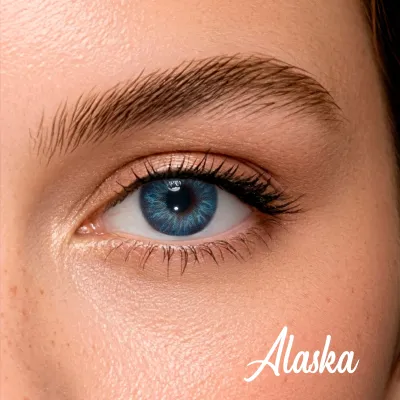
Claro Alaska - Colored Contact Lenses
*{box-sizing:border-box;} .alaska-page{ width:100%; margin:0; padding:0; font-family:Arial,Helvetica,sans-serif; color:#34495e; line-height:…
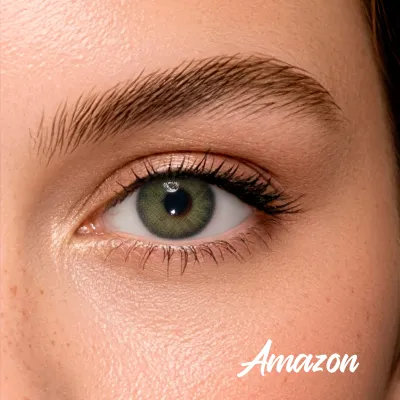
Claro Amazon - Colored Contact Lenses
*{box-sizing:border-box;} .amazon-page{ width:100%; margin:0; padding:0; font-family:Arial,Helvetica,sans-serif; color:#34495e; line-height:…
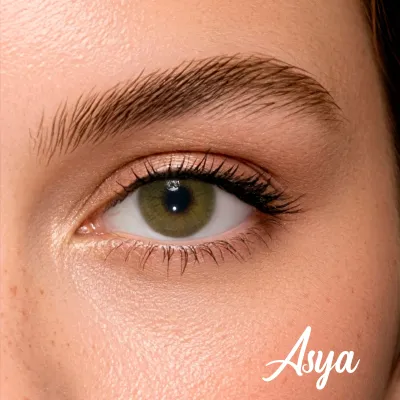
Claro Asya - Colored Contact Lenses
*{box-sizing:border-box;} .asya-page{ width:100%; margin:0; padding:0; font-family:Arial,Helvetica,sans-serif; color:#34495e; line-height:1.…
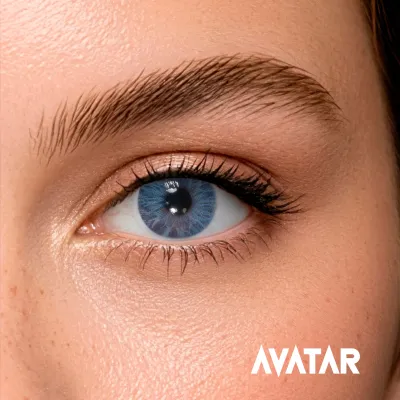
Claro Avatar - Colored Contact Lenses
*{box-sizing:border-box;} .avatar-page{ width:100%; margin:0; padding:0; font-family:Arial,Helvetica,sans-serif; color:#34495e; line-height:…
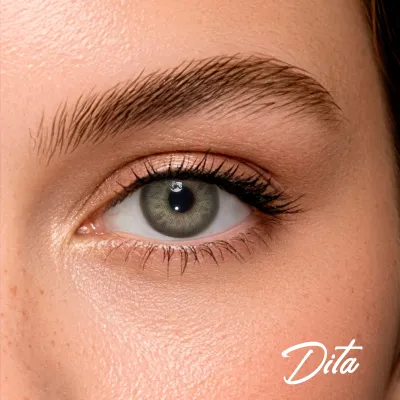
Claro Dita - Colored Contact Lenses
*{box-sizing:border-box;} .dita-page{ width:100%; margin:0; padding:0; font-family:Arial,Helvetica,sans-serif; color:#34495e; line-height:1.…
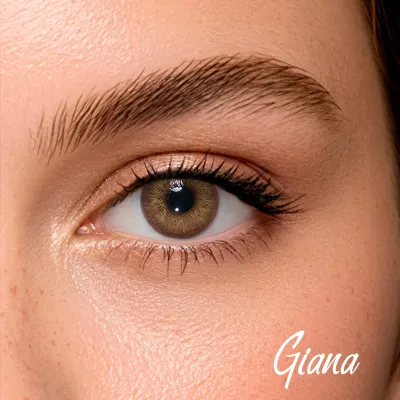
Claro Giana - Colored Contact Lenses
*{box-sizing:border-box;} .giana-page{ width:100%; margin:0; padding:0; font-family:Arial,Helvetica,sans-serif; color:#3b2a1d; line-height:1…
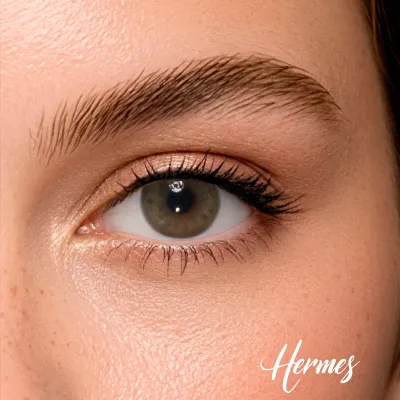
Claro Hermes - Colored Contact Lenses
*{box-sizing:border-box;} .hermes-page{ width:100%; margin:0; padding:0; font-family:Arial,Helvetica,sans-serif; color:#34495e; line-height:…
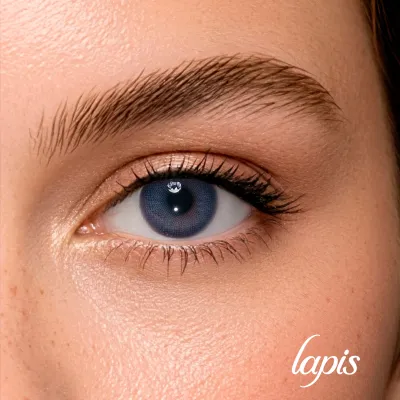
Claro Lapis - Colored Contact Lenses
*{box-sizing:border-box;} .lapis-page{ width:100%; margin:0; padding:0; font-family:Arial,Helvetica,sans-serif; color:#34495e; line-height:1…