



The desire to alter one's appearance is as old as time, and for many, changing eye color offers a captivating transformation. Different colored eye contacts provide a unique opportunity to enhance your natural look or completely reinvent your gaze. From subtle enhancements to dramatic shifts, these specialized lenses have become a popular accessory, allowing individuals to express their personality and style. However, beyond the aesthetic appeal, understanding the nuances of selection, safety, and care is paramount. This comprehensive guide delves into everything you need to know about cosmetic contact lenses, ensuring a beautiful and healthy experience.
Transforming Your Look with Cosmetic Contact Lenses
Cosmetic contact lenses, often simply referred to as colored contacts, are designed to change the appearance of your natural eye color. They come in a vast spectrum of hues, patterns, and designs, offering endless possibilities for personal expression. While some seek a subtle shift, perhaps to intensify their natural eye color or add a hint of sparkle, others aim for a complete transformation, opting for vibrant blues, greens, or even exotic shades like violet or hazel. The evolution of lens technology has made these transformations more natural-looking and comfortable than ever before. It's crucial to remember that despite their cosmetic purpose, all contact lenses, including those without vision correction (plano lenses), are medical devices. Therefore, they require the same level of professional care and adherence to safety guidelines as corrective lenses.
Choosing the Right Hue for Your Desired Aesthetic
Selecting the perfect shade involves more than just picking a color you like; it requires considering several factors to achieve your desired outcome, whether it's a natural enhancement or a striking change.
Matching with Your Natural Eye Color and Skin Tone
Your natural eye color plays a significant role in how a colored lens will appear. If you have light eyes, enhancement tints can subtly deepen your existing color, while opaque lenses can completely change it. For darker eyes, opaque lenses are typically necessary to achieve a noticeable color change. Furthermore, considering your skin tone and hair color can help create a harmonious look. Warm skin tones might complement hazel, brown, or green shades, while cool tones often pair well with blues, grays, and violets. Experimenting with different shades, ideally under the guidance of an eye care professional, can help you find the most flattering option.
Deciding Between Subtle Enhancement and Dramatic Change
The choice between a subtle enhancement and a dramatic transformation depends entirely on your personal preference and the occasion. Enhancement tints are translucent and are designed to intensify your natural eye color, adding depth and definition without drastically altering the hue. These are ideal for those seeking a natural-looking boost. Opaque colored lenses, on the other hand, are designed to completely mask your natural eye color and replace it with a new one. These offer a more noticeable and transformative effect, perfect for making a bold statement or for costume purposes. Understanding this distinction is key to managing expectations and achieving your desired aesthetic.
Navigating the Variety of Tinted Lens Options
The market for colored contact lenses offers a diverse range of products, each designed with specific effects and wear schedules in mind. Understanding these varieties is essential for making an informed choice.
Understanding Opaque, Enhancement, and Visibility Tints
- Opaque Tints: These lenses feature a solid, non-transparent color that completely covers your natural iris, allowing for a dramatic change in eye color. They are available in a wide array of colors, from natural shades like blue, green, and brown to more vibrant or exotic hues.
- Enhancement Tints: Designed to enhance your natural eye color, these lenses are translucent. They add depth and intensity to light-colored eyes, making them appear more vibrant without a complete color change. They are not suitable for dark eyes if a significant color alteration is desired.
- Visibility Tints: These are usually light blue or green tints added to clear contact lenses to make them easier to see during insertion and removal. They do not change your eye color.
Exploring Different Wear Schedules and Designs
Colored contact lenses come in various wear schedules, similar to clear corrective lenses. Daily disposables offer maximum convenience and hygiene, as they are discarded after each use. Bi-weekly or monthly lenses require daily cleaning and proper storage, but offer a more cost-effective solution over time. Beyond color, designs also vary. Some lenses feature a limbal ring, a dark circle around the iris, which can make eyes appear larger and more defined. Multi-tone lenses incorporate several shades to create a more natural, dimensional look. Special effect or novelty lenses are also available for costumes or theatrical purposes, but these often require extra caution and professional guidance due to their unique designs and potential for reduced oxygen permeability.
Essential Safety Practices for Eye Health
While the allure of different colored eye contacts is undeniable, prioritizing eye health and safety must always come first. Misuse or improper selection can lead to serious eye complications, including infections, corneal abrasions, and even permanent vision loss.
The Critical Role of a Prescription and Professional Fitting
It cannot be stressed enough: all contact lenses, including plano (non-corrective) colored contacts, require a valid prescription from a licensed eye care professional. An optometrist or ophthalmologist will measure your eyes to ensure the lenses fit correctly, assess your eye health, and provide instructions on proper wear and care. A poorly fitting lens can cause discomfort, blurry vision, and restrict oxygen flow to the cornea, leading to irritation and potential damage. Never purchase contact lenses without a prescription, even if they are purely for cosmetic purposes.
Recognizing and Avoiding Counterfeit Products
The market for colored contact lenses has unfortunately seen an influx of counterfeit and unregulated products, often sold online or in unauthorized retail outlets. These lenses may not meet safety standards, can be made from inferior materials, or may not be properly sterilized. Using such products poses a significant risk to your eye health. Always purchase your lenses from reputable sources, such as licensed optical shops, authorized online retailers, or directly from your eye care provider. Look for brands that are approved by health regulatory bodies in your region. Be wary of unusually low prices or sellers who do not require a prescription.
Caring for Your Colored Lenses: A Comprehensive Guide
Proper care and hygiene are fundamental to maintaining eye health and extending the life of your colored contact lenses. Neglecting these practices can lead to discomfort, infections, and other serious complications.
Proper Handling and Hygiene Protocols
Before touching your lenses or eyes, always wash your hands thoroughly with soap and water, and dry them with a lint-free towel. Avoid using tap water to rinse or store your lenses, as it can contain microorganisms that cause serious eye infections. Always insert and remove lenses carefully, following the instructions provided by your eye care professional. Avoid sharing your colored contacts with others, as this can transmit bacteria and lead to infections. If you experience any redness, irritation, pain, or blurred vision, remove your lenses immediately and consult your eye care provider.
Cleaning, Storage, and Replacement Schedules
For reusable lenses, a strict cleaning and storage regimen is essential. Always use a fresh, FDA-approved contact lens solution for cleaning, rinsing, and storing your lenses. Never reuse old solution. Clean your lens case regularly with fresh solution and allow it to air dry, replacing it every three months to prevent bacterial buildup. Adhere strictly to the recommended replacement schedule for your lenses, whether they are daily, bi-weekly, or monthly. Overwearing lenses beyond their prescribed lifespan can reduce oxygen permeability and increase the risk of complications. Always follow your eye care professional's specific instructions for your particular lens type.
Acquiring Authentic and Safe Cosmetic eye wear
Making an informed decision about where and how to purchase your colored contact lenses is just as important as choosing the right color and understanding proper care. Your eye health depends on it.
Identifying Reputable Suppliers and Brands
To ensure you are getting safe and authentic products, always buy your colored contact lenses from trusted sources. This includes licensed optometrists, ophthalmologists, and reputable optical stores or online retailers that require a valid prescription. Look for brands that are well-established and have a track record of quality and safety. Be cautious of websites or vendors that offer lenses without requiring a prescription, as these often sell unregulated or counterfeit products. Verifying a supplier's credentials and reading customer reviews can also provide valuable insights into their reliability.
Consulting Your Eye Care Professional Before Purchase
Before making any purchase, a consultation with your eye care professional is indispensable. They can assess your suitability for different colored eye contacts, recommend specific brands and types that best fit your eyes, and provide a precise prescription. This initial fitting ensures comfort and minimizes health risks. Your optometrist can also guide you on the most appropriate wear schedule and care routine for your chosen lenses, addressing any concerns you might have. Their expertise is your best defense against potential complications and ensures a positive and safe experience with your new eye color.
Different colored eye contacts offer an exciting way to transform your appearance, but their use comes with significant responsibilities. By prioritizing safety, seeking professional guidance, and adhering to proper care routines, you can enjoy the aesthetic benefits of these unique lenses while maintaining optimal eye health. Always remember that your vision is precious, and informed choices are key to a beautiful and safe experience.
Sıkça Sorulan Sorular
Do I need a prescription for different colored eye contacts, even if I don't need vision correction?
How do I choose the right color for my eyes?
What are the different types of tinted contact lenses available?
What are the most important safety practices for using colored contact lenses?
Konuyla ilgili öne çıkan ürünler
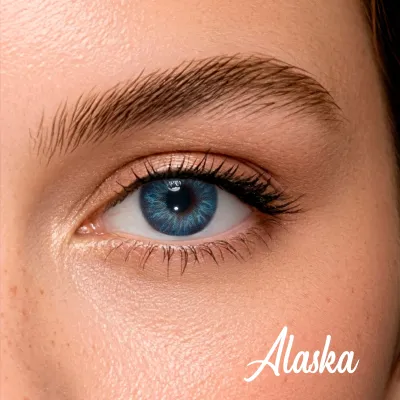
Claro Alaska - Colored Contact Lenses
*{box-sizing:border-box;} .alaska-page{ width:100%; margin:0; padding:0; font-family:Arial,Helvetica,sans-serif; color:#34495e; line-height:…
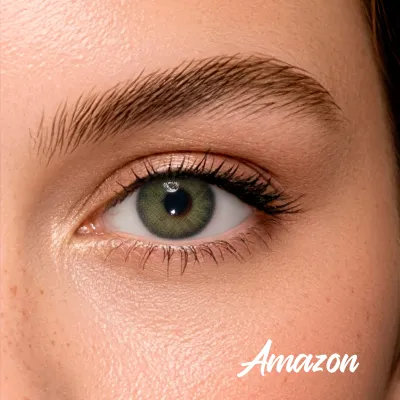
Claro Amazon - Colored Contact Lenses
*{box-sizing:border-box;} .amazon-page{ width:100%; margin:0; padding:0; font-family:Arial,Helvetica,sans-serif; color:#34495e; line-height:…
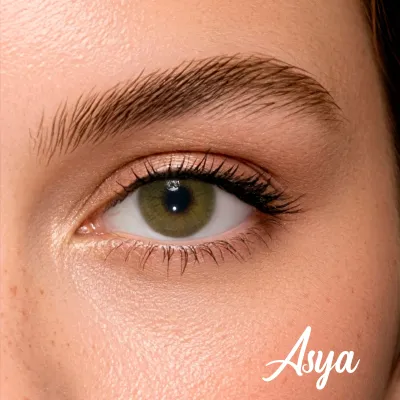
Claro Asya - Colored Contact Lenses
*{box-sizing:border-box;} .asya-page{ width:100%; margin:0; padding:0; font-family:Arial,Helvetica,sans-serif; color:#34495e; line-height:1.…

Claro Avatar - Colored Contact Lenses
*{box-sizing:border-box;} .avatar-page{ width:100%; margin:0; padding:0; font-family:Arial,Helvetica,sans-serif; color:#34495e; line-height:…
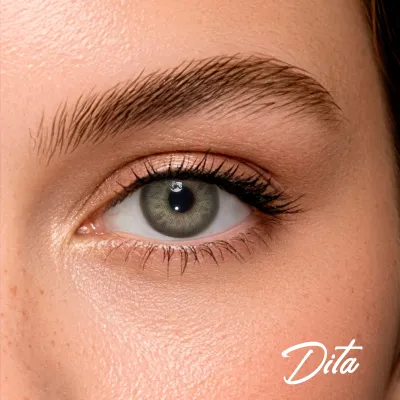
Claro Dita - Colored Contact Lenses
*{box-sizing:border-box;} .dita-page{ width:100%; margin:0; padding:0; font-family:Arial,Helvetica,sans-serif; color:#34495e; line-height:1.…
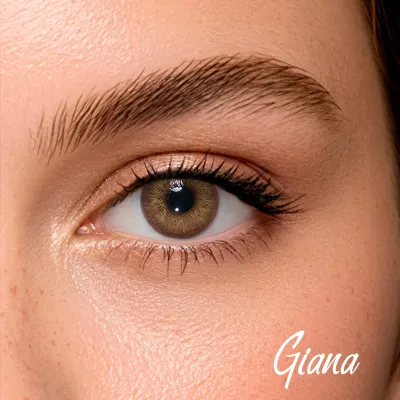
Claro Giana - Colored Contact Lenses
*{box-sizing:border-box;} .giana-page{ width:100%; margin:0; padding:0; font-family:Arial,Helvetica,sans-serif; color:#3b2a1d; line-height:1…
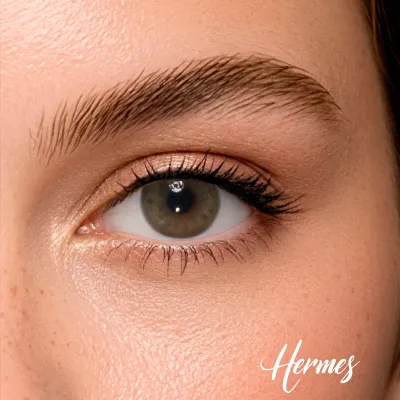
Claro Hermes - Colored Contact Lenses
*{box-sizing:border-box;} .hermes-page{ width:100%; margin:0; padding:0; font-family:Arial,Helvetica,sans-serif; color:#34495e; line-height:…
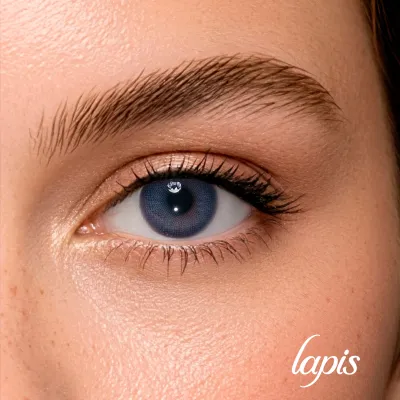
Claro Lapis - Colored Contact Lenses
*{box-sizing:border-box;} .lapis-page{ width:100%; margin:0; padding:0; font-family:Arial,Helvetica,sans-serif; color:#34495e; line-height:1…