



For many, the desire to subtly alter or enhance their eye color is a journey towards self-expression and boosted confidence. Among the myriad options available within the broader category of Colored Contact Lenses, those designed to mimic the rich, multi-dimensional tones of hazel eyes stand out for their ability to offer a sophisticated and realistic transformation. This comprehensive guide delves into everything you need to know about selecting, wearing, and caring for these popular eye enhancers, ensuring both aesthetic satisfaction and optimal eye health.
Understanding the Appeal of Subtle Eye Color Enhancement
The human eye is a marvel of natural beauty, and for centuries, individuals have sought ways to accentuate its allure. Unlike dramatic color changes, the appeal of lenses that provide a natural hazel hue lies in their ability to blend seamlessly with one's existing eye color, creating an effect that is both noticeable and undeniably authentic. These lenses are crafted to replicate the intricate patterns of the iris, often featuring multiple tones and limbal rings that add depth and dimension. This nuanced design ensures that the enhancement appears as if it were your natural eye color, rather than an artificial overlay. The result is an eye-catching yet understated transformation that complements various skin tones and personal styles, making them a versatile choice for everyday wear or special occasions.
Key Considerations for Selecting Your Ideal Shade
Choosing the right pair of eye lenses to achieve a natural hazel look involves more than just picking a color. It requires careful consideration of several factors to ensure the final effect is both flattering and realistic. The goal is to find a shade that harmonizes with your natural features and personal aesthetic.
Matching Your Natural Eye Tone
The base color of your eyes plays a significant role in how a hazel lens will appear. If you have light blue or green eyes, a lighter hazel shade with subtle yellow or green undertones might create a soft, warm transition. For darker brown eyes, a richer, more opaque hazel with amber or gold flecks can provide a captivating yet believable lightening effect. It's crucial to consider how the lens's pattern will interact with your existing iris, as this determines the depth and realism of the final look. Many brands offer variations ranging from 'light hazel' to 'deep hazel' to cater to this spectrum.
Exploring Different Design Patterns
Beyond the primary color, the intricate design of the lens is paramount. Some lenses feature a simple, uniform color layer, while others incorporate complex radial patterns, starburst effects, or multiple color layers to mimic the iris's natural complexity. A well-designed lens will often include a subtle limbal ring (the dark outer edge of the iris) to add definition and make the eyes appear larger and more youthful. Experimenting with different patterns can reveal how varying levels of detail contribute to a more authentic and captivating appearance. Reputable manufacturers invest heavily in research and development to create patterns that truly replicate the human iris.
Daily vs. Extended Wear Options
Your lifestyle and eye health needs will dictate whether daily disposable or extended wear options are more suitable. Daily disposables offer maximum hygiene and convenience, as a fresh pair is used each day, eliminating the need for cleaning and storage. This is often recommended for those with sensitive eyes or allergies. Extended wear lenses, typically for two weeks or a month, require diligent cleaning and disinfection routines but offer cost-effectiveness for regular users. Always consult with an eye care professional to determine the best wear schedule for your individual eye health.
Material Science and Comfort in eye wear
Modern contact lenses are engineered with advanced materials to prioritize both visual acuity and wearer comfort. The choice of material significantly impacts how long you can comfortably wear your lenses and how well your eyes breathe.
Understanding Lens Materials
Most soft contact lenses are made from hydrogel or silicone hydrogel. Hydrogel lenses are known for their high water content, which contributes to comfort, but may have lower oxygen permeability. Silicone hydrogel, a newer advancement, allows significantly more oxygen to reach the cornea, reducing the risk of dryness and irritation, especially for extended wear. This increased breathability is crucial for maintaining eye health and comfort throughout the day. When selecting lenses for a natural hazel look, pay attention to the material specifications, often listed as Dk/t value (oxygen transmissibility).
Features for Enhanced Comfort
Beyond the base material, many lenses incorporate features designed to improve comfort. These include wetting agents embedded in the lens material, ultra-smooth surfaces to minimize friction with the eyelid, and optimized edge designs that reduce irritation. Some lenses are specifically designed for dry eyes, featuring technologies that retain moisture more effectively. Prioritizing comfort ensures that your experience with eye color enhancement is pleasant and sustainable, allowing you to enjoy your new look without discomfort.
Proper Care and Maintenance for Extended Use
Maintaining impeccable hygiene and following a strict care regimen are paramount for anyone wearing contact lenses, especially for extended wear varieties. Neglecting proper care can lead to serious eye infections and discomfort.
Essential Cleaning Practices
For reusable lenses, always wash your hands thoroughly with soap and water and dry them with a lint-free towel before handling your lenses. Use only fresh, sterile contact lens solution recommended by your eye care professional. Never use tap water, saliva, or homemade solutions, as these can introduce harmful microorganisms. Rub and rinse your lenses as instructed by your optometrist or the solution manufacturer, and store them in a clean, disinfected lens case filled with fresh solution. Replace your lens case every three months to prevent bacterial buildup.
Recognizing and Addressing Discomfort
Even with the best care, occasional discomfort can occur. Symptoms like redness, irritation, excessive tearing, blurred vision, or sensitivity to light warrant immediate attention. If you experience any of these, remove your lenses immediately and consult your eye care professional. Do not attempt to self-diagnose or continue wearing lenses if discomfort persists. It's also important to adhere to the prescribed wearing schedule and replacement frequency; overwearing lenses can lead to oxygen deprivation and other complications.
Navigating the Purchase Process for Cosmetic Lenses
Acquiring cosmetic contact lenses, including those designed for a natural hazel effect, requires a responsible approach that prioritizes eye health and safety. These are medical devices, even if primarily used for aesthetic purposes.
The Importance of Professional Consultation
Before purchasing any type of contact lens, a comprehensive eye examination and a prescription from a licensed eye care professional are absolutely essential. An optometrist or ophthalmologist will assess your eye health, measure your eye's curvature (base curve) and diameter, and determine if you are a suitable candidate for contact lens wear. They will also provide a precise prescription that includes the lens power (if needed), base curve, and diameter, ensuring a proper and comfortable fit. Lenses that don't fit correctly can cause irritation, vision problems, or even damage to the cornea.
Choosing Reputable Suppliers
Always purchase your lenses from reputable sources, whether it's your eye care professional's office, a certified optical store, or a verified online retailer that requires a valid prescription. Be wary of unauthorized sellers or websites that offer lenses without requiring a prescription, as these products may be counterfeit, non-sterile, or made from inferior materials, posing significant risks to your eye health. Reputable suppliers adhere to strict quality control standards and provide genuine, FDA-approved (or equivalent regulatory body approved) products. When exploring the wide range of Colored Contact Lenses, prioritizing safety and professional guidance is paramount.
The Science Behind Realistic Eye Color Changes
The ability of contact lenses to transform eye color, particularly to a natural hazel, is a testament to sophisticated optical engineering and biomimicry. These lenses don't just add a layer of color; they interact with your existing eye color and the light around you to create a dynamic and convincing effect.
How Pigmentation Works
Cosmetic lenses are manufactured with a transparent central zone for vision and a colored outer ring that covers the iris. The pigmentation is typically encapsulated within the lens material, preventing direct contact with the eye and ensuring safety. The color is not a solid block but often a complex pattern of dots, lines, and varying opacities designed to mimic the natural variations found in a real iris. This multi-tonal approach allows the lens to blend with the natural pigments of your eye, creating a unique and personalized hazel shade that looks incredibly realistic. The way light reflects off and passes through these patterns contributes to the perceived depth and authenticity of the color change.
Impact on Visual Perception
While the primary function of these lenses is cosmetic, their design also ensures that they do not interfere with your vision. The clear pupil area allows for unobstructed sight, and the tinting is carefully placed to avoid encroaching on the visual axis. However, some individuals might notice a slight difference in their peripheral vision or in low-light conditions due to the opaque colored portion of the lens. This is generally minimal and most users adapt quickly. It's another reason why a professional fitting is crucial; an optometrist can assess if the lens design is compatible with your visual needs and pupil size, especially in varying light conditions.
Sıkça Sorulan Sorular
What makes natural hazel contact lenses look realistic?
Do I need a prescription to buy natural hazel contact lenses?
How do I choose the right shade of hazel for my eyes?
What are the essential care steps for reusable hazel contact lenses?
Can natural hazel lenses cause discomfort or affect vision?
Konuyla ilgili öne çıkan ürünler
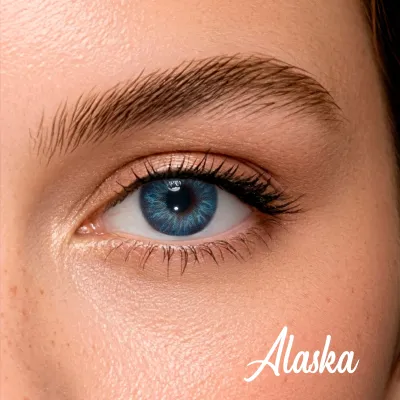
Claro Alaska - Colored Contact Lenses
*{box-sizing:border-box;} .alaska-page{ width:100%; margin:0; padding:0; font-family:Arial,Helvetica,sans-serif; color:#34495e; line-height:…
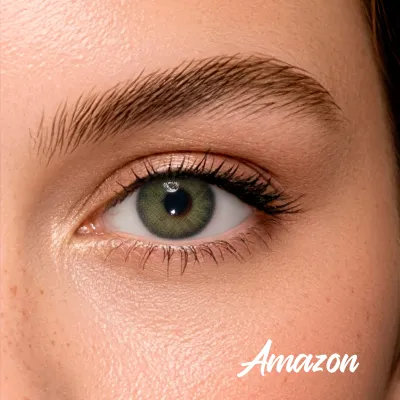
Claro Amazon - Colored Contact Lenses
*{box-sizing:border-box;} .amazon-page{ width:100%; margin:0; padding:0; font-family:Arial,Helvetica,sans-serif; color:#34495e; line-height:…
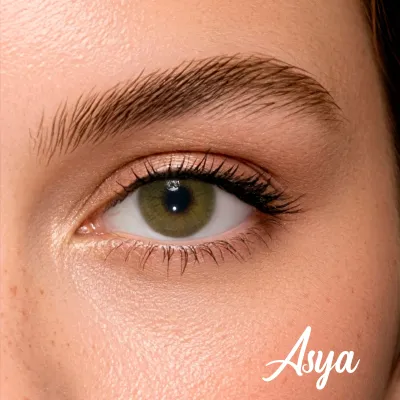
Claro Asya - Colored Contact Lenses
*{box-sizing:border-box;} .asya-page{ width:100%; margin:0; padding:0; font-family:Arial,Helvetica,sans-serif; color:#34495e; line-height:1.…
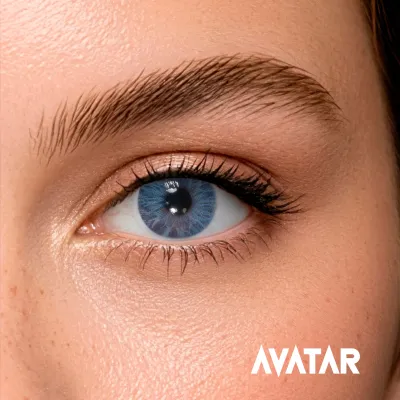
Claro Avatar - Colored Contact Lenses
*{box-sizing:border-box;} .avatar-page{ width:100%; margin:0; padding:0; font-family:Arial,Helvetica,sans-serif; color:#34495e; line-height:…
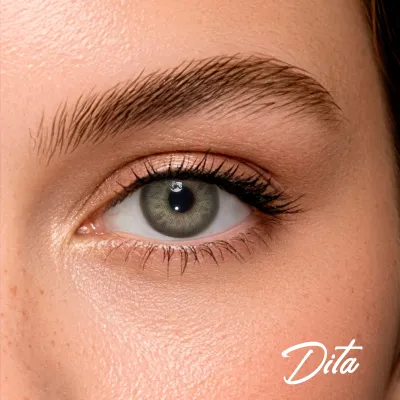
Claro Dita - Colored Contact Lenses
*{box-sizing:border-box;} .dita-page{ width:100%; margin:0; padding:0; font-family:Arial,Helvetica,sans-serif; color:#34495e; line-height:1.…
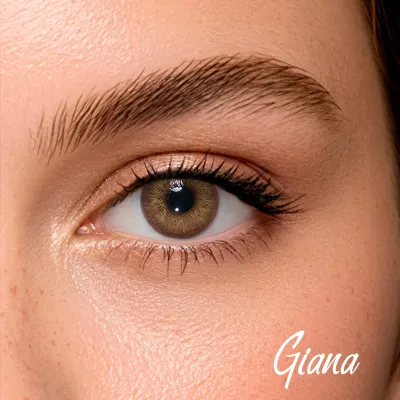
Claro Giana - Colored Contact Lenses
*{box-sizing:border-box;} .giana-page{ width:100%; margin:0; padding:0; font-family:Arial,Helvetica,sans-serif; color:#3b2a1d; line-height:1…
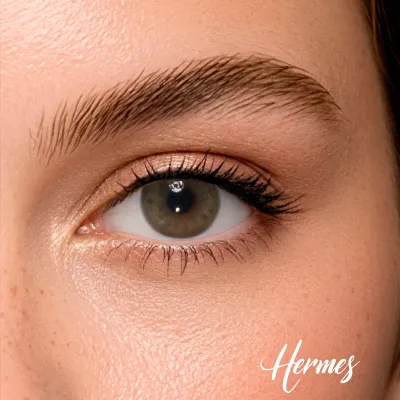
Claro Hermes - Colored Contact Lenses
*{box-sizing:border-box;} .hermes-page{ width:100%; margin:0; padding:0; font-family:Arial,Helvetica,sans-serif; color:#34495e; line-height:…
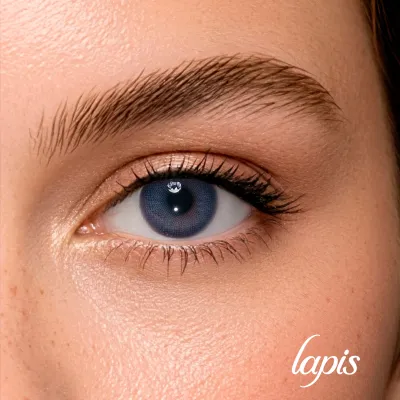
Claro Lapis - Colored Contact Lenses
*{box-sizing:border-box;} .lapis-page{ width:100%; margin:0; padding:0; font-family:Arial,Helvetica,sans-serif; color:#34495e; line-height:1…