



For those with deep, dark eyes, the allure of a striking color transformation can be incredibly captivating. While many believe that achieving a noticeable change requires extensive effort, the truth is that modern cosmetic optics offer sophisticated solutions. Specifically, violet contact lenses for dark eyes present a unique opportunity to introduce a vibrant, yet often subtle, shift that can truly redefine your look. This comprehensive guide explores everything you need to know about selecting, wearing, and caring for these enchanting lenses, ensuring both stunning aesthetics and optimal eye health.
The journey to finding the perfect pair of colored contact lenses begins with understanding how they interact with your natural eye color. Unlike lighter irises, dark eyes require lenses with specific pigmentation and opacity to ensure the new color is visible and appears natural. Violet, a color often associated with creativity and luxury, offers a spectrum of shades from soft lavenders to deep amethysts, providing diverse options for personal expression. Our aim is to empower you with the knowledge to make an informed choice, transforming your gaze with confidence and style.
The Science Behind Eye Color Transformation
Understanding how colored contact lenses work is fundamental to appreciating their transformative power, especially for individuals with darker irises. The human eye's color is determined by the amount and distribution of melanin in the iris. Dark eyes, by definition, contain a higher concentration of this pigment. Therefore, for a new color to be visible, the contact lens must effectively mask or blend with this existing pigmentation.
How Pigment and Opacity Interact
Colored contact lenses achieve their effect through a combination of pigment and opacity. Opaque lenses are designed to completely cover your natural eye color, offering a dramatic change. These lenses feature a solid layer of color that sits over your iris, making them ideal for dark eyes seeking a bold transformation. Enhancement tints, on the other hand, are translucent and designed to intensify or subtly alter your natural eye color. While effective for lighter eyes, they typically have a less pronounced effect on dark irises, though some very vibrant enhancement tints might offer a subtle shimmer. For violet contact lenses on dark eyes, opaque varieties are generally recommended to ensure the purple hue is clearly visible and impactful.
Exploring Diverse Violet Tones
The spectrum of violet available in colored contact lenses is surprisingly broad. You can find shades ranging from soft, pastel lavenders that offer a gentle, ethereal glow, to deep, rich amethyst or indigo tones that create a more dramatic and mysterious effect. Some lenses even incorporate multi-tone designs, blending different shades of purple with hints of blue or grey to create a more realistic and multidimensional appearance. When considering violet contact lenses for dark eyes, it's crucial to visualize how these different tones will interact with your natural brown or black iris. A lighter violet might appear more striking, while a deeper shade could offer a more subtle, yet noticeable, enhancement. Exploring various options within the 'Colored Contact Lenses' category will reveal the breadth of artistic possibilities.
Choosing Your Ideal Shade of Purple
Selecting the perfect shade of violet is a deeply personal decision that goes beyond merely liking a color. It involves considering various factors to ensure the lenses complement your overall appearance and align with your desired aesthetic. The goal is to achieve a look that feels authentic and enhances your natural beauty, whether for daily wear or special occasions.
Harmonizing with Skin and Hair Undertones
Just as with makeup or clothing, certain colored contact lenses will flatter your complexion more than others. Your skin's undertone (warm, cool, or neutral) and hair color play a significant role in how a particular shade of violet will appear. For individuals with cool undertones and darker hair, deeper, jewel-toned violets or those with blueish hints can create a striking, harmonious contrast. If you have warmer undertones and perhaps lighter brown hair, a violet with reddish or pinkish undertones, or even a brighter lavender, might complement your features beautifully. Experimenting with different shades, perhaps virtually, can help you visualize the outcome and make an informed choice that truly enhances your unique characteristics.
Matching Lenses to Your Lifestyle
Your lifestyle and intended use for the lenses should also guide your selection. Are you looking for a subtle change for everyday wear, or a bold statement for parties and special events? For daily use, a more muted or natural-looking violet, perhaps with a limbal ring (a dark ring around the iris), can offer a believable transformation. For dramatic occasions, you might opt for a more vibrant, opaque violet that truly stands out. Consider the environments you'll be in – different lighting conditions can significantly alter how the color appears. A shade that looks vibrant in natural daylight might appear more subdued indoors. Thinking about these practical aspects ensures your chosen violet contact lenses for dark eyes serve their purpose effectively.
Prioritizing Eye Health with Cosmetic Lenses
While the aesthetic appeal of colored contact lenses is undeniable, eye health must always be the paramount concern. Cosmetic contact lenses are medical devices, and their improper use can lead to serious eye complications, including infections, corneal abrasions, and even vision loss. Adhering to strict hygiene protocols and seeking professional guidance are non-negotiable steps for anyone considering eye color transformation.
Best Practices for Lens Hygiene
Maintaining impeccable hygiene is critical for safe contact lens wear. Always wash your hands thoroughly with soap and water and dry them with a lint-free towel before handling your lenses. Use only fresh, sterile contact lens solution recommended by your eye care professional to clean, rinse, and store your lenses. Never use tap water, saliva, or any other non-sterile liquid, as these can introduce harmful microorganisms. Replace your lens case every three months to prevent bacterial buildup. Adhering to the prescribed wearing schedule – whether daily, bi-weekly, or monthly – is also vital. Overwearing lenses can restrict oxygen flow to your eyes, leading to discomfort and potential damage. Proper care ensures your violet contact lenses for dark eyes remain safe and comfortable.
The Indispensable Role of Eye Care Professionals
Obtaining a prescription from a qualified eye care professional is a legal and essential step for all contact lenses, including cosmetic ones. An optometrist or ophthalmologist will perform a comprehensive eye exam to determine if you are a suitable candidate for contact lens wear, assess your eye health, and measure your eyes to ensure a proper fit. Ill-fitting lenses can cause discomfort, blurry vision, and even corneal damage. They will also provide crucial instructions on insertion, removal, cleaning, and care. Even if you don't require vision correction, a prescription is mandatory to ensure the lenses are safe and appropriate for your eyes. Never purchase colored contact lenses from unauthorized sources or without a valid prescription, as this poses significant risks to your ocular health.
Varieties of Aesthetic Eye Enhancements
The market for colored contact lenses offers a diverse range of products designed to cater to different needs and preferences. Understanding these varieties helps in making an informed decision about which type of violet contact lenses for dark eyes will best suit your lifestyle and desired outcome. From wear schedules to tint types, each option presents distinct advantages.
Understanding Different Wear Schedules
Contact lenses are available with various replacement schedules, impacting both convenience and hygiene. Daily disposable lenses are worn once and then discarded, offering the highest level of hygiene and convenience as they eliminate the need for cleaning and storage. Bi-weekly or monthly disposable lenses are worn for their prescribed period, requiring daily cleaning and proper storage. While more economical in the long run, they demand a commitment to a strict care routine. Extended wear lenses, designed to be worn continuously for several days or weeks, are less common for cosmetic purposes and require specific approval from an eye care professional due to increased risk of complications. Your choice of wear schedule should align with your commitment to lens care and your budget.
Distinguishing Enhancement from Opaque Tints
As previously touched upon, the primary distinction in colored lenses lies between enhancement tints and opaque tints. Enhancement tints are translucent and designed to subtly enhance your natural eye color, often by adding depth or a slight shimmer. They are generally more effective on lighter eyes. Opaque tints, conversely, are designed to completely change your eye color. These lenses have a solid, non-transparent layer of color that covers your iris, making them the go-to choice for individuals with dark eyes who wish to achieve a noticeable violet transformation. Within opaque lenses, you can find various designs, including those with a defined limbal ring for a more youthful or dramatic look, or those with a softer edge for a more natural blend. For violet contact lenses on dark eyes, opaque options provide the most striking and visible results, allowing the purple hue to truly shine through.
Navigating the Purchase of Quality Colored Lenses
Once you've decided on the type and shade of violet contact lenses for dark eyes, the next crucial step is to acquire them safely and reliably. The market is flooded with options, but not all sources are reputable or provide genuine, safe products. Prioritizing quality and authenticity is paramount to protect your vision and ensure a satisfactory experience.
Reputable Sources and Authenticity Verification
Always purchase your colored contact lenses from authorized retailers, optical shops, or licensed online vendors that require a valid prescription. These sources are regulated and ensure that the products they sell are FDA-approved (or equivalent regulatory body in your region) and meet stringent quality and safety standards. Be wary of unauthorized sellers, beauty supply stores, or online marketplaces that do not require a prescription, as these often sell counterfeit or substandard lenses that can be extremely harmful to your eyes. Check for certifications, read reviews, and verify the seller's credentials. A trusted retailer will also provide clear information about the brand, material, and specifications of the lenses, ensuring you receive genuine 'Colored Contact Lenses' designed for safety and comfort.
What to Look for in a Trusted Supplier
A reliable supplier for violet contact lenses for dark eyes will offer several key indicators of trustworthiness. They should explicitly require a valid prescription before completing any purchase. Their website or physical store should provide detailed product descriptions, including material, water content, base curve, and diameter. Transparent return and exchange policies, responsive customer service, and clear contact information are also signs of a reputable vendor. Furthermore, a good supplier will offer a range of well-known and respected contact lens brands, indicating their commitment to quality. Avoid suppliers with suspiciously low prices, vague product information, or those that pressure you into quick purchases without proper verification, as these are red flags that could indicate unsafe practices.
Dispelling Myths and Addressing User Queries
The world of cosmetic contact lenses often comes with its share of misconceptions and common questions. Addressing these can help alleviate concerns and provide a clearer picture of what to expect when wearing violet contact lenses for dark eyes. From comfort levels to longevity, understanding the realities ensures a positive experience.
Comfort, Vision, and Lens Compatibility
A common concern for first-time users is whether colored contact lenses will be comfortable or affect their vision. Modern contact lenses, including colored ones, are designed to be highly breathable and comfortable, thanks to advanced materials like hydrogel and silicone hydrogel. However, comfort can vary between individuals and brands. If you experience discomfort, dryness, or irritation, consult your eye care professional. Regarding vision, properly fitted colored lenses should not impair your sight. The colored portion of the lens is typically designed to cover only the iris, leaving the pupil clear for unobstructed vision. Some users might notice a slight peripheral blur in very dim lighting conditions, but this is generally minimal. Compatibility with your eyes is determined during your eye exam, where your optometrist ensures the lens parameters (base curve, diameter) match your eye's shape, preventing issues like excessive movement or tightness.
Maximizing the Lifespan of Your Lenses
The lifespan of your violet contact lenses for dark eyes is directly tied to their replacement schedule and how well you care for them. Daily disposables are for single use only and should never be worn for more than one day. Bi-weekly or monthly lenses must be cleaned and stored properly every night and replaced exactly as prescribed, even if they still feel comfortable. Overextending the life of any contact lens significantly increases the risk of eye infections and other complications. Factors like environmental dust, makeup residue, and even your body's natural tear film can degrade lenses over time, making them less comfortable and less safe. Adhering to the manufacturer's guidelines and your eye care professional's advice is the best way to ensure your lenses remain effective, comfortable, and safe for their intended lifespan. By following these guidelines, you can confidently enjoy the stunning transformation offered by your chosen 'Colored Contact Lenses'.
Sıkça Sorulan Sorular
Can dark eyes truly change color with violet lenses?
Are violet contact lenses safe for daily wear?
How do I choose the right shade of violet?
What is the difference between opaque and enhancement violet lenses?
Do I need a prescription for cosmetic contact lenses?
Konuyla ilgili öne çıkan ürünler
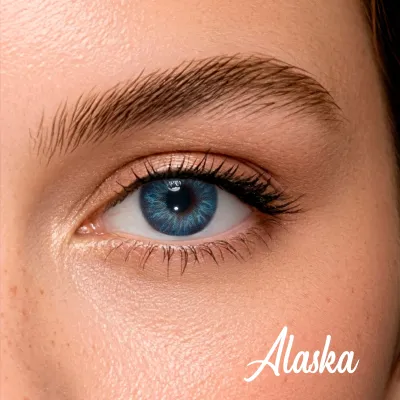
Claro Alaska - Colored Contact Lenses
*{box-sizing:border-box;} .alaska-page{ width:100%; margin:0; padding:0; font-family:Arial,Helvetica,sans-serif; color:#34495e; line-height:…
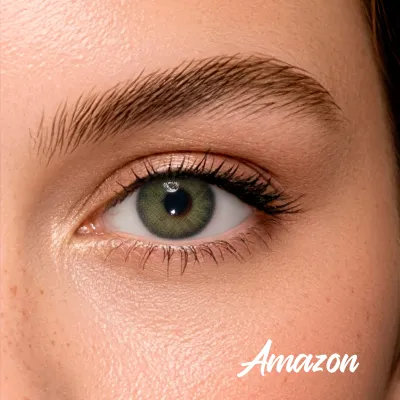
Claro Amazon - Colored Contact Lenses
*{box-sizing:border-box;} .amazon-page{ width:100%; margin:0; padding:0; font-family:Arial,Helvetica,sans-serif; color:#34495e; line-height:…
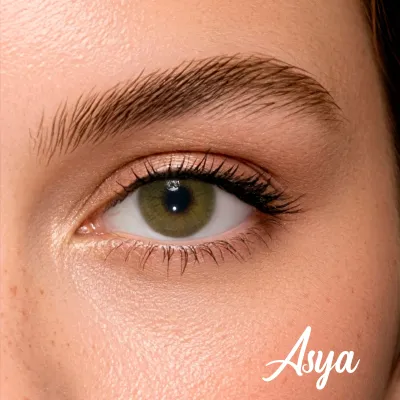
Claro Asya - Colored Contact Lenses
*{box-sizing:border-box;} .asya-page{ width:100%; margin:0; padding:0; font-family:Arial,Helvetica,sans-serif; color:#34495e; line-height:1.…
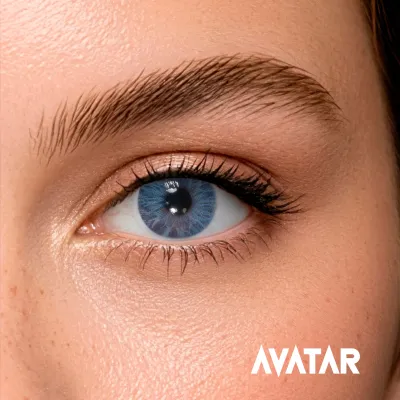
Claro Avatar - Colored Contact Lenses
*{box-sizing:border-box;} .avatar-page{ width:100%; margin:0; padding:0; font-family:Arial,Helvetica,sans-serif; color:#34495e; line-height:…
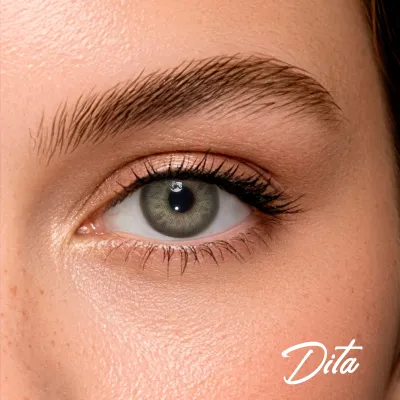
Claro Dita - Colored Contact Lenses
*{box-sizing:border-box;} .dita-page{ width:100%; margin:0; padding:0; font-family:Arial,Helvetica,sans-serif; color:#34495e; line-height:1.…
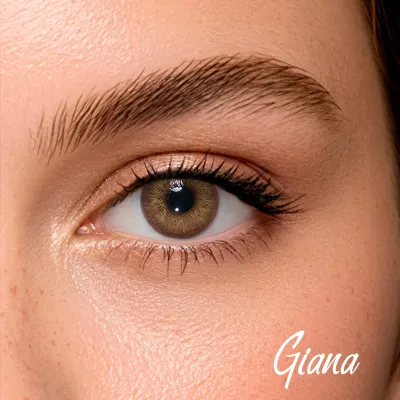
Claro Giana - Colored Contact Lenses
*{box-sizing:border-box;} .giana-page{ width:100%; margin:0; padding:0; font-family:Arial,Helvetica,sans-serif; color:#3b2a1d; line-height:1…
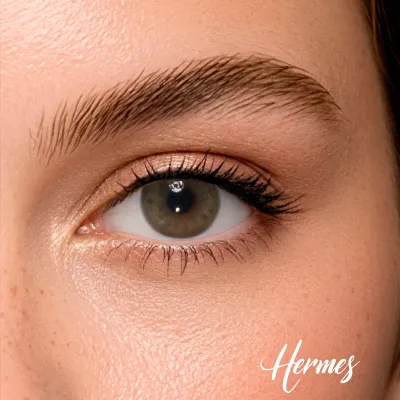
Claro Hermes - Colored Contact Lenses
*{box-sizing:border-box;} .hermes-page{ width:100%; margin:0; padding:0; font-family:Arial,Helvetica,sans-serif; color:#34495e; line-height:…
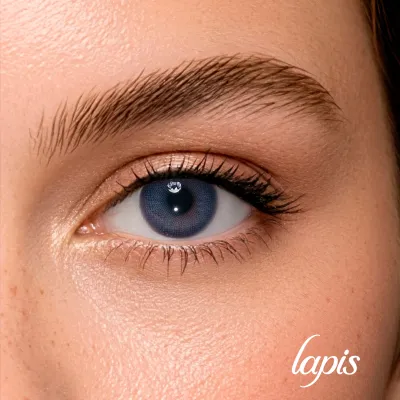
Claro Lapis - Colored Contact Lenses
*{box-sizing:border-box;} .lapis-page{ width:100%; margin:0; padding:0; font-family:Arial,Helvetica,sans-serif; color:#34495e; line-height:1…