



For individuals with naturally dark eyes, the prospect of altering their eye color can seem both exciting and daunting. While lighter eyes might easily pick up subtle tints, achieving a dramatic or even a noticeable change on deeper brown or black irises requires specialized solutions. This comprehensive guide delves into the nuances of selecting, wearing, and caring for ocular accessories specifically designed to transform or enhance the appearance of dark eyes, ensuring both stunning aesthetics and paramount eye health.
Understanding Eye Color Transformation for Deeper Shades
The journey to a new eye color begins with understanding how these specialized vision-altering devices interact with your natural pigmentation. Dark eyes possess a high concentration of melanin, which can make it challenging for standard enhancement tints to show through effectively. Therefore, a different approach is often necessary to achieve a vibrant and noticeable change.
How Pigmentation Affects Lens Outcome
Your natural eye color acts as a canvas. For those with dark eyes, this canvas is rich and opaque. Lenses designed for lighter eyes often feature translucent tints that merely enhance or subtly shift the existing hue. However, to truly alter a dark iris, the lens must be opaque enough to completely mask the natural color while displaying the new shade vividly. This is why selecting the correct type of lens is paramount for a successful transformation.
The Science Behind Opaque Coloration
Opaque cosmetic lenses are engineered with a solid, non-transparent color layer that sits over your natural iris. This layer is meticulously patterned to mimic the intricate details of a natural iris, ensuring a realistic appearance. The central portion of the lens, corresponding to your pupil, remains clear to allow for unobstructed vision. Advanced manufacturing techniques ensure that these colored contact lenses are comfortable, breathable, and safe for daily wear when properly fitted and cared for.
Exploring Different Types of Cosmetic Eye Enhancers
The market offers a variety of options for those seeking to change their eye color. Understanding the distinctions between these types is crucial for making an informed choice that aligns with your desired outcome and natural eye color.
Opaque Tints for Complete Coverage
Opaque lenses are the go-to choice for individuals with dark eyes aiming for a significant color change. These lenses feature a dense, solid color that completely covers your natural iris, allowing you to switch from dark brown to striking blue, vibrant green, or alluring gray. They are designed to deliver a dramatic effect and are available in a wide spectrum of colors and patterns.
Enhancement Tints for Subtle Changes
While primarily designed for lighter eyes, some enhancement tints with a slightly denser pigment might offer a subtle deepening or brightening effect on very dark eyes, particularly around the limbal ring. However, for a noticeable color shift, opaque options are almost always recommended for darker irises. It's essential to consult with an eye care professional to determine if an enhancement tint could work for your specific eye color.
Custom-Designed Options for Unique Needs
For those with unique aesthetic requirements or specific eye conditions, custom-designed ocular devices offer unparalleled personalization. These lenses can be tailored to match a particular shade, incorporate unique patterns, or even address specific vision needs that standard options might not cover. While often more expensive, they provide a bespoke solution for a truly individualized look.
Selecting the Ideal Hue and Pattern for Your Look
Choosing a new eye color is an exciting decision, but it requires careful consideration to ensure the final result is both stunning and natural-looking. Several factors play a role in determining which shade and pattern will best complement your features.
Matching Colors to Skin Tone and Hair
To achieve a harmonious look, consider your skin tone and hair color. Warm skin tones (with yellow or golden undertones) often pair beautifully with warm lens colors like hazel, light brown, or certain shades of green. Cool skin tones (with pink or blue undertones) might be better suited to cool lens colors such as blue, gray, or violet. Experimenting with different shades can help you discover what truly enhances your overall appearance.
Considering Pupil Hole Size and Limbal Ring Effects
The design of the lens, beyond its color, significantly impacts realism. The pupil hole, the clear center of the lens, should ideally match the size of your natural pupil to avoid an artificial "ring" effect. A well-defined limbal ring (the dark outer edge of the iris) can add depth and make the eyes appear larger and more youthful. Some lenses feature a pronounced limbal ring, while others offer a softer transition.
Virtual Try-On Tools and Sample Packs
Many reputable retailers offer virtual try-on tools on their websites, allowing you to upload a photo and see how various shades would look on you. This can be an invaluable first step. Additionally, some eye care professionals or online stores might offer sample packs or individual pairs for trial, enabling you to experience the color and comfort firsthand before committing to a larger purchase. Always ensure any trial lenses are obtained through legitimate channels and used under professional guidance.
Prioritizing Eye Health: Prescriptions and Professional Guidance
While the aesthetic appeal of color-changing lenses is undeniable, eye health must always be the top priority. These are medical devices, and their improper use can lead to serious complications, including infections, corneal abrasions, and even permanent vision loss.
The Non-Negotiable Need for an Eye Exam
Regardless of whether you need vision correction, a comprehensive eye exam and a valid prescription from a licensed eye care professional are absolutely mandatory for all types of vision-altering eyewear, including purely cosmetic ones. An optometrist or ophthalmologist will measure your eyes, assess your eye health, and determine the correct base curve and diameter for a safe and comfortable fit. Lenses that don't fit properly can scratch your cornea, restrict oxygen flow, and cause discomfort.
Understanding Base Curve and Diameter Measurements
These measurements are critical for lens fit. The base curve refers to the curvature of the inside of the lens, which must match the curvature of your cornea. The diameter indicates the width of the lens. Incorrect measurements can lead to lenses that are too tight (causing irritation and oxygen deprivation) or too loose (leading to excessive movement and blurry vision). Only an eye care professional can accurately provide these measurements.
Recognizing and Avoiding Counterfeit Products
The market, unfortunately, contains numerous counterfeit or unregulated cosmetic lenses, often sold without a prescription from unauthorized vendors. These products may be made from inferior materials, lack proper sterilization, or contain toxic dyes, posing severe risks to your eye health. Always purchase your colored contact lenses from reputable, licensed suppliers who require a valid prescription.
Maintaining Your Ocular Accessories: Care and Hygiene Essentials
Proper care and hygiene are paramount for extending the life of your vision-altering devices and, more importantly, for safeguarding your eye health. Neglecting these practices can lead to discomfort, infections, and other serious complications.
Daily Cleaning Routines for Longevity
Always wash your hands thoroughly with soap and water and dry them with a lint-free towel before handling your lenses. Use only fresh, sterile contact lens solution recommended by your eye care professional for cleaning and rinsing. Never use tap water, saliva, or homemade solutions, as these can introduce harmful microorganisms. Rub, rinse, and store your lenses according to the solution manufacturer's instructions and your doctor's advice.
Proper Storage Solutions and Replacement Schedules
Store your lenses in a clean, disinfected lens case filled with fresh solution after each use. Replace your lens case every three months to prevent bacterial buildup. Adhere strictly to the replacement schedule prescribed for your specific type of colored contact lenses, whether they are daily disposables, bi-weekly, or monthly. Overwearing lenses beyond their recommended lifespan significantly increases the risk of complications.
Signs of Infection and When to Seek Help
Be vigilant for any signs of eye irritation or infection, such as redness, pain, excessive tearing, discharge, light sensitivity, or sudden changes in vision. If you experience any of these symptoms, remove your lenses immediately and contact your eye care professional without delay. Prompt medical attention is crucial to prevent minor issues from escalating into severe eye conditions.
Where to Find Quality Vision-Altering Eyewear
When it comes to purchasing specialized ocular devices, the source matters immensely. Opting for reputable suppliers ensures you receive authentic, safe, and high-quality products that meet stringent health standards.
Reputable Online Retailers vs. Local Opticians
Both online retailers and local opticians can be excellent sources for acquiring colored contact lenses. Online stores often provide a wider selection of brands and colors, competitive pricing, and the convenience of home delivery. However, local opticians offer personalized fitting services, immediate access to professional advice, and the ability to physically inspect products. Whichever route you choose, ensure the vendor requires a valid prescription and is licensed to sell medical devices.
Verifying Authenticity and Product Certifications
Before making a purchase, always verify the authenticity of the product and look for certifications from regulatory bodies (e.g., FDA in the US, CE Mark in Europe). Reputable brands will clearly display this information. Be wary of unusually low prices or sellers who do not ask for a prescription, as these are red flags for potentially unsafe counterfeit products. Trustworthy suppliers prioritize your eye health by adhering to strict quality control measures.
Understanding Return Policies and Customer Support
A reliable supplier will have clear return policies and accessible customer support. This is particularly important if you encounter issues with fit, comfort, or if the color doesn't meet your expectations. Before finalizing a purchase, review their policies regarding exchanges, refunds, and how to contact their support team for assistance. A strong commitment to customer satisfaction is a hallmark of a trustworthy provider of colored contact lenses.
Embracing a new eye color can be a transformative experience, offering a fresh perspective on your personal style. By understanding the unique considerations for dark eyes, prioritizing professional guidance, adhering to strict hygiene practices, and choosing reputable sources for your vision-altering eyewear, you can safely explore a world of vibrant hues. Remember, your eye health is paramount, and a responsible approach ensures both stunning aesthetics and lasting comfort.
Sıkça Sorulan Sorular
Can individuals with very dark eyes achieve a noticeable color change with cosmetic lenses?
Are prescription colored lenses available for those with vision correction needs?
How do I choose the right color that complements my natural features?
What are the key safety precautions when using eye color changing devices?
How often should I replace my cosmetic eye enhancers?
Konuyla ilgili öne çıkan ürünler
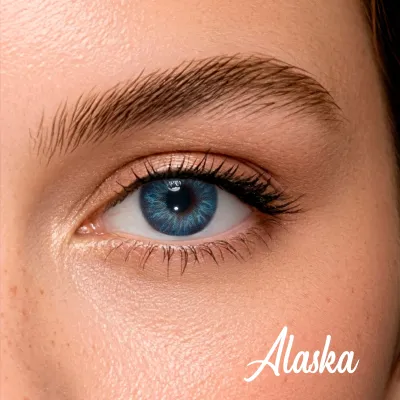
Claro Alaska - Colored Contact Lenses
*{box-sizing:border-box;} .alaska-page{ width:100%; margin:0; padding:0; font-family:Arial,Helvetica,sans-serif; color:#34495e; line-height:…
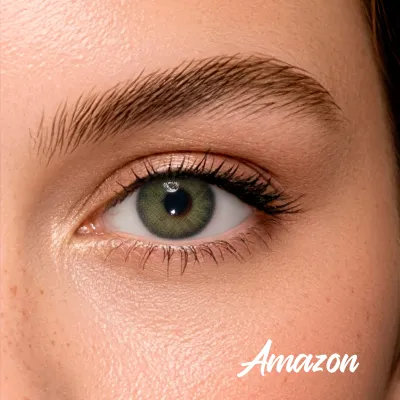
Claro Amazon - Colored Contact Lenses
*{box-sizing:border-box;} .amazon-page{ width:100%; margin:0; padding:0; font-family:Arial,Helvetica,sans-serif; color:#34495e; line-height:…
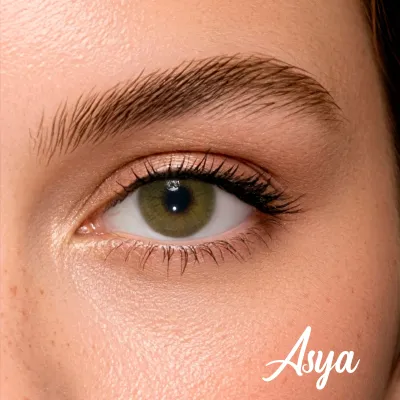
Claro Asya - Colored Contact Lenses
*{box-sizing:border-box;} .asya-page{ width:100%; margin:0; padding:0; font-family:Arial,Helvetica,sans-serif; color:#34495e; line-height:1.…

Claro Avatar - Colored Contact Lenses
*{box-sizing:border-box;} .avatar-page{ width:100%; margin:0; padding:0; font-family:Arial,Helvetica,sans-serif; color:#34495e; line-height:…
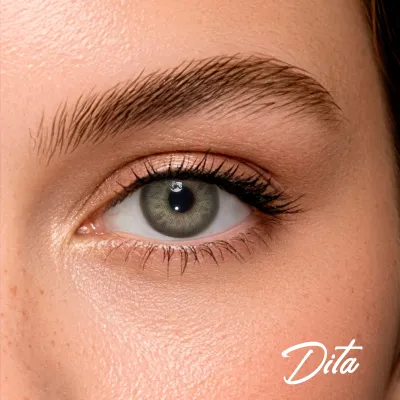
Claro Dita - Colored Contact Lenses
*{box-sizing:border-box;} .dita-page{ width:100%; margin:0; padding:0; font-family:Arial,Helvetica,sans-serif; color:#34495e; line-height:1.…
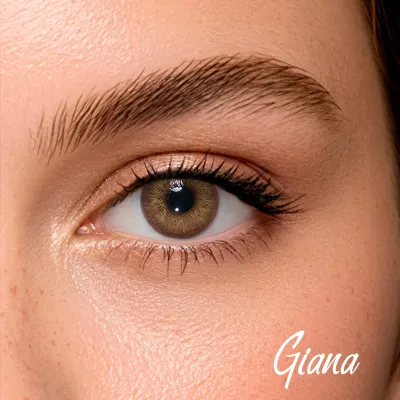
Claro Giana - Colored Contact Lenses
*{box-sizing:border-box;} .giana-page{ width:100%; margin:0; padding:0; font-family:Arial,Helvetica,sans-serif; color:#3b2a1d; line-height:1…
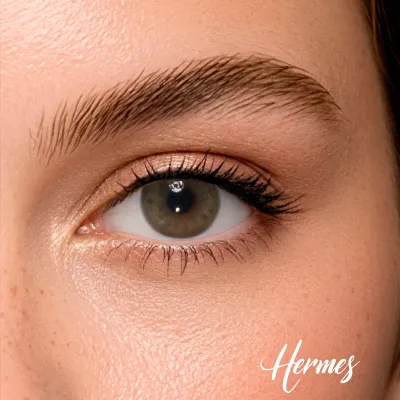
Claro Hermes - Colored Contact Lenses
*{box-sizing:border-box;} .hermes-page{ width:100%; margin:0; padding:0; font-family:Arial,Helvetica,sans-serif; color:#34495e; line-height:…
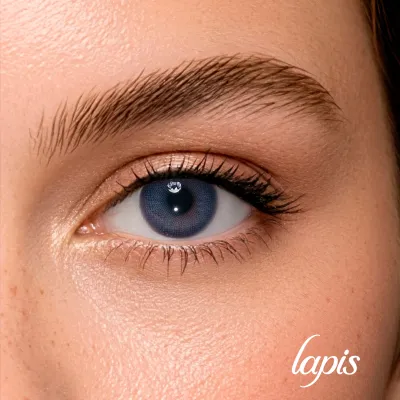
Claro Lapis - Colored Contact Lenses
*{box-sizing:border-box;} .lapis-page{ width:100%; margin:0; padding:0; font-family:Arial,Helvetica,sans-serif; color:#34495e; line-height:1…