


-36x36.png)

Embarking on the journey of choosing contact lenses can feel overwhelming with the myriad of options available. From correcting various vision impairments to enhancing your natural eye color, contact lenses offer unparalleled freedom and convenience compared to traditional eyeglasses. At Opticzade, we understand that finding the perfect pair is a deeply personal decision that impacts your comfort, vision clarity, and overall eye health. This comprehensive guide is designed to empower you with the knowledge needed to make an informed choice, ensuring you select lenses that perfectly align with your lifestyle and visual needs.
Understanding Your Vision Needs
The first and most critical step in selecting contact lenses is a thorough understanding of your specific vision correction requirements. Different lenses are designed to address various refractive errors, and knowing yours is foundational to a successful fit. Your eye care professional will determine your exact prescription during a comprehensive eye examination.
Single Vision Lenses
These are the most common type, designed to correct either nearsightedness (myopia) or farsightedness (hyperopia). They provide a single focal power across the entire lens, offering clear vision at a specific distance.
Toric Lenses for Astigmatism
Astigmatism occurs when your cornea or lens has an irregular curvature, leading to blurred or distorted vision at all distances. Toric contact lenses are specially designed with different powers in different meridians of the lens to correct this condition. They are weighted to remain in a specific orientation on the eye for optimal vision.
Multifocal and Bifocal Options
For individuals experiencing presbyopia, an age-related condition that makes it difficult to focus on close-up objects, multifocal or bifocal contact lenses offer a solution. These lenses contain multiple prescriptions in one, allowing you to see clearly at varying distances – near, intermediate, and far – without needing reading glasses.
Exploring Contact Lens Types
Beyond vision correction, contact lenses are categorized by their replacement schedule, which significantly impacts convenience, cost, and hygiene. Understanding these types will help you weigh the pros and cons for your daily routine.
Daily Disposable Lenses
These lenses are worn once and then discarded at the end of the day. They offer the highest level of hygiene and convenience, as there's no need for cleaning solutions or storage. Daily disposables are an excellent choice for individuals with allergies or sensitive eyes, as a fresh, sterile lens is used every day, minimizing deposit buildup.
Reusable Lenses (Bi-weekly, Monthly)
Designed for extended use, bi-weekly (two-week) and monthly disposable lenses require daily cleaning and disinfection. They are removed each night, cleaned with a recommended solution, and stored in a lens case. While they demand a commitment to a strict hygiene routine, they can be a more cost-effective option for many users. Opticzade offers a wide array of reusable lenses from trusted brands.
Extended Wear Lenses
Some contact lenses are approved for extended wear, meaning they can be worn continuously for several days or even up to a month, including while sleeping. These lenses are typically made from highly breathable silicone hydrogel materials that allow more oxygen to reach the eye. However, extended wear carries a higher risk of eye infections, and their use should always be discussed thoroughly with your eye care professional.
Material Matters: Comfort and Health
The material of your contact lenses plays a crucial role in comfort, oxygen permeability, and overall eye health. Advancements in lens technology have led to materials that cater to a variety of needs, including those with dry or sensitive eyes.
Hydrogel vs. Silicone Hydrogel
Traditional hydrogel lenses are made from water-containing plastics that allow oxygen to pass through to the cornea. While comfortable, their oxygen permeability is limited. Silicone hydrogel lenses, a newer generation, combine hydrogel with silicone, significantly increasing oxygen transmission to the eye. This enhanced breathability makes them a popular choice for extended wear and for individuals seeking greater comfort and reduced dryness.
Lenses for Dry Eyes
If you suffer from dry eyes, choosing the right lens material is paramount. Many modern lenses are specifically designed with features to combat dryness, such as higher water content, moisture-retaining agents, or lower water content (which can sometimes be better as they draw less moisture from the eye). Your eye care professional can recommend specific brands and materials known for their dry eye comfort properties.
Beyond Correction: Aesthetic and Speciality Lenses
Contact lenses aren't just for vision correction; they also offer opportunities for aesthetic enhancement and therapeutic benefits.
Enhance Your Look with Colored Contacts
Colored contact lenses allow you to change or enhance your natural eye color, adding a subtle or dramatic flair to your appearance. Available in prescription and plano (non-prescription) forms, they come in various shades and designs, from opaque colors that completely transform your eye color to enhancement tints that subtly brighten your natural shade. Opticzade features a stunning collection of Colored Contact Lenses, perfect for special occasions or daily wear, always prioritizing safety and comfort.
Therapeutic and Prosthetic Lenses
Beyond aesthetics, some contact lenses serve therapeutic purposes. These may include bandage contact lenses used to protect the eye after injury or surgery, or prosthetic lenses designed to mask disfigurements or severe irregularities of the iris, often restoring a more natural appearance to an injured or diseased eye.
The Crucial Role of Professional Consultation
While this guide provides valuable information, it cannot replace the expertise of a qualified eye care professional. A comprehensive eye exam and professional fitting are indispensable steps in your contact lens journey.
Why a Comprehensive Eye Exam is Essential
An eye exam does more than just determine your prescription. It assesses your overall eye health, checks for underlying conditions that might affect contact lens wear, and measures the curvature of your cornea to ensure a proper lens fit. A poorly fitted lens can cause discomfort, blurred vision, and even damage to your eyes.
Understanding Your Contact Lens Prescription
It's important to note that a contact lens prescription is different from an eyeglass prescription. Contact lens prescriptions include additional parameters such as base curve (BC), diameter (DIA), and brand-specific recommendations, which are crucial for a safe and comfortable fit. Never attempt to purchase contact lenses without a valid, up-to-date prescription from your eye care professional.
Proper Care and Maintenance for Longevity
Adhering to a strict care and maintenance routine is paramount for the health and longevity of your contact lenses, especially for reusable types. Neglecting proper hygiene can lead to serious eye infections and complications.
Essential Hygiene Practices
- Always wash your hands thoroughly with soap and water and dry them with a lint-free towel before handling your lenses.
- Never use tap water or saliva to clean or store your lenses, as they can introduce harmful microorganisms.
- Rub and rinse your lenses with fresh solution every time you remove them, even if using a 'no-rub' solution, unless specifically instructed otherwise by your eye care professional.
- Replace your lens case every three months to prevent bacterial buildup.
Choosing the Right Lens Solution
Your eye care professional will recommend a specific contact lens solution that is compatible with your lens material and suitable for your eyes. There are various types, including multi-purpose solutions, hydrogen peroxide systems, and saline solutions. Always use the recommended type and never mix different solutions.
Navigating Potential Challenges and Solutions
Even with the perfect fit and diligent care, some challenges may arise. Knowing how to address them can save you discomfort and potential complications.
Dealing with Discomfort
If you experience persistent discomfort, redness, dryness, or irritation, remove your lenses immediately. Check for any foreign particles, tears, or damage to the lens. If the discomfort persists after reinserting a fresh, clean lens, consult your eye care professional. Sometimes, a different lens material, brand, or even a different solution can resolve comfort issues.
When to Consult Your Eye Doctor
Any sudden changes in vision, severe pain, persistent redness, discharge, or light sensitivity warrant immediate attention from your eye care professional. These could be signs of a serious eye infection or other complications that require prompt medical intervention.
Choosing contact lenses is a significant decision that impacts your daily life. By understanding the different types, materials, and the importance of professional guidance, you can confidently select lenses that offer optimal vision, comfort, and eye health. Remember, your eye care professional is your best resource for personalized advice and prescriptions. At Opticzade, we are committed to providing a diverse range of high-quality contact lenses to meet every need, ensuring you find the perfect match for your eyes and lifestyle.
Sıkça Sorulan Sorular
How do I know which type of contact lens is right for me?
Can I wear colored contact lenses if I don't need vision correction?
What's the difference between hydrogel and silicone hydrogel lenses?
How often should I replace my contact lens case?
Konuyla ilgili öne çıkan ürünler
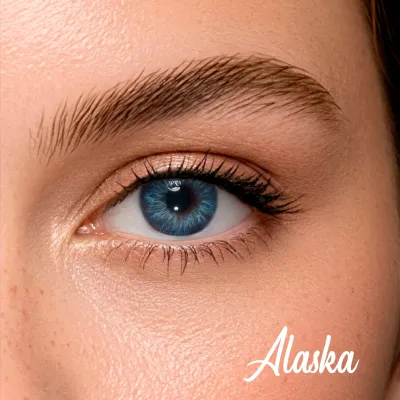
Claro Alaska - Colored Contact Lenses
*{box-sizing:border-box;} .alaska-page{ width:100%; margin:0; padding:0; font-family:Arial,Helvetica,sans-serif; color:#34495e; line-height:…
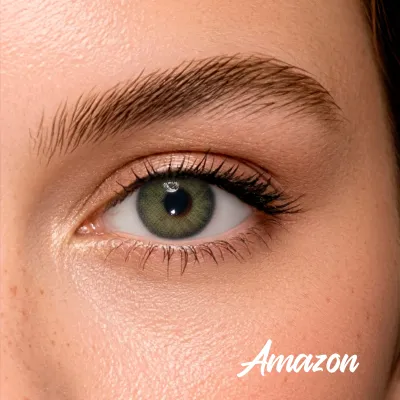
Claro Amazon - Colored Contact Lenses
*{box-sizing:border-box;} .amazon-page{ width:100%; margin:0; padding:0; font-family:Arial,Helvetica,sans-serif; color:#34495e; line-height:…
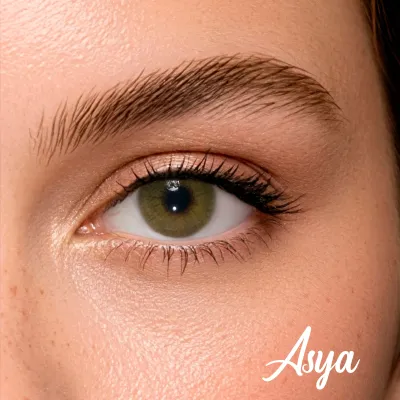
Claro Asya - Colored Contact Lenses
*{box-sizing:border-box;} .asya-page{ width:100%; margin:0; padding:0; font-family:Arial,Helvetica,sans-serif; color:#34495e; line-height:1.…
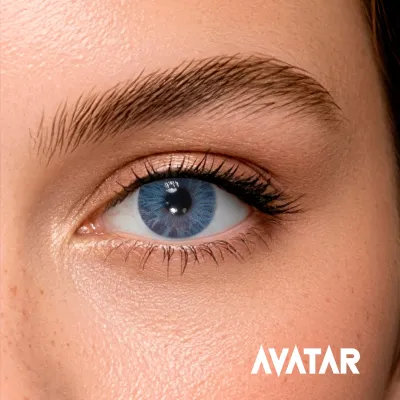
Claro Avatar - Colored Contact Lenses
*{box-sizing:border-box;} .avatar-page{ width:100%; margin:0; padding:0; font-family:Arial,Helvetica,sans-serif; color:#34495e; line-height:…
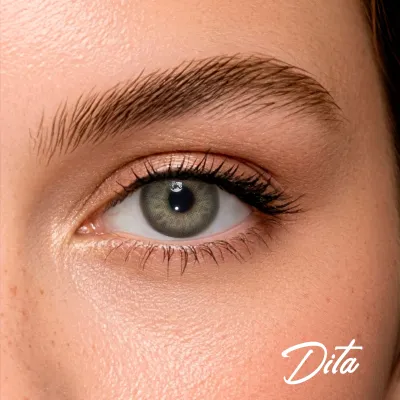
Claro Dita - Colored Contact Lenses
*{box-sizing:border-box;} .dita-page{ width:100%; margin:0; padding:0; font-family:Arial,Helvetica,sans-serif; color:#34495e; line-height:1.…
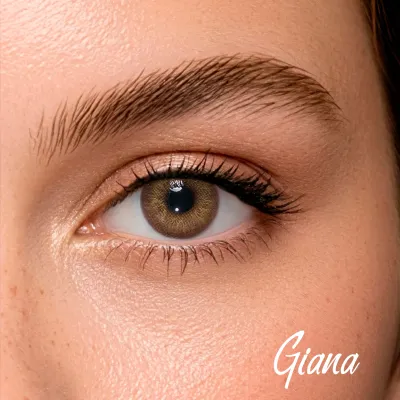
Claro Giana - Colored Contact Lenses
*{box-sizing:border-box;} .giana-page{ width:100%; margin:0; padding:0; font-family:Arial,Helvetica,sans-serif; color:#3b2a1d; line-height:1…
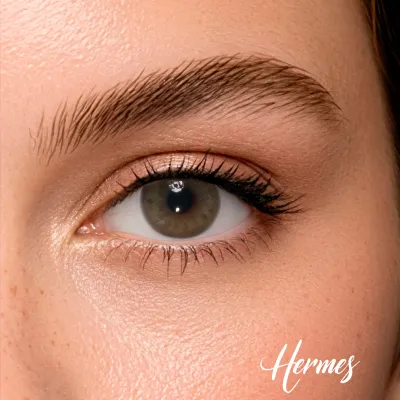
Claro Hermes - Colored Contact Lenses
*{box-sizing:border-box;} .hermes-page{ width:100%; margin:0; padding:0; font-family:Arial,Helvetica,sans-serif; color:#34495e; line-height:…
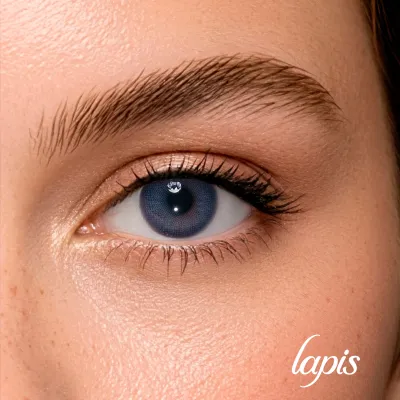
Claro Lapis - Colored Contact Lenses
*{box-sizing:border-box;} .lapis-page{ width:100%; margin:0; padding:0; font-family:Arial,Helvetica,sans-serif; color:#34495e; line-height:1…