



Welcome to our comprehensive guide on contact lenses, designed to help you navigate the diverse options available for vision correction and aesthetic enhancement. Whether you're considering contacts for the first time, looking to switch types, or simply seeking to deepen your understanding of proper lens care, this resource provides valuable insights. We'll cover everything from the fundamental types of lenses to essential maintenance practices, ensuring you make informed decisions for your eye health and visual comfort. Understanding the nuances of different lenses, including specialized options and popular choices like colored contact lenses, is crucial for a positive experience. Our aim is to empower you with the knowledge needed to choose and use your lenses safely and effectively.
Understanding Modern Vision Correction Options
contact lenses offer a discreet and convenient alternative to eyeglasses for correcting various vision impairments. They sit directly on the cornea, providing a wider field of view and often a more natural visual experience. Beyond simple vision correction for nearsightedness or farsightedness, advancements in lens technology have introduced solutions for complex conditions like astigmatism and presbyopia. The decision to switch from glasses to lenses, or to incorporate both into your daily routine, often comes down to lifestyle, comfort, and aesthetic preferences. Many individuals find the freedom from frames liberating, especially during sports or other physical activities. Moreover, the ability to change your eye color with options like colored contact lenses adds a unique dimension to personal expression, making them a popular choice for those seeking a subtle or dramatic transformation.
Exploring Diverse Contact Lens Varieties
The market for vision correction offers a wide array of contact lens types, each designed to meet specific needs and preferences. Understanding these categories is the first step in finding the perfect match for your eyes and daily routine.
Daily Disposable Options for Convenience
Daily disposable lenses are designed for single-day use, offering the ultimate in hygiene and convenience. You wear a fresh pair each morning and discard them at night, eliminating the need for cleaning solutions and storage cases. This reduces the risk of eye infections and irritation, making them an excellent choice for individuals with allergies or those who prefer a hassle-free lens experience. They are also ideal for occasional wear, such as for sports or social events.
Extended Wear and Monthly Lenses
Extended wear lenses can be worn continuously for several days or even weeks, including while sleeping, though this should always be done under the guidance of an eye care professional. Monthly disposable lenses are worn daily and cleaned nightly, then replaced after approximately 30 days. These options often provide a more cost-effective solution for regular wearers compared to daily disposables, but they demand strict adherence to cleaning and disinfection protocols to maintain eye health.
Specialized Lenses for Astigmatism and Presbyopia
For those with astigmatism, toric lenses are specifically designed to correct the irregular curvature of the cornea, providing clear and stable vision. Multifocal or bifocal lenses cater to individuals with presbyopia, a common age-related condition that affects near vision. These lenses feature multiple prescriptions within a single lens, allowing wearers to see clearly at various distances without needing reading glasses.
Enhancing Your Look with Tinted Lenses
Beyond vision correction, colored contact lenses offer a unique opportunity to change or enhance your natural eye color. Available in a spectrum of hues, from subtle enhancements to vibrant transformations, these lenses can be a fun way to express your personality or complement a specific look. It's crucial to remember that even purely cosmetic colored contact lenses require a prescription and proper fitting by an eye care professional to ensure safety and comfort. They are not one-size-fits-all and improper use can lead to serious eye complications.
Key Considerations Before Selecting Lenses
Choosing the right contact lenses goes beyond just correcting your vision; it involves a careful assessment of your lifestyle, eye health, and comfort preferences. Consulting with an experienced eye care professional is paramount to ensure the lenses you select are appropriate and safe for your unique eyes.
Prioritizing Eye Health and Prescription Accuracy
Before any lens selection, a comprehensive eye examination is essential. This not only determines your precise prescription but also assesses your eye health, including tear production and corneal curvature. These factors are critical for a proper lens fit and to prevent potential complications. An inaccurate prescription or ill-fitting lens can lead to discomfort, blurred vision, and even damage to your eyes. Your eye care professional will recommend lens materials and designs that best suit your ocular characteristics.
Matching Lenses to Your Daily Activities
Your lifestyle plays a significant role in determining the most suitable contact lens type. If you lead an active life, participate in sports, or travel frequently, daily disposables might offer the convenience and hygiene you need. For those with a more consistent routine, monthly or extended wear lenses could be more practical. Consider your work environment, hobbies, and how often you plan to wear your lenses. For instance, if you spend long hours in front of a computer, lenses designed for moisture retention might be beneficial.
Understanding Comfort and Material Options
contact lenses are made from various materials, each offering different levels of oxygen permeability and water content. Silicone hydrogel lenses, for example, allow more oxygen to reach the eye, promoting better comfort and health, especially for extended wear. Hydrogel lenses are known for their softness and flexibility. Discussing your comfort priorities and any sensitivities with your eye care professional will help them recommend materials that will keep your eyes feeling fresh throughout the day. Trial lenses are often provided to ensure a comfortable fit before committing to a larger supply.
Proper Care and Maintenance for Optimal Eye Health
Maintaining excellent hygiene and adhering to proper care routines are non-negotiable for all reusable contact lens wearers. Neglecting these practices can lead to serious eye infections, discomfort, and potentially long-term damage. Even daily disposable users should practice good hand hygiene.
Establishing Daily Cleaning Routines
For reusable lenses, a consistent daily cleaning routine is crucial. Always wash your hands thoroughly with soap and water and dry them with a lint-free towel before handling your lenses. Remove one lens at a time, place it in the palm of your hand with a few drops of fresh, sterile contact lens solution, and gently rub it for the recommended duration (usually 10-20 seconds). This helps remove protein deposits, lipids, and other debris that accumulate throughout the day.
Storage and Solution Best Practices
After cleaning, rinse the lens thoroughly with fresh solution and place it in a clean lens case filled with fresh solution. Never reuse old solution or top it off. Discard the solution from your case daily and allow the case to air dry upside down with the caps off. Replace your lens case every one to three months, or as recommended by your eye care professional, to prevent bacterial buildup. Only use the contact lens solution recommended by your eye care professional, as different solutions are formulated for different lens materials.
Recognizing Signs of Eye Irritation
It's important to be vigilant for any signs of eye irritation or infection. Symptoms such as redness, persistent discomfort, excessive tearing, unusual discharge, light sensitivity, or sudden changes in vision warrant immediate attention. If you experience any of these symptoms, remove your lenses immediately and contact your eye care professional. Do not attempt to self-diagnose or treat the issue, as prompt professional care is essential to prevent complications.
Navigating the Purchase of Contact Lenses
Once you have a valid prescription and understand your lens type, purchasing contact lenses is straightforward. However, it's vital to prioritize safety and ensure you're getting authentic products.
The Necessity of a Valid Prescription
In many regions, including the U.S. and Europe, it is illegal to sell contact lenses without a valid prescription from an eye care professional. This regulation is in place to protect consumers from the risks associated with improper fit and unverified products. Even for plano (non-corrective) colored contact lenses, a prescription is required because lenses must be properly fitted to your eye's specific dimensions to ensure comfort and prevent damage. Never purchase lenses from unauthorized vendors or without a professional fitting.
Choosing Reputable Suppliers: Online vs. Optician
You have several options for purchasing your lenses. Buying directly from your optician or ophthalmologist ensures personalized service, immediate access to advice, and often the latest products. Online retailers can offer competitive pricing and convenience, but it's crucial to choose reputable sites that require a valid prescription verification. Look for suppliers with strong customer reviews, clear return policies, and verifiable contact information. Beware of exceptionally low prices from unknown sources, as these may indicate counterfeit or unsafe products.
Understanding Costs and Insurance Coverage
The cost of contact lenses varies significantly depending on the type, brand, and replacement schedule. Daily disposables tend to have a higher per-lens cost but eliminate solution expenses, while monthly lenses are often cheaper per lens but require solution purchases. Many vision insurance plans offer coverage for a portion of contact lens costs, so it's wise to check your policy details. Some plans may also offer allowances for both glasses and contacts, giving you flexibility in your vision correction choices.
Addressing Common Concerns and Misconceptions
Many people have questions or concerns about contact lenses, often stemming from common myths or a lack of information. Addressing these can help potential and current users feel more confident.
Are Contact Lenses Safe for Everyone?
While contact lenses are safe for most people, they are not universally suitable. Certain eye conditions, severe allergies, or environments with high dust levels might make lens wear challenging. A thorough eye examination by a professional will determine if you are a good candidate. For example, individuals with chronic dry eyes might require specialized lenses or alternative vision correction methods. It's always about finding the right solution for your individual circumstances.
Dispelling Myths About Lenses Getting Lost Behind the Eye
A common fear is that a contact lens can get lost behind the eye. This is a myth. The anatomy of the eye, specifically the conjunctiva (a membrane that lines the inside of your eyelids and covers the white part of your eye), creates a barrier that prevents anything from going behind your eyeball. While a lens can occasionally slip under an eyelid, it can always be retrieved with proper technique and patience. If you have difficulty, your eye care professional can assist.
Comfort and Adaptation Period
New contact lens wearers often experience a brief adaptation period. Initially, you might feel a slight awareness of the lens in your eye, but this typically subsides as your eyes adjust. Modern lenses are designed for maximum comfort, and many people report forgetting they are even wearing them. If discomfort persists, it's crucial to consult your eye care professional, as it could indicate an improper fit, a reaction to the lens material or solution, or an underlying eye condition.
Choosing and caring for contact lenses is a journey that, when approached with knowledge and professional guidance, can significantly enhance your vision and quality of life. From the practical benefits of clear, unobstructed vision to the aesthetic appeal of options like colored contact lenses, the right choice can open up a world of possibilities. Always prioritize your eye health by adhering to professional advice, maintaining strict hygiene, and promptly addressing any concerns. Your eyes are precious, and with proper care, contact lenses can be a safe and rewarding vision correction solution.
Sıkça Sorulan Sorular
What are the main types of contact lenses available?
How do I know if contact lenses are right for me?
What is the proper way to care for my reusable contact lenses?
Can I buy contact lenses without a prescription, especially colored ones?
What should I do if my contact lenses cause discomfort or irritation?
Konuyla ilgili öne çıkan ürünler
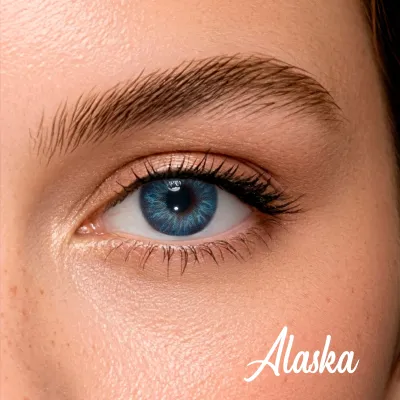
Claro Alaska - Colored Contact Lenses
*{box-sizing:border-box;} .alaska-page{ width:100%; margin:0; padding:0; font-family:Arial,Helvetica,sans-serif; color:#34495e; line-height:…
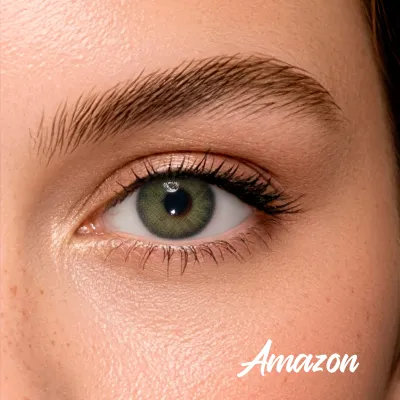
Claro Amazon - Colored Contact Lenses
*{box-sizing:border-box;} .amazon-page{ width:100%; margin:0; padding:0; font-family:Arial,Helvetica,sans-serif; color:#34495e; line-height:…
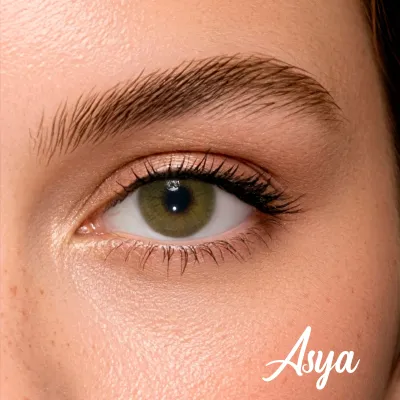
Claro Asya - Colored Contact Lenses
*{box-sizing:border-box;} .asya-page{ width:100%; margin:0; padding:0; font-family:Arial,Helvetica,sans-serif; color:#34495e; line-height:1.…
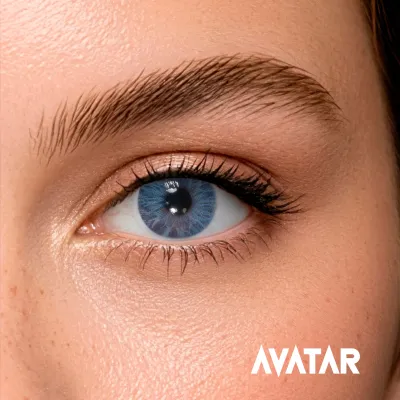
Claro Avatar - Colored Contact Lenses
*{box-sizing:border-box;} .avatar-page{ width:100%; margin:0; padding:0; font-family:Arial,Helvetica,sans-serif; color:#34495e; line-height:…
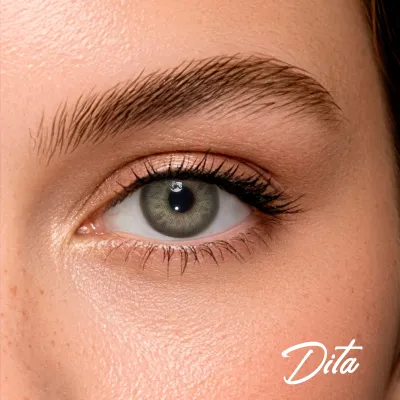
Claro Dita - Colored Contact Lenses
*{box-sizing:border-box;} .dita-page{ width:100%; margin:0; padding:0; font-family:Arial,Helvetica,sans-serif; color:#34495e; line-height:1.…
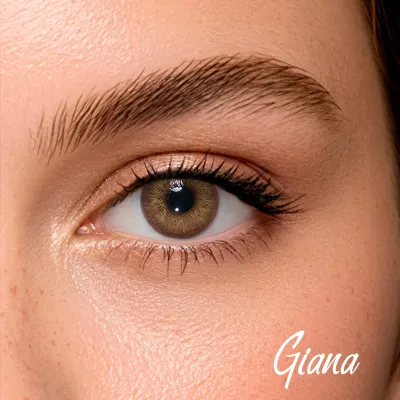
Claro Giana - Colored Contact Lenses
*{box-sizing:border-box;} .giana-page{ width:100%; margin:0; padding:0; font-family:Arial,Helvetica,sans-serif; color:#3b2a1d; line-height:1…
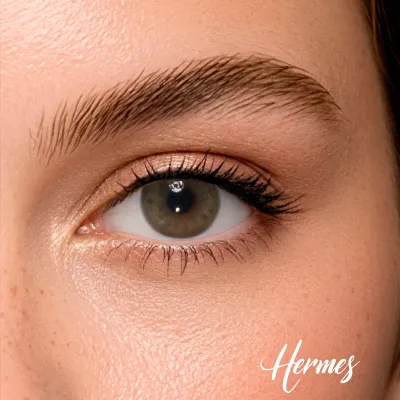
Claro Hermes - Colored Contact Lenses
*{box-sizing:border-box;} .hermes-page{ width:100%; margin:0; padding:0; font-family:Arial,Helvetica,sans-serif; color:#34495e; line-height:…
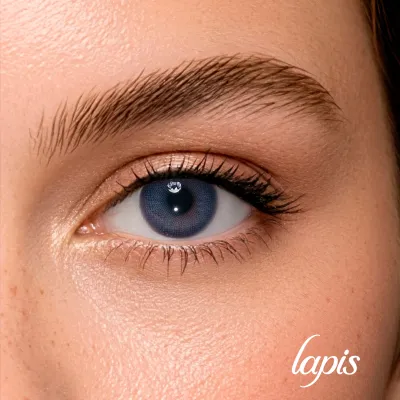
Claro Lapis - Colored Contact Lenses
*{box-sizing:border-box;} .lapis-page{ width:100%; margin:0; padding:0; font-family:Arial,Helvetica,sans-serif; color:#34495e; line-height:1…