


-36x36.png)

For millions worldwide, contact lenses offer a liberating alternative to traditional eyeglasses, providing clear vision without altering one's appearance or restricting activities. These small, thin lenses sit directly on the cornea, correcting refractive errors and offering a wide array of benefits. Understanding the nuances of contact lenses, from their various types to proper care, is crucial for maintaining optimal eye health and enjoying the full spectrum of advantages they provide. At Opticzade, we believe informed choices lead to the best vision outcomes.
choosing contact lenses is a personal journey that involves considering your vision needs, lifestyle, and eye health. This comprehensive guide aims to demystify the world of contact lenses, offering insights into their functionality, the diverse options available, and the best practices for their use and maintenance. Whether you're a seasoned wearer or contemplating making the switch, equipping yourself with knowledge is the first step towards clearer, more comfortable vision.
Understanding Contact Lenses for Clear Vision
Contact lenses are medical devices designed to correct refractive errors such as myopia (nearsightedness), hyperopia (farsightedness), astigmatism, and presbyopia. They achieve this by focusing light precisely onto the retina, much like eyeglasses, but with the added benefit of being virtually invisible. The evolution of contact lens technology has brought forth materials that are increasingly breathable and comfortable, making them suitable for extended wear for many individuals.
How Contact Lenses Function
At their core, contact lenses work by altering the path of light entering your eye, compensating for irregularities in the shape of your cornea or lens. This correction ensures that light converges correctly on the retina, producing a sharp, clear image. Modern lenses are crafted from advanced polymers that allow oxygen to reach the cornea, a vital factor for eye health, as the cornea lacks its own blood supply.
Key Benefits of Choosing Contact Lenses
- Unobstructed Field of View: Lenses move with your eyes, providing peripheral vision free from frame edges.
- Freedom for Active Lifestyles: Ideal for sports and outdoor activities, eliminating concerns about glasses slipping or breaking.
- Natural Appearance: Many prefer the aesthetic of not wearing glasses.
- Compatibility with Eyewear: Can be worn with non-prescription sunglasses or safety glasses.
Exploring the Diverse World of Contact Lens Types
The variety of contact lenses available today is vast, catering to almost every vision requirement and lifestyle preference. From daily disposables to specialized lenses for complex prescriptions, understanding the different categories can help you and your eye care professional determine the best fit.
Soft Contact Lenses: Comfort and Convenience
The most popular type, soft contact lenses are made from flexible plastics that conform to the surface of the eye. They are comfortable almost immediately upon insertion. Within this category, several options exist:
- Daily Disposables: Worn for one day and then discarded. These are excellent for hygiene and convenience, eliminating the need for cleaning solutions.
- Bi-weekly/Monthly Disposables: Worn for a set period (two weeks or one month) and require daily cleaning and storage in solution.
- Extended Wear Lenses: Designed to be worn continuously, even overnight, for a specified period, though this option carries higher risks of eye infection and should only be pursued under strict professional guidance.
Specialty Lenses for Unique Needs
Beyond standard vision correction, specialty lenses address specific conditions:
- Toric Lenses: Designed to correct astigmatism, these lenses have different power zones and a mechanism to prevent rotation on the eye.
- Multifocal/Bifocal Lenses: For individuals with presbyopia (age-related farsightedness), these lenses offer multiple prescriptions in one lens, allowing for clear vision at various distances.
- Scleral Lenses: Larger lenses that rest on the white part of the eye (sclera), vaulting over the cornea. They are often prescribed for severe dry eyes, irregular corneas, or post-surgical conditions.
Enhancing Aesthetics with Colored Contact Lenses
For those looking to change or enhance their natural eye color, Colored Contact Lenses offer a fantastic option. Available in both prescription and plano (non-prescription) forms, they can dramatically alter your appearance. Opticzade offers a wide range of colored contacts, from subtle enhancements to vibrant transformations, ensuring you find the perfect shade to express your style. It's crucial to remember that even plano colored lenses are medical devices and require a professional fitting and prescription to ensure safety and comfort.
Prioritizing Eye Health with Proper Contact Lens Care
Proper care and hygiene are paramount for contact lens wearers. Neglecting these practices can lead to serious eye infections, discomfort, and potentially vision-threatening complications. Adhering to a strict cleaning and replacement schedule is non-negotiable.
Essential Steps for Contact Lens Hygiene
- Wash Your Hands: Always wash your hands thoroughly with soap and water and dry them with a lint-free towel before handling your lenses.
- Use Fresh Solution: Always use fresh, sterile contact lens solution each time you clean and store your lenses. Never reuse old solution or use tap water.
- Rub and Rinse: For reusable lenses, gently rub them with solution in the palm of your hand, then rinse thoroughly before placing them in a clean lens case filled with fresh solution.
- Replace Lens Case: Replace your contact lens case every three months, or more frequently if it appears dirty or damaged.
- Adhere to Replacement Schedule: Never wear lenses beyond their recommended replacement schedule (daily, bi-weekly, monthly).
Warning Signs to Watch For
If you experience any redness, pain, blurred vision, excessive tearing, or light sensitivity while wearing contact lenses, remove them immediately and consult your eye care professional. These could be symptoms of an infection or other serious eye condition.
The Journey to Finding Your Perfect Contact Lenses
Obtaining contact lenses is not a simple purchase; it's a medical fitting process that requires the expertise of an eye care professional. A comprehensive eye exam and fitting are essential to ensure the lenses are safe, comfortable, and provide optimal vision correction.
The Importance of a Professional Eye Exam
Before you can wear contact lenses, an optometrist or ophthalmologist will conduct a thorough eye examination. This isn't just about determining your prescription; it also involves assessing your overall eye health, measuring the curvature of your cornea, and evaluating your tear film quality. These measurements are crucial for selecting lenses that fit properly and don't compromise your eye health.
The Contact Lens Fitting Process
During a fitting, your eye care professional will:
- Discuss Your Lifestyle: Understanding your daily activities, work environment, and preferences helps in recommending suitable lens types.
- Measure Your Eyes: Precise measurements of your cornea and pupil size are taken to ensure the lenses sit correctly and comfortably.
- Trial Lenses: You'll often be given trial lenses to wear for a period to assess comfort, vision, and fit.
- Follow-up Appointments: These are vital to ensure the lenses continue to perform well and that your eyes remain healthy.
Even if you're interested in non-prescription Colored Contact Lenses, a professional fitting is still mandatory. These lenses, though not for vision correction, still sit on your eye and require proper sizing and material compatibility to prevent irritation or infection.
Lifestyle Benefits and Considerations for Lens Wearers
contact lenses offer unparalleled freedom and flexibility, integrating seamlessly into various aspects of daily life. However, understanding both their advantages and potential considerations is key to a successful wearing experience.
Enhanced Freedom in Daily Activities
For individuals who lead active lives, participate in sports, or work in environments where glasses can be cumbersome, contact lenses are a game-changer. They eliminate the worry of glasses fogging up, slipping down your nose, or getting in the way during physical exertion. This freedom extends to fashion choices, allowing for a wider range of non-prescription eyewear like sunglasses.
Aesthetic and Psychological Advantages
Many wearers appreciate the natural look that contact lenses provide, feeling more confident without glasses. For those exploring aesthetic changes, options like Colored Contact Lenses can offer a fun and temporary way to experiment with a new eye color, enhancing personal style for special occasions or daily wear. This can have a significant positive impact on self-perception and social interactions.
Potential Challenges and How to Address Them
While beneficial, contact lenses aren't without their considerations:
- Dry Eyes: Some individuals may experience dryness, especially in arid environments or with extended screen time. Specialized rewetting drops or different lens materials can often alleviate this.
- Initial Adaptation: New wearers may need a short period to adjust to inserting and removing lenses, and to the sensation of having them in their eyes.
- Cost: The ongoing cost of lenses and solutions can be higher than glasses, depending on the type and replacement schedule.
Regular consultations with your eye care professional are crucial to address any challenges and ensure your contact lens experience remains positive and healthy.
Contact lenses represent a remarkable advancement in vision correction, offering comfort, clarity, and aesthetic flexibility. By understanding the various types available, committing to diligent care, and prioritizing professional guidance, you can enjoy the many benefits they offer. Whether you seek crystal-clear vision for an active lifestyle or wish to explore a new look with colored lenses, Opticzade encourages you to consult with an eye care specialist to ensure the best possible outcome for your unique eyes.
Sıkça Sorulan Sorular
What are the main types of contact lenses available?
How often should I replace my contact lens case?
Can I wear colored contact lenses without a prescription?
What should I do if my eyes feel irritated or red while wearing contact lenses?
Konuyla ilgili öne çıkan ürünler
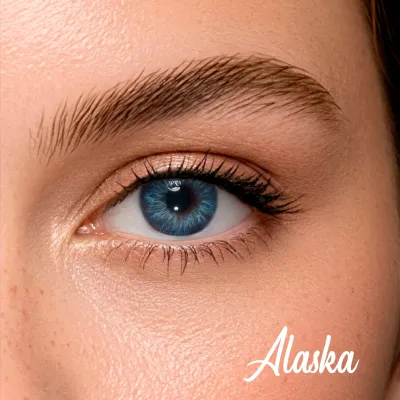
Claro Alaska - Colored Contact Lenses
*{box-sizing:border-box;} .alaska-page{ width:100%; margin:0; padding:0; font-family:Arial,Helvetica,sans-serif; color:#34495e; line-height:…
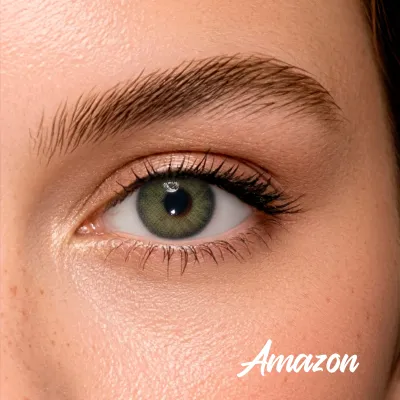
Claro Amazon - Colored Contact Lenses
*{box-sizing:border-box;} .amazon-page{ width:100%; margin:0; padding:0; font-family:Arial,Helvetica,sans-serif; color:#34495e; line-height:…
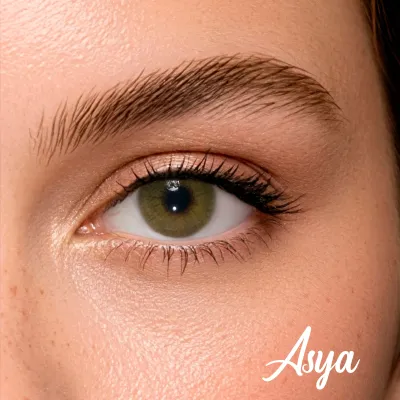
Claro Asya - Colored Contact Lenses
*{box-sizing:border-box;} .asya-page{ width:100%; margin:0; padding:0; font-family:Arial,Helvetica,sans-serif; color:#34495e; line-height:1.…
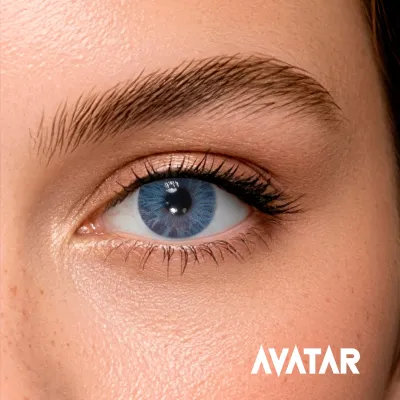
Claro Avatar - Colored Contact Lenses
*{box-sizing:border-box;} .avatar-page{ width:100%; margin:0; padding:0; font-family:Arial,Helvetica,sans-serif; color:#34495e; line-height:…
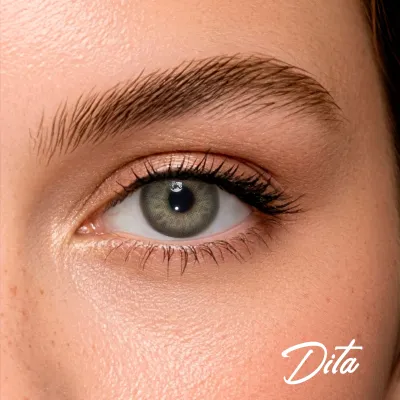
Claro Dita - Colored Contact Lenses
*{box-sizing:border-box;} .dita-page{ width:100%; margin:0; padding:0; font-family:Arial,Helvetica,sans-serif; color:#34495e; line-height:1.…
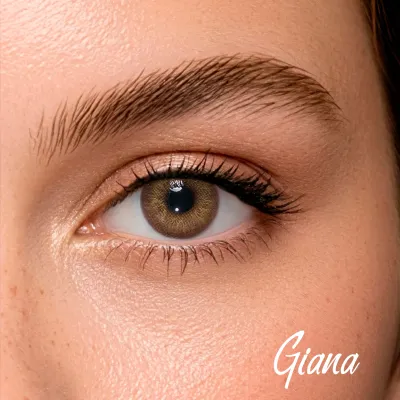
Claro Giana - Colored Contact Lenses
*{box-sizing:border-box;} .giana-page{ width:100%; margin:0; padding:0; font-family:Arial,Helvetica,sans-serif; color:#3b2a1d; line-height:1…
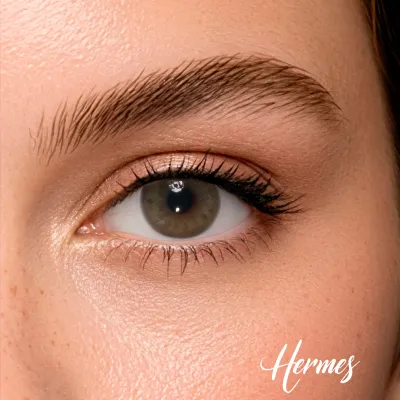
Claro Hermes - Colored Contact Lenses
*{box-sizing:border-box;} .hermes-page{ width:100%; margin:0; padding:0; font-family:Arial,Helvetica,sans-serif; color:#34495e; line-height:…
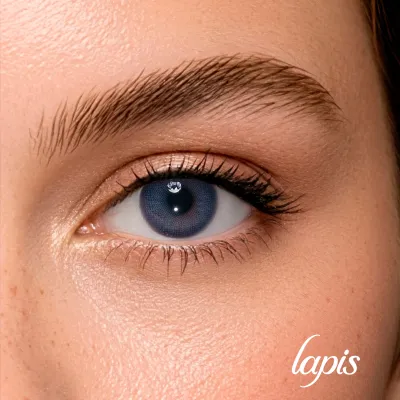
Claro Lapis - Colored Contact Lenses
*{box-sizing:border-box;} .lapis-page{ width:100%; margin:0; padding:0; font-family:Arial,Helvetica,sans-serif; color:#34495e; line-height:1…