



For many individuals, standard, mass-produced contact lenses offer an adequate solution for vision correction. However, a significant portion of the population faces unique ocular challenges that off-the-shelf options simply cannot address. This is where the advanced field of custom contact lenses emerges, offering highly personalized solutions designed to meet the precise anatomical and visual requirements of each eye. These specialized lenses go beyond conventional parameters, providing superior comfort, enhanced visual acuity, and therapeutic benefits for a wide array of complex conditions. Understanding the intricacies of these bespoke ophthalmic devices is crucial for anyone seeking optimal vision and eye health, especially when standard approaches have proven insufficient. At Opticzade, we believe in empowering our clients with knowledge about the most advanced vision solutions available.
Why Standard Lenses Fall Short for Unique Vision Needs
While convenient and widely available, conventional contact lenses are manufactured in a limited range of curvatures, diameters, and prescriptions. This 'one-size-fits-most' approach, while effective for many, inherently leaves a gap for individuals whose eyes deviate from the average. These limitations become particularly apparent when dealing with complex eye structures or specific visual demands.
Limitations of Mass-Produced Options
Mass-produced contact lenses are designed to fit a statistical average. This means they might not conform perfectly to eyes with unusual corneal shapes, significantly large or small diameters, or those requiring very high or complex prescriptions. An ill-fitting standard lens can lead to discomfort, fluctuating vision, redness, and even long-term complications due to inadequate oxygen flow or excessive friction against the ocular surface. Such issues can severely impact a person's quality of life and undermine the very purpose of wearing contact lenses.
When Off-the-Shelf Isn't Enough
When patients experience persistent discomfort, unstable vision, or cannot achieve satisfactory correction with standard lenses, it's a clear indicator that a more tailored approach is necessary. This often applies to individuals with corneal irregularities, severe dry eye, or those who have undergone specific eye surgeries. In these scenarios, the precise measurements and customized design of specialized lenses become not just a preference, but a necessity for achieving functional vision and maintaining eye health.
Conditions That Greatly Benefit from Tailored Ophthalmic Devices
The application of personalized contact lenses extends to a broad spectrum of ocular conditions, offering relief and improved vision where traditional methods fail. These devices are meticulously crafted to interact harmoniously with the unique characteristics of each eye, providing a stable and comfortable fit.
Addressing Irregular Cornea Shapes
Conditions like keratoconus, pellucid marginal degeneration, or post-LASIK ectasia result in corneas that are not smoothly spherical. Standard lenses cannot adequately vault over or conform to these irregular surfaces, leading to poor vision and discomfort. Specialized lenses, particularly scleral lenses, are designed to bridge over the irregular cornea, resting on the sclera (the white part of the eye) and creating a smooth optical surface with a fluid reservoir underneath, drastically improving vision and comfort.
Post-Surgical Eye Care Requirements
Following corneal surgeries such as corneal transplants, radial keratotomy (RK), or even complicated LASIK procedures, the eye's surface can become irregular, making it challenging to achieve clear vision with glasses or standard contacts. Tailored lenses can be designed to compensate for these post-surgical changes, providing a stable visual platform and often acting as a therapeutic bandage, aiding in the healing process.
Managing Severe Dry Eye Syndrome
For individuals suffering from chronic or severe dry eye, standard contact lenses can exacerbate symptoms, leading to irritation, grittiness, and reduced wearing time. Specialized lenses, especially scleral lenses, can create a continuous fluid-filled chamber over the cornea, keeping the eye constantly hydrated and protected from environmental factors, significantly alleviating dry eye symptoms and improving comfort.
Aesthetic Enhancements and Unique Eye Color Options
Beyond therapeutic and corrective uses, personalized lenses also cater to aesthetic desires. For those with ocular disfigurements, such as iris coloboma or aniridia, prosthetic lenses can be custom-painted to mimic the appearance of a healthy eye, restoring confidence. Furthermore, for individuals seeking a distinctive look, customized colored contact lenses offer an extensive palette of options, allowing for unique eye color transformations that are precisely tailored to their preferences, often with prescription correction included. These lenses can range from subtle enhancements to dramatic changes, all while maintaining optimal comfort and vision.
The Precision Engineering Behind Bespoke Eye Correction
The creation of personalized contact lenses is a testament to advanced optical engineering, combining cutting-edge technology with expert craftsmanship. This intricate process ensures that each lens is a perfect match for the individual's eye.
Advanced Diagnostic Tools and Mapping
The journey begins with comprehensive diagnostic evaluations. State-of-the-art instruments like corneal topographers, optical coherence tomography (OCT), and profilometers capture thousands of data points, creating a highly detailed 3D map of the eye's surface. These precise measurements are crucial for designing a lens that perfectly contours the unique shape of the cornea and sclera.
Innovations in Material Science
The materials used in specialized lenses are critical for comfort, oxygen permeability, and durability. Modern advancements in polymer science have led to the development of highly breathable, biocompatible materials that allow for extended wear and promote ocular health. These materials are selected based on the patient's specific needs, including sensitivity, tear film quality, and wearing environment.
Digital Design and Manufacturing Processes
Once the diagnostic data is collected, sophisticated software is used to design the lens with unparalleled precision. This digital blueprint is then sent to advanced CNC (Computer Numerical Control) lathes or 3D printers, which meticulously craft the lens to the exact specifications. This high-tech manufacturing ensures that every curve, thickness, and optical zone is precisely as designed, resulting in a truly bespoke ophthalmic device.
Exploring Diverse Specialized Lens Types
The realm of personalized vision correction encompasses various types of lenses, each designed to address specific challenges and provide optimal outcomes for different conditions.
Scleral Lenses for Complex Cases
Scleral lenses are large-diameter gas permeable lenses that vault entirely over the cornea, resting on the less sensitive sclera. They are particularly effective for highly irregular corneas, severe dry eye, and post-surgical eyes, providing exceptional comfort and stable vision by creating a smooth optical surface and a hydrating reservoir.
Toric and Multifocal Designs
For individuals with significant astigmatism, custom toric lenses offer precise correction by incorporating specific orientations to counteract the corneal irregularity. Similarly, custom multifocal lenses are designed to provide clear vision at multiple distances, offering a seamless transition for presbyopic patients who might struggle with standard bifocal or progressive contact lenses.
Prosthetic and Therapeutic Applications
Prosthetic lenses are custom-tinted or painted to mask ocular disfigurements, reduce glare sensitivity, or enhance the appearance of an eye with damage or congenital abnormalities. Therapeutically, certain custom lenses can be used as bandage lenses to protect the cornea during healing, deliver medication, or manage chronic pain associated with corneal conditions.
Navigating the Personalized Fitting Journey
The process of obtaining personalized contact lenses is a collaborative journey between the patient and a highly skilled eye care professional. It is a detailed, multi-step process ensuring the best possible outcome.
Initial Comprehensive Assessment
The first step involves a thorough eye examination, including detailed history taking, visual acuity tests, and advanced corneal mapping. The eye care specialist will assess the patient's specific condition, lifestyle, and visual goals to determine if specialized lenses are the appropriate solution. This initial consultation is crucial for gathering all necessary data.
Trial Lens Evaluation and Adjustments
Based on the initial assessment, diagnostic trial lenses are selected or ordered. These lenses are placed on the eye to evaluate their fit, comfort, and visual performance. The specialist uses specialized instruments, like fluorescein dye and slit lamp biomicroscopy, to observe how the lens interacts with the eye's surface. Multiple trials and adjustments may be necessary to achieve the ideal fit, ensuring optimal tear exchange and minimal corneal impact.
Follow-Up Care and Ongoing Support
Once the definitive lenses are ordered and dispensed, follow-up appointments are scheduled to monitor eye health, assess long-term comfort, and make any minor adjustments if needed. Patients receive detailed instructions on lens insertion, removal, care, and hygiene. Ongoing support from the eye care professional is vital to ensure continued success and address any concerns that may arise.
Long-Term Advantages of Individualized Vision Aids
Investing in personalized contact lenses yields a multitude of benefits that extend far beyond immediate vision correction, significantly enhancing quality of life and promoting sustained ocular health.
Unparalleled Visual Acuity and Clarity
The primary advantage of customized lenses is the superior visual clarity they provide. By precisely matching the unique contours of the eye and correcting complex aberrations, these lenses can achieve sharper, more stable vision than standard options, often restoring functional sight to individuals who previously struggled.
Superior Comfort and Reduced Complications
An exact fit translates directly to enhanced comfort. When a lens is perfectly aligned with the eye's surface, it minimizes friction, reduces irritation, and ensures optimal tear film distribution. This leads to longer wearing times, less dryness, and a significant reduction in potential complications such as corneal abrasions or infections associated with poorly fitting lenses.
Improved Ocular Health Outcomes
Beyond comfort and vision, personalized lenses can play a crucial role in maintaining and improving overall eye health. For conditions like severe dry eye or irregular corneas, they can protect the ocular surface, promote healing, and prevent further damage. The precise design ensures adequate oxygen flow and nutrient delivery, fostering a healthier eye environment over time.
Essential Care for Your Specialized eye wear
Proper care and maintenance are paramount to ensure the longevity, effectiveness, and safety of your personalized contact lenses. Adhering to strict hygiene protocols is non-negotiable.
Daily Cleaning and Disinfection Protocols
Each day, after removing your lenses, they must be thoroughly cleaned and disinfected using solutions specifically recommended by your eye care professional. This typically involves rubbing the lenses gently with solution to remove deposits, then rinsing and soaking them in fresh disinfecting solution for the recommended duration. Never use tap water, saliva, or expired solutions.
Proper Storage and Handling Techniques
Always store your lenses in a clean, dry lens case filled with fresh disinfecting solution. Replace your lens case regularly, typically every three months, to prevent bacterial buildup. Before handling lenses, always wash your hands thoroughly with soap and water and dry them with a lint-free towel. Avoid touching the tip of solution bottles to prevent contamination.
The Importance of Regular Professional Check-ups
Even with meticulous home care, regular follow-up appointments with your eye care specialist are essential. These check-ups allow the professional to monitor your eye health, assess the lens fit, and ensure that your prescription remains accurate. Any changes in your eye condition or lens performance can be addressed promptly, ensuring continued optimal vision and comfort.
Understanding the Investment in Advanced Eye Care Solutions
While custom contact lenses represent a significant advancement in vision correction, understanding their cost and value proposition is important for prospective users. The investment reflects the specialized nature of these devices.
Factors Influencing Overall Pricing
The cost of personalized contact lenses can vary widely based on several factors: the complexity of the eye condition, the type of lens material, the specific design requirements (e.g., scleral, prosthetic, multifocal), the number of trial lenses needed, and the expertise of the fitting specialist. Generally, due to the individualized manufacturing process and advanced technology involved, they are more expensive than standard lenses.
Navigating Insurance Coverage and Reimbursement
Insurance coverage for specialized contact lenses can be complex. While some medical insurance plans may cover a portion of the cost, especially when the lenses are deemed medically necessary for conditions like keratoconus or severe dry eye, routine vision plans often have limited coverage for highly customized options. It is crucial to check with your insurance provider and your eye care professional at Opticzade to understand potential benefits and out-of-pocket expenses.
The Value Proposition of Personalized Vision Correction
Despite the higher initial investment, the value proposition of personalized contact lenses is substantial. They offer unparalleled visual quality, superior comfort, and often prevent or mitigate further ocular complications, leading to a significant improvement in quality of life. For many, these lenses are not just about seeing better, but about living better, enabling them to perform daily tasks, work, and enjoy hobbies without the limitations imposed by inadequate vision correction.
Sıkça Sorulan Sorular
What are custom contact lenses?
Who can benefit most from personalized contact lenses?
What is involved in the fitting process for specialized lenses?
Are custom contact lenses more expensive than standard lenses?
How do I care for my personalized contact lenses?
Konuyla ilgili öne çıkan ürünler
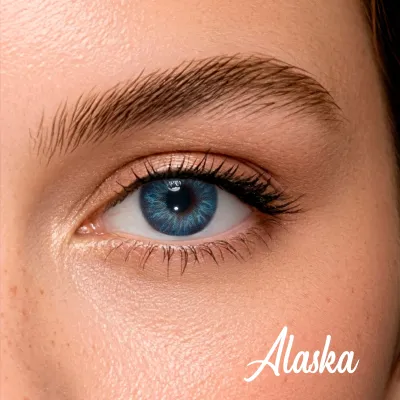
Claro Alaska - Colored Contact Lenses
*{box-sizing:border-box;} .alaska-page{ width:100%; margin:0; padding:0; font-family:Arial,Helvetica,sans-serif; color:#34495e; line-height:…
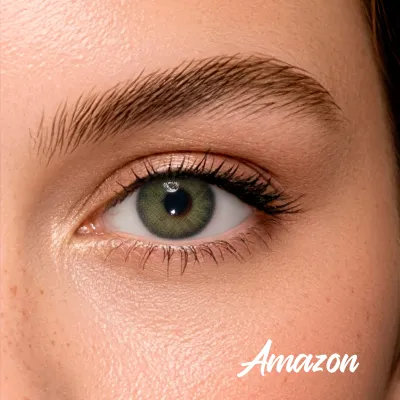
Claro Amazon - Colored Contact Lenses
*{box-sizing:border-box;} .amazon-page{ width:100%; margin:0; padding:0; font-family:Arial,Helvetica,sans-serif; color:#34495e; line-height:…
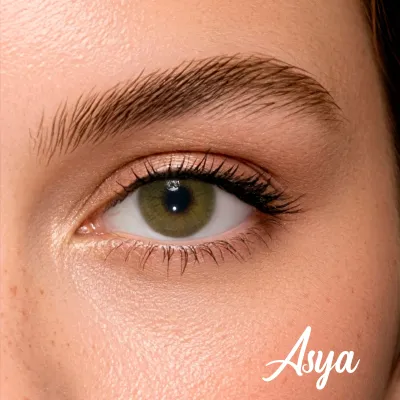
Claro Asya - Colored Contact Lenses
*{box-sizing:border-box;} .asya-page{ width:100%; margin:0; padding:0; font-family:Arial,Helvetica,sans-serif; color:#34495e; line-height:1.…
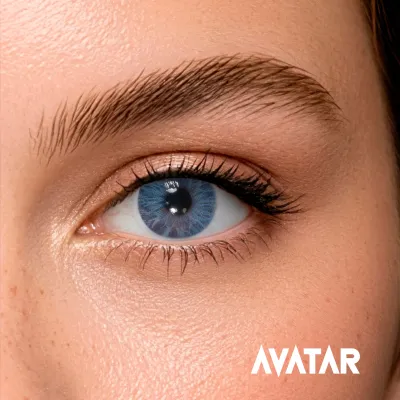
Claro Avatar - Colored Contact Lenses
*{box-sizing:border-box;} .avatar-page{ width:100%; margin:0; padding:0; font-family:Arial,Helvetica,sans-serif; color:#34495e; line-height:…
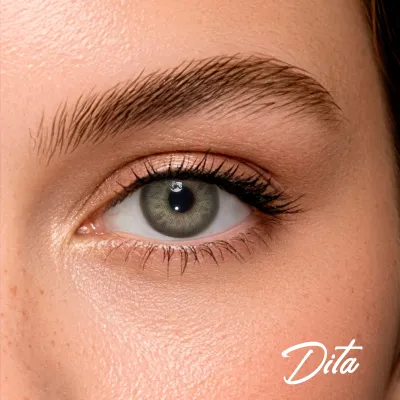
Claro Dita - Colored Contact Lenses
*{box-sizing:border-box;} .dita-page{ width:100%; margin:0; padding:0; font-family:Arial,Helvetica,sans-serif; color:#34495e; line-height:1.…
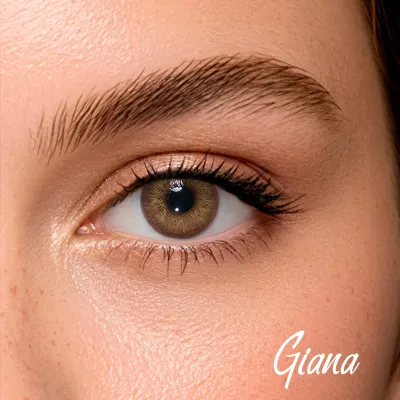
Claro Giana - Colored Contact Lenses
*{box-sizing:border-box;} .giana-page{ width:100%; margin:0; padding:0; font-family:Arial,Helvetica,sans-serif; color:#3b2a1d; line-height:1…
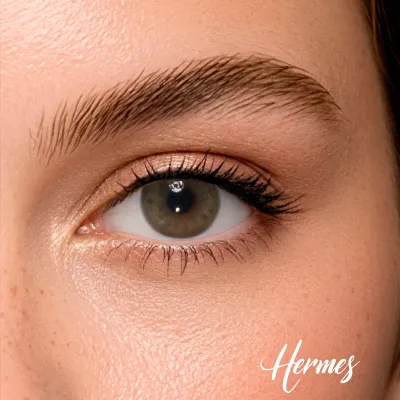
Claro Hermes - Colored Contact Lenses
*{box-sizing:border-box;} .hermes-page{ width:100%; margin:0; padding:0; font-family:Arial,Helvetica,sans-serif; color:#34495e; line-height:…
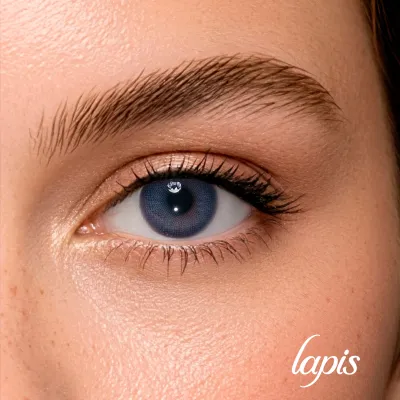
Claro Lapis - Colored Contact Lenses
*{box-sizing:border-box;} .lapis-page{ width:100%; margin:0; padding:0; font-family:Arial,Helvetica,sans-serif; color:#34495e; line-height:1…