



For many with naturally dark eyes, the idea of sporting a vibrant or subtle shade of green can be incredibly appealing. The contrast and transformation can be striking, offering a fresh perspective on one's appearance. Modern cosmetic contact lenses have made this dream a reality, providing a safe and effective way to temporarily alter eye color. However, achieving a natural-looking green on a dark canvas requires careful consideration of various factors, from the specific shade of green to lens opacity, design, and, crucially, proper usage and care. This comprehensive guide delves into everything you need to know to make an informed choice and embrace the captivating charm of green eyes.
The Appeal of Emerald Hues for Deeply Pigmented Eyes
The desire to change eye color is often driven by a quest for novelty, self-expression, or simply to complement a particular style or mood. For individuals with dark eyes, green lenses offer a unique opportunity to create a striking yet often surprisingly natural effect. Unlike lighter eyes, which might only need a subtle tint to show a color change, dark eyes require lenses with significant opacity to truly transform their appearance. This opacity is what allows the green pigment to overlay and effectively mask the natural dark tone, revealing a new, captivating hue.
How Pigmentation Affects Color Outcome
The natural melanin content in your iris plays a crucial role in how any colored contact lens will appear. Darker eyes have more melanin, which means the lens needs to be sufficiently opaque to cover this underlying color. Lenses designed for dark eyes often feature intricate patterns and multiple layers of color to mimic the natural variations found in an iris, preventing a flat or artificial look. Understanding this interaction is key to selecting lenses that will provide the desired depth and realism, rather than a superficial tint. The goal is to find a balance where the green is vibrant enough to be noticeable but blends seamlessly with your natural eye structure.
Selecting the Perfect Green Tint for Your Natural Eye Color
The spectrum of green available in colored contact lenses is vast, ranging from bright lime to deep forest green, and even hazel-green blends. The 'perfect' shade is subjective and depends heavily on your natural eye color, skin tone, and desired outcome. Some lenses are designed for a dramatic change, while others aim for a subtle enhancement. Considering these elements will guide you toward a choice that truly complements your features.
Exploring Different Green Shades and Their Impact
- Emerald Green: Often vibrant and bold, these shades can create a dramatic and striking effect, especially on very dark brown eyes. They tend to be highly opaque.
- Olive Green: These lenses typically incorporate yellow or brown undertones, offering a softer, more earthy green. They can look incredibly natural on dark eyes, blending well with warmer skin tones.
- Jade Green: A cooler, often bluish-green, jade shades can provide a captivating, somewhat mysterious look. They might be particularly striking on individuals with cool undertones in their skin.
- Hazel-Green: These lenses often feature a blend of green, brown, and sometimes yellow, creating a multi-dimensional effect that can appear very natural and enhance the existing warmth of dark eyes.
- Limbal Ring Presence: Many lenses designed for dark eyes include a dark limbal ring (the outer edge of the iris) to add definition and create a more youthful, natural appearance.
Complementing Your Skin Tone with Green Lenses
Your skin's undertone (warm, cool, or neutral) can significantly influence how different green shades appear on you. Warm undertones (peachy, golden) often pair beautifully with olive or hazel-green lenses that have yellow or brown flecks. Cool undertones (pink, blue) might be enhanced by emerald or jade green lenses, which have bluer or cooler pigments. Neutral undertones offer more flexibility, allowing you to experiment with a wider range of green shades. Holding up different colored lens samples (if available) or using virtual try-on tools can be very helpful in visualizing the final look before committing to a purchase.
Essential Safety Guidelines for Cosmetic eye wear
While the aesthetic appeal of colored contact lenses is undeniable, safety must always be the top priority. contact lenses are medical devices, regardless of whether they correct vision or are purely cosmetic. Improper use can lead to serious eye infections, corneal damage, and even permanent vision loss. Adhering to strict safety protocols is non-negotiable for anyone considering eye color enhancement.
Why a Prescription is Non-Negotiable
It is illegal to sell contact lenses in many countries, including the United States, without a valid prescription from an eye care professional. An optometrist or ophthalmologist will measure your eyes to ensure the lenses fit correctly, assess your eye health, and provide a prescription that specifies the lens brand, power (even if zero for cosmetic use), base curve, and diameter. Lenses that don't fit properly can scratch your cornea, restrict oxygen flow, or cause discomfort, leading to severe complications. Never purchase lenses from unauthorized sources or without a professional fitting.
Identifying Reputable Suppliers of Colored Contact Lenses
When seeking high-quality colored contact lenses, it's paramount to buy from reputable and authorized vendors. These include licensed optical stores, optometrists' offices, and verified online retailers that require a prescription. Avoid purchasing lenses from beauty supply stores, street vendors, or unverified online marketplaces, as these sources often sell counterfeit or unregulated products that can pose significant health risks. A trustworthy supplier will always prioritize eye health and adhere to regulatory standards, ensuring you receive safe and authentic products within the broader category of Colored Contact Lenses.
Mastering the Care and Handling of Your Eye Enhancements
Proper care and handling are critical for maintaining eye health and extending the life of your colored contact lenses. Neglecting hygiene can introduce bacteria and other pathogens into your eyes, leading to infections. Establishing a consistent routine for insertion, removal, cleaning, and storage is fundamental for all contact lens wearers.
Proper Insertion and Removal Techniques
Before touching your lenses or eyes, always wash your hands thoroughly with soap and water and dry them with a lint-free towel. When inserting, place the lens on the tip of your index finger, ensuring it's not inside out (the edges should curve upwards like a bowl). Use your other hand to hold your upper eyelid, and pull down your lower eyelid with the middle finger of the hand holding the lens. Gently place the lens on your eye. For removal, look up, pull down your lower eyelid, and gently pinch the lens off your eye with your thumb and index finger. Always avoid using fingernails to prevent scratching the lens or your eye.
Daily Cleaning and Storage Protocols
After each removal, immediately clean your lenses using a fresh, multi-purpose contact lens solution recommended by your eye care professional. Place the lens in the palm of your hand, add a few drops of solution, and gently rub it with your finger for about 10-20 seconds. Rinse thoroughly with more solution. Store the lenses in a clean, disinfected lens case filled with fresh solution. Never reuse old solution or use tap water, saliva, or homemade saline solutions, as these can introduce harmful microorganisms. Replace your lens case every three months to prevent bacterial buildup.
Understanding Lens Materials and Comfort Factors
Beyond color, the material and design of the contact lens significantly impact comfort, eye health, and how long you can safely wear them. Modern contact lenses are made from advanced materials designed to maximize oxygen flow and moisture retention, crucial elements for comfortable wear throughout the day.
The Role of Oxygen Permeability
Your cornea needs oxygen to stay healthy. Traditional hydrogel lenses allow some oxygen to pass through, but newer silicone hydrogel lenses offer significantly higher oxygen permeability. This means more oxygen reaches your cornea, reducing the risk of dryness, irritation, and potential complications. For individuals planning to wear their green contacts for extended periods, opting for lenses with high oxygen transmission can greatly improve comfort and eye health. Discussing material options with your eye care professional is essential to find the best fit for your eyes and lifestyle.
Addressing Potential Discomfort
Even with properly fitted lenses, some individuals might experience initial discomfort or dryness. This could be due to environmental factors (dry air, computer use), insufficient blinking, or simply adjusting to a new lens type. Using rewetting drops specifically designed for contact lenses can help alleviate dryness. If discomfort persists, or if you experience redness, pain, or blurred vision, remove the lenses immediately and consult your eye care professional. These symptoms could indicate an underlying issue that requires medical attention.
Navigating Your Purchase: Finding Quality Ocular Accessories
Making an informed decision when purchasing colored contact lenses involves more than just picking a shade. It's about ensuring you get a high-quality, safe product that meets your needs and expectations. The market for Colored Contact Lenses is vast, and knowing what to look for can help you distinguish between superior products and those that might compromise your eye health or aesthetic goals.
Key Features to Look for in High-Quality Lenses
- FDA Approval (or equivalent regulatory body): Always ensure the lenses are approved by relevant health authorities in your region. This signifies they meet strict safety and manufacturing standards.
- UV Protection: Some lenses offer UV blocking, providing an extra layer of protection against harmful ultraviolet rays, although they are not a substitute for sunglasses.
- Moisture Content: Lenses with higher water content or advanced moisturizing agents can offer enhanced comfort, especially for those prone to dry eyes.
- Durability and Replacement Schedule: Understand if the lenses are daily disposables, bi-weekly, or monthly. Adhering to the replacement schedule is vital for hygiene and performance.
- Natural-Looking Design: Look for lenses with multi-tone patterns and a limbal ring for a more realistic appearance, particularly when aiming for green contacts for dark eyes.
Online vs. In-Store Shopping Considerations
Both online and in-store options have their advantages. In-store purchases, typically through an optometrist's office or optical shop, offer personalized fitting, immediate advice, and the ability to try on samples. Online retailers often provide a wider selection and competitive pricing, but it's crucial to verify their legitimacy and ensure they require a valid prescription. Always double-check product specifications and customer reviews, and remember that a prescription is mandatory regardless of where you buy your lenses.
Embracing green contact lenses for dark eyes can be a truly transformative experience, offering a fresh, captivating look. By prioritizing safety, understanding the nuances of color selection, and committing to proper care, you can enjoy the beauty and confidence that comes with your new eye color. Always consult with an eye care professional to ensure your journey into the world of colored contacts is both stylish and healthy.
Sıkça Sorulan Sorular
Can individuals with very dark brown eyes achieve a natural green look?
What factors should I consider when choosing the right shade of green?
Is it safe to wear colored contact lenses without a prescription?
How do I properly care for my green contact lenses?
What are the differences between opaque and enhancement green contacts?
Konuyla ilgili öne çıkan ürünler
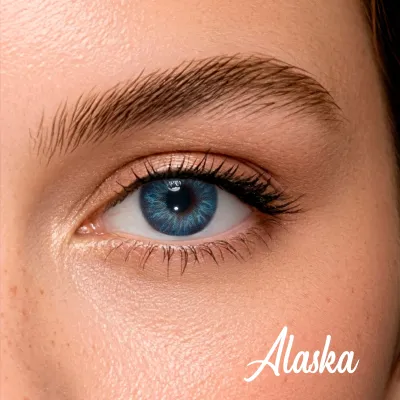
Claro Alaska - Colored Contact Lenses
*{box-sizing:border-box;} .alaska-page{ width:100%; margin:0; padding:0; font-family:Arial,Helvetica,sans-serif; color:#34495e; line-height:…
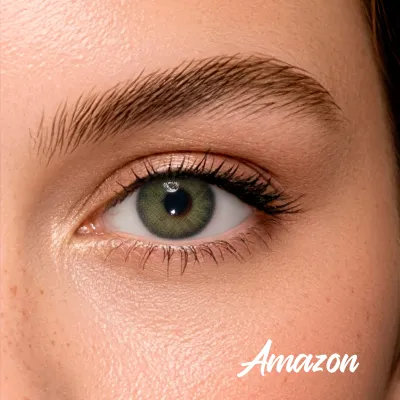
Claro Amazon - Colored Contact Lenses
*{box-sizing:border-box;} .amazon-page{ width:100%; margin:0; padding:0; font-family:Arial,Helvetica,sans-serif; color:#34495e; line-height:…
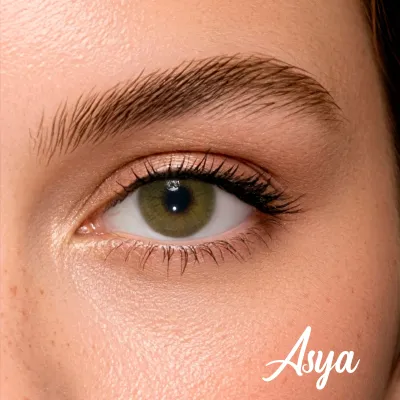
Claro Asya - Colored Contact Lenses
*{box-sizing:border-box;} .asya-page{ width:100%; margin:0; padding:0; font-family:Arial,Helvetica,sans-serif; color:#34495e; line-height:1.…
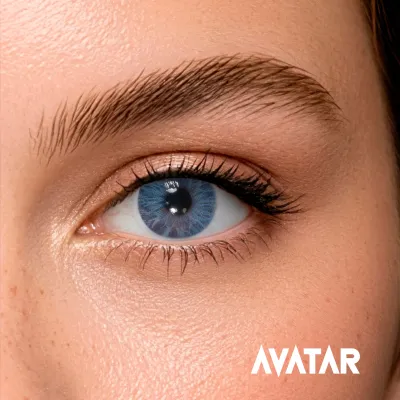
Claro Avatar - Colored Contact Lenses
*{box-sizing:border-box;} .avatar-page{ width:100%; margin:0; padding:0; font-family:Arial,Helvetica,sans-serif; color:#34495e; line-height:…
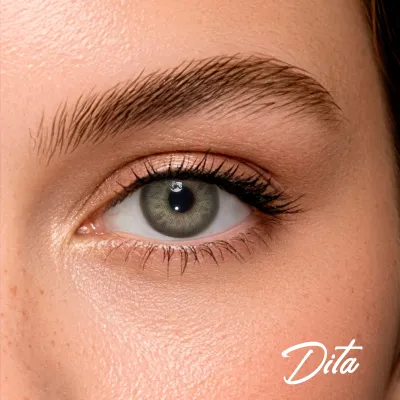
Claro Dita - Colored Contact Lenses
*{box-sizing:border-box;} .dita-page{ width:100%; margin:0; padding:0; font-family:Arial,Helvetica,sans-serif; color:#34495e; line-height:1.…
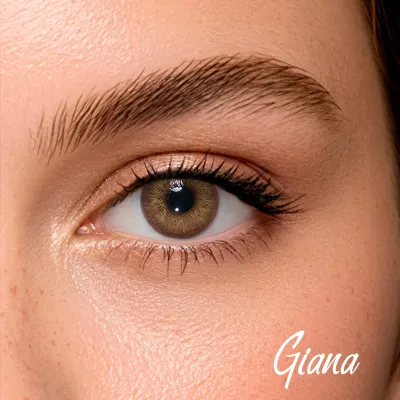
Claro Giana - Colored Contact Lenses
*{box-sizing:border-box;} .giana-page{ width:100%; margin:0; padding:0; font-family:Arial,Helvetica,sans-serif; color:#3b2a1d; line-height:1…
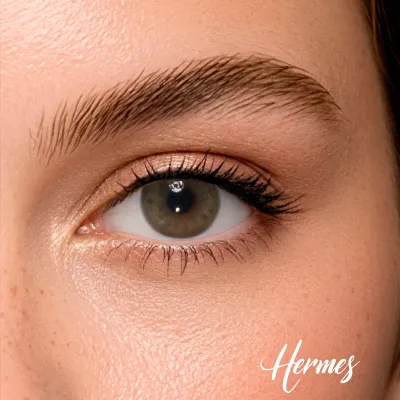
Claro Hermes - Colored Contact Lenses
*{box-sizing:border-box;} .hermes-page{ width:100%; margin:0; padding:0; font-family:Arial,Helvetica,sans-serif; color:#34495e; line-height:…
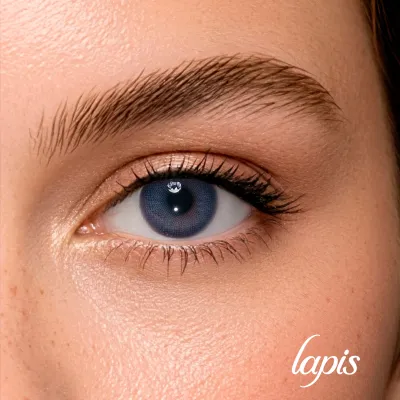
Claro Lapis - Colored Contact Lenses
*{box-sizing:border-box;} .lapis-page{ width:100%; margin:0; padding:0; font-family:Arial,Helvetica,sans-serif; color:#34495e; line-height:1…