



The desire to transform one's appearance is as old as time, and few changes are as striking yet subtle as altering eye color. Among the vast spectrum of cosmetic options, natural red contact lenses have emerged as a fascinating choice for individuals seeking to add a touch of mystery, drama, or unique flair to their gaze. Unlike theatrical or costume lenses, the emphasis here is on realism – achieving a captivating red hue that blends seamlessly with your natural eye, offering an authentic and sophisticated enhancement rather than a stark, artificial look.
This comprehensive guide delves into everything you need to know about selecting, using, and caring for realistic red eye color lenses. We'll explore the nuances that make a red lens appear natural, prioritize eye health, and help you navigate the market to find the perfect pair that complements your individual style and ensures optimal comfort and safety. Whether you're looking to make a bold statement or simply add an intriguing sparkle, understanding the intricacies of these specialized lenses is key to a successful and satisfying experience.
The Allure of Realistic Red Eye Enhancement
Red eyes have long been associated with myth, fantasy, and powerful archetypes, evoking a sense of intensity and uniqueness. Historically, red contact lenses were primarily relegated to costume parties or special effects, often appearing overtly artificial. However, advancements in lens technology and design have paved the way for options that offer a far more believable and integrated look. The allure of realistic red eye enhancement lies in its ability to transform one's gaze into something truly captivating without sacrificing authenticity.
For many, wearing red lenses is about expressing individuality and confidence. It’s a subtle rebellion against the ordinary, a way to stand out in a crowd while maintaining an air of sophistication. These lenses can complement a wide array of personal styles, from avant-garde fashion to a more understated, mysterious aesthetic. The key is in the 'natural' aspect – the intricate patterns and color gradients that mimic the human iris, ensuring that the red hue appears as if it could genuinely be your own, albeit an exceptionally rare and striking one. This shift from purely theatrical to genuinely cosmetic has broadened their appeal, making them a viable option for everyday wear or special occasions where a unique visual impact is desired.
Key Factors for Selecting Subtle Red Contact Designs
Choosing the right pair of red contact lenses that look natural requires careful consideration of several design and material factors. The goal is to find lenses that blend seamlessly with your existing eye color and anatomical features, creating an authentic rather than an artificial appearance.
Base Eye Color Interaction
The opacity and vibrancy of a red lens will interact differently with various natural eye colors. For lighter eyes (blue, green, hazel), a less opaque or more translucent red might offer a subtle tint, while a highly opaque red will provide a more dramatic transformation. For darker eyes (brown, black), a fully opaque red lens is typically necessary to achieve a noticeable and vibrant red hue. Some designs incorporate a dark limbal ring to define the iris, which can enhance the natural look, especially on lighter eyes.
Lens Diameter and Pupil Hole
The overall diameter of the lens (DIA) and the size of the clear pupil hole are critical for a natural appearance. A lens that is too large can extend unnaturally onto the sclera (white part of the eye), while one that is too small can reveal your natural iris around the edges. Similarly, the pupil hole must be appropriately sized to avoid obstructing your vision or creating a noticeable ring of your natural eye color around your pupil, which can detract from the illusion of naturalness.
Material and Breathability
Beyond aesthetics, the material composition of the contact lens is paramount for comfort and eye health. Lenses made from hydrogel or silicone hydrogel offer varying levels of oxygen permeability (Dk/t), which is vital for keeping your eyes healthy and comfortable throughout the day. High water content and good breathability reduce the risk of dryness and irritation, allowing for extended wear without discomfort. Always prioritize lenses made from high-quality, biocompatible materials.
Understanding Red Tones and Patterns for a Natural Appearance
The secret to achieving a natural look with red contact lenses lies in the intricate details of their color composition and pattern design. It's not just about a single shade of red, but how that color is rendered and blended.
Gradient Blending Techniques
Truly natural-looking lenses often employ sophisticated gradient blending. Instead of a solid block of color, the red hue might subtly transition from a darker shade at the limbal ring to a lighter, more translucent tone towards the pupil, mimicking the natural variation found in human irises. This technique helps to avoid a harsh, artificial line between the colored part of the lens and your natural eye, creating a softer, more integrated effect.
Intricate Pattern Details
High-quality cosmetic lenses feature complex patterns designed to replicate the fibrous texture of a real iris. These can include micro-dots, radial lines, and starburst effects that break up the solid color and add depth and dimension. Simple, uniform patterns tend to look artificial, whereas detailed, multi-tonal designs contribute significantly to the illusion of naturalness. Some lenses might even incorporate subtle flecks of other colors, like amber or brown, to enhance the realistic effect.
Opacity Levels
The opacity of the red tint determines how much of your natural eye color shows through. For a truly natural effect, especially on lighter eyes, a semi-opaque lens that allows some of your natural color to blend with the red can create a unique and believable shade. For darker eyes, a higher opacity is usually required to ensure the red color is vibrant and visible. Experimenting with different opacity levels can help you find the perfect balance between impact and realism.
Prioritizing Eye Safety and Comfort with Cosmetic Lenses
While the aesthetic appeal of red contact lenses is undeniable, prioritizing eye safety and comfort is paramount. Cosmetic lenses are medical devices, and improper use can lead to serious eye health issues, including infections, corneal abrasions, and even vision loss. Therefore, a responsible approach to their acquisition and use is essential.
Importance of Professional Consultation
Before purchasing any type of contact lens, including cosmetic ones, a comprehensive eye examination by a qualified optometrist or ophthalmologist is non-negotiable. An eye care professional will measure your eyes to ensure proper fit, assess your eye health, and provide you with a valid prescription. This prescription includes not only the power (if needed) but also the base curve and diameter, which are crucial for comfort and preventing damage to your cornea.
FDA Approval and Quality Standards
Always ensure that the contact lenses you purchase are approved by relevant health authorities, such as the FDA in the United States or CE marking in Europe. These approvals signify that the lenses meet stringent safety and quality standards for materials, manufacturing processes, and biocompatibility. Avoid purchasing lenses from unauthorized sellers or websites that do not require a prescription, as these products may be unregulated, potentially counterfeit, and harmful to your eyes.
Proper Handling and Hygiene
Strict adherence to hygiene protocols is critical. Always wash your hands thoroughly with soap and water and dry them with a lint-free towel before handling your lenses. Use only fresh, sterile contact lens solution recommended by your eye care professional for cleaning, rinsing, and storing your lenses. Never use tap water, saliva, or homemade solutions, as these can introduce harmful microorganisms to your eyes. Replace your lens case regularly, typically every three months, to prevent bacterial buildup.
Navigating the Market for Premium Red-Tinted eye lenses
Finding high-quality, safe, and realistic red-tinted eye lenses requires navigating a market flooded with options. To ensure you invest in a product that meets both your aesthetic desires and safety standards, it's crucial to know where and how to purchase wisely.
Reputable Retailers and Brands
The first step is to seek out reputable online and brick-and-mortar retailers that specialize in colored contact lenses. Look for stores that clearly state their commitment to eye health, require a valid prescription for purchase, and offer lenses from well-known, certified brands. A store like Opticzade, for example, would prioritize offering a curated selection of lenses that meet stringent safety standards, ensuring customers receive authentic and safe products.
Customer Reviews and Testimonials
Before making a purchase, take the time to read customer reviews and testimonials. Real-world experiences can provide invaluable insights into the comfort, natural appearance, and overall quality of specific red contact lens brands and designs. Pay attention to comments regarding how the lenses look on different eye colors and their comfort during extended wear. However, always cross-reference reviews with official product information and professional advice.
Range of "Colored Contact Lenses" Options
A good retailer will offer a diverse range within their "Colored Contact Lenses" category, including various shades of red, different patterns, and varying wear durations (daily disposables, monthly, yearly). This variety allows you to compare options and find lenses that perfectly match your desired level of subtlety or vibrancy, as well as your lifestyle needs. Don't rush your decision; explore the full spectrum of available realistic red contacts.
Essential Practices for Lens Care and Ocular Wellness
Proper care and maintenance are fundamental to ensuring the longevity of your red contact lenses and, more importantly, the health of your eyes. Neglecting these practices can lead to discomfort, infections, and potentially severe eye damage. Adhering to a strict routine is not just a recommendation; it's a necessity for any contact lens wearer.
Daily Cleaning and Storage Routines
For reusable lenses, daily cleaning is paramount. After removing your lenses, place one in the palm of your hand, add a few drops of fresh, sterile multi-purpose solution, and gently rub it with your finger for about 10-20 seconds. Rinse thoroughly with more solution before placing it in a clean lens case filled with fresh solution. Never 'top off' old solution; always discard it and use new solution each time. Ensure your lens case is also cleaned and air-dried daily.
Recognizing Signs of Irritation or Infection
Be vigilant for any signs of eye irritation or infection. Symptoms such as redness, excessive tearing, discharge, pain, light sensitivity, or blurred vision warrant immediate attention. If you experience any of these, remove your lenses immediately and contact your eye care professional. Do not attempt to self-diagnose or treat the issue, as prompt medical attention can prevent serious complications.
Adhering to Replacement Schedules
All contact lenses have a recommended replacement schedule – daily, weekly, monthly, or yearly. Strictly adhere to this schedule, even if your lenses feel comfortable and appear clean. Over-wearing lenses beyond their recommended lifespan can lead to protein and lipid buildup, reduced oxygen permeability, and increased risk of infection. Mark your calendar or set reminders to ensure you replace your lenses on time.
Embracing the world of natural red contact lenses offers a unique opportunity to express your personal style and enhance your gaze with a captivating, realistic hue. By prioritizing eye health through professional consultation, selecting high-quality, approved products, and diligently following proper care routines, you can safely enjoy the transformative power of these remarkable cosmetic devices. Remember, the most striking enhancements are those that are both beautiful and responsible. Make informed choices, and let your eyes tell a story of subtle drama and undeniable allure.
Sıkça Sorulan Sorular
What makes red contact lenses look natural instead of theatrical?
Do I need a prescription to buy natural red contact lenses?
How do I ensure the safety of my red contact lenses?
How does my natural eye color affect how red contact lenses will look?
What are the essential daily care routines for reusable red contact lenses?
Konuyla ilgili öne çıkan ürünler
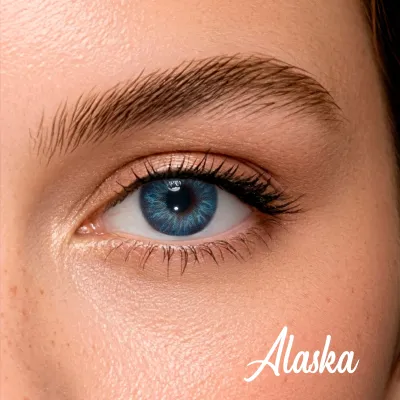
Claro Alaska - Colored Contact Lenses
*{box-sizing:border-box;} .alaska-page{ width:100%; margin:0; padding:0; font-family:Arial,Helvetica,sans-serif; color:#34495e; line-height:…
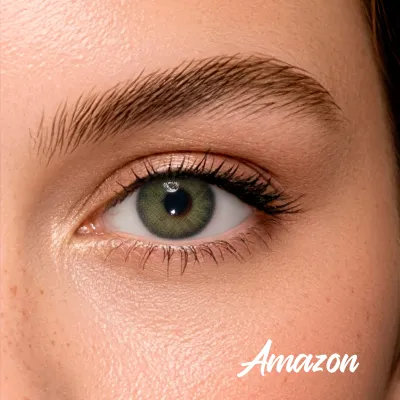
Claro Amazon - Colored Contact Lenses
*{box-sizing:border-box;} .amazon-page{ width:100%; margin:0; padding:0; font-family:Arial,Helvetica,sans-serif; color:#34495e; line-height:…
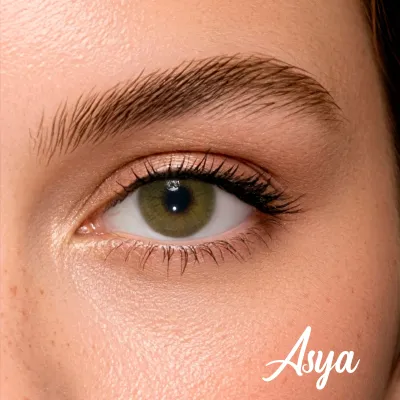
Claro Asya - Colored Contact Lenses
*{box-sizing:border-box;} .asya-page{ width:100%; margin:0; padding:0; font-family:Arial,Helvetica,sans-serif; color:#34495e; line-height:1.…
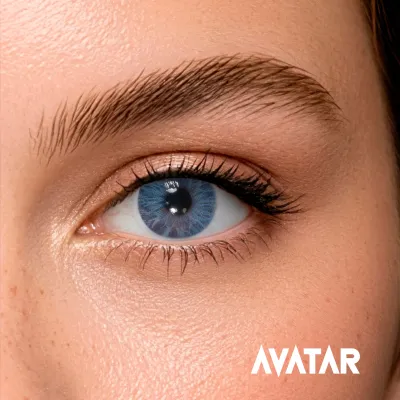
Claro Avatar - Colored Contact Lenses
*{box-sizing:border-box;} .avatar-page{ width:100%; margin:0; padding:0; font-family:Arial,Helvetica,sans-serif; color:#34495e; line-height:…
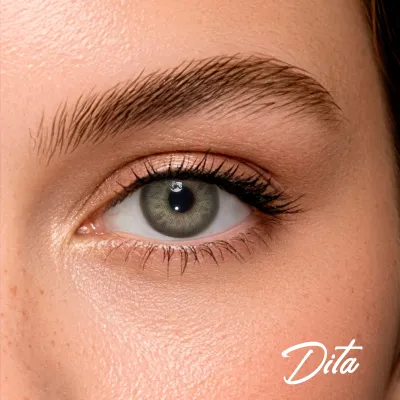
Claro Dita - Colored Contact Lenses
*{box-sizing:border-box;} .dita-page{ width:100%; margin:0; padding:0; font-family:Arial,Helvetica,sans-serif; color:#34495e; line-height:1.…
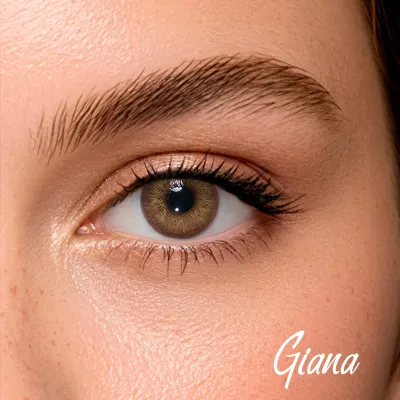
Claro Giana - Colored Contact Lenses
*{box-sizing:border-box;} .giana-page{ width:100%; margin:0; padding:0; font-family:Arial,Helvetica,sans-serif; color:#3b2a1d; line-height:1…
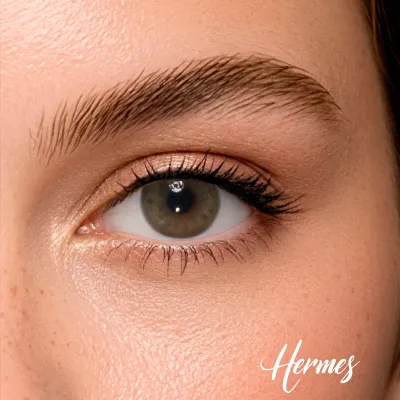
Claro Hermes - Colored Contact Lenses
*{box-sizing:border-box;} .hermes-page{ width:100%; margin:0; padding:0; font-family:Arial,Helvetica,sans-serif; color:#34495e; line-height:…
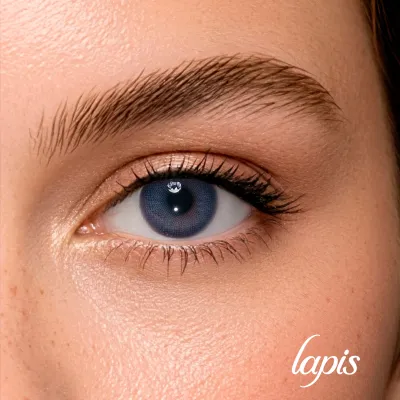
Claro Lapis - Colored Contact Lenses
*{box-sizing:border-box;} .lapis-page{ width:100%; margin:0; padding:0; font-family:Arial,Helvetica,sans-serif; color:#34495e; line-height:1…