


-36x36.png)

In the world of vision correction, contact lenses offer unparalleled freedom and convenience. However, unlike purchasing over-the-counter reading glasses, obtaining contact lenses requires a valid prescription from a qualified eye care professional. This isn't merely a formality; it's a critical safeguard for your eye health and a guarantee of optimal vision. At Opticzade, we emphasize the paramount importance of understanding and adhering to your contact lens prescription to ensure both safety and satisfaction with your vision correction journey.
A contact lens prescription is a highly personalized document, detailing the specific parameters required for lenses to fit comfortably and correct your vision effectively. It’s a testament to the intricate nature of the human eye and the advanced technology behind modern contact lenses. Without this precise information, you risk discomfort, potential eye damage, and inadequate vision correction. This comprehensive guide will demystify contact lens prescriptions, from how to obtain one to understanding every detail on the document, ensuring you make informed decisions for your eye care.
Understanding Your Contact Lens Prescription
Many people assume that an eyeglass prescription is interchangeable with a contact lens prescription. This is a common misconception that can lead to significant problems. While both aim to correct vision, the requirements for contact lenses are far more specific due to their direct contact with the eye's surface. A contact lens prescription includes unique measurements that are not found on an eyeglass prescription, making a separate, dedicated eye exam essential.
Key Differences from Eyeglass Prescriptions
Eyeglass prescriptions measure the power needed to correct your vision at a distance from your eyes, through a lens held in a frame. Contact lenses, however, sit directly on the cornea. This proximity means that the power required for contact lenses is often slightly different from that of eyeglasses. Furthermore, contact lens prescriptions include measurements related to the lens's physical dimensions, such as base curve and diameter, which are crucial for a proper fit. These parameters ensure the lens rests comfortably on your eye, allows for adequate oxygen flow, and moves correctly with your blinks, preventing irritation and potential damage.
The Importance of a Proper Fit and Material
A contact lens that doesn't fit properly can cause a range of issues, from minor discomfort and blurry vision to severe complications like corneal abrasions, infections, and even permanent vision loss. The base curve (BC) measurement dictates the curvature of the lens, matching it to your eye's unique shape. The diameter (DIA) specifies the width of the lens, ensuring it covers the cornea appropriately. Beyond fit, the material of the contact lens also plays a vital role. Different materials offer varying levels of oxygen permeability, water content, and flexibility, all of which impact comfort and eye health. Your eye care professional will assess your eye's physiology and lifestyle to recommend the most suitable material and fit, ensuring your eyes remain healthy and comfortable.
The Essential Steps to Obtain a Prescription
Obtaining a contact lens prescription is a straightforward process that begins with a comprehensive eye examination. This exam is more than just a vision test; it's a thorough evaluation of your overall eye health and suitability for contact lens wear. It's a crucial step that ensures your eyes are healthy enough for lenses and that you receive the most appropriate type and fit.
Comprehensive Eye Examination Components
During your eye exam, the optometrist or ophthalmologist will perform several tests. These typically include a visual acuity test to measure your sharpness of vision, a refraction test to determine your exact vision correction needs, and a slit-lamp examination to inspect the front structures of your eye, including the cornea, iris, and lens. For contact lens wearers, additional measurements are taken, such as corneal topography, which maps the curvature of your cornea, and tear film evaluation to assess your eye's ability to produce sufficient tears. These detailed assessments are vital for prescribing lenses that are both effective and safe for your specific eye characteristics.
Discussing Your Lifestyle and Vision Goals
Beyond the clinical measurements, your eye care professional will also discuss your lifestyle, daily activities, and vision goals. Do you work in front of a computer for long hours? Do you participate in sports? Are you interested in daily disposables for convenience, or perhaps extended wear lenses? Do you have any specific aesthetic preferences, such as wanting to try Colored Contact Lenses? Your answers help determine the best type of lens for you, considering factors like wear schedule, material, and specific features that align with your needs. This personalized approach ensures that your contact lenses not only correct your vision but also seamlessly integrate into your daily life.
Decoding the Numbers on Your Contact Lens Rx
Once you have your prescription, it might look like a string of confusing abbreviations and numbers. However, understanding these terms empowers you to verify your prescription and discuss your options confidently. Familiarizing yourself with these details is a key part of responsible contact lens wear.
Common Abbreviations and Their Meanings
- OD (Oculus Dexter) / R (Right): Refers to your right eye.
- OS (Oculus Sinister) / L (Left): Refers to your left eye.
- OU (Oculus Uterque): Refers to both eyes.
- SPH (Sphere): Indicates the lens power (diopters) needed to correct nearsightedness (-) or farsightedness (+).
- CYL (Cylinder): For astigmatism, this specifies the amount of lens power needed to correct it.
- AXIS: Also for astigmatism, this number (0 to 180 degrees) indicates the orientation of the cylinder power.
- ADD (Addition): For multifocal or bifocal lenses, this is the added magnifying power for reading.
- BC (Base Curve): Measures the curvature of the inside surface of the contact lens, matching it to your cornea.
- DIA (Diameter): The distance across the contact lens from edge to edge.
- BRAND/MANUFACTURER: The specific brand and manufacturer of the contact lenses prescribed, as different brands have unique designs and materials.
Understanding Base Curve and Diameter
The base curve (BC) and diameter (DIA) are critical for a comfortable and healthy fit. A BC that is too flat or too steep can cause the lens to move excessively or restrict oxygen flow, leading to irritation or corneal damage. Similarly, an incorrect DIA can result in the lens being too small, exposing parts of the cornea, or too large, impeding tear exchange. These precise measurements are why a contact lens fitting is distinct from an eyeglass prescription and underscores why you should never wear lenses not specifically prescribed for you.
Why a Valid Prescription is Legally Required
The requirement for a valid prescription to purchase contact lenses is not arbitrary; it's a legal and medical necessity designed to protect public health. Regulations in many countries, including the United States (under the Fairness to Contact Lens Consumers Act), mandate that contact lenses be sold only with a valid prescription. This ensures that a qualified professional has assessed the wearer's eyes and deemed contact lens use safe and appropriate.
Health Risks of Unprescribed Lenses
Purchasing contact lenses without a prescription, whether from unregulated online sources or unauthorized vendors, carries significant health risks. These lenses may be ill-fitting, made of unsuitable materials, or even counterfeit, leading to a host of problems. Potential complications include eye infections (which can be severe and lead to blindness), corneal ulcers, allergic reactions, inflammation, and permanent damage to the cornea. These risks are amplified when lenses are worn improperly or for extended periods without professional guidance.
Legal Frameworks Protecting Your Vision
The legal frameworks surrounding contact lens sales are in place to ensure patient safety. They empower consumers by giving them the right to their prescription, allowing them to purchase lenses from their chosen retailer, but simultaneously protect them from the dangers of unregulated sales. Always insist on a valid prescription and purchase from reputable sources like Opticzade, where we prioritize your eye health and adhere strictly to all regulatory guidelines. This commitment ensures you receive genuine, high-quality products that match your exact prescription.
Maintaining Eye Health with Regular Check-ups
A contact lens prescription is not a one-time document. It has an expiration date, typically one year from the date of your last eye exam. Regular check-ups are essential not only to renew your prescription but also to monitor your eye health and ensure that contact lens wear remains safe and comfortable for you.
The Lifespan of Your Prescription
Contact lens prescriptions expire because your eyes can change over time. Your vision may fluctuate, your corneal shape might alter slightly, or your tear film quality could change. Annual eye exams allow your eye care professional to detect these subtle changes, update your prescription if necessary, and check for any potential complications arising from contact lens wear. This proactive approach helps prevent problems before they become serious, ensuring your long-term eye health.
Recognizing When to Update Your Rx
Beyond the annual check-up, there are signs that you might need to update your prescription sooner. If you experience blurry vision, persistent discomfort, redness, excessive dryness, or frequent infections, it's crucial to schedule an appointment with your eye care professional immediately. These symptoms could indicate a change in your vision, an improper lens fit, or an underlying eye health issue that requires attention. Never try to self-diagnose or adjust your contact lens wear without professional advice.
Exploring Different Types of Contact Lenses
The world of contact lenses offers a wide array of options, each designed to meet different vision needs and lifestyle preferences. From daily disposables to specialty lenses, understanding the choices available can help you and your eye care professional select the perfect fit for you.
Daily, Weekly, and Monthly Options
The most common types of contact lenses are categorized by their replacement schedule. Daily disposable lenses are worn for one day and then discarded, offering maximum hygiene and convenience, as no cleaning or storage is required. Two-week or monthly disposable lenses are worn for their respective periods, requiring daily cleaning and proper storage. These options can be more cost-effective for some but demand diligent care to prevent infections. Your eye care professional will recommend the best schedule based on your eye health, lifestyle, and willingness to follow care instructions.
Specialty Lenses and Aesthetic Choices
Beyond standard spherical lenses, there are specialty options for more complex vision needs. Toric lenses are designed to correct astigmatism, while multifocal or bifocal lenses provide correction for both near and far vision, addressing presbyopia. For those looking to enhance or change their eye color, Colored Contact Lenses offer a fantastic aesthetic choice. These lenses come with or without vision correction and require the same precise prescription and fitting as clear lenses to ensure safety and comfort. Whether you're seeking a subtle enhancement or a dramatic transformation, Opticzade offers a wide selection of high-quality colored contact lenses, always emphasizing the need for a valid prescription.
Your contact lens prescription is more than just a piece of paper; it's your gateway to clear, comfortable, and safe vision. It represents the professional care and expertise that goes into protecting one of your most precious senses. By understanding its importance, diligently following your eye care professional's advice, and purchasing from trusted retailers like Opticzade, you ensure that your contact lens experience is nothing short of excellent. Always prioritize your eye health, renew your prescription regularly, and never compromise on the quality and authenticity of your contact lenses. Your eyes deserve the best care, and a valid prescription is the foundation of that care.
Sıkça Sorulan Sorular
Why do I need a separate prescription for contact lenses if I already have one for eyeglasses?
How often do I need to get my contact lens prescription renewed?
Can I buy contact lenses, including colored ones, without a prescription?
What do the terms SPH, CYL, and AXIS mean on my contact lens prescription?
What should I do if my contact lenses feel uncomfortable or my vision becomes blurry?
Konuyla ilgili öne çıkan ürünler
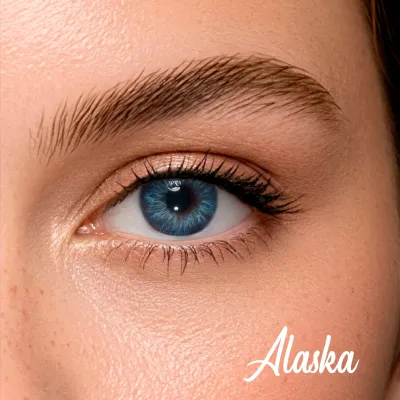
Claro Alaska - Colored Contact Lenses
*{box-sizing:border-box;} .alaska-page{ width:100%; margin:0; padding:0; font-family:Arial,Helvetica,sans-serif; color:#34495e; line-height:…
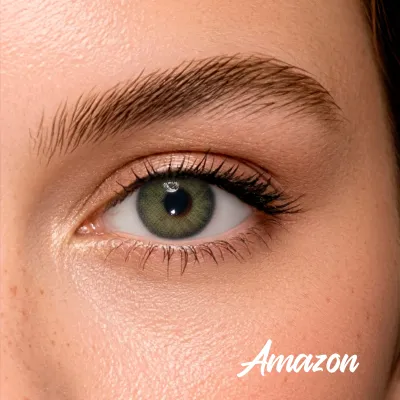
Claro Amazon - Colored Contact Lenses
*{box-sizing:border-box;} .amazon-page{ width:100%; margin:0; padding:0; font-family:Arial,Helvetica,sans-serif; color:#34495e; line-height:…
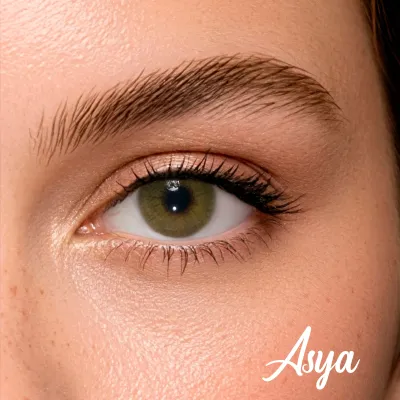
Claro Asya - Colored Contact Lenses
*{box-sizing:border-box;} .asya-page{ width:100%; margin:0; padding:0; font-family:Arial,Helvetica,sans-serif; color:#34495e; line-height:1.…
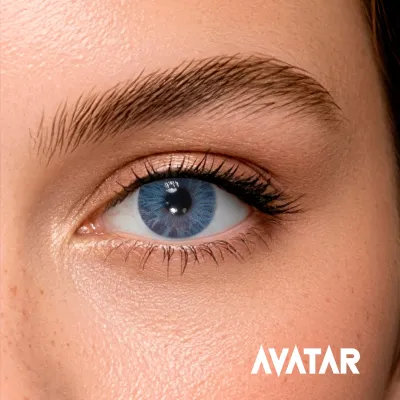
Claro Avatar - Colored Contact Lenses
*{box-sizing:border-box;} .avatar-page{ width:100%; margin:0; padding:0; font-family:Arial,Helvetica,sans-serif; color:#34495e; line-height:…
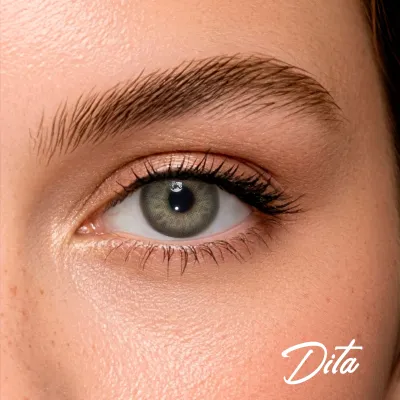
Claro Dita - Colored Contact Lenses
*{box-sizing:border-box;} .dita-page{ width:100%; margin:0; padding:0; font-family:Arial,Helvetica,sans-serif; color:#34495e; line-height:1.…
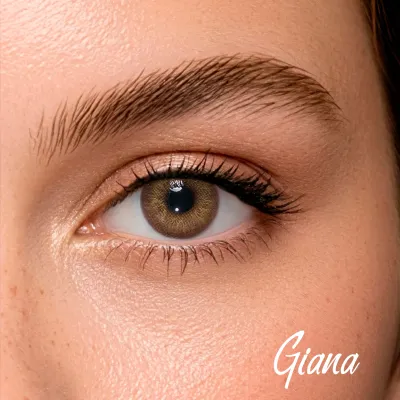
Claro Giana - Colored Contact Lenses
*{box-sizing:border-box;} .giana-page{ width:100%; margin:0; padding:0; font-family:Arial,Helvetica,sans-serif; color:#3b2a1d; line-height:1…
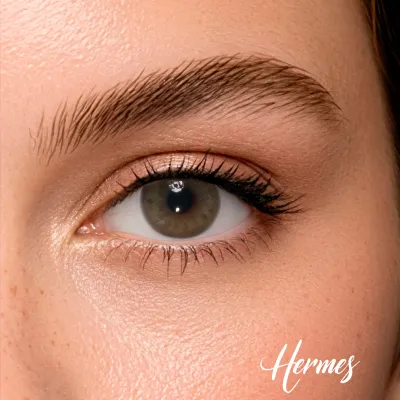
Claro Hermes - Colored Contact Lenses
*{box-sizing:border-box;} .hermes-page{ width:100%; margin:0; padding:0; font-family:Arial,Helvetica,sans-serif; color:#34495e; line-height:…
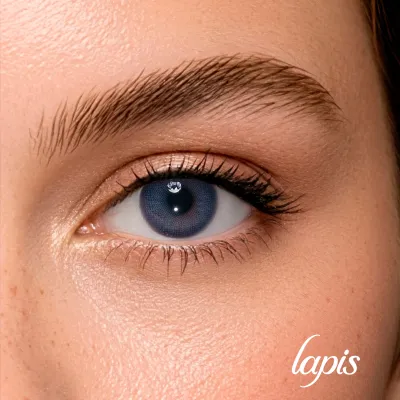
Claro Lapis - Colored Contact Lenses
*{box-sizing:border-box;} .lapis-page{ width:100%; margin:0; padding:0; font-family:Arial,Helvetica,sans-serif; color:#34495e; line-height:1…