



For many, contact lenses offer a liberating alternative to traditional eyeglasses, providing clear vision without altering one's appearance or restricting activities. The process of acquiring them, however, involves more than just picking a pair off a shelf. It demands careful consideration of your eye health, lifestyle, and a valid prescription. This comprehensive guide will walk you through every essential step, ensuring you make an informed and safe choice for your vision needs.
Exploring Vision Correction Options
When considering vision correction, contact lenses present a unique blend of benefits that often appeal to a wide range of individuals. They sit directly on the eye, offering an unobstructed field of vision and a natural look, which can be particularly advantageous for sports enthusiasts or those who prefer not to wear glasses.
Advantages Over Traditional Eyewear
One of the primary advantages of contact lenses is their ability to provide peripheral vision that glasses cannot. There are no frames to obstruct your view, making them ideal for activities requiring a full visual field. They also eliminate issues like glasses slipping down your nose, fogging up in humid conditions, or getting splashed with rain. For many, the aesthetic appeal is also a significant factor, allowing individuals to showcase their natural facial features without the presence of frames.
Who Can Benefit from Wearing Them?
Almost anyone with a refractive error, such as myopia (nearsightedness), hyperopia (farsightedness), astigmatism, or presbyopia, can potentially wear contact lenses. Beyond simple vision correction, individuals involved in active lifestyles, professional settings where glasses might be cumbersome, or those seeking a cosmetic change often find contact lenses to be a superior choice. However, suitability is always determined by an eye care professional after a thorough examination, considering factors like eye health, tear film quality, and individual comfort.
Understanding Different Lens Varieties
The world of contact lenses is diverse, offering a multitude of options tailored to different needs, lifestyles, and aesthetic preferences. Knowing the distinctions between these types is crucial for making the best choice.
Daily vs. Extended Wear Options
contact lenses are primarily categorized by their replacement schedule. Daily disposable lenses are worn for one day and then discarded, offering the highest level of hygiene and convenience as they require no cleaning or storage. This can significantly reduce the risk of eye infections. Reusable lenses, on the other hand, are worn for a specified period (e.g., two weeks or a month) and must be cleaned and disinfected daily. While they might be more cost-effective in the long run for some, they demand a strict adherence to care routines.
Speciality Lenses for Astigmatism and Presbyopia
Beyond standard spherical lenses, there are specialized options for more complex vision needs. Toric lenses are designed to correct astigmatism, a common condition where the cornea has an irregular shape, causing blurred or distorted vision. These lenses have a specific orientation on the eye to provide clear vision. Multifocal or bifocal lenses address presbyopia, the age-related loss of near vision, allowing wearers to see clearly at multiple distances without needing reading glasses.
Expressing Yourself with Aesthetic Enhancements
For those looking to change or enhance their eye color, colored contact lenses offer a fantastic solution. These lenses come in a wide array of hues, from subtle enhancements that deepen your natural eye color to opaque tints that completely transform it. It's important to remember that even if you don't require vision correction, colored contact lenses are still medical devices and require a prescription to ensure proper fit and eye health. Reputable sellers, like those offering quality Colored Contact Lenses, will always require a valid prescription.
The Essential Role of a Current Prescription
A valid and up-to-date prescription is the cornerstone of safe and effective contact lens wear. It's not just a legal requirement; it's a critical component of your eye health.
Why Professional Eye Exams Are Non-Negotiable
Unlike eyeglasses, contact lenses sit directly on your eye, making their fit and material composition vital. An eye care professional conducts a comprehensive eye exam and a contact lens fitting, which includes measuring the curvature of your cornea and assessing your tear film. This ensures the lenses fit properly, allowing adequate oxygen flow to your eye and preventing potential complications like corneal abrasions, infections, or discomfort. Regular check-ups also monitor your eye health and detect any changes that might necessitate a prescription adjustment.
Deciphering Your Prescription Details
A contact lens prescription contains specific parameters beyond what's found on an eyeglass prescription. Key details include: the lens power (sphere), base curve (BC), diameter (DIA), and for toric lenses, cylinder (CYL) and axis (AX). For multifocal lenses, an 'add' power is also specified. Understanding these values is essential when purchasing lenses, especially online, to ensure you order the correct specifications for your eyes. Always double-check these details against your current prescription.
Navigating Your Purchase Channels
Once you have a valid prescription, the next step is deciding where to purchase your contact lenses. You have several options, each with its own set of advantages.
Advantages of Online Retailers
Online retailers often provide competitive pricing, a vast selection of brands and types, and the convenience of ordering from home at any time. Many offer subscription services, ensuring you receive your lenses regularly without needing to reorder. When choosing an online vendor, prioritize those that require a valid prescription verification, have clear return policies, and offer responsive customer service. This ensures you're getting authentic products that meet health and safety standards.
Benefits of Optician Practices
Purchasing lenses directly from your optometrist or an optical shop offers personalized service and the immediate availability of lenses, especially if you need a replacement quickly. Opticians can provide expert advice, demonstrate proper insertion and removal techniques, and address any immediate concerns or fitting issues. While prices might sometimes be slightly higher than online, the added value of professional guidance and support can be invaluable, especially for new wearers.
What to Look for in a Reputable Seller
Regardless of whether you choose an online platform or a physical store, vetting your seller is paramount. A reputable seller will always require a current, valid prescription and will not sell you lenses without one. They should offer genuine products from established manufacturers, have transparent pricing, and provide clear information on their return and exchange policies. Look for positive customer reviews and certifications that attest to their credibility and commitment to customer safety and satisfaction.
Key Factors Influencing Lens Pricing
The cost of contact lenses can vary significantly, depending on several factors. Understanding these can help you budget effectively and find the best value for your vision needs.
Comparing Different Brands and Materials
Just like any medical device, contact lenses come from various manufacturers, each offering different brands with unique materials and technologies. Silicone hydrogel lenses, for example, often allow more oxygen to reach the eye, which can be more comfortable and healthier, but they might also be more expensive than traditional hydrogel lenses. Specialized lenses for astigmatism or presbyopia also typically cost more than standard spherical lenses due to their complex design and manufacturing process.
Subscription Services and Bulk Purchase Savings
Many online retailers and some optician practices offer subscription services or discounts for purchasing lenses in bulk. Subscriptions can provide a convenient way to ensure you always have a fresh supply, often at a slightly reduced per-box price. Buying a year's supply at once can also lead to significant savings compared to purchasing smaller quantities more frequently. Always compare the total annual cost across different providers and purchase options to find the most economical solution for your specific lens type.
Ensuring Proper Care and Hygiene for Your Eyes
Proper care and hygiene are not just recommendations; they are critical practices for maintaining eye health and preventing serious infections when wearing contact lenses.
Best Practices for Insertion and Removal
Always wash your hands thoroughly with soap and water and dry them with a lint-free towel before touching your lenses or eyes. When inserting, ensure the lens is not inside out (it should look like a perfect bowl). Use a fresh lens for daily disposables, and for reusable lenses, ensure they are clean and stored in fresh solution. For removal, use the pad of your finger to gently slide the lens down and off your eye. Avoid using your fingernails, which can damage the lens or scratch your eye.
Cleaning and Storage Protocols
For reusable lenses, a strict cleaning regimen is essential. Always use fresh, sterile contact lens solution each time you clean and store your lenses. Never use tap water, saliva, or expired solution. Rub the lenses gently in the palm of your hand with a few drops of solution, then rinse them thoroughly before placing them in a clean lens case filled with fresh solution. Replace your lens case every three months to prevent bacterial buildup.
Recognizing and Preventing Complications
Even with proper care, complications can sometimes arise. Be aware of symptoms like redness, persistent discomfort, blurred vision, excessive tearing, or sensitivity to light. If you experience any of these, remove your lenses immediately and consult your eye care professional. Never sleep in lenses unless specifically approved by your optometrist for extended wear. Adhering to your replacement schedule and hygiene practices are the best defenses against potential eye health issues.
Making an Informed Decision: What to Consider
Choosing the right contact lenses and purchasing them safely involves synthesizing all the information discussed. It's about finding the perfect balance between comfort, cost, and convenience while prioritizing your eye health.
Prioritizing Comfort and Eye Health
Ultimately, the best contact lenses for you are those that feel comfortable, provide clear vision, and maintain the health of your eyes. This often means trying different brands or types during your fitting process under the guidance of your eye care professional. Don't compromise on comfort or disregard any persistent irritation, as these can be signs of an ill-fitting lens or an underlying issue. Your eye health should always be the top priority.
Long-Term Value and Convenience
Consider your lifestyle and budget when making your final decision. While daily disposables offer unparalleled convenience and hygiene, reusable lenses might be more cost-effective for some. Evaluate the long-term value, including the cost of solutions for reusable lenses, and the convenience of your chosen purchase channel. By weighing all these factors, you can confidently acquire contact lenses that enhance your vision and fit seamlessly into your daily life, ensuring a positive and healthy experience.
Sıkça Sorulan Sorular
Do I need a prescription to buy contact lenses?
What types of contact lenses are available for purchase?
Is it safe to buy contact lenses online?
Can I wear colored contact lenses without a prescription?
How often should I replace my contact lenses?
Konuyla ilgili öne çıkan ürünler
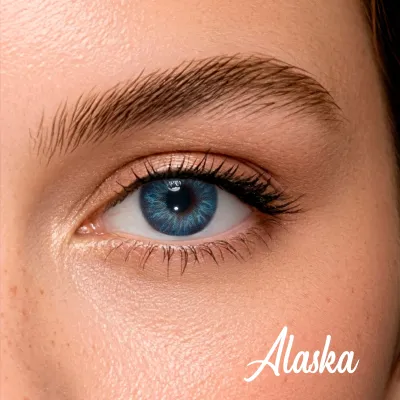
Claro Alaska - Colored Contact Lenses
*{box-sizing:border-box;} .alaska-page{ width:100%; margin:0; padding:0; font-family:Arial,Helvetica,sans-serif; color:#34495e; line-height:…
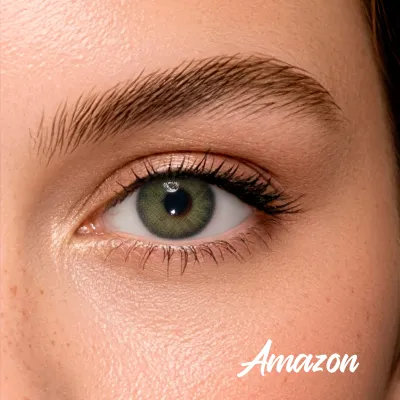
Claro Amazon - Colored Contact Lenses
*{box-sizing:border-box;} .amazon-page{ width:100%; margin:0; padding:0; font-family:Arial,Helvetica,sans-serif; color:#34495e; line-height:…
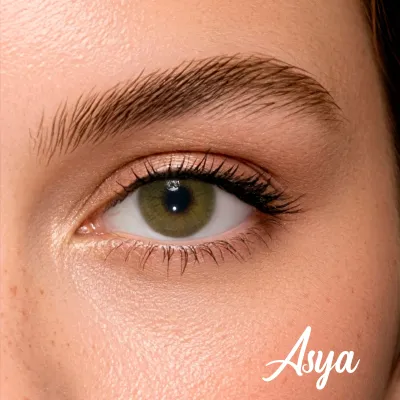
Claro Asya - Colored Contact Lenses
*{box-sizing:border-box;} .asya-page{ width:100%; margin:0; padding:0; font-family:Arial,Helvetica,sans-serif; color:#34495e; line-height:1.…
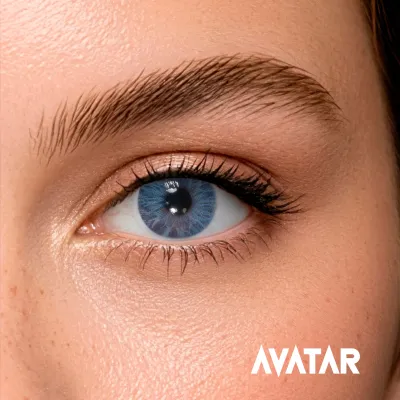
Claro Avatar - Colored Contact Lenses
*{box-sizing:border-box;} .avatar-page{ width:100%; margin:0; padding:0; font-family:Arial,Helvetica,sans-serif; color:#34495e; line-height:…
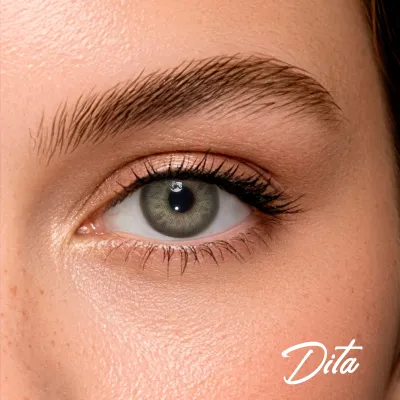
Claro Dita - Colored Contact Lenses
*{box-sizing:border-box;} .dita-page{ width:100%; margin:0; padding:0; font-family:Arial,Helvetica,sans-serif; color:#34495e; line-height:1.…
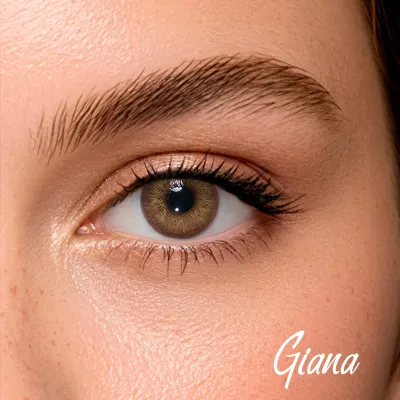
Claro Giana - Colored Contact Lenses
*{box-sizing:border-box;} .giana-page{ width:100%; margin:0; padding:0; font-family:Arial,Helvetica,sans-serif; color:#3b2a1d; line-height:1…
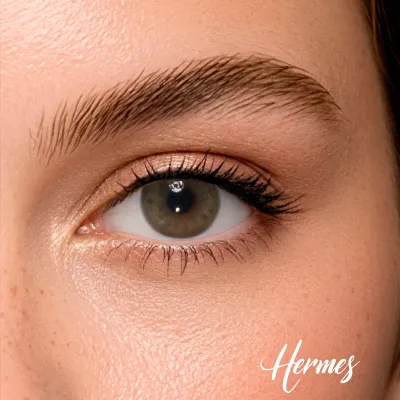
Claro Hermes - Colored Contact Lenses
*{box-sizing:border-box;} .hermes-page{ width:100%; margin:0; padding:0; font-family:Arial,Helvetica,sans-serif; color:#34495e; line-height:…
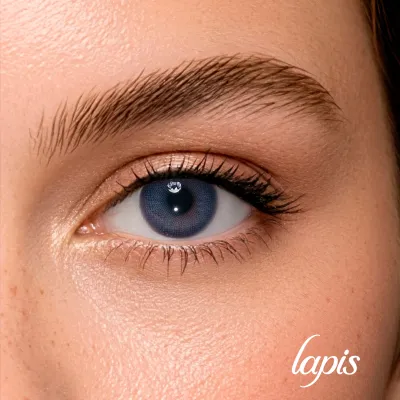
Claro Lapis - Colored Contact Lenses
*{box-sizing:border-box;} .lapis-page{ width:100%; margin:0; padding:0; font-family:Arial,Helvetica,sans-serif; color:#34495e; line-height:1…