


-36x36.png)

In the vast landscape of vision correction, contact lenses offer unparalleled freedom and convenience. However, their use is intrinsically linked to a precise document: your eye contact lens prescription. This isn't merely a piece of paper; it's a detailed blueprint crafted by an eye care professional, ensuring your lenses provide optimal vision, comfort, and, most importantly, safeguard your ocular health. Understanding this prescription is paramount, not just for correcting your sight but for making informed choices when selecting and purchasing your lenses, whether for daily wear or to explore exciting options like Colored Contact Lenses.
At Opticzade, we believe that informed customers make the best decisions for their eye health. This comprehensive guide aims to demystify the intricacies of contact lens prescriptions, empowering you with the knowledge to confidently manage your vision needs. From deciphering the cryptic abbreviations to understanding the critical role of a professional fitting, we’ll walk you through every essential aspect. Prepare to gain clarity on your prescription and discover how to navigate the journey towards perfectly fitted, comfortable contact lenses.
Unraveling Your Contact Lens Prescription
Your contact lens prescription is a highly individualized document, distinct from a glasses prescription, containing specific parameters tailored to the unique curvature and health of your eyes. Each number and abbreviation holds vital information essential for manufacturing lenses that sit correctly on your eye, providing clear vision without causing discomfort or damage. Misinterpreting these details can lead to ill-fitting lenses, resulting in blurred vision, irritation, or even serious eye complications. Therefore, taking the time to understand each component is a crucial step in responsible contact lens wear.
Decoding the Numbers on Your Script
At first glance, a contact lens prescription might seem like a jumble of letters and numbers. However, each element serves a specific purpose. Typically, you'll find values for Sphere, Cylinder, Axis, ADD, Base Curve (BC), and Diameter (DIA). The 'Sphere' value, often abbreviated as 'SPH' or 'PWR', indicates the lens power needed to correct your nearsightedness (myopia, denoted by a minus sign) or farsightedness (hyperopia, denoted by a plus sign). This is the primary power for distance vision correction.
Common Optical Abbreviations
- OD (Oculus Dexter): Refers to your right eye.
- OS (Oculus Sinister): Refers to your left eye.
- OU (Oculus Uterque): Pertains to both eyes.
- BC (Base Curve): Measures the curvature of the back surface of the contact lens, ensuring it matches your eye's curvature for a snug, comfortable fit.
- DIA (Diameter): Indicates the width of the contact lens, from edge to edge, ensuring it covers the cornea appropriately.
- EXP (Expiration Date): The date after which the prescription is no longer valid.
Understanding Sphere, Cylinder, and Axis
For individuals with astigmatism, your prescription will include 'Cylinder' (CYL) and 'Axis' values. The Cylinder indicates the amount of lens power needed to correct astigmatism, which is an imperfection in the curvature of your eye's cornea or lens. The Axis, measured in degrees from 1 to 180, specifies the orientation of the astigmatism correction on the lens. Without accurate Cylinder and Axis values, astigmatic vision will remain blurry, even with the correct Sphere power. For those requiring multifocal or bifocal lenses, an 'ADD' (Addition) power will be listed, indicating the magnifying power needed for near vision correction.
The Significance of Base Curve and Diameter
Beyond vision correction, the Base Curve (BC) and Diameter (DIA) are critical for the physical fit of the lens. The BC dictates how snugly the lens rests on your cornea – too flat, and it might move excessively; too steep, and it could restrict oxygen flow and cause discomfort. The DIA ensures the lens covers the cornea adequately without extending too far onto the sclera (white part of the eye) or being too small. These physical parameters are why a glasses prescription cannot be used for contact lenses; they simply don't account for the unique surface of your eye.
The Critical Role of a Current Eye Exam
Obtaining a contact lens prescription is not a one-time event. It requires regular, professional eye examinations to ensure your eyes remain healthy and your prescription is up-to-date. Eye health can change over time due to various factors, including age, lifestyle, and underlying medical conditions. A valid prescription is a testament to a recent assessment by a qualified optometrist or ophthalmologist, confirming that your eyes are suitable for contact lens wear and that the prescribed parameters still meet your needs.
Why Regular Check-ups are Non-Negotiable
Annual eye exams for contact lens wearers are crucial for several reasons. Firstly, your vision can fluctuate, necessitating adjustments to your lens power. Secondly, and perhaps more importantly, an eye care professional can detect early signs of eye conditions or complications related to contact lens wear, such as dry eyes, infections, or corneal abrasions, before they become serious. These check-ups also ensure that the fit of your lenses remains optimal, preventing long-term issues that can arise from poorly fitting contacts.
Dangers of Using Expired Prescriptions
Using an expired contact lens prescription is not only illegal in many regions but also highly risky for your eye health. An expired prescription means that your eyes haven't been recently evaluated, and the parameters listed might no longer be accurate. This could lead to wearing lenses that are the wrong power, causing eye strain and headaches, or, more critically, lenses that fit improperly, potentially leading to corneal damage, oxygen deprivation, or severe infections. Always prioritize your eye health by ensuring your prescription is current.
Safeguarding Your Ocular Health
Your eye care professional is your primary partner in safeguarding your ocular health. During your examination, they assess the overall health of your eyes, check for conditions like glaucoma or cataracts, and evaluate your tear film quality to ensure contact lens wear is comfortable and safe. They also provide essential guidance on proper lens care, hygiene, and wearing schedules. Adhering to their advice and maintaining regular check-ups are fundamental pillars of responsible contact lens use, protecting your precious eyesight for years to come.
The Process of Acquiring Your Lens Prescription
Unlike purchasing over-the-counter reading glasses, obtaining a contact lens prescription requires a specific process involving a comprehensive eye examination and a specialized contact lens fitting. This ensures that the lenses not only correct your vision but also sit comfortably and safely on your eyes, minimizing any potential risks. It's a personalized journey designed to provide you with the best possible contact lens experience.
Locating a Qualified Eye Care Professional
The first step is to schedule an appointment with a licensed optometrist or ophthalmologist. It's important to choose a professional who specializes in contact lens fittings, as they possess the necessary expertise and equipment to accurately assess your eyes for contact lens suitability. You can often find recommendations from friends, family, or through professional directories. Ensure they are reputable and have positive patient reviews, as the quality of your fitting directly impacts your comfort and vision.
What Happens During a Contact Lens Fitting
A contact lens fitting involves more than just determining your visual acuity. Your eye doctor will perform a series of measurements and evaluations, including: measuring the curvature of your cornea (keratometry), assessing your tear film to check for dry eye, and evaluating the overall health of your front eye surface. They will also discuss your lifestyle, vision needs, and preferences (e.g., daily disposables vs. extended wear, clear vs. Colored Contact Lenses) to recommend the most suitable lens type for you. This comprehensive assessment ensures the chosen lenses align with both your physiological and practical requirements.
Adapting to Trial Lenses and Follow-up Care
After the initial assessment, your eye doctor will provide you with trial lenses. These aren't just for a quick test; they are crucial for evaluating the lens fit, comfort, and vision in real-world conditions. You'll typically wear these trial lenses for a few days or a week, returning for a follow-up appointment. During this visit, the doctor will check how the lenses are performing on your eyes, assess your comfort, and make any necessary adjustments to the prescription or lens type. Only after this successful trial and follow-up will a final, valid contact lens prescription be issued. This iterative process is vital for achieving the perfect fit and optimal vision.
Matching Lenses to Your Vision Needs
With a valid prescription in hand, you're ready to explore the diverse world of contact lenses. Modern advancements have led to a wide array of options, each designed to cater to specific vision requirements, lifestyles, and even aesthetic preferences. Understanding these types will help you make an informed decision, ensuring your chosen lenses align perfectly with your daily life and visual goals.
Daily, Bi-Weekly, and Monthly Wear Options
The most common classification of contact lenses relates to their replacement schedule. Daily disposable lenses are worn for one day and then discarded, offering maximum hygiene and convenience, as no cleaning is required. Bi-weekly (two-week) lenses and monthly lenses are designed for extended use, requiring daily cleaning and proper storage. These options are often more economical for regular wearers but demand strict adherence to care routines to prevent infections and maintain eye health. Your eye doctor will recommend the best schedule based on your eye health and lifestyle.
Specialized Lenses for Astigmatism and Presbyopia
Beyond standard spherical lenses, specialized options address more complex vision issues. Toric lenses are specifically designed to correct astigmatism. They have a unique design that ensures they stay in the correct orientation on the eye to provide clear vision, accounting for the Cylinder and Axis values on your prescription. For individuals experiencing presbyopia (age-related difficulty with near vision), multifocal or bifocal contact lenses are available. These lenses incorporate different power zones for distance, intermediate, and near vision, allowing you to see clearly at all ranges without needing reading glasses.
Enhancing Your Look with Colored Contact Lenses
For those who wish to change or enhance their eye color, Colored Contact Lenses offer a fantastic solution. These lenses come in a spectrum of hues, from subtle enhancements to dramatic transformations. It's crucial to remember that even if you don't require vision correction, colored contact lenses are still medical devices and require a valid prescription. The Base Curve and Diameter are just as important for cosmetic lenses as they are for corrective ones, ensuring a safe and comfortable fit. Opticzade offers a wide selection of high-quality colored contact lenses, but always ensure you have a current prescription before purchasing.
Smart Shopping for Contact Lenses Online
Once you have a valid and current contact lens prescription, the convenience of purchasing lenses online becomes a significant advantage. Online retailers, such as Opticzade, offer competitive pricing, a vast selection, and the ease of ordering from the comfort of your home. However, smart online shopping requires careful attention to detail to ensure you receive the correct lenses that match your prescription precisely.
Key Prescription Details for Digital Orders
When placing an order online, you will typically need to input all the details from your prescription. This includes the brand name of the contact lenses, the Sphere (PWR), Cylinder (CYL), Axis, ADD power (if applicable), Base Curve (BC), and Diameter (DIA) for each eye. Double-check every single value against your physical prescription to prevent errors. Even a slight discrepancy in any parameter can lead to discomfort, blurred vision, or eye health issues. Many reputable online stores, including Opticzade, will require you to upload or provide your eye doctor's information to verify your prescription, adding an extra layer of safety.
When Professional Advice is Indispensable
While online shopping is convenient, it's essential to recognize its limitations. If you experience any discomfort, persistent redness, blurred vision, or any unusual symptoms after receiving new lenses, discontinue use immediately and consult your eye care professional. Similarly, if your prescription has expired or if you are considering switching to a different brand or type of lens (e.g., from clear to Colored Contact Lenses), always seek professional advice first. Your eye doctor can assess your eyes for suitability and provide a new, accurate prescription.
Ensuring Accuracy and Comfort with Your Purchase
To ensure accuracy and comfort, always purchase from reputable online retailers that require prescription verification. Be wary of websites that sell contact lenses without asking for a prescription, as these often sell unregulated or counterfeit products that can severely harm your eyes. At Opticzade, we prioritize your eye health and adhere strictly to regulations requiring a valid prescription for all contact lens purchases. This commitment ensures that you receive genuine, high-quality products that are safe and effective for your vision needs. Remember, your vision is precious; never compromise on safety for a perceived bargain.
Conclusion
Understanding your eye contact lens prescription is more than just knowing a series of numbers; it's about taking an active role in managing your eye health and ensuring optimal vision. From deciphering the specific parameters like Sphere, Cylinder, and Base Curve, to recognizing the vital importance of regular eye examinations and professional fittings, every step contributes to a safe and comfortable contact lens experience. Whether you're correcting your vision or exploring the aesthetic appeal of Colored Contact Lenses, a valid and current prescription is your indispensable guide.
At Opticzade, we are committed to providing you with access to a wide range of high-quality contact lenses, always emphasizing the necessity of a professional prescription. By staying informed, adhering to your eye care professional's advice, and making responsible purchasing decisions, you can enjoy the freedom and clarity that contact lenses offer, confidently and safely. Your eyes deserve the best care, and an accurate prescription is the foundation of that care.
Sıkça Sorulan Sorular
What is the difference between an eye contact lens prescription and a glasses prescription?
How often do I need to get my contact lens prescription updated?
Can I buy colored contact lenses without a prescription?
What should I do if my contact lenses feel uncomfortable or cause irritation?
What do BC and DIA mean on my contact lens prescription?
Konuyla ilgili öne çıkan ürünler
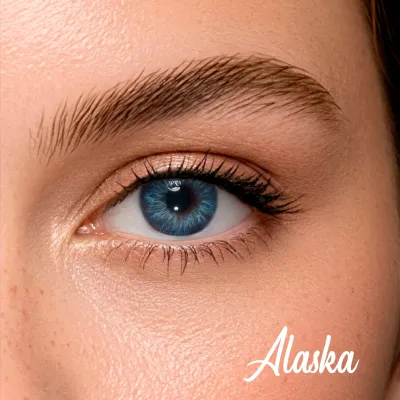
Claro Alaska - Colored Contact Lenses
*{box-sizing:border-box;} .alaska-page{ width:100%; margin:0; padding:0; font-family:Arial,Helvetica,sans-serif; color:#34495e; line-height:…
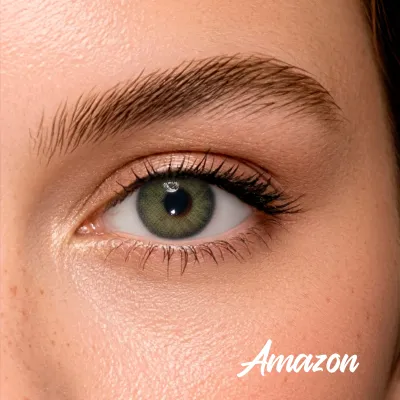
Claro Amazon - Colored Contact Lenses
*{box-sizing:border-box;} .amazon-page{ width:100%; margin:0; padding:0; font-family:Arial,Helvetica,sans-serif; color:#34495e; line-height:…
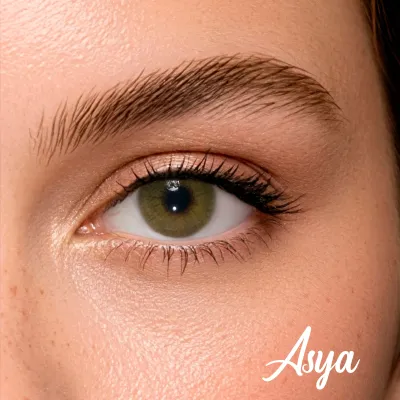
Claro Asya - Colored Contact Lenses
*{box-sizing:border-box;} .asya-page{ width:100%; margin:0; padding:0; font-family:Arial,Helvetica,sans-serif; color:#34495e; line-height:1.…
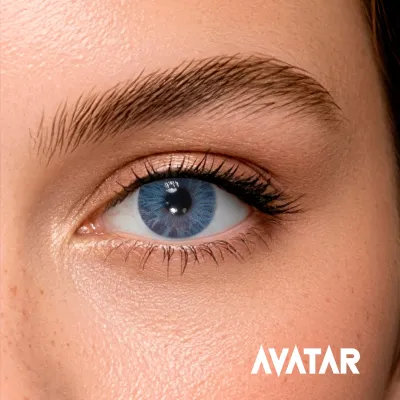
Claro Avatar - Colored Contact Lenses
*{box-sizing:border-box;} .avatar-page{ width:100%; margin:0; padding:0; font-family:Arial,Helvetica,sans-serif; color:#34495e; line-height:…
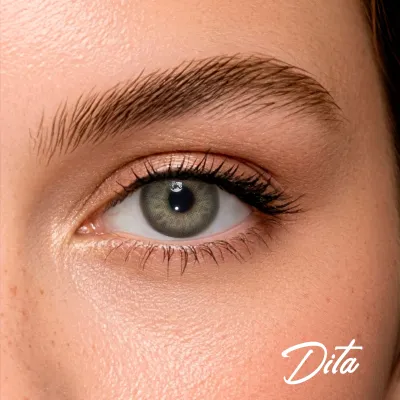
Claro Dita - Colored Contact Lenses
*{box-sizing:border-box;} .dita-page{ width:100%; margin:0; padding:0; font-family:Arial,Helvetica,sans-serif; color:#34495e; line-height:1.…
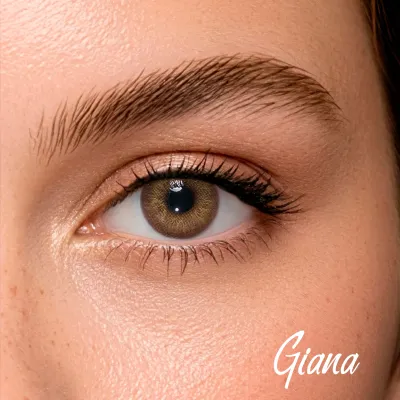
Claro Giana - Colored Contact Lenses
*{box-sizing:border-box;} .giana-page{ width:100%; margin:0; padding:0; font-family:Arial,Helvetica,sans-serif; color:#3b2a1d; line-height:1…
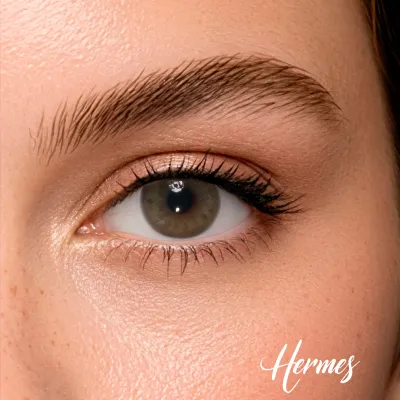
Claro Hermes - Colored Contact Lenses
*{box-sizing:border-box;} .hermes-page{ width:100%; margin:0; padding:0; font-family:Arial,Helvetica,sans-serif; color:#34495e; line-height:…
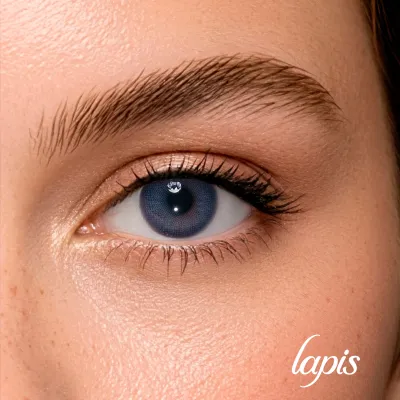
Claro Lapis - Colored Contact Lenses
*{box-sizing:border-box;} .lapis-page{ width:100%; margin:0; padding:0; font-family:Arial,Helvetica,sans-serif; color:#34495e; line-height:1…