



In the vibrant world of special effects, cosplay, and theatrical performances, certain accessories stand out for their dramatic impact. Among them, full white eye contacts, often referred to as whiteout or sclera lenses, command attention by completely transforming the appearance of the wearer's eyes. These unique colored contact lenses cover not just the iris but also a significant portion, or even the entirety, of the sclera (the white part of the eye), creating a striking, otherworldly, or even unsettling look. While their aesthetic appeal is undeniable, understanding the critical aspects of their use, from safety precautions to proper selection and care, is paramount for anyone considering incorporating them into their ensemble.
This comprehensive guide delves into the nuances of these captivating lenses, providing essential information to ensure both a stunning visual effect and the utmost protection for your ocular health. From discerning between cosmetic and medical-grade options to navigating the complexities of prescriptions and hygiene, we aim to equip you with the knowledge needed to make informed decisions. Remember, while the visual transformation is exciting, the health of your eyes should always be the top priority.
Understanding the Appeal of Stark White Lenses
The dramatic visual effect achieved by completely covering the iris and sometimes the entire sclera with an opaque white hue is what makes these contact lenses so sought after. They offer an unparalleled ability to alter one's gaze, making them a staple in various creative fields. Whether aiming for a ghostly apparition, a demonic entity, an alien being, or a character from a fantasy realm, these lenses provide an instant and profound transformation that few other accessories can match.
Defining Cosmetic Opaque Eyewear
Cosmetic opaque eyewear, in this context, refers to contact lenses designed solely to change the appearance of the eye, not to correct vision. Unlike standard corrective lenses, their primary function is aesthetic. The term 'opaque' signifies that they are not transparent; they block out the natural color of the iris and, in the case of sclera lenses, the sclera itself, replacing it with a solid, often stark white. This category includes a wide range of designs, but the full white variant is particularly distinctive due to its complete coverage and intense color. It's crucial to understand that despite their cosmetic nature, these are still medical devices that require the same level of care and professional oversight as corrective lenses.
Popular Applications and Aesthetic Impact
The applications for these striking lenses are diverse. They are a favorite among cosplayers recreating characters with unusual eye features, Halloween enthusiasts seeking to elevate their costumes, and professional makeup artists working on film, television, or theatrical productions. Beyond specific character portrayals, they are also used in fashion photography and artistic projects to evoke a sense of the surreal or avant-garde. The aesthetic impact is immediate and powerful, capable of conveying emotions from chilling horror to ethereal beauty, depending on the overall styling. This ability to dramatically alter perception makes them an invaluable tool for visual storytelling and personal expression.
Prioritizing Eye Health: Safety Guidelines for Theatrical Lenses
While the allure of a complete eye transformation is strong, the health and safety of your eyes must always come first. Theatrical or special effect contact lenses, including those that are entirely white, are medical devices regulated by health authorities. Misuse or improper selection can lead to serious eye infections, corneal abrasions, and even permanent vision loss. Adhering to strict safety guidelines is not merely a recommendation; it is an absolute necessity to protect your precious eyesight.
The Absolute Necessity of a Valid Prescription
It is a common misconception that because these lenses do not correct vision, they do not require a prescription. This is false. In many countries, including the United States, all contact lenses, whether corrective or cosmetic, are classified as medical devices and require a valid prescription from a licensed eye care professional. An optometrist or ophthalmologist will measure your eyes to ensure the lenses fit properly, assess your eye health to determine suitability, and provide instructions on proper wear and care. Lenses that do not fit correctly can scratch the cornea, restrict oxygen flow, and cause discomfort or severe damage. Purchasing lenses without a prescription is illegal and extremely dangerous.
Recognizing Reputable Suppliers and Certified Products
The market for cosmetic contact lenses is vast, but not all suppliers are created equal. To safeguard your eye health, always purchase your full white eye contacts from reputable, licensed retailers. These suppliers will require a valid prescription and sell only FDA-approved (or equivalent regulatory body approved) lenses. Be wary of online marketplaces, costume shops, or beauty supply stores that sell contact lenses without requiring a prescription, as these products are often counterfeit, poorly manufactured, or made from unsafe materials. Authentic products will come in sealed, sterile packaging with clear expiration dates and detailed instructions. Trustworthy vendors, like those associated with established optical chains or specialized theatrical supply stores, prioritize patient safety and product quality.
Selecting the Right Whiteout Eyewear for Your Needs
Choosing the perfect pair of whiteout contact lenses involves more than just picking a color. It requires careful consideration of various factors to ensure comfort, safety, and the desired aesthetic outcome. Understanding the differences in styles, coverage, and material properties will guide you towards making an informed decision that aligns with both your visual goals and your eye health requirements.
Exploring Different Styles and Coverage Options
White contact lenses come in several styles, primarily differing in their coverage area. 'Whiteout' lenses typically cover only the iris, making the entire visible iris appear white while leaving the sclera untouched. 'Mini-sclera' lenses extend slightly beyond the iris, covering a portion of the sclera, creating a larger, more dramatic white effect. 'Sclera' lenses, on the other hand, are much larger, designed to cover the entire visible white part of the eye, producing the most extreme and impactful transformation. Each style offers a distinct visual effect, and your choice will depend on the specific character or look you are aiming to achieve. Consider the overall aesthetic impact and how much of your natural eye you wish to obscure.
Key Considerations: Fit, Material, and Wear Schedule
Beyond style, the fit of the lens is paramount. A proper fit, determined by an eye care professional, ensures comfort and allows adequate oxygen to reach the cornea. Lenses that are too tight or too loose can cause irritation, blurred vision, or even corneal damage. The material of the lens also plays a significant role; most theatrical lenses are made from hydrogel or silicone hydrogel, which vary in oxygen permeability and water content. Discuss these options with your optometrist. Furthermore, consider the wear schedule—whether the lenses are daily disposables, bi-weekly, or monthly. Daily disposables are often recommended for occasional use due to their hygiene benefits, as they eliminate the need for cleaning and storage solutions, reducing the risk of infection. Always adhere strictly to the prescribed wear schedule and never wear lenses longer than recommended.
Essential Care and Maintenance for Your Special Effect Contacts
Proper care and maintenance are non-negotiable for any contact lens user, and this holds especially true for special effect lenses. Neglecting hygiene can lead to severe eye infections, discomfort, and potentially long-term damage. Establishing a rigorous routine for cleaning, storing, and handling your lenses is crucial for preserving both their integrity and your eye health.
Best Practices for Cleaning and Storage
For reusable lenses, always use a fresh, multi-purpose contact lens solution recommended by your eye care professional. Never use tap water, saliva, or homemade solutions, as these can introduce harmful microorganisms. After removal, place each lens in the palm of your hand with a few drops of solution and gently rub it with your finger for about 10-20 seconds to dislodge any deposits. Rinse thoroughly with more solution before placing them in a clean lens case filled with fresh solution. Replace your lens case every three months to prevent bacterial buildup. Always wash your hands thoroughly with soap and water and dry them with a lint-free towel before handling your lenses.
Proper Insertion and Removal Techniques
Mastering the correct insertion and removal techniques is vital to avoid damaging your eyes or the lenses. Before touching your eyes or lenses, always wash and dry your hands. For insertion, place the lens on the tip of your index finger, ensuring it's not inside out (the edges should curve upwards like a bowl). Use your other hand to hold your upper eyelid open, and with your middle finger of the inserting hand, pull down your lower eyelid. Gently place the lens on your eye. Blink slowly to settle it. For removal, look upwards, pull down your lower eyelid, and gently pinch the lens with your thumb and index finger, then slide it off your eye. If you experience difficulty, do not force it; consult your eye care professional for guidance.
Navigating Potential Risks and Ensuring a Safe Experience
While the visual impact of full white eye contacts is captivating, it's essential to be fully aware of the potential risks associated with their use. Being informed about these risks and knowing how to respond to warning signs can significantly contribute to a safer and more enjoyable experience. Your eye health should never be compromised for aesthetic purposes.
Identifying Warning Signs and Complications
Even with proper care, complications can arise. Be vigilant for any signs of eye irritation or infection. Symptoms to watch out for include persistent redness, excessive tearing, unusual discharge, pain, light sensitivity, a feeling of something in your eye, or sudden blurred vision. If you experience any of these symptoms, remove your lenses immediately and contact your eye care professional without delay. Do not attempt to self-treat or continue wearing the lenses, as this could exacerbate the problem and lead to more serious conditions like corneal ulcers or permanent vision impairment.
The Importance of Regular Eye Check-ups
Regular eye check-ups are critical for all contact lens wearers, including those using cosmetic lenses. Your eye care professional can monitor your eye health, check for any early signs of complications, and ensure your prescription remains accurate for lens fit. Even if you don't experience any symptoms, annual examinations are recommended to maintain optimal eye health. These check-ups provide an opportunity to discuss any concerns you may have and receive updated advice on lens care and new product developments. This proactive approach is key to a safe and comfortable contact lens experience.
Making an Informed Purchase: Where to Find Quality Opaque Lenses
When you're ready to purchase your whiteout contact lenses, making an informed decision about where to buy them is just as important as selecting the right style. The market is saturated with options, but not all sources offer the same level of quality or safety. Prioritizing reputable vendors ensures you receive genuine, safe, and effective products.
Verifying Authenticity and Brand Credentials
Always purchase from licensed optical stores, optometrists' offices, or reputable online retailers that require a valid prescription. Brands like those often found in stores like Opticzade (a hypothetical example of a specialized optical retailer) or similar certified vendors are more likely to offer authentic, high-quality products. Look for indications of FDA approval or compliance with other national health regulations on the packaging. Genuine lenses will have clear branding, batch numbers, and expiration dates. Avoid generic or unbranded lenses, as their origin and manufacturing standards are often questionable. A reputable seller will be transparent about their products' certifications and sourcing.
Understanding Pricing and Warranty Information
While price can be a factor, extremely cheap lenses should raise a red flag. Quality, safe contact lenses involve precise manufacturing processes and rigorous testing, which are reflected in their cost. Be suspicious of deals that seem too good to be true, as they often are. Inquire about the retailer's return or warranty policy. Reputable sellers will stand behind their products and offer recourse if there's a manufacturing defect. However, remember that issues arising from improper use or care are typically not covered. Investing in quality lenses from a trusted source is an investment in your eye health and a guarantee of a superior visual effect.
Sıkça Sorulan Sorular
Do I need a prescription for full white eye contacts?
What are the main safety concerns when using whiteout contact lenses?
How do I properly clean and store my special effect contact lenses?
Where can I buy authentic and safe full white eye contacts?
What are the different types of white contact lenses available?
Konuyla ilgili öne çıkan ürünler
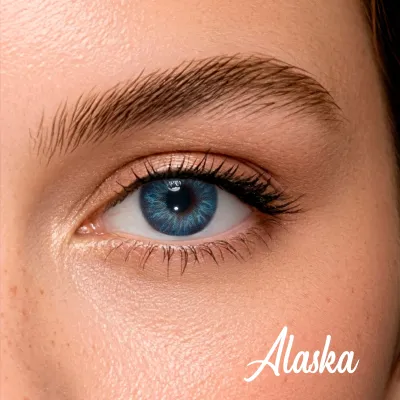
Claro Alaska - Colored Contact Lenses
*{box-sizing:border-box;} .alaska-page{ width:100%; margin:0; padding:0; font-family:Arial,Helvetica,sans-serif; color:#34495e; line-height:…
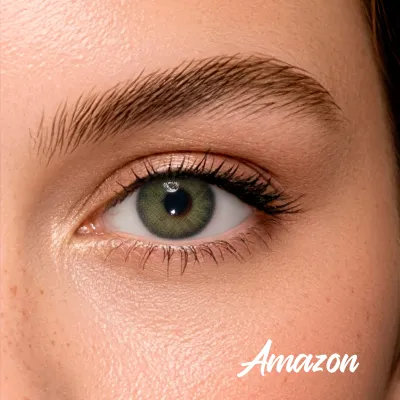
Claro Amazon - Colored Contact Lenses
*{box-sizing:border-box;} .amazon-page{ width:100%; margin:0; padding:0; font-family:Arial,Helvetica,sans-serif; color:#34495e; line-height:…
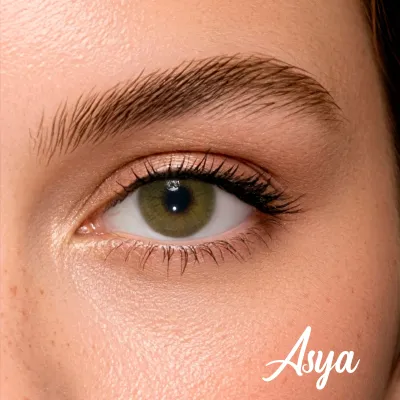
Claro Asya - Colored Contact Lenses
*{box-sizing:border-box;} .asya-page{ width:100%; margin:0; padding:0; font-family:Arial,Helvetica,sans-serif; color:#34495e; line-height:1.…

Claro Avatar - Colored Contact Lenses
*{box-sizing:border-box;} .avatar-page{ width:100%; margin:0; padding:0; font-family:Arial,Helvetica,sans-serif; color:#34495e; line-height:…
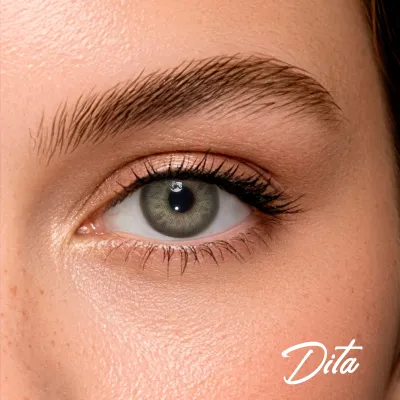
Claro Dita - Colored Contact Lenses
*{box-sizing:border-box;} .dita-page{ width:100%; margin:0; padding:0; font-family:Arial,Helvetica,sans-serif; color:#34495e; line-height:1.…
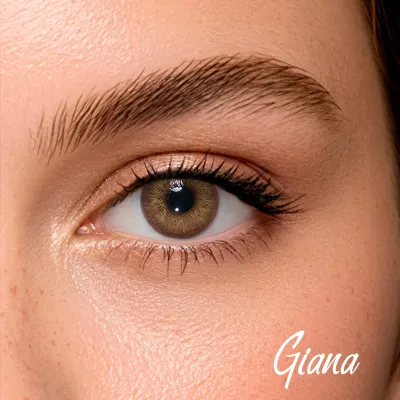
Claro Giana - Colored Contact Lenses
*{box-sizing:border-box;} .giana-page{ width:100%; margin:0; padding:0; font-family:Arial,Helvetica,sans-serif; color:#3b2a1d; line-height:1…
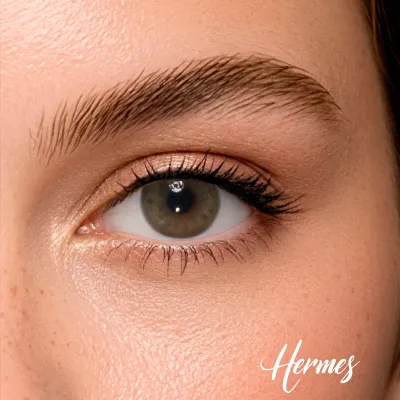
Claro Hermes - Colored Contact Lenses
*{box-sizing:border-box;} .hermes-page{ width:100%; margin:0; padding:0; font-family:Arial,Helvetica,sans-serif; color:#34495e; line-height:…
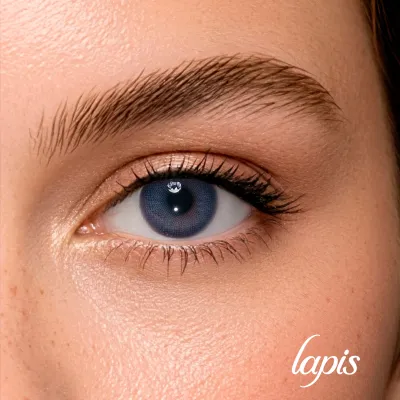
Claro Lapis - Colored Contact Lenses
*{box-sizing:border-box;} .lapis-page{ width:100%; margin:0; padding:0; font-family:Arial,Helvetica,sans-serif; color:#34495e; line-height:1…