


-36x36.png)

In an era where precision and personal expression converge, contact eyewear has emerged as a transformative solution for vision correction and aesthetic enhancement. Far beyond merely replacing traditional spectacles, contact lenses represent a pinnacle of optical engineering, offering unparalleled freedom, clarity, and convenience. For millions worldwide, they are not just a medical device but an integral part of their daily lives, enabling active lifestyles and boosting confidence.
At Opticzade, we understand the profound impact that clear vision and comfortable eyewear can have. This comprehensive guide delves into the intricate world of contact lenses, exploring their evolution, diverse types, critical care requirements, and the undeniable aesthetic advantages they offer. We aim to equip you with the knowledge necessary to make informed decisions, ensuring your journey with contact eyewear is both safe and satisfying. Our commitment is to provide trusted information, reflecting the highest standards of eye care expertise.
The Journey of Ocular Correction
The quest for improved vision has a rich history, evolving from rudimentary magnifying glasses to the sophisticated contact lenses we know today. Early attempts at placing corrective devices directly on the eye date back centuries, with Leonardo da Vinci conceptualizing a method to alter corneal power. However, it wasn't until the late 19th century that glass lenses were successfully fitted, albeit for short durations. The real breakthrough came with the advent of plastics in the mid-20th century, paving the way for softer, more comfortable, and oxygen-permeable materials.
A Brief History of Ocular Devices
Initially, contact lenses were rigid and made from polymethyl methacrylate (PMMA), offering excellent vision but limited oxygen transmission, leading to discomfort. The 1970s marked a revolution with the introduction of soft hydrogel lenses, significantly improving comfort and wearability. This innovation democratized contact lens use, making it accessible to a broader population. Each decade since has brought forth further advancements, focusing on enhanced breathability, moisture retention, and specialized designs.
Modern Innovations in Lens Technology
Today's contact lenses are marvels of biocompatible engineering. Materials like silicone hydrogel allow significantly more oxygen to reach the cornea, promoting eye health even with extended wear. Advanced manufacturing techniques enable ultra-thin designs, superior edge profiles, and precise optical corrections. From lenses that correct astigmatism (toric lenses) to those that address presbyopia (multifocal lenses), the technological landscape continues to expand, offering tailored solutions for almost every visual need. These innovations underscore the industry's dedication to merging cutting-edge science with practical, user-centric design.
Diverse Types of Vision-Correcting Lenses
The variety of contact lenses available today is vast, designed to cater to different vision needs, lifestyles, and wearing preferences. Understanding these distinctions is crucial for selecting the most appropriate option under the guidance of an eye care professional.
Daily and Extended Wear Options
- Daily Disposables: These lenses are worn for one day and then discarded. They offer the highest level of hygiene and convenience, eliminating the need for cleaning and storage solutions. Ideal for individuals prone to allergies or those seeking maximum simplicity.
- Two-Week or Monthly Disposables: Designed for repeated use, these lenses require daily cleaning and disinfection before being stored overnight. They offer a balance of cost-effectiveness and convenience, provided proper care routines are strictly followed.
- Extended Wear Lenses: Some lenses are approved for continuous wear, including overnight, for a specified period (e.g., up to 7 or 30 days). While convenient, they carry a higher risk of eye infections and require careful monitoring by an eye care professional.
Specialized Lenses for Astigmatism and Presbyopia
Beyond standard spherical lenses that correct nearsightedness or farsightedness, specialized designs address more complex visual conditions:
- Toric Lenses: Specifically designed to correct astigmatism, a common condition where the cornea has an irregular shape, leading to blurred or distorted vision at all distances. Toric lenses have different powers in different meridians of the lens to compensate for the corneal irregularity.
- Multifocal and Bifocal Lenses: These lenses are crafted to address presbyopia, the age-related loss of near focusing ability. They incorporate multiple prescriptions into a single lens, allowing wearers to see clearly at varying distances—near, intermediate, and far—without needing reading glasses.
- Rigid Gas Permeable (RGP) Lenses: While less common than soft lenses, RGPs offer crisp vision and are highly durable. They are particularly beneficial for individuals with high astigmatism, keratoconus, or those who have not achieved optimal vision with soft lenses. Their rigid structure maintains its shape, providing consistent vision correction.
Ensuring Comfort and Sustaining Eye Health
The comfort and safety of contact lenses are paramount. Modern advancements have significantly improved both, but understanding the underlying principles and adhering to best practices remains vital for long-term eye health.
The Science Behind Comfortable Lenses
Comfort in contact lenses is primarily determined by material, design, and fit. Silicone hydrogel materials are highly prized for their exceptional oxygen permeability, allowing the cornea to "breathe" more effectively. This reduces the risk of hypoxia-related complications and contributes to a healthier ocular environment. Additionally, lens hydration, wettability, and a smooth, thin edge design all play crucial roles in minimizing friction and maintaining a comfortable feel throughout the day. Manufacturers continually innovate to create lenses that mimic the natural eye surface, enhancing biocompatibility.
Recognizing and Preventing Eye Irritation
Even with the most advanced lenses, irritation can occur. Common causes include dry eyes, allergies, improper cleaning, overwearing, or a poor fit. Symptoms such as redness, itching, excessive tearing, or a foreign body sensation should prompt immediate lens removal and consultation with an eye care professional. Preventing irritation involves strict adherence to hygiene protocols, using recommended lens solutions, replacing lenses as prescribed, and never sharing lenses. Regular eye exams are indispensable for monitoring eye health and ensuring your lenses remain suitable for your eyes.
The Aesthetic Dimension of Lens Wear
Beyond their primary function of vision correction, contact lenses offer a unique advantage in personal aesthetics, providing freedom from frames and the ability to subtly or dramatically alter one's eye appearance.
Beyond Vision: Style and Confidence
For many, the decision to wear contact lenses is as much about style as it is about sight. They offer an unobstructed view of the face, allowing natural features to shine through without the interruption of spectacle frames. This can be particularly appealing for special occasions, sports, or simply for those who prefer a more natural look. The absence of frames can also open up new possibilities for makeup and overall personal styling, contributing to a significant boost in self-confidence.
Exploring Vibrant Hues with Colored Contacts
Among the most popular aesthetic choices are Colored Contact Lenses. These lenses are designed to change or enhance the natural color of your iris, offering a spectrum of possibilities from subtle enhancements to bold, transformative looks. Whether you desire to deepen your natural blue, experiment with a striking green, or try a captivating hazel, colored contacts provide a safe and temporary way to express your individuality. It's crucial to remember that even non-corrective colored contact lenses are medical devices and require a prescription and professional fitting to ensure safety and proper fit. Opticzade offers a wide selection of high-quality colored contact lenses, ensuring both stunning aesthetics and uncompromising eye health.
Proper Handling and Maintenance Protocols
Adhering to strict hygiene and care routines is non-negotiable for all contact lens wearers. Improper handling is the leading cause of eye infections and complications, which can range from uncomfortable irritation to serious, sight-threatening conditions.
Daily Routines for Lens Longevity
For reusable lenses, a consistent daily routine is essential:
- Wash Hands: Always wash your hands thoroughly with soap and water and dry them with a lint-free towel before touching your lenses.
- Clean Lenses: Place one lens in the palm of your hand, apply a few drops of fresh contact lens solution, and gently rub the lens with your finger for about 10-20 seconds.
- Rinse Lenses: Rinse the lens thoroughly with more fresh solution to remove any loosened debris.
- Store Lenses: Place the cleaned lens in a clean lens case filled with fresh solution. Never "top off" old solution.
- Replace Case: Replace your lens case every one to three months to prevent bacterial buildup.
Avoiding Common Mistakes in Lens Care
Several common missteps can compromise eye health:
- Using Tap Water: Never rinse or store lenses in tap water, as it contains microorganisms that can cause severe infections.
- Sleeping in Lenses: Unless specifically prescribed as extended wear, never sleep in your contact lenses. This significantly increases the risk of oxygen deprivation and infection.
- Overwearing Lenses: Adhere strictly to the prescribed wearing schedule. Wearing lenses beyond their recommended duration can lead to discomfort and complications.
- Using Saliva: Never moisten lenses with saliva. Your mouth contains bacteria that are harmful to your eyes.
- Sharing Lenses: Contact lenses are personal medical devices and should never be shared, even for cosmetic purposes.
Expert Consultation for a Perfect Fit
While the allure of contact lenses is strong, the most critical step in adopting them is a professional eye examination and fitting by a qualified eye care specialist. This ensures not only optimal vision correction but also the long-term health and safety of your eyes.
The Indispensable Role of Your Eye Care Professional
An optometrist or ophthalmologist plays a pivotal role in your contact lens journey. They possess the expertise to assess your overall eye health, determine if you are a suitable candidate for contact lenses, and identify any underlying conditions that might affect lens wear. Their guidance is crucial in selecting the correct lens type, material, and design tailored to your unique eye shape, prescription, and lifestyle. They also provide essential training on insertion, removal, and care, empowering you to manage your lenses safely and effectively.
What to Expect During a Contact Lens Fitting
A comprehensive contact lens fitting involves several key steps:
- Eye Health Examination: A thorough check for any eye conditions, allergies, or dry eye symptoms that could impact lens wear.
- Corneal Measurements: Precise measurements of your cornea's curvature and diameter are taken to ensure the lens fits perfectly, allowing for proper movement and oxygen flow.
- Vision Assessment: Determination of your exact prescription for contact lenses, which may differ slightly from your spectacle prescription.
- Trial Lenses: You will typically be given a pair of trial lenses to wear for a short period to assess comfort, vision, and fit.
- Follow-Up Appointments: Essential to ensure the lenses continue to perform well and that your eyes remain healthy. Adjustments may be made if necessary.
At Opticzade, we emphasize the importance of these professional consultations. While we provide a wide range of high-quality contact eyewear, we strongly advocate that every purchase be made based on a current, valid prescription from a licensed eye care professional. Your vision and eye health are too valuable to compromise.
Contact eyewear offers a remarkable blend of advanced vision correction, comfort, and aesthetic versatility. From daily disposables to specialized toric and multifocal lenses, and the expressive potential of colored contacts, there's a solution for nearly everyone. By understanding the types, adhering to meticulous care routines, and prioritizing professional guidance, you can enjoy the myriad benefits of contact lenses safely and effectively. Embrace the freedom and clarity that modern contact eyewear provides, always remembering that expert advice is your best ally in maintaining optimal eye health.
Sıkça Sorulan Sorular
What are the main types of contact lenses available?
How important is professional fitting for contact lenses?
What are the essential steps for proper contact lens care?
Can I wear colored contact lenses without a prescription?
How do contact lenses contribute to eye health and comfort?
Konuyla ilgili öne çıkan ürünler
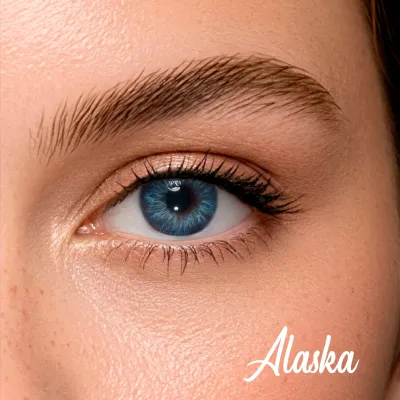
Claro Alaska - Colored Contact Lenses
*{box-sizing:border-box;} .alaska-page{ width:100%; margin:0; padding:0; font-family:Arial,Helvetica,sans-serif; color:#34495e; line-height:…
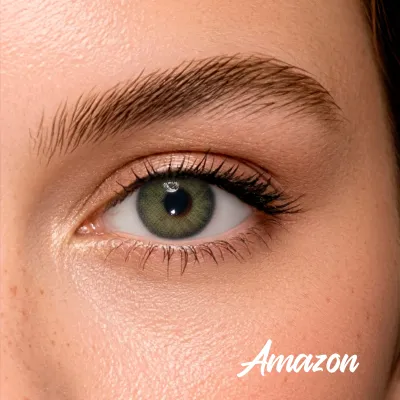
Claro Amazon - Colored Contact Lenses
*{box-sizing:border-box;} .amazon-page{ width:100%; margin:0; padding:0; font-family:Arial,Helvetica,sans-serif; color:#34495e; line-height:…
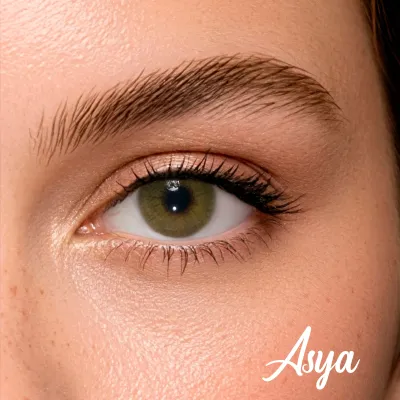
Claro Asya - Colored Contact Lenses
*{box-sizing:border-box;} .asya-page{ width:100%; margin:0; padding:0; font-family:Arial,Helvetica,sans-serif; color:#34495e; line-height:1.…
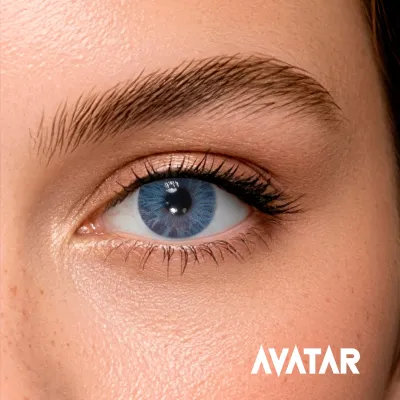
Claro Avatar - Colored Contact Lenses
*{box-sizing:border-box;} .avatar-page{ width:100%; margin:0; padding:0; font-family:Arial,Helvetica,sans-serif; color:#34495e; line-height:…
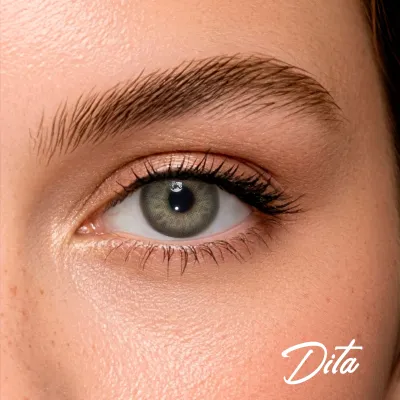
Claro Dita - Colored Contact Lenses
*{box-sizing:border-box;} .dita-page{ width:100%; margin:0; padding:0; font-family:Arial,Helvetica,sans-serif; color:#34495e; line-height:1.…
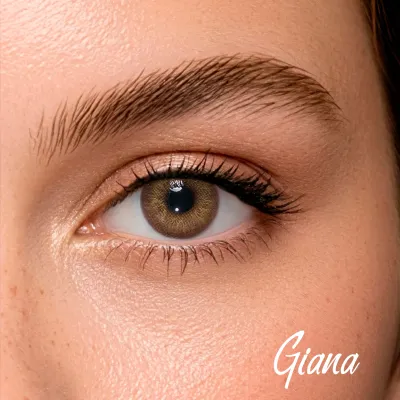
Claro Giana - Colored Contact Lenses
*{box-sizing:border-box;} .giana-page{ width:100%; margin:0; padding:0; font-family:Arial,Helvetica,sans-serif; color:#3b2a1d; line-height:1…
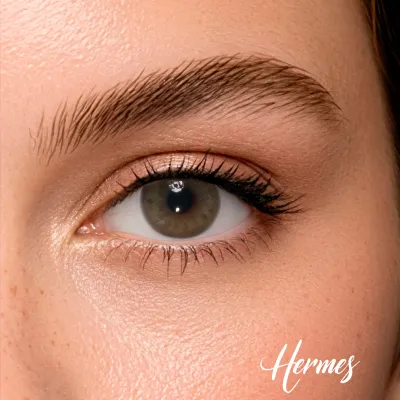
Claro Hermes - Colored Contact Lenses
*{box-sizing:border-box;} .hermes-page{ width:100%; margin:0; padding:0; font-family:Arial,Helvetica,sans-serif; color:#34495e; line-height:…
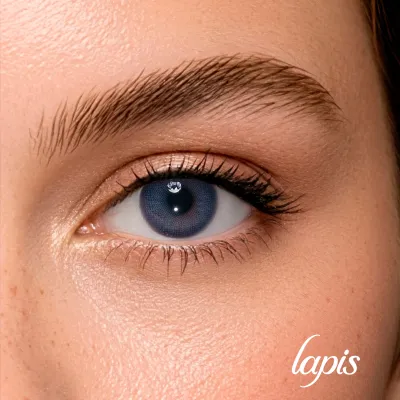
Claro Lapis - Colored Contact Lenses
*{box-sizing:border-box;} .lapis-page{ width:100%; margin:0; padding:0; font-family:Arial,Helvetica,sans-serif; color:#34495e; line-height:1…