



The allure of green eyes has captivated many throughout history, often associated with mystery, nature, and unique beauty. For those not naturally blessed with this captivating hue, or for individuals simply wishing to experiment with a new aesthetic, the world of colored contact lenses offers an accessible and exciting solution. Specifically, green contact lenses provide an incredible opportunity to transform your gaze, offering a spectrum of shades from subtle hazel-greens to vibrant emeralds. This guide delves into everything you need to know about embracing this enchanting eye color, ensuring both stunning results and paramount eye health.
Embracing the Allure of Emerald Hues
Green, as an eye color, holds a unique position, being less common than blue or brown. This rarity contributes to its mystique and desirability. When considering eye-color changing lenses, green offers remarkable versatility. It can provide a natural-looking enhancement for those with existing lighter eye colors, adding depth and a richer tone. Conversely, opaque green lenses can create a dramatic and complete transformation for individuals with dark brown eyes, allowing them to experience a completely new look.
The psychological impact of changing one's eye color can be profound, boosting confidence and allowing for personal expression. Whether you're aiming for a subtle shift that complements your natural features or a bold statement for a special occasion, the right pair of green lenses can truly redefine your appearance. From the earthy tones of olive green to the sparkling intensity of jade, there's a shade to match every personality and desired effect, making them a popular choice among colored contact lenses.
Finding Your Ideal Green Shade Match
Choosing the perfect shade of green is crucial for achieving your desired outcome. The vast array of options can be overwhelming, but by considering a few key factors, you can narrow down your choices and find lenses that truly complement your features.
Considering Your Natural Eye Color
- For Dark Eyes: If you have dark brown or black eyes, you'll generally need opaque green lenses. These lenses feature a solid, non-transparent color layer designed to completely cover your natural iris, allowing the chosen green shade to show vibrantly and consistently. Look for shades like deep emerald, forest green, or vibrant jade for a striking transformation.
- For Light Eyes: Individuals with blue, grey, or light hazel eyes might find enhancement tints more suitable. These translucent lenses are designed to intensify and subtly shift your natural eye color, adding depth and a touch of green without completely masking your original hue. Shades like hazel-green, light olive, or seafoam green can create a beautiful, natural-looking blend.
Harmonizing with Skin Tone and Hair Color
Your skin tone and hair color play a significant role in how certain green shades will appear on you. Warm skin tones (with yellow or golden undertones) often pair beautifully with warmer green shades, such as olive green, hazel-green, or greens with subtle gold flecks. These tones can create a harmonious and natural glow. Cool skin tones (with pink or blue undertones) tend to be complemented by cooler green shades, like emerald, jade, or deep forest green, which can provide a striking contrast and enhance your overall complexion. Experimenting with different shades, perhaps virtually or with trial lenses if available, can help you discover what looks best on you.
Varieties of Eye-Color Changing Lenses
Beyond the spectrum of green shades, colored lenses come in various types and designs, each offering distinct characteristics and wear schedules. Understanding these differences is key to making an informed choice that suits your lifestyle and vision needs.
Opaque vs. Enhancement Tints
As touched upon earlier, the primary distinction lies between opaque and enhancement tints. Opaque lenses are ideal for a complete color change, especially for darker eyes, providing a solid layer of color. Enhancement tints, on the other hand, are translucent and work by subtly enhancing or shifting your natural eye color, best suited for lighter eyes seeking a more understated effect. Many lenses also incorporate intricate patterns, such as a limbal ring (a dark outer ring that makes eyes appear larger and more defined) or multi-tone designs that mimic the natural variations in the human iris, adding to their realism and appeal.
Daily, Weekly, and Monthly Wear Schedules
- Daily Disposable Lenses: These offer the ultimate convenience and hygiene. You wear them for one day and then discard them, eliminating the need for cleaning and storage. They are perfect for occasional use or for those with sensitive eyes.
- Weekly/Bi-weekly Lenses: Designed for extended wear, these lenses are worn for a week or two before being replaced. They require daily cleaning and proper storage.
- Monthly Lenses: These provide the most cost-effective option for regular wearers. They can be worn for up to a month with diligent daily cleaning and proper storage.
The choice of wear schedule often comes down to personal preference, frequency of use, and budget. Regardless of the type, always adhere to the recommended replacement schedule to maintain optimal eye health.
Essential Guidelines for Safe Usage and Maintenance
While the aesthetic benefits of green contact lenses are undeniable, ensuring their safe use is paramount. Contact lenses are medical devices, and proper care is crucial to prevent eye infections and discomfort. Neglecting hygiene can lead to serious eye complications.
Proper Handling and Storage Techniques
Before touching your lenses, always wash your hands thoroughly with soap and water and dry them with a lint-free towel. This simple step prevents the transfer of bacteria and debris to your eyes. When removing or inserting lenses, avoid using fingernails, which can damage the lens or scratch your eye. Always use fresh, sterile contact lens solution for cleaning and storing your lenses; never use water or saliva. Your lens case should also be cleaned regularly and replaced every three months to prevent bacterial buildup. Never sleep in lenses unless they are specifically approved for extended wear by an eye care professional.
Recognizing and Preventing Complications
Be vigilant for any signs of eye irritation, such as redness, excessive tearing, discomfort, blurred vision, or sensitivity to light. If you experience any of these symptoms, remove your lenses immediately and consult an eye care professional. Never share your contact lenses with anyone, as this can transmit harmful bacteria and viruses. Always purchase lenses from reputable sources that require a valid prescription, ensuring the lenses are sterile, correctly manufactured, and safe for use. Regular eye check-ups are essential to monitor your eye health and ensure your lenses remain a good fit.
Deciphering Corrective vs. Plano Options
Many people assume that if they don't need vision correction, they don't need a prescription for colored contact lenses. This is a dangerous misconception. All contact lenses, whether they correct vision or are purely cosmetic, are classified as medical devices by regulatory bodies like the FDA.
Corrective Lenses: These lenses are prescribed to correct refractive errors such as myopia (nearsightedness), hyperopia (farsightedness), or astigmatism, while also changing your eye color. They require a comprehensive eye exam to determine the correct power, base curve, and diameter for your eyes.
Plano Lenses: Also known as non-corrective or cosmetic lenses, these do not have any vision-correcting power. However, they still require a professional fitting by an eye care specialist. An optometrist or ophthalmologist will measure your eye's curvature and diameter to ensure the lenses fit properly without causing discomfort or compromising your eye health. An ill-fitting lens, even a plano one, can scratch your cornea, lead to infections, or even cause permanent damage. Therefore, always obtain a valid prescription, even for purely aesthetic purposes.
Making an Informed Purchase Decision
Acquiring green contact lenses should always be a thoughtful process, prioritizing safety and quality over price alone. The market is flooded with options, but not all are created equal. Knowing what to look for can protect your eyes and ensure satisfaction.
Verifying Authenticity and Quality
Always purchase your lenses from licensed and reputable retailers, whether online or in-store. These sources are legally required to sell FDA-approved (or equivalent regulatory body approved) lenses and demand a valid prescription. Avoid unregulated street vendors, beauty supply stores, or unauthorized online sellers that offer lenses without a prescription. Such products may be counterfeit, non-sterile, or made from inferior materials, posing significant risks to your eye health. Look for brands known for their quality and safety standards, and check for clear packaging and expiration dates.
Understanding Cost Factors and Value
The cost of green contact lenses can vary significantly based on the brand, wear schedule (daily disposables are often more expensive per lens but eliminate solution costs), and whether they are corrective or plano. While it's tempting to opt for the cheapest option, remember that the health of your eyes is invaluable. Investing in high-quality, professionally fitted lenses from a trusted source is always the best long-term decision. Factor in the cost of professional eye exams and contact lens solutions when budgeting for your colored lens journey. The value of clear vision and healthy eyes far outweighs any short-term savings from unregulated products.
Green contact lenses offer a fantastic way to express individuality and enhance your personal style. By understanding the different types, choosing the right shade, and diligently adhering to safety and care guidelines, you can enjoy the transformative power of emerald eyes with confidence and peace of mind. Always prioritize professional advice and reputable products to ensure a safe and dazzling experience.
Sıkça Sorulan Sorular
Are green contact lenses safe to wear?
Can I wear green contact lenses if I have dark brown eyes?
Do I need a prescription for cosmetic green contact lenses?
How do I choose the right shade of green for my eyes?
Konuyla ilgili öne çıkan ürünler
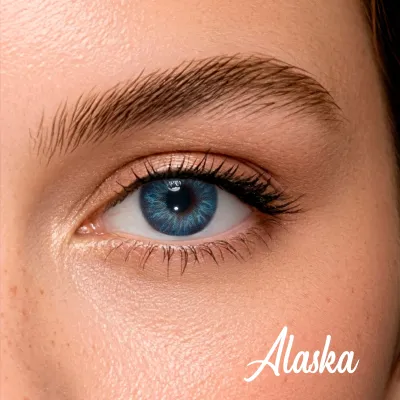
Claro Alaska - Colored Contact Lenses
*{box-sizing:border-box;} .alaska-page{ width:100%; margin:0; padding:0; font-family:Arial,Helvetica,sans-serif; color:#34495e; line-height:…
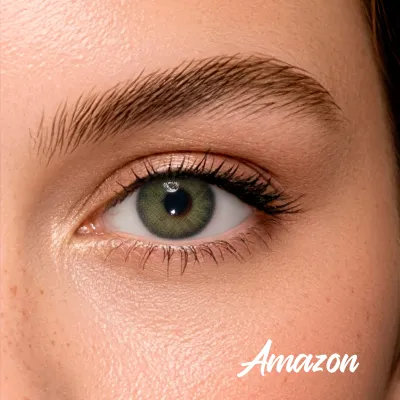
Claro Amazon - Colored Contact Lenses
*{box-sizing:border-box;} .amazon-page{ width:100%; margin:0; padding:0; font-family:Arial,Helvetica,sans-serif; color:#34495e; line-height:…
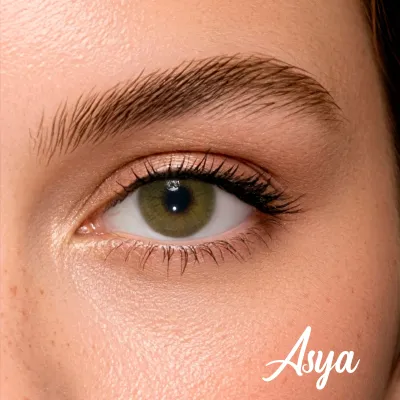
Claro Asya - Colored Contact Lenses
*{box-sizing:border-box;} .asya-page{ width:100%; margin:0; padding:0; font-family:Arial,Helvetica,sans-serif; color:#34495e; line-height:1.…
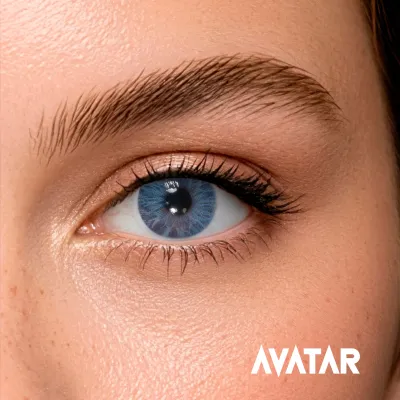
Claro Avatar - Colored Contact Lenses
*{box-sizing:border-box;} .avatar-page{ width:100%; margin:0; padding:0; font-family:Arial,Helvetica,sans-serif; color:#34495e; line-height:…
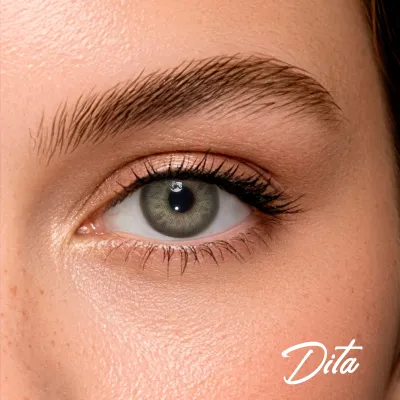
Claro Dita - Colored Contact Lenses
*{box-sizing:border-box;} .dita-page{ width:100%; margin:0; padding:0; font-family:Arial,Helvetica,sans-serif; color:#34495e; line-height:1.…
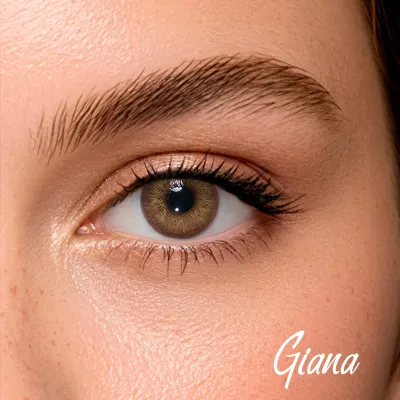
Claro Giana - Colored Contact Lenses
*{box-sizing:border-box;} .giana-page{ width:100%; margin:0; padding:0; font-family:Arial,Helvetica,sans-serif; color:#3b2a1d; line-height:1…
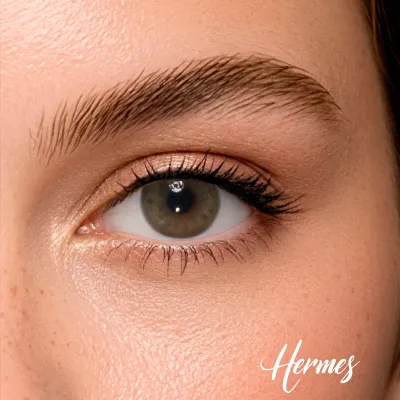
Claro Hermes - Colored Contact Lenses
*{box-sizing:border-box;} .hermes-page{ width:100%; margin:0; padding:0; font-family:Arial,Helvetica,sans-serif; color:#34495e; line-height:…
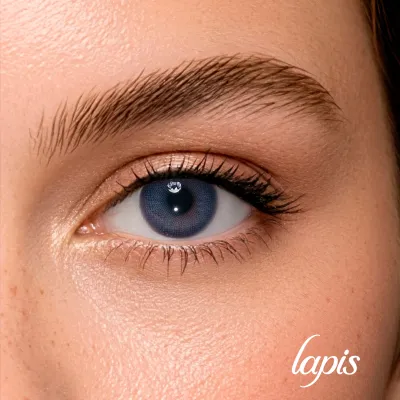
Claro Lapis - Colored Contact Lenses
*{box-sizing:border-box;} .lapis-page{ width:100%; margin:0; padding:0; font-family:Arial,Helvetica,sans-serif; color:#34495e; line-height:1…