



Hazel eyes possess a unique charm, often shifting between green, brown, and gold tones, making them incredibly versatile. However, for those desiring a dramatic or subtle shift towards a captivating blue, colored contact lenses offer an exciting opportunity. This comprehensive guide delves into the world of blue contact lenses specifically for hazel eyes, covering everything from selecting the right shade to ensuring eye health and safety. Whether you're aiming for a vibrant sapphire or a muted aqua, understanding the nuances of these cosmetic aids can help you achieve your desired aesthetic transformation.
Transforming Hazel Eyes with Luminous Hues
The decision to alter one's eye color with contact lenses is often driven by a desire for change, experimentation, or to complement a specific look. For individuals with hazel eyes, introducing blue tones can create a particularly striking effect, as the underlying warm pigments interact uniquely with the cool blue. This interplay can result in a natural-looking blend or a bold contrast, depending on the chosen lens opacity and shade. It's a popular choice for those seeking to brighten their gaze or simply explore a different facet of their personal style.
The Allure of Azure Tints
Blue, as a color, is often associated with calmness, depth, and clarity. When applied to the eyes, it can evoke a sense of mystery and allure. For hazel eyes, which already carry a spectrum of colors, blue lenses can either enhance the existing green or gold flecks, making them more prominent, or completely mask them for a pure blue appearance. The beauty lies in the versatility; you can opt for lenses that subtly overlay your natural color, allowing hints of hazel to peek through, or choose opaque varieties for a complete color overhaul. This flexibility makes blue an incredibly appealing option for cosmetic enhancement.
Achieving a Striking Visual Contrast
One of the most compelling reasons to choose blue lenses for hazel eyes is the potential for creating a stunning visual contrast. The warm undertones of hazel, particularly the browns and golds, can make blue lenses appear even more vibrant and intense. This contrast can make your eyes stand out, drawing attention and adding an element of intrigue to your overall appearance. It's not just about changing color; it's about redefining the focal point of your face and experimenting with how different hues complement your complexion and hair color. The result is often a captivating gaze that commands attention.
Exploring Varied Sapphire and Aqua Tones
When considering colored contact lenses, the array of available blue shades is vast, ranging from light, icy blues to deep, oceanic tones. Each shade offers a distinct effect, and understanding these variations is key to making an informed choice that aligns with your desired outcome. The technology behind colored lenses allows for incredible realism, ensuring that even a dramatic color change can look remarkably natural when selected carefully.
Opaque vs. Enhancement Lenses
Colored contact lenses primarily come in two types: opaque and enhancement (or translucent) tints. Opaque lenses are designed to completely cover your natural eye color, making them ideal for a dramatic transformation, especially for darker hazel eyes. They feature a solid color layer that blocks out the underlying pigment. Enhancement lenses, on the other hand, are translucent and work by intensifying or subtly shifting your natural eye color. For lighter hazel eyes, an enhancement tint might bring out the blue undertones or add a hint of sapphire without completely masking the existing complexity. The choice depends on the intensity of the color change you seek.
Popular Blue Color Variations
- Bright Blue: Often vibrant and striking, perfect for a noticeable change.
- Sky Blue: A lighter, softer blue that can give a fresh, airy look.
- Aqua/Turquoise: A blend of blue and green, offering a unique, often more natural-looking transition from hazel.
- Sapphire Blue: A deeper, richer blue that can add intensity and sophistication.
- Gray-Blue: A subtle, muted blue with hints of gray, ideal for a soft, understated transformation.
Many brands offer these variations within their Colored Contact Lenses collections, often with intricate patterns that mimic the iris's natural texture, enhancing realism.
Material Considerations for Comfort
Beyond color, the material of the contact lens plays a crucial role in comfort and eye health. Most colored lenses are made from hydrogel or silicone hydrogel materials. Silicone hydrogel lenses typically allow more oxygen to reach the eye, which can be beneficial for extended wear and overall comfort. Always prioritize lenses that offer good breathability and moisture retention to prevent dryness and irritation. Discussing material options with an eye care professional is essential to ensure the lenses are suitable for your eyes.
Selecting the Perfect Shade for Your Unique Look
Choosing the right blue shade is a highly personal decision influenced by several factors, including your natural hazel color, skin tone, hair color, and the overall effect you wish to achieve. A thoughtful selection process ensures that your new eye color complements your features rather than clashing with them.
Matching Skin Tone and Hair Color
Consider your skin's undertones. Cool skin tones (pink, red, blue undertones) often harmonize well with cool blues like icy blue or sapphire. Warm skin tones (yellow, peach, golden undertones) might find that aqua or brighter blues create a vibrant contrast, while deeper blues can also look stunning. Similarly, your hair color plays a role. Lighter hair colors might suit softer blues, while darker hair can carry off more intense, vibrant shades. Experimenting with different shades, perhaps through virtual try-on tools offered by some brands, can provide valuable insight.
Considering Your Desired Effect
Do you want a subtle enhancement that makes people wonder if your eyes are naturally blue, or are you aiming for a dramatic, undeniable change? For a subtle effect, opt for enhancement tints or gray-blue shades that blend with your hazel. For a bold statement, opaque bright blue or sapphire lenses will deliver a striking transformation. Think about the occasions you'll be wearing them for – everyday wear might call for a more natural look, while special events could be an opportunity for a more dramatic hue.
Trialing Different Cosmetic Options
The best way to find your ideal blue shade is often through trial and error, under professional guidance. Many eye care professionals can provide trial pairs of Colored Contact Lenses, allowing you to see how different blues look on your hazel eyes before committing to a purchase. This step is invaluable, as a color that looks appealing in a picture might appear different on your unique eye color and complexion. Always ensure trials are done with a prescription and under the supervision of an optometrist.
Essential Safety Practices for Colored Lens Wearers
While the aesthetic appeal of colored contact lenses is undeniable, eye health and safety must always be the top priority. Misuse or improper care of any contact lens, including cosmetic ones, can lead to serious eye infections, discomfort, and even permanent vision damage. Adhering to professional advice and strict hygiene protocols is paramount.
The Importance of Prescriptions
It is a common misconception that cosmetic contact lenses, because they are not primarily for vision correction, do not require a prescription. This is false. All contact lenses, including plano (non-corrective) colored lenses, are medical devices and require a valid prescription from a licensed eye care professional. An optometrist or ophthalmologist will measure your eye's curvature, assess your tear film, and check for any underlying conditions to ensure lenses fit properly and are safe for your eyes. Lenses that don't fit correctly can scratch your cornea, cause irritation, or lead to infections.
Hygiene and Handling Protocols
Maintaining impeccable hygiene is critical for all contact lens wearers. Always wash your hands thoroughly with soap and water and dry them with a lint-free towel before handling your lenses. Use only fresh, sterile contact lens solution recommended by your eye care professional for cleaning, rinsing, and storing your lenses. Never use tap water, saliva, or expired solutions. Replace your lens case every three months to prevent bacterial buildup, and always follow the prescribed wearing schedule and replacement frequency for your specific lenses.
Recognizing Potential Complications
Be aware of the signs of potential eye complications, such as redness, irritation, pain, excessive tearing, light sensitivity, or blurred vision. If you experience any of these symptoms while wearing your lenses, remove them immediately and contact your eye care professional. Do not attempt to self-diagnose or treat eye issues, as prompt professional attention can prevent minor problems from escalating into serious conditions. Never share your contact lenses with anyone, as this can transmit harmful bacteria and viruses.
Navigating the Purchase of Cosmetic eye lenses
Once you have a valid prescription and have decided on your preferred blue shade, the next step is purchasing your lenses. It's crucial to buy from reputable sources to ensure you receive genuine, safe, and high-quality products. The market for Colored Contact Lenses is vast, but not all suppliers adhere to the same safety standards.
Reputable Suppliers and Brands
Always purchase your contact lenses from licensed optical stores, authorized online retailers, or directly from your eye care professional's office. Avoid buying lenses from unauthorized sources such as beauty supply stores, street vendors, or unregulated websites, as these may sell counterfeit or unsafe products that can harm your eyes. Stick to well-known, established brands that have a track record of safety and quality. Your optometrist can recommend trusted brands and suppliers.
Understanding Lens Parameters
Your contact lens prescription will include specific parameters such as base curve (BC), diameter (DIA), and power (PWR) if corrective. Even for plano (zero power) lenses, BC and DIA are vital for a proper fit. Ensure that the lenses you purchase precisely match these parameters. Incorrectly fitted lenses can cause discomfort, blurry vision, and potentially damage your cornea. Always double-check your prescription against the lens packaging before opening and wearing them.
Cost Implications and Value
The cost of colored contact lenses can vary significantly based on the brand, type (daily disposable, monthly, etc.), and where you purchase them. While it might be tempting to opt for the cheapest option, remember that eye health should never be compromised for cost savings. Invest in quality lenses from reputable sources. Consider the long-term value of daily disposables versus extended wear lenses, factoring in the cost of solutions and cases for the latter. Some retailers offer bundles or loyalty programs that can provide better value over time.
Caring for Your Vision Enhancing Eyewear
Proper care and maintenance are essential for extending the life of your colored contact lenses and, more importantly, for safeguarding your eye health. Following a consistent care routine will minimize the risk of complications and ensure a comfortable wearing experience.
Daily Cleaning and Storage Regimens
For reusable lenses (not daily disposables), a rigorous daily cleaning and storage regimen is non-negotiable. After each wear, clean your lenses immediately using the 'rub and rinse' method with fresh, sterile multipurpose solution. Place a few drops of solution on the lens, gently rub it with your finger for about 20 seconds, then rinse thoroughly. Store the cleaned lenses in a clean lens case filled with fresh solution. Never 'top off' old solution with new; always replace it entirely. This routine helps remove protein deposits, debris, and microorganisms that can accumulate on the lens surface.
Recommended Replacement Schedules
Adhere strictly to the replacement schedule prescribed by your eye care professional. Whether your lenses are daily, bi-weekly, or monthly disposables, replacing them on time is crucial. Over-wearing lenses beyond their recommended lifespan can lead to a buildup of deposits, reduced oxygen permeability, and increased risk of infection and discomfort. Even if your lenses feel fine, their material degrades over time, making them less safe and effective. Mark your calendar or set reminders to ensure timely replacement.
When to Consult an Eye Care Professional
Regular check-ups with your eye care professional are vital, typically once a year, or more frequently if advised. These appointments allow your optometrist to monitor your eye health, assess the fit of your lenses, and update your prescription as needed. Do not hesitate to contact your eye care professional immediately if you experience any persistent discomfort, redness, blurred vision, or any other unusual symptoms. Prompt intervention can prevent minor issues from becoming serious eye conditions, ensuring your journey with blue contacts for hazel eyes remains both beautiful and safe.
Sıkça Sorulan Sorular
Can blue contact lenses look natural on hazel eyes?
Do I need a prescription for blue cosmetic contact lenses?
What are the main types of blue contact lenses for changing eye color?
How do I ensure safety when wearing colored contact lenses?
How often should I replace my colored contact lens case?
Konuyla ilgili öne çıkan ürünler
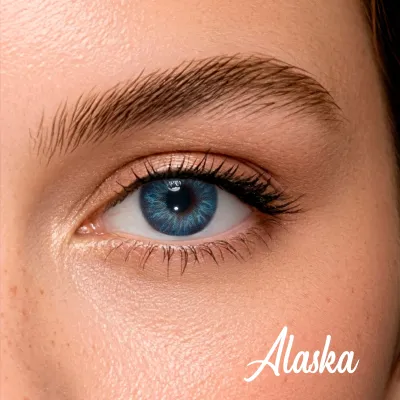
Claro Alaska - Colored Contact Lenses
*{box-sizing:border-box;} .alaska-page{ width:100%; margin:0; padding:0; font-family:Arial,Helvetica,sans-serif; color:#34495e; line-height:…
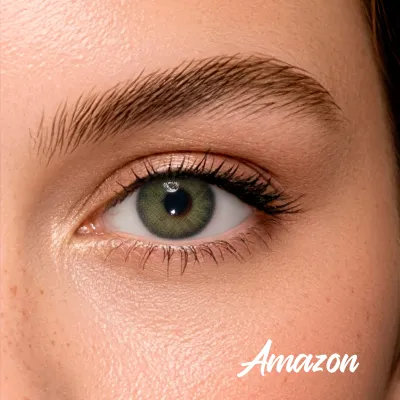
Claro Amazon - Colored Contact Lenses
*{box-sizing:border-box;} .amazon-page{ width:100%; margin:0; padding:0; font-family:Arial,Helvetica,sans-serif; color:#34495e; line-height:…
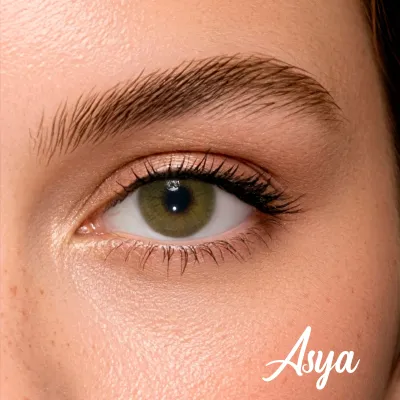
Claro Asya - Colored Contact Lenses
*{box-sizing:border-box;} .asya-page{ width:100%; margin:0; padding:0; font-family:Arial,Helvetica,sans-serif; color:#34495e; line-height:1.…
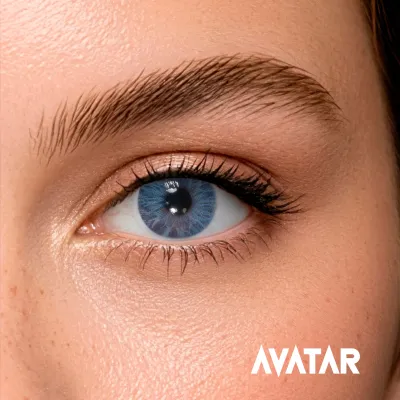
Claro Avatar - Colored Contact Lenses
*{box-sizing:border-box;} .avatar-page{ width:100%; margin:0; padding:0; font-family:Arial,Helvetica,sans-serif; color:#34495e; line-height:…
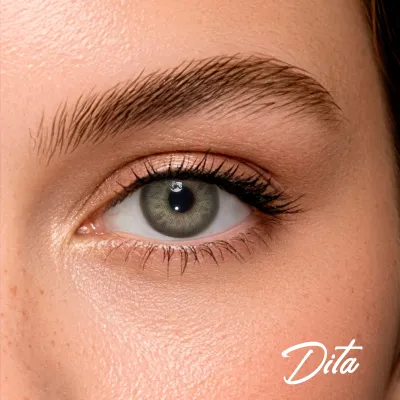
Claro Dita - Colored Contact Lenses
*{box-sizing:border-box;} .dita-page{ width:100%; margin:0; padding:0; font-family:Arial,Helvetica,sans-serif; color:#34495e; line-height:1.…
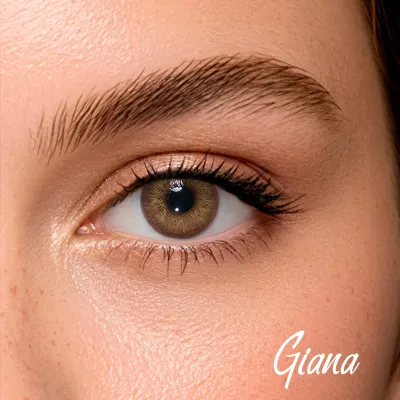
Claro Giana - Colored Contact Lenses
*{box-sizing:border-box;} .giana-page{ width:100%; margin:0; padding:0; font-family:Arial,Helvetica,sans-serif; color:#3b2a1d; line-height:1…
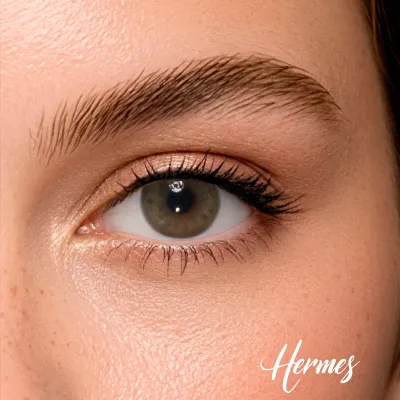
Claro Hermes - Colored Contact Lenses
*{box-sizing:border-box;} .hermes-page{ width:100%; margin:0; padding:0; font-family:Arial,Helvetica,sans-serif; color:#34495e; line-height:…
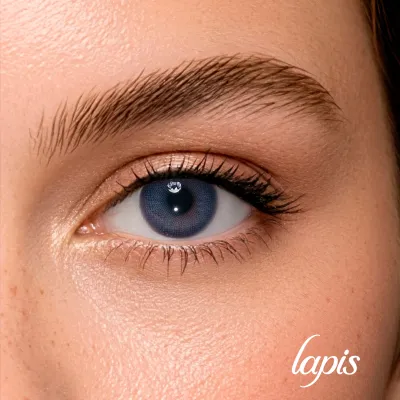
Claro Lapis - Colored Contact Lenses
*{box-sizing:border-box;} .lapis-page{ width:100%; margin:0; padding:0; font-family:Arial,Helvetica,sans-serif; color:#34495e; line-height:1…