



Many individuals seek to enhance their natural eye color or subtly transform their gaze without an artificial appearance. The quest for "eye contacts natural" often leads to a complex landscape of choices, where the line between striking and subtle can easily be blurred. This comprehensive guide aims to demystify the process, offering expert insights into selecting, wearing, and caring for contact lenses that truly complement your inherent beauty. We will delve into the nuances of design, material, and color theory, ensuring you can make informed decisions that align with both your aesthetic goals and ocular health.
Achieving a seamless integration of cosmetic lenses with your natural features requires more than just picking a color. It involves understanding the intricate details that make a lens look authentic, from its blending patterns to its interaction with your unique eye anatomy. Our focus is on providing actionable advice, grounded in E-E-A-T principles, to help you navigate the market and find options that deliver a truly natural enhancement, prioritizing both visual appeal and safety.
Achieving a Seamless Eye Color Enhancement
The essence of a natural look in contact lenses lies in their ability to blend harmoniously with your existing eye color and sclera. Unlike older designs that often presented a stark, unnatural ring or a flat, single-tone appearance, modern lenses employ sophisticated patterns and multi-tonal layers. These advanced designs mimic the iris's complex structure, which naturally contains various shades, speckles, and lines. A key feature is the soft, diffused limbal ring, or the absence of one, which avoids a harsh demarcation between the colored part of the lens and the white of your eye. The goal is an enhancement that makes people wonder if your eyes have always been that captivating, rather than immediately identifying them as altered.
When evaluating lenses, pay close attention to the pixelation and how the color transitions from the pupil outwards. High-quality lenses feature a gradual, intricate pattern that allows your natural eye color to show through in parts, creating depth and dimension. This interaction with your own iris is what prevents a flat, doll-like effect and instead produces a vibrant, yet believable, transformation. The subtle interplay of light and shadow on these multi-layered designs is crucial for achieving an authentic and captivating gaze.
Key Considerations for Authentic Eye Color Blending
Understanding Your Natural Eye Tone
The starting point for selecting any colored contact lens is your natural eye color. Lenses are designed to interact differently with light eyes (blue, green, hazel) versus dark eyes (various shades of brown). For lighter eyes, enhancement tints can subtly deepen or alter the hue, allowing your natural color to shine through with an added layer of vibrancy. For darker eyes, opaque tints are typically required to completely cover the natural pigment, yet even these come in designs that prevent an artificial appearance. Knowing whether you seek a subtle shift or a complete transformation will guide your initial selection process.
The Role of Skin Undertones and Hair Color
A truly natural appearance extends beyond the eyes themselves; it involves harmony with your overall complexion. Your skin's undertones (warm, cool, or neutral) and hair color play a significant role in how a particular lens color will look on you. For instance, cool-toned blues or grays might complement cool skin undertones, while warmer browns or greens could enhance warm complexions. Consider how the chosen lens color will interact with your natural palette, ensuring it enhances your features rather than clashing with them. Trying on different shades, even virtually, can help visualize this synergy.
Selecting the Ideal Hue and Pattern for Your Eyes
Exploring Subtle Color Enhancements
For those with lighter eyes, subtle color enhancements offer a fantastic way to deepen your existing hue or introduce a slight shift without dramatic change. These lenses often feature translucent tints that overlay your natural iris, adding depth or a different sparkle. For example, a light blue eye might become a more vibrant sapphire, or a green eye could gain a deeper emerald tone. The key here is the transparency of the tint, which allows your original eye color to contribute to the final look, ensuring a personalized and organic outcome. These are perfect for a 'my eyes but better' effect.
Choosing Opaque Tints for Dramatic Yet Natural Shifts
If you have darker eyes or desire a more significant color change, opaque colored contact lenses are the solution. While they offer full coverage, modern designs prioritize naturalness. Look for lenses with multi-tonal patterns, often featuring a blend of three or more colors, and a soft, pixelated limbal ring. These intricate designs prevent a flat, artificial look by mimicking the natural variations found in a real iris. For example, a rich brown lens might incorporate subtle flecks of gold or amber, while a gray lens could have hints of blue. The goal is to achieve a striking change that still looks inherently part of you. Many high-quality colored contact lenses are specifically engineered with these natural-looking opaque patterns.
Ensuring Comfort and Safety with Quality Lenses
Beyond aesthetics, the comfort and safety of your contact lenses are paramount. High-quality lenses are typically made from advanced materials like hydrogel or silicone hydrogel, which allow ample oxygen to reach your cornea. Oxygen permeability (Dk/t value) is crucial for maintaining eye health and preventing discomfort or complications. Always ensure the lenses you choose are approved by relevant health authorities, such as the FDA in the United States or CE marking in Europe, indicating they meet strict safety and quality standards.
Proper fit is another critical factor. Lenses come in various base curves and diameters, and an ill-fitting lens can cause irritation, blurred vision, or even corneal damage. It is essential to have an eye care professional measure your eyes and provide a prescription, even for plano (non-corrective) cosmetic lenses. They can recommend the best fit and material for your specific eye health needs, ensuring maximum comfort throughout the wear period. Never purchase lenses without a proper fitting and prescription.
Maintaining Your Lenses for Optimal Vision and Hygiene
Essential Cleaning and Storage Practices
Proper care and hygiene are non-negotiable for all contact lens wearers, especially for those using colored lenses. Always wash your hands thoroughly with soap and water before handling your lenses. Use only fresh, sterile contact lens solution recommended by your eye care professional for cleaning, rinsing, and storing. Never use tap water or saliva, as these can introduce harmful microorganisms. Rubbing and rinsing your lenses thoroughly after each use helps remove protein deposits and debris, ensuring clear vision and reducing the risk of infection. Store your lenses in a clean lens case filled with fresh solution, and replace the case regularly, typically every three months.
Recognizing Signs of Irritation or Infection
Being vigilant about your eye health is vital. If you experience any redness, irritation, excessive tearing, discharge, pain, or sudden changes in vision while wearing your lenses, remove them immediately and consult your eye care professional. These symptoms could indicate an allergic reaction, irritation from a dirty lens, or a more serious eye infection. Prompt attention can prevent minor issues from escalating into significant health problems. Adhering to the recommended wearing schedule and replacement frequency for your lenses is also crucial for maintaining optimal eye health and comfort.
Navigating the Market for Reliable Cosmetic Lens Providers
The market for cosmetic contact lenses can be vast and sometimes unregulated. To ensure you receive safe, high-quality products that truly deliver a natural look, it is imperative to purchase from authorized and reputable retailers. Avoid buying lenses from unauthorized sources like street vendors, flea markets, or unverified online stores, as these often sell counterfeit or substandard products that can pose serious risks to your eye health. Such lenses may not meet safety standards, could be made from inferior materials, or might not have the correct fit, leading to discomfort, infection, or permanent damage.
Always look for brands that are transparent about their manufacturing processes and provide clear information about product certifications (e.g., FDA approval, CE mark). Consulting with an eye care professional is the safest route, as they can recommend trusted brands and suppliers. They can also ensure that even plano (non-corrective) lenses are fitted correctly and that you understand all aspects of proper wear and care. Investing in quality from a reliable provider is an investment in both your aesthetic goals and your long-term eye health.
Achieving a natural eye color enhancement with contact lenses is entirely possible with the right knowledge and choices. By focusing on quality, understanding design nuances, and prioritizing eye health through proper care and professional guidance, you can confidently transform your gaze in a way that feels authentically you. Embrace the subtle power of well-chosen lenses to reveal a more captivating version of your natural beauty.
Sıkça Sorulan Sorular
How do I choose a natural-looking contact lens color for my eyes?
Are natural cosmetic contact lenses safe for daily wear?
What is the difference between enhancement tints and opaque tints in contact lenses?
Where can I purchase authentic and safe natural eye contacts?
Konuyla ilgili öne çıkan ürünler
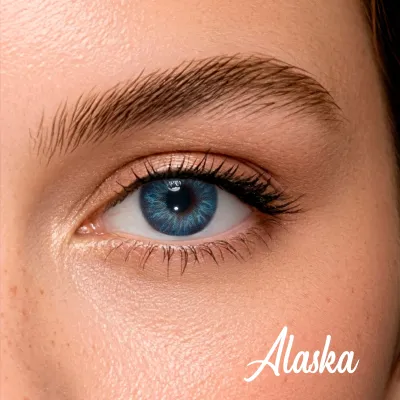
Claro Alaska - Colored Contact Lenses
*{box-sizing:border-box;} .alaska-page{ width:100%; margin:0; padding:0; font-family:Arial,Helvetica,sans-serif; color:#34495e; line-height:…
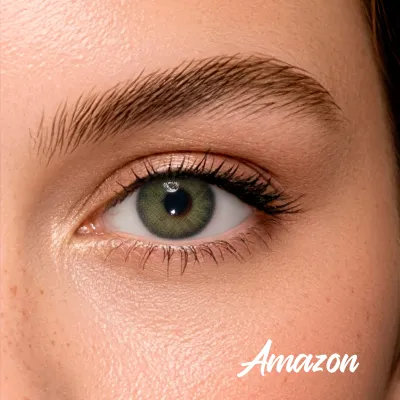
Claro Amazon - Colored Contact Lenses
*{box-sizing:border-box;} .amazon-page{ width:100%; margin:0; padding:0; font-family:Arial,Helvetica,sans-serif; color:#34495e; line-height:…
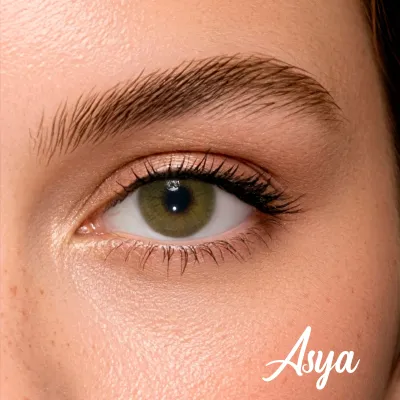
Claro Asya - Colored Contact Lenses
*{box-sizing:border-box;} .asya-page{ width:100%; margin:0; padding:0; font-family:Arial,Helvetica,sans-serif; color:#34495e; line-height:1.…
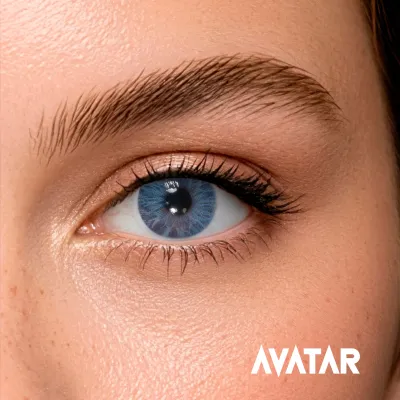
Claro Avatar - Colored Contact Lenses
*{box-sizing:border-box;} .avatar-page{ width:100%; margin:0; padding:0; font-family:Arial,Helvetica,sans-serif; color:#34495e; line-height:…
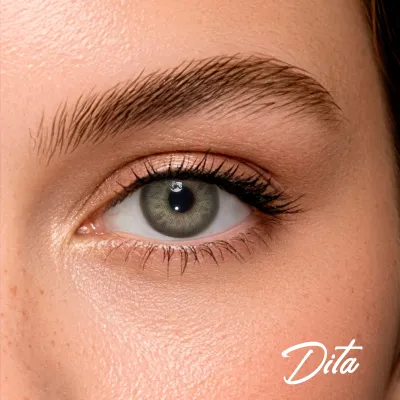
Claro Dita - Colored Contact Lenses
*{box-sizing:border-box;} .dita-page{ width:100%; margin:0; padding:0; font-family:Arial,Helvetica,sans-serif; color:#34495e; line-height:1.…
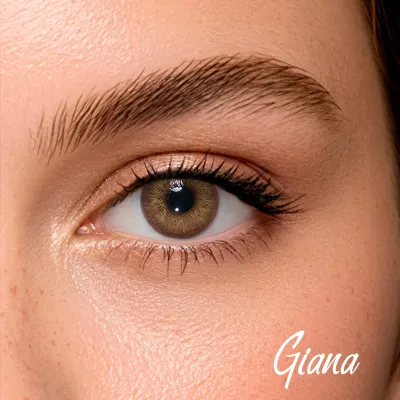
Claro Giana - Colored Contact Lenses
*{box-sizing:border-box;} .giana-page{ width:100%; margin:0; padding:0; font-family:Arial,Helvetica,sans-serif; color:#3b2a1d; line-height:1…
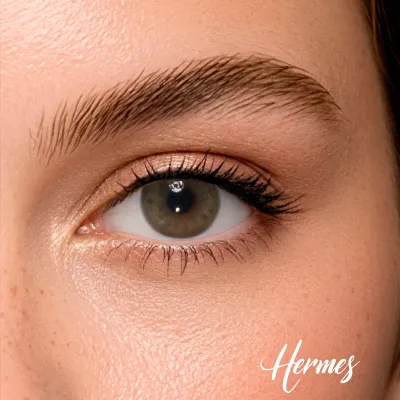
Claro Hermes - Colored Contact Lenses
*{box-sizing:border-box;} .hermes-page{ width:100%; margin:0; padding:0; font-family:Arial,Helvetica,sans-serif; color:#34495e; line-height:…
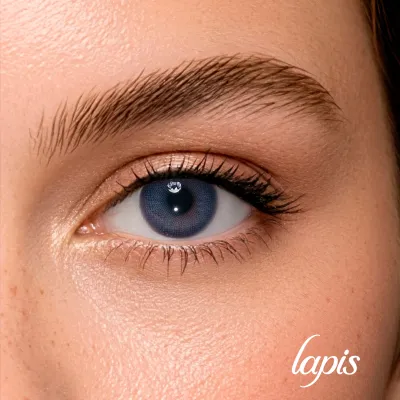
Claro Lapis - Colored Contact Lenses
*{box-sizing:border-box;} .lapis-page{ width:100%; margin:0; padding:0; font-family:Arial,Helvetica,sans-serif; color:#34495e; line-height:1…