



For many individuals with naturally deep-set or dark irises, the allure of changing their eye color is a fascinating prospect. Modern advancements in cosmetic eyewear have made it possible to achieve stunning transformations, whether you desire a subtle enhancement or a dramatic shift. This comprehensive guide will navigate the world of options available, focusing specifically on how to effectively alter the appearance of darker eyes while prioritizing safety and comfort.
Exploring Options for Deeper Eye Tones
Changing the color of dark eyes presents a unique challenge compared to lighter ones. The rich pigmentation of a dark iris requires lenses with sufficient opacity to truly make a visual impact. Understanding this fundamental difference is the first step toward selecting the right product that will deliver your desired aesthetic.
Why Dark Eyes Present a Unique Challenge
The high concentration of melanin in dark irises means that sheer or translucent tints, often used for enhancing lighter eye colors, will typically have little to no effect. To achieve a noticeable change, the lens must be designed to completely mask the natural color underneath, allowing the new shade to shine through vividly. This necessitates specific types of lens technologies that are engineered for maximum coverage.
The Role of Opacity in Color Change
Opaque colored contact lenses are the primary solution for individuals with dark eyes. These lenses feature a solid, non-transparent tint that fully covers the natural iris, providing a complete color transformation. They are designed with intricate patterns and varying levels of pigmentation to mimic the natural appearance of an iris, ensuring the new color looks as authentic as possible. Without sufficient opacity, the natural dark color would simply show through, dulling or distorting the intended new shade.
Selecting the Ideal Shade for a Striking Gaze
The spectrum of colors available for dark eyes is vast, offering everything from natural-looking enhancements to bold, attention-grabbing hues. Your choice will depend on your personal style, skin tone, hair color, and the overall effect you wish to achieve. Experimenting with different shades can be exciting, but considering how they complement your features is key to a successful transformation.
Vibrant Blues and Greens
Blue and green are among the most popular choices for dark eyes, offering a striking contrast that can dramatically brighten your face. For a truly vivid blue, look for lenses with strong, opaque pigmentation. Shades like sapphire, turquoise, or brilliant blue can create an intense, captivating gaze. Similarly, emerald, jade, or hazel-green lenses can impart a refreshing and exotic look. When choosing, consider multi-tone designs that incorporate flecks of yellow or brown to add depth and realism.
Subtle Grays and Hazels
If your goal is a more understated or sophisticated change, grays and hazels are excellent options. Gray lenses can transform dark eyes into a cool, mysterious shade, ranging from light silver to deep charcoal. Hazel, a blend of green, brown, and gold, offers a warm and inviting alternative, often creating a very natural and believable lighter eye color. These shades are particularly effective for those seeking a noticeable yet not overly dramatic alteration, often blending seamlessly with various complexions.
Unexpected Violet and Amethyst Tones
For those who dare to be different, violet and amethyst colored contact lenses provide a unique and enchanting option. These shades can range from soft lavender to deep, rich purple, offering an ethereal and captivating look. While less common, purple hues can be surprisingly flattering, especially for individuals with cool undertones in their skin. They offer a distinct fashion statement and are perfect for special occasions or when you want to express a more artistic side of your personality.
Achieving Desired Visual Impact: From Subtle to Bold
The beauty of modern cosmetic lenses lies in their versatility. You can choose to subtly lighten your natural dark eye color, giving it a new dimension, or go for a complete overhaul that makes a powerful statement. The key is understanding the different design elements that contribute to either a natural appearance or a dramatic transformation.
For a Natural Appearance
To achieve a natural look, seek lenses that incorporate intricate patterns, such as a limbal ring (a dark ring around the iris) and multi-tonal designs. These elements mimic the natural variations found in human irises, preventing the lens from looking flat or artificial. Lenses that blend several shades of a chosen color, or those that subtly enhance your existing dark tones, can create a believable and captivating effect without appearing overtly artificial. For dark eyes, even a natural look typically requires opaque lenses, but the pattern and color blend are crucial.
For a Dramatic Transformation
If your aim is to make a bold statement, opt for lenses with vibrant, solid opaque colors and distinct patterns. These lenses are designed to stand out, offering a striking contrast to your natural eye color and complexion. Larger pupil holes can sometimes contribute to a more dramatic effect by allowing more of your natural iris to show, creating a layered look. The choice of a dramatically different color, such as an electric blue or an intense green, will undoubtedly draw attention and create a memorable visual impact.
Understanding Different Lens Technologies
The effectiveness of colored contact lenses for dark eyes largely depends on the specific technology used in their manufacturing. Different types of tints and designs cater to various needs, ensuring that the desired color change is both noticeable and aesthetically pleasing. Knowing these distinctions helps in making an informed choice.
Opaque Tint Varieties
Opaque tints are the cornerstone for changing dark eye colors. These lenses feature a solid, non-transparent layer of color that completely covers the natural iris. They come in a wide array of colors and patterns, from single-color applications to sophisticated multi-tone designs that incorporate subtle flecks and lines to mimic the natural depth of an iris. The quality of the opaque tint is crucial for both the vibrancy of the new color and the naturalness of its appearance.
Blended Color Designs
Many high-quality colored contact lenses for dark eyes utilize blended color designs. This technology involves layering several complementary shades within the lens, often with a darker limbal ring and lighter tones towards the pupil. This creates a more realistic and three-dimensional effect, preventing the lens from looking flat or artificial. Blended designs are particularly effective in achieving natural-looking blues, greens, and hazels, as they mimic the complex color variations found in natural irises.
Prioritizing Eye Health with Cosmetic Eyewear
While the aesthetic appeal of colored contact lenses is undeniable, eye health and safety must always be the top priority. Cosmetic lenses are medical devices, and their improper use can lead to serious eye complications. Always approach their use with caution and adhere strictly to professional advice and hygiene guidelines.
The Importance of Professional Fitting
It is absolutely essential to consult an optometrist or eye care professional before purchasing any colored contact lenses, even if they are purely for cosmetic purposes and you believe your vision is perfect. An eye care professional will perform a comprehensive eye exam, measure your eyes for proper fit (base curve and diameter), and provide a prescription. Lenses that do not fit correctly can cause discomfort, irritation, corneal abrasions, or even more severe damage to your eyes. They will also assess your eye health to ensure you are a suitable candidate for contact lens wear.
Recognizing Potential Risks
Improper use of colored contact lenses carries several risks, including eye infections (such as keratitis), allergic reactions, corneal ulcers, and reduced oxygen supply to the cornea (hypoxia). These risks are significantly heightened when lenses are purchased without a prescription, shared with others, worn for too long, or not properly cleaned and stored. Symptoms like redness, pain, blurred vision, or excessive tearing should prompt immediate removal of the lenses and a visit to your eye care professional.
Essential Care and Maintenance Practices
Maintaining impeccable hygiene is paramount for safe and comfortable contact lens wear. Neglecting proper care can lead to serious eye infections and discomfort. Following a strict routine will ensure your lenses remain clean, your eyes stay healthy, and the lifespan of your lenses is maximized.
Daily Cleaning Regimens
Always wash your hands thoroughly with soap and water and dry them with a lint-free towel before handling your lenses. Use only fresh, sterile contact lens solution recommended by your eye care professional for cleaning and rinsing. Never use tap water, saliva, or homemade saline solutions. Gently rub the lenses in your palm with a few drops of solution for the recommended time, then rinse them thoroughly before placing them in a clean lens case filled with fresh solution. Always discard old solution and never 'top off' existing solution.
Proper Storage Techniques
your contact lens case should be cleaned regularly with fresh solution and allowed to air dry upside down after each use. Replace your lens case every three months, or sooner if it becomes dirty or damaged. Store your lenses in the appropriate solution for the recommended duration, ensuring they are fully submerged. Adhere strictly to the replacement schedule for your specific lenses, whether they are daily disposables, bi-weekly, or monthly. Overwearing lenses beyond their recommended lifespan can lead to protein buildup and increased risk of infection.
Making an Informed Purchase Decision
Acquiring colored contact lenses should always be done through legitimate and regulated channels. The market, unfortunately, contains many unregulated products that can pose significant risks to your eye health. Prioritizing quality and professional guidance is non-negotiable.
Consulting an Eye Care Professional
As reiterated, a consultation with an optometrist is mandatory. They will not only provide a valid prescription based on your eye measurements but also offer personalized advice on the best types and brands of colored contact lenses suitable for your dark eyes and lifestyle. They can guide you through the initial fitting process, teach you proper insertion and removal techniques, and address any concerns you may have.
Where to Acquire Quality Products
Always purchase your colored contact lenses from reputable sources, such as licensed optical stores, optometrists' offices, or authorized online retailers that require a valid prescription. Avoid buying lenses from unregulated sources like flea markets, beauty supply stores, or unauthorized online vendors, as these products may be counterfeit, unsterile, or incorrectly sized, leading to severe eye damage. Quality products ensure that the lenses meet safety standards and are made from breathable materials that support eye health.
Embracing the world of colored contact lenses for dark eyes can be a truly transformative experience, offering a new dimension to your personal expression. By understanding the specific considerations for darker irises, making informed color choices, and steadfastly prioritizing eye health through professional guidance and diligent care, you can confidently unlock a captivating new look. Remember, the journey to a new eye color should always be a safe and enjoyable one.
Sıkça Sorulan Sorular
Can colored contact lenses really change very dark eye colors?
What colors look most natural on dark eyes?
Do I need a prescription for cosmetic colored contact lenses?
How do I ensure my colored contact lenses are safe to wear?
Can I achieve a dramatic eye color change with dark eyes?
Konuyla ilgili öne çıkan ürünler
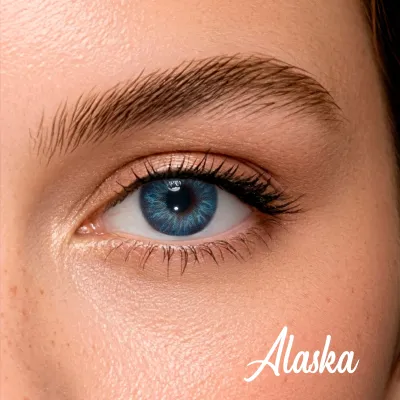
Claro Alaska - Colored Contact Lenses
*{box-sizing:border-box;} .alaska-page{ width:100%; margin:0; padding:0; font-family:Arial,Helvetica,sans-serif; color:#34495e; line-height:…
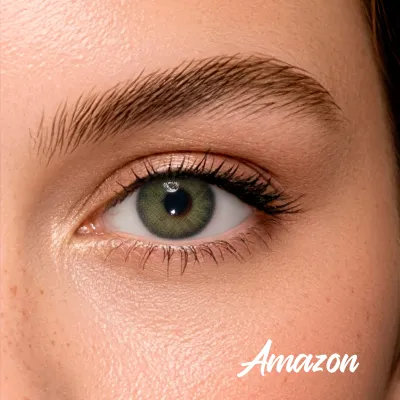
Claro Amazon - Colored Contact Lenses
*{box-sizing:border-box;} .amazon-page{ width:100%; margin:0; padding:0; font-family:Arial,Helvetica,sans-serif; color:#34495e; line-height:…
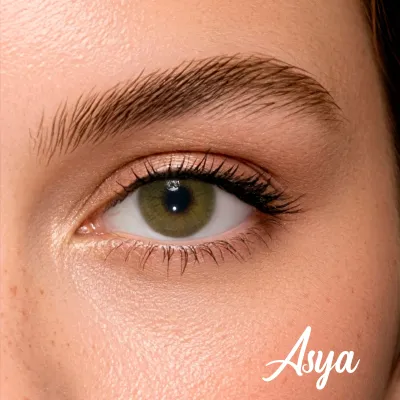
Claro Asya - Colored Contact Lenses
*{box-sizing:border-box;} .asya-page{ width:100%; margin:0; padding:0; font-family:Arial,Helvetica,sans-serif; color:#34495e; line-height:1.…

Claro Avatar - Colored Contact Lenses
*{box-sizing:border-box;} .avatar-page{ width:100%; margin:0; padding:0; font-family:Arial,Helvetica,sans-serif; color:#34495e; line-height:…
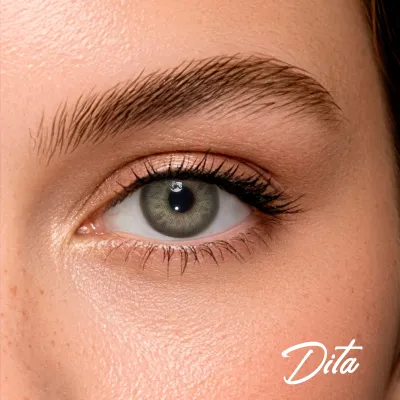
Claro Dita - Colored Contact Lenses
*{box-sizing:border-box;} .dita-page{ width:100%; margin:0; padding:0; font-family:Arial,Helvetica,sans-serif; color:#34495e; line-height:1.…
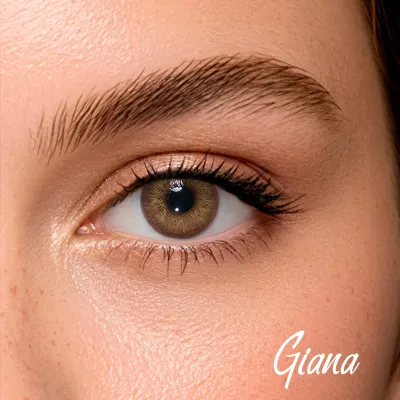
Claro Giana - Colored Contact Lenses
*{box-sizing:border-box;} .giana-page{ width:100%; margin:0; padding:0; font-family:Arial,Helvetica,sans-serif; color:#3b2a1d; line-height:1…
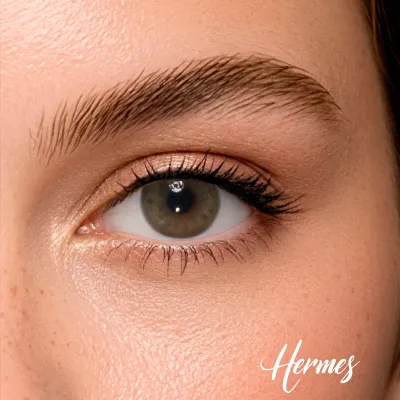
Claro Hermes - Colored Contact Lenses
*{box-sizing:border-box;} .hermes-page{ width:100%; margin:0; padding:0; font-family:Arial,Helvetica,sans-serif; color:#34495e; line-height:…
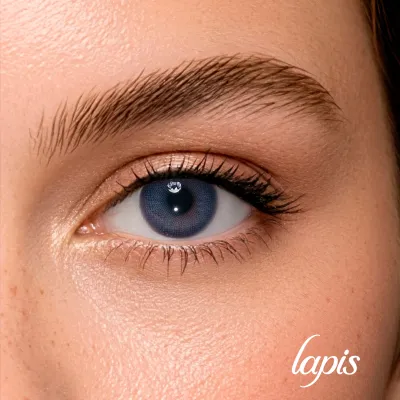
Claro Lapis - Colored Contact Lenses
*{box-sizing:border-box;} .lapis-page{ width:100%; margin:0; padding:0; font-family:Arial,Helvetica,sans-serif; color:#34495e; line-height:1…