



Many individuals with naturally blue eyes dream of temporarily changing their eye color to a rich, warm brown. Whether seeking a subtle enhancement or a dramatic transformation, the market for colored contact lenses offers a diverse array of options. This comprehensive guide delves into everything you need to know about selecting, wearing, and caring for brown contact lenses specifically tailored for blue eyes, ensuring both aesthetic appeal and paramount eye health.
The Science Behind Eye Color Transformation
Understanding how colored contact lenses achieve a change in eye color begins with a basic grasp of optics and color theory. Blue eyes possess a low concentration of melanin, which causes light to scatter and reflect the blue spectrum. When a brown contact lens is placed over a blue iris, it uses opaque or enhancement tints to overlay the natural color. Opaque lenses feature a solid, non-transparent color layer that completely covers the iris, effectively masking the underlying blue. Enhancement tints, on the other hand, are translucent and designed to intensify or subtly alter the existing eye color, often adding depth or a different hue while allowing some of the natural color to show through. For blue eyes aiming for brown, opaque lenses are generally more effective in achieving a noticeable and consistent color change, though certain enhancement tints can create a captivating hazel effect.
How Brown Tones Interact with Blue Pigments
The success of transforming blue eyes to brown hinges on the lens's ability to counteract the cool undertones of blue. Brown, being a warm color, provides a striking contrast that can create a very natural-looking change. The key is to find a brown shade that doesn't appear artificial or overly harsh against your natural complexion and hair color. Lenses are designed with intricate patterns that mimic the natural iris, often incorporating multiple shades and limbal rings (the dark ring around the iris) to enhance realism. The interaction between the lens's brown pigment and the natural blue light reflection results in the perceived new eye color. A well-chosen brown lens will blend seamlessly, creating an illusion of naturally warm, earthy eyes.
The Spectrum of Brown: From Honey to Deep Chocolate
The term 'brown' encompasses a vast spectrum of shades, each offering a unique aesthetic. Lighter browns, such as honey or hazel, can create a softer, more luminous effect, often blending beautifully with lighter skin tones and hair colors. These shades might incorporate hints of gold or green, adding complexity and depth. Medium browns, like caramel or amber, provide a balanced transformation that is noticeable yet not overly dramatic. For those desiring a profound change, deep chocolate or espresso browns offer an intense, rich look that can be particularly striking on individuals with darker complexions or hair. Considering the specific shade of brown is crucial for achieving your desired outcome, whether it's a subtle warmth or a bold, captivating gaze.
Finding Your Ideal Brown Hue: A Personalized Approach
Choosing the perfect brown contact lenses for blue eyes involves more than just picking a shade you like. It requires a personalized approach that considers various factors to ensure the most natural and flattering result. Your natural skin tone, hair color, and even your makeup preferences play significant roles in how a particular brown shade will appear on you. The goal is to select a hue that complements your overall features, rather than clashing with them.
Matching Lenses to Your Complexion and Hair
For individuals with cool undertones in their skin (pink, red, or blue hues), warmer brown shades like honey or light hazel can add a beautiful contrast and warmth. If your skin has warm undertones (yellow, peach, or golden hues), deeper, richer browns such as chocolate or espresso can enhance your natural warmth and create a harmonious look. Similarly, consider your hair color: lighter browns often pair well with blonde or light brown hair, while darker browns can complement raven, dark brown, or auburn hair. The aim is to create a cohesive appearance where your new eye color feels like a natural extension of your personal aesthetic.
Opaque vs. Enhancement Tints: Which is Right for You?
When transitioning from blue to brown, the choice between opaque and enhancement tints is critical. Opaque lenses are designed to completely cover your natural eye color, making them the preferred choice for a dramatic and consistent brown transformation on blue eyes. These lenses typically feature a solid color layer that blocks out the underlying blue pigment. Enhancement tints, conversely, are translucent and work by subtly altering or intensifying your existing eye color. While they can add depth or a slight brown hue to very light blue eyes, they are generally less effective for a complete blue-to-brown change, as some of the natural blue will still show through. For a distinct brown look, opaque colored contact lenses are usually the superior option.
Understanding Different Lens Types and Their Benefits
Beyond color, the type of colored contact lens you choose significantly impacts comfort, convenience, and eye health. Colored contact lenses come in various modalities, each with its own set of benefits and considerations. Understanding these differences is essential for making an informed decision that aligns with your lifestyle and eye care needs.
Daily vs. Extended Wear Options
The most common types are daily disposables, bi-weekly, and monthly lenses. Daily disposable lenses offer the highest level of hygiene and convenience, as a fresh pair is used each day and then discarded. This eliminates the need for cleaning and storage, making them ideal for occasional wear or for individuals prone to allergies. Bi-weekly and monthly lenses require proper cleaning and disinfection each night and must be replaced according to their prescribed schedule. While they may be more cost-effective for regular wear, they demand a commitment to a strict hygiene routine to prevent infections. Extended wear lenses, designed for overnight use, are less common for cosmetic purposes and generally not recommended due to increased risk of complications.
Comfort and Breathability: Key Lens Material Factors
The material of the contact lens plays a crucial role in comfort and eye health. Most colored contact lenses are made from hydrogel or silicone hydrogel materials. Silicone hydrogel lenses are known for their high oxygen permeability, allowing more oxygen to reach the cornea, which is vital for maintaining eye health and comfort, especially during longer wearing periods. Hydrogel lenses also offer good comfort but generally have lower oxygen transmission. Always consult with an eye care professional to determine the best material for your eyes, considering factors like dryness, sensitivity, and desired wearing schedule. The fit of the lens, including its base curve and diameter, is also paramount for comfort and clear vision, even for plano (non-corrective) lenses.
Prioritizing Eye Health with Cosmetic Lenses
While the allure of changing your eye color is strong, prioritizing eye health is non-negotiable. Cosmetic contact lenses, like all contact lenses, are medical devices and require proper care and professional guidance. Misuse can lead to serious eye infections, corneal abrasions, and even permanent vision loss. Adhering to strict safety and hygiene protocols is paramount for a safe and enjoyable experience.
The Indispensable Role of a Prescription
It is a common misconception that cosmetic contact lenses, especially those without vision correction (plano lenses), do not require a prescription. This is false. In many countries, including the United States, all contact lenses, corrective or cosmetic, are classified as medical devices and require a valid prescription from a licensed eye care professional. An optometrist or ophthalmologist will perform a comprehensive eye exam, measure your eyes to ensure proper lens fit, and assess your eye health to determine if you are a suitable candidate for contact lens wear. They will also provide crucial instructions on insertion, removal, and care. Purchasing lenses without a prescription from unregulated sources poses significant health risks.
Best Practices for Lens Hygiene and Storage
Maintaining impeccable hygiene is critical for preventing eye infections. Always wash your hands thoroughly with soap and water and dry them with a lint-free towel before handling your lenses. Use only fresh, sterile contact lens solution recommended by your eye care professional for cleaning, rinsing, and storing your lenses. Never use tap water, saliva, or homemade solutions, as these can introduce harmful microorganisms. Rub and rinse your lenses as instructed, and always store them in a clean, disinfected lens case filled with fresh solution. Replace your lens case every three months, or sooner if it becomes dirty or damaged. Adhering to the prescribed wearing schedule and never sleeping in lenses not approved for extended wear are also vital steps in safeguarding your eye health.
Styling Tips for a Seamless Eye Color Change
Achieving a natural and harmonious look with your new brown eyes goes beyond just selecting the right lenses. Thoughtful styling, particularly with makeup, can significantly enhance the effect and ensure your transformed gaze appears seamless and authentic. The goal is to complement your new eye color, making it look as if it's always been yours.
Makeup Strategies for Enhanced Eye Color
When wearing brown contact lenses, consider adjusting your makeup palette to complement the warmer tones. Earthy eyeshadows like golds, bronzes, coppers, and warm browns can beautifully enhance brown eyes. Avoid cool-toned blues or silvers if you want to maintain a completely natural brown look, as they might clash. Black or dark brown eyeliner can define your eyes without overpowering them, and a volumizing mascara will complete the look. Experiment with different shades to discover what best brings out the richness of your new brown eyes and complements your overall complexion. The right makeup can draw attention to your eyes and make the color change appear more integrated.
The Impact of Lighting on Your New Look
The appearance of your brown contact lenses can vary significantly depending on the lighting conditions. Natural daylight often provides the most accurate representation of the lens color, allowing the intricate patterns and shades to be fully appreciated. In dimmer indoor lighting, the brown may appear deeper and less vibrant. Artificial lighting, especially fluorescent lights, can sometimes give lenses a less natural appearance. Be mindful of how different lighting affects your eye color, especially when making your initial selection. Observing your eyes in various light settings will help you gauge the realism and impact of your chosen brown lenses and ensure you're happy with the transformation in all environments.
Navigating the Purchase of Colored eye lenses
Acquiring colored contact lenses, including those designed for blue eyes, requires careful consideration of where and how you purchase them. To ensure safety, quality, and authenticity, it is crucial to buy from reputable sources that adhere to medical device regulations. This section guides you through the process of safely obtaining your desired brown contact lenses.
Reputable Sources for Eye Lens Acquisition
The safest and most recommended way to purchase colored contact lenses is through your eye care professional or an authorized optical retailer. These sources require a valid prescription and ensure that the lenses you receive are genuine, sterile, and appropriate for your eyes. Many reputable online retailers also require a prescription and verify it with your eye care provider, offering convenience and a wider selection. Avoid purchasing lenses from unauthorized vendors, beauty supply stores, flea markets, or websites that do not require a prescription. Lenses from these sources may be counterfeit, improperly manufactured, or unsanitary, posing severe risks to your eye health.
What to Look for in Quality Colored Lenses
When selecting colored contact lenses, beyond the aesthetic appeal, prioritize quality and safety. Look for lenses from well-known, established manufacturers that have a history of producing safe and reliable products. Check for FDA approval or equivalent regulatory certifications in your region. Quality lenses will have clear, consistent color patterns that mimic the natural iris, a comfortable fit, and good oxygen permeability. Pay attention to the replacement schedule (daily, monthly, etc.) and ensure the lenses are suitable for your specific eye health needs. Always verify the brand and specifications with your eye care professional before making a purchase. Investing in high-quality Colored Contact Lenses is an investment in your eye health and the naturalness of your desired new look.
Transforming your blue eyes to a captivating brown is an exciting prospect that can dramatically alter your appearance. By understanding the nuances of color selection, adhering to stringent safety protocols, and purchasing from reputable sources, you can confidently embrace your new look. Always remember that eye health comes first; a professional consultation is the cornerstone of a safe and satisfying experience with brown contact lenses for blue eyes.
Sıkça Sorulan Sorular
Can blue eyes truly look natural with brown contact lenses?
Do I need a prescription for brown cosmetic contact lenses if I don't need vision correction?
What's the difference between opaque and enhancement tint brown lenses for blue eyes?
What are the most important safety tips for wearing colored contact lenses?
How can I make my brown contact lenses look more natural with makeup?
Konuyla ilgili öne çıkan ürünler
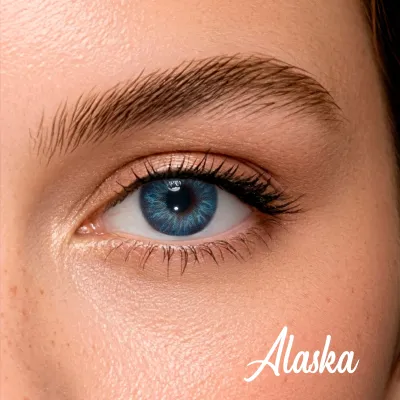
Claro Alaska - Colored Contact Lenses
*{box-sizing:border-box;} .alaska-page{ width:100%; margin:0; padding:0; font-family:Arial,Helvetica,sans-serif; color:#34495e; line-height:…
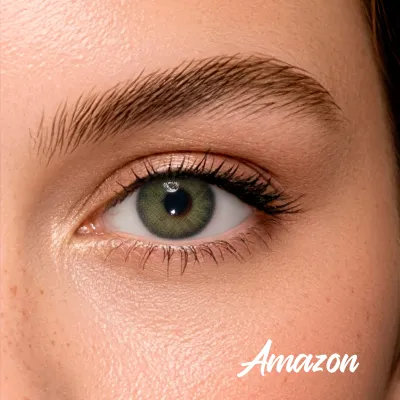
Claro Amazon - Colored Contact Lenses
*{box-sizing:border-box;} .amazon-page{ width:100%; margin:0; padding:0; font-family:Arial,Helvetica,sans-serif; color:#34495e; line-height:…
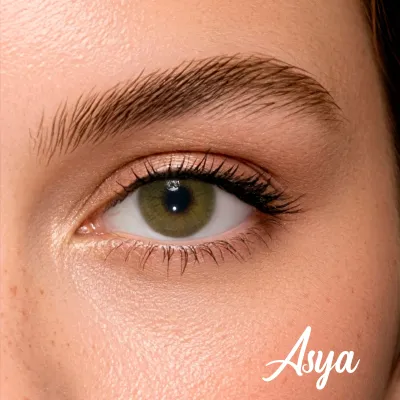
Claro Asya - Colored Contact Lenses
*{box-sizing:border-box;} .asya-page{ width:100%; margin:0; padding:0; font-family:Arial,Helvetica,sans-serif; color:#34495e; line-height:1.…
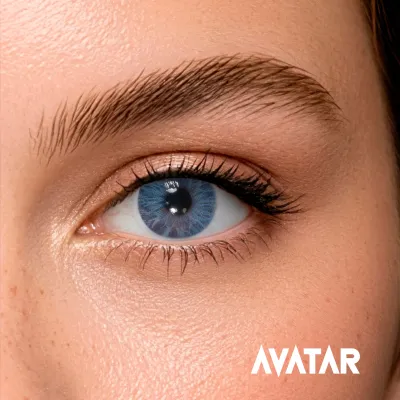
Claro Avatar - Colored Contact Lenses
*{box-sizing:border-box;} .avatar-page{ width:100%; margin:0; padding:0; font-family:Arial,Helvetica,sans-serif; color:#34495e; line-height:…
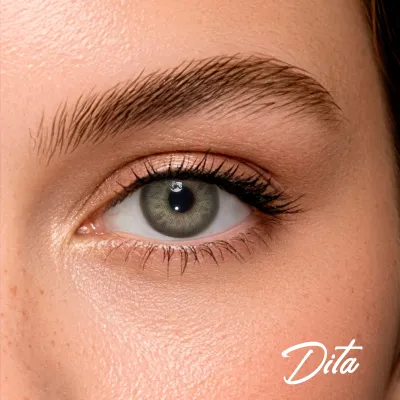
Claro Dita - Colored Contact Lenses
*{box-sizing:border-box;} .dita-page{ width:100%; margin:0; padding:0; font-family:Arial,Helvetica,sans-serif; color:#34495e; line-height:1.…
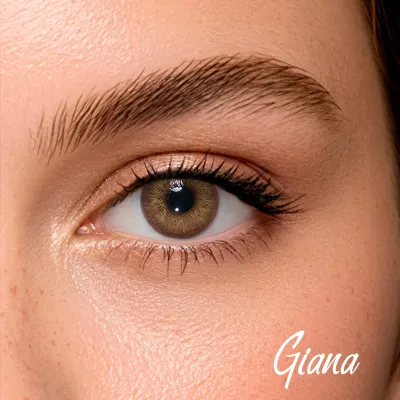
Claro Giana - Colored Contact Lenses
*{box-sizing:border-box;} .giana-page{ width:100%; margin:0; padding:0; font-family:Arial,Helvetica,sans-serif; color:#3b2a1d; line-height:1…
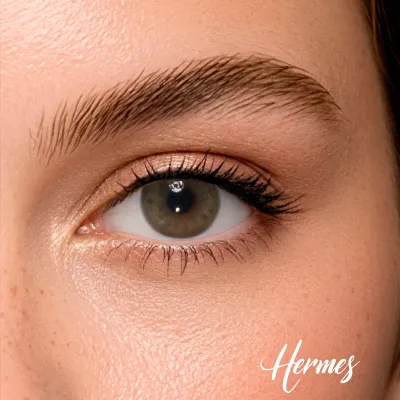
Claro Hermes - Colored Contact Lenses
*{box-sizing:border-box;} .hermes-page{ width:100%; margin:0; padding:0; font-family:Arial,Helvetica,sans-serif; color:#34495e; line-height:…
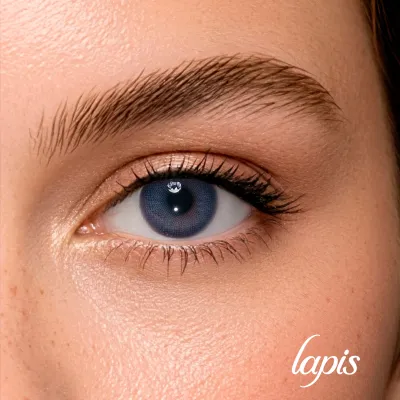
Claro Lapis - Colored Contact Lenses
*{box-sizing:border-box;} .lapis-page{ width:100%; margin:0; padding:0; font-family:Arial,Helvetica,sans-serif; color:#34495e; line-height:1…