



The allure of altering one's eye color has captivated individuals for centuries, offering a profound way to express personal style, complement an outfit, or even embody a different persona. Today, this transformation is readily accessible through advanced cosmetic ocular lenses. These innovative products, often referred to as colored contact lenses, provide a safe and effective method to achieve a temporary or even a long-term change in eye hue. Whether you're seeking a subtle enhancement to your natural shade or a dramatic shift to an entirely new color, understanding the nuances of these vision aids is paramount. This guide delves into the various aspects of selecting, wearing, and caring for these unique lenses, ensuring both aesthetic satisfaction and optimal eye health. From the different types available to crucial safety considerations and maintenance tips, we aim to equip you with the knowledge needed to make informed decisions and confidently explore the exciting possibilities of eye color modification.
Understanding Different Types of Cosmetic Ocular Lenses
The market for eye color modifiers offers a diverse range of products, each designed to achieve a specific aesthetic outcome. Recognizing these distinctions is the first step in choosing the right option for your desired look. These lenses are broadly categorized by their opacity and the effect they have on your natural eye color.
Enhancing Natural Eye Pigmentation
For those who wish to subtly amplify their existing eye color, enhancement tint lenses are an excellent choice. These lenses typically feature a translucent tint that works with your natural eye color to create a more vibrant or deeper shade. They are ideal for individuals with light-colored eyes (blue, green, hazel) who want to add depth or intensity without a drastic change. The tint is often designed to mimic the intricate patterns of the iris, resulting in a very natural-looking enhancement that catches the light beautifully.
Completely Transforming Eye Hue
If a more dramatic change is desired, opaque tint lenses are the go-to option. These lenses are designed to completely cover your natural eye color, allowing you to switch from dark brown eyes to a striking blue, a captivating green, or even a mysterious grey. Opaque lenses come in a wide array of colors and patterns, including those with limbal rings (a dark ring around the iris) that can make eyes appear larger and more defined. The technology behind these lenses ensures that even individuals with very dark natural eye colors can achieve a noticeable and vibrant transformation. They are popular for special occasions, fashion statements, or simply to experiment with a completely new look.
Specialty and Theatrical Designs
Beyond everyday aesthetic changes, there's a fascinating category of specialty and theatrical designs. These lenses are crafted for unique purposes, such as costume parties, cosplay events, or professional theatrical productions. They can feature unusual colors like vibrant reds, purples, or yellows, as well as intricate patterns like cat eyes, vampire eyes, or even designs that glow under UV light. While visually striking, these lenses often require specific fitting and care due to their unique designs and materials. It's crucial to remember that even for purely cosmetic purposes, these lenses are medical devices and must be handled with the same care and professional guidance as any other contact lens.
Prioritizing Eye Health and Safety with Vision Enhancements
While the aesthetic appeal of changing one's eye color is undeniable, the most critical aspect of using any type of contact lens, including cosmetic ones, is ensuring the health and safety of your eyes. These are not mere accessories; they are medical devices that interact directly with one of your most delicate organs. Neglecting proper protocols can lead to serious eye complications, ranging from mild irritation to permanent vision loss. Therefore, a responsible approach to their use is non-negotiable.
The Crucial Role of a Professional Eye Examination
Before even considering purchasing any ocular lenses, a comprehensive eye examination by a qualified eye care professional (optometrist or ophthalmologist) is absolutely essential. This examination is not just about checking your vision; it's about assessing the overall health of your eyes, measuring the curvature and diameter of your cornea, and identifying any pre-existing conditions that might make lens wear unsuitable. An ill-fitting lens, even one without power, can cause corneal abrasions, oxygen deprivation, and increase the risk of infection. Only a professional can determine if your eyes are suitable for lens wear and provide the precise measurements needed for a comfortable and safe fit.
The Importance of a Valid Prescription
It is a common misconception that if you don't need vision correction, you don't need a prescription for cosmetic lenses. This is incorrect and dangerous. In many regions, including the United States, all contact lenses, whether corrective or purely cosmetic (plano), are classified as medical devices and require a valid prescription. This prescription specifies not only the power (if any) but also critical parameters like base curve and diameter, which are unique to your eye's shape. Purchasing lenses without a prescription from unregulated sources bypasses these vital safety checks, exposing you to significant risks. A prescription ensures that the lenses you wear are specifically designed to fit your eyes comfortably and safely, minimizing the potential for complications.
Recognizing Risks of Improper Use
Improper use of any contact lens can lead to a host of serious eye health issues. These include bacterial or fungal infections (keratitis), corneal ulcers, allergic reactions, inflammation, and even permanent vision impairment or blindness. Risks are heightened when lenses are shared, worn for longer than recommended, slept in, or cleaned with tap water. Symptoms such as redness, pain, excessive tearing, light sensitivity, or blurred vision are red flags that require immediate attention from an eye care professional. Adhering strictly to professional advice and manufacturer guidelines is the best defense against these potential hazards, ensuring that your pursuit of aesthetic enhancement does not come at the cost of your vision.
Selecting the Perfect Shade and Design for Your Gaze
Once you've prioritized eye health and obtained a valid prescription, the exciting part begins: choosing the perfect shade and design to complement your unique features. This process involves more than just picking a color you like; it requires considering how various factors interact to create the most flattering and natural-looking effect. The goal is to find lenses that enhance your overall appearance, whether you're aiming for a subtle shift or a dramatic transformation.
Harmonizing with Skin Tone and Hair Color
The interplay between your skin tone, hair color, and chosen eye color can significantly impact your overall look. Generally, individuals with cool undertones in their skin (pink, blue, or red) and cool-toned hair (ash blonde, black, platinum) often find that blue, grey, or violet lenses complement them beautifully. These shades tend to enhance the coolness of their complexion. Conversely, those with warm undertones (yellow, golden, peach) and warm-toned hair (golden blonde, brown, red) might find that hazel, green, or light brown lenses create a more harmonious and natural effect. These warmer lens colors can bring out the richness in their skin and hair. Experimenting with different shades within these categories can help you discover what truly makes your eyes pop.
Impact of Your Natural Eye Shade
Your original eye pigmentation plays a crucial role in how a cosmetic lens will appear. For individuals with lighter eyes, enhancement tints can subtly deepen and intensify their natural color, offering a very believable change. Opaque lenses on light eyes will typically show their true color more vibrantly, as there's less underlying pigment to contend with. For those with darker eyes, opaque lenses are necessary for a noticeable color change. The opacity of the lens must be sufficient to cover the natural dark pigment effectively. Some opaque lenses are designed with a transparent pupil area and a colored iris, ensuring clear vision while providing a complete color transformation. Understanding this interaction is key to managing expectations and achieving your desired outcome.
Exploring Different Patterns and Textures
Beyond the base color, the pattern and texture printed on the lens itself contribute significantly to the final look. Many lenses incorporate intricate designs that mimic the natural iris, complete with various flecks, lines, and rings. A common feature is the 'limbal ring' – a dark, defined circle around the outer edge of the iris area. Lenses with a prominent limbal ring can make eyes appear larger, more youthful, and more defined, adding a captivating depth to your gaze. Other patterns might include starburst designs or subtle color gradients that create a multi-dimensional effect. Some lenses even feature a blend of two or three colors to achieve a more complex and natural-looking hue. Carefully examining these patterns, perhaps through online visualizers or professional consultations, can help you select a design that truly enhances your eyes' natural beauty and aligns with your aesthetic preferences.
Essential Guidelines for Lens Care and Hygiene
Maintaining impeccable hygiene and adhering to proper care routines are paramount for anyone wearing vision-enhancing lenses. Just as important as selecting the right pair is ensuring they are handled, cleaned, and stored correctly. Neglecting these essential steps can lead to discomfort, eye infections, and potentially severe damage to your vision. Following a strict regimen not only prolongs the life of your lenses but, more importantly, safeguards the health of your eyes.
Proper Cleaning and Disinfection Routines
Every time you handle your lenses, whether inserting or removing them, always wash your hands thoroughly with soap and water and dry them with a lint-free towel. For daily wear lenses, a 'rub and rinse' method is generally recommended. Place the lens in the palm of your hand, apply a few drops of fresh, sterile contact lens solution, and gently rub the lens with your finger for about 20 seconds. Then, rinse both sides of the lens thoroughly with more solution. After cleaning, store the lenses in a clean lens case filled with fresh disinfecting solution. Never reuse old solution, and never 'top off' the solution in your case. Replace your lens case every three months to prevent bacterial buildup. It is crucial to use only solutions specifically designed for contact lenses; never use tap water, saliva, or homemade saline solutions, as these can introduce harmful microorganisms to your eyes.
Adhering to Recommended Wear and Replacement Schedules
All lenses, including those for eye color modification, have a prescribed wear schedule (e.g., daily disposable, bi-weekly, monthly, yearly). It is absolutely vital to adhere to these schedules strictly. Wearing lenses beyond their recommended lifespan significantly increases the risk of oxygen deprivation to the cornea, protein buildup, and bacterial contamination, all of which can lead to discomfort and serious eye infections. Daily disposable lenses are designed for a single use and should be discarded after each wear. Extended wear lenses, while designed for longer periods, still require regular cleaning and should never be worn continuously without professional guidance. Always consult your eye care professional about the appropriate wear and replacement schedule for your specific lenses and never attempt to extend their usage beyond what is recommended.
Identifying and Addressing Eye Irritation
Even with the most diligent care, sometimes irritation can occur. It's crucial to be aware of the signs of potential problems and know when to seek professional help. Symptoms such as persistent redness, itching, burning, excessive tearing, unusual discharge, blurred vision, or increased sensitivity to light are all indicators that something might be wrong. If you experience any of these symptoms, immediately remove your lenses. Do not attempt to reinsert them until your eyes feel completely normal. If symptoms persist or worsen, contact your eye care professional without delay. Early intervention is key to preventing minor irritations from escalating into more serious conditions that could potentially harm your vision. Never self-diagnose or attempt to treat an eye infection at home; always rely on professional medical advice.
Where to Responsibly Purchase Eye Color Modifiers
The journey to safely enhancing your eye color culminates in the responsible acquisition of your lenses. Given that these are medical devices, the source of your purchase is as critical as the proper fitting and care. Opting for convenience over safety can expose you to significant health risks, making it imperative to choose reputable and authorized channels for all your Colored Contact Lenses needs.
Authorized Retailers and Optometry Practices
The safest and most reliable places to purchase eye color modifiers are through authorized retailers, licensed optometry practices, or reputable online stores that require a valid prescription. These sources ensure that you are receiving genuine, FDA-approved (or equivalent regulatory body approved) products that meet stringent quality and safety standards. Optometry clinics, in particular, offer the added benefit of professional guidance, including proper fitting, instruction on insertion and removal, and ongoing eye health monitoring. Purchasing from these channels guarantees that the lenses are manufactured from biocompatible materials and are designed to fit the human eye without causing harm, provided they are used correctly.
Avoiding Unregulated Sources
The allure of cheap prices or easy access can sometimes lead individuals to unregulated sources such as street vendors, beauty supply stores without proper licensing, or unverified online marketplaces. These channels often sell counterfeit or illegally imported lenses that have not undergone proper quality control or safety testing. Such lenses may be made from inferior materials, have inaccurate parameters, or even contain toxic dyes. Wearing lenses from unregulated sources dramatically increases the risk of severe eye infections, corneal damage, allergic reactions, and even permanent vision loss. The short-term savings are never worth the potential long-term damage to your eyes. Always be skeptical of sellers who do not require a prescription or offer prices that seem too good to be true.
What to Look for in a Reputable Supplier
When selecting a supplier, whether online or brick-and-mortar, look for clear indicators of legitimacy and commitment to eye health. A reputable online retailer will always require you to upload or verify your prescription before completing a purchase. They should also provide clear information about their return policies, customer service, and contact details. Look for certifications from relevant health authorities and positive customer reviews that specifically mention product quality and service. For physical stores, ensure they are licensed optical dispensaries with qualified staff who can answer your questions. A trustworthy supplier prioritizes your eye health above all else, offering transparent information and high-quality products that comply with all medical device regulations. Making an informed choice about where to purchase your lenses is a fundamental step in enjoying the aesthetic benefits responsibly and safely.
Embracing the world of eye color transformation offers an exciting avenue for personal expression and aesthetic enhancement. By understanding the diverse range of available lenses, prioritizing eye health through professional consultation and proper care, and making informed purchasing decisions from reputable sources, you can safely explore the captivating possibilities that colored contact lenses provide. Always remember that your vision is precious; treat your eyes and your lenses with the respect and care they deserve.
Sıkça Sorulan Sorular
Are eye color changing lenses safe to wear?
Do I need a prescription for purely cosmetic lenses (without vision correction)?
How do I choose the right color for my eyes?
What is the proper way to care for my eye color changing lenses?
Konuyla ilgili öne çıkan ürünler
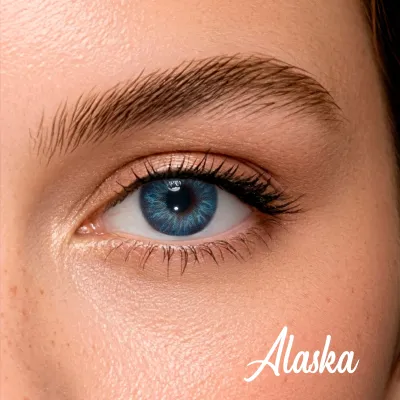
Claro Alaska - Colored Contact Lenses
*{box-sizing:border-box;} .alaska-page{ width:100%; margin:0; padding:0; font-family:Arial,Helvetica,sans-serif; color:#34495e; line-height:…
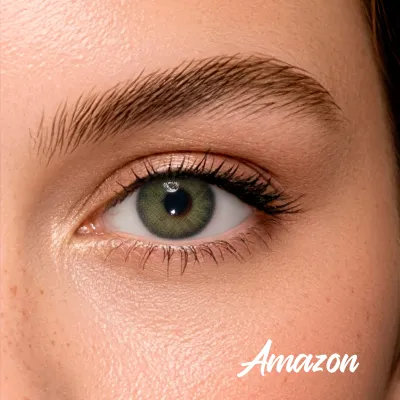
Claro Amazon - Colored Contact Lenses
*{box-sizing:border-box;} .amazon-page{ width:100%; margin:0; padding:0; font-family:Arial,Helvetica,sans-serif; color:#34495e; line-height:…
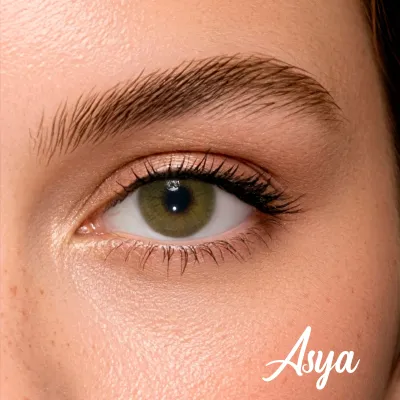
Claro Asya - Colored Contact Lenses
*{box-sizing:border-box;} .asya-page{ width:100%; margin:0; padding:0; font-family:Arial,Helvetica,sans-serif; color:#34495e; line-height:1.…
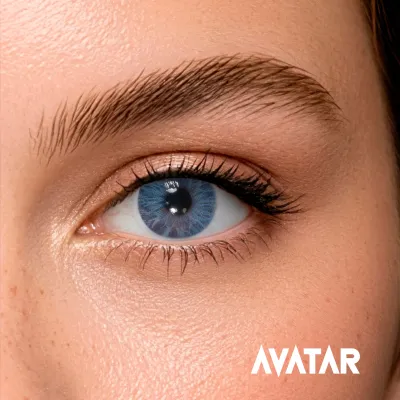
Claro Avatar - Colored Contact Lenses
*{box-sizing:border-box;} .avatar-page{ width:100%; margin:0; padding:0; font-family:Arial,Helvetica,sans-serif; color:#34495e; line-height:…
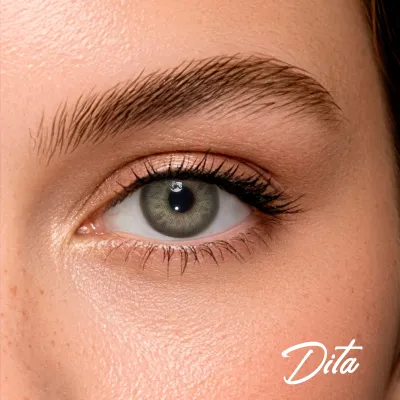
Claro Dita - Colored Contact Lenses
*{box-sizing:border-box;} .dita-page{ width:100%; margin:0; padding:0; font-family:Arial,Helvetica,sans-serif; color:#34495e; line-height:1.…
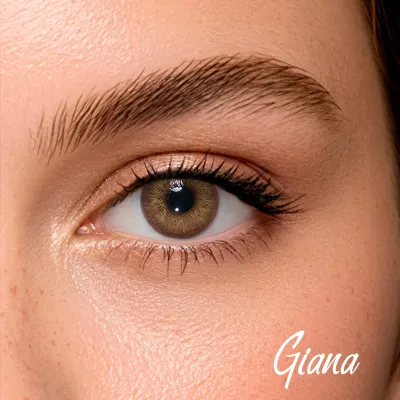
Claro Giana - Colored Contact Lenses
*{box-sizing:border-box;} .giana-page{ width:100%; margin:0; padding:0; font-family:Arial,Helvetica,sans-serif; color:#3b2a1d; line-height:1…
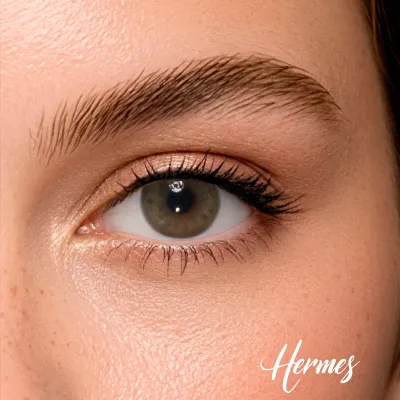
Claro Hermes - Colored Contact Lenses
*{box-sizing:border-box;} .hermes-page{ width:100%; margin:0; padding:0; font-family:Arial,Helvetica,sans-serif; color:#34495e; line-height:…
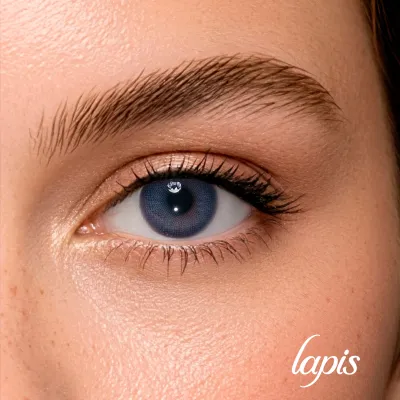
Claro Lapis - Colored Contact Lenses
*{box-sizing:border-box;} .lapis-page{ width:100%; margin:0; padding:0; font-family:Arial,Helvetica,sans-serif; color:#34495e; line-height:1…