



The human eye is often considered a window to the soul, and for many, enhancing its natural beauty or completely transforming its hue offers a compelling avenue for self-expression. The market for products that allow individuals to alter their ocular appearance has grown significantly, offering a diverse range of options for both aesthetic appeal and practical vision correction. This comprehensive guide delves into the fascinating world of these visual enhancements, providing insights into selection, care, and responsible usage to help you achieve your desired look safely and effectively.
Unveiling the Appeal of Cosmetic Eye Accessories
The desire to change one's eye color is as old as civilization itself, with historical accounts pointing to various methods, albeit often dangerous, used to achieve different ocular aesthetics. Today, advancements in optometry and material science have made it possible to temporarily alter eye color with remarkable realism and safety, provided proper guidelines are followed. These modern solutions offer a versatile tool for personal style, allowing individuals to experiment with subtle enhancements or dramatic alterations.
Why People Choose to Alter Their Eye Hue
Individuals opt for cosmetic ocular devices for a multitude of reasons. Some seek a subtle change to brighten their natural eye color, adding depth or intensity. Others desire a complete transformation, perhaps shifting from a light blue to a striking green, or from brown to a vivid violet. These changes can be driven by fashion trends, a desire to match an outfit or event, or simply to explore a different facet of one's identity. For many, it's a fun and non-permanent way to experiment with their appearance without committing to more drastic changes. They can also be used for theatrical purposes, cosplay, or to create unique looks for special occasions.
The Evolution of Aesthetic Ocular Devices
The journey of colored contact lenses began with basic, opaque designs that offered limited realism. Early versions were often uncomfortable and visually apparent as artificial. However, continuous innovation has led to sophisticated manufacturing techniques, producing lenses with intricate patterns that mimic the natural iris, blending seamlessly with the wearer's original eye color. Today's options include advanced materials that ensure breathability and comfort, making them suitable for extended wear, always within the recommended duration. This evolution has democratized eye color transformation, making it accessible and appealing to a broader audience.
Selecting the Ideal Tint and Design
Choosing the right pair of vision enhancers involves more than just picking a color you like. It requires understanding how different tints interact with your natural eye color, skin tone, and even hair color to create a harmonious and believable effect. The goal is often to achieve a look that feels natural, even if the color itself is unconventional. Careful consideration of various factors will lead to a more satisfying outcome.
Factors Influencing Your Color Choice
When selecting your preferred shade, consider your natural eye color as the base. If you have light eyes, enhancement tints can subtly deepen or shift your existing hue. For darker eyes, opaque tints are usually necessary to achieve a noticeable change. Your skin tone also plays a crucial role; cool-toned individuals might find blues and grays more flattering, while warm tones often complement greens, hazels, and browns. Experimenting with virtual try-on tools, if available, can provide a realistic preview. It's also wise to consider the occasion; a subtle change might be suitable for daily wear, while a bolder color could be perfect for an evening event.
Opaque vs. Enhancement Tints
Understanding the distinction between opaque and enhancement tints is fundamental. Enhancement tints are translucent and designed to intensify or subtly alter your natural eye color. They work best on lighter eyes, adding depth without completely masking the original hue. Opaque tints, on the other hand, are designed to completely cover your natural eye color, making them ideal for individuals with dark eyes who wish to achieve a dramatic color change. These lenses come in a vast array of colors, from natural-looking browns and blues to vibrant greens, purples, and even novelty designs. Opticzade offers a wide selection of both types, ensuring you find the perfect match for your desired effect.
Navigating the Varieties of Vision-Altering Lenses
Beyond color and opacity, these ocular accessories come in various wear durations and specialized designs, each suited for different needs and lifestyles. Understanding these categories is essential for making an informed choice that prioritizes both aesthetics and eye health. The convenience and maintenance requirements vary significantly between types, impacting the overall user experience.
Daily, Weekly, and Monthly Wear Options
The wear schedule is a critical factor in choosing the right type of colored contact lenses. Daily disposables offer the ultimate convenience and hygiene, as a fresh pair is used each day and then discarded, eliminating the need for cleaning and storage solutions. This minimizes the risk of infection. Weekly and monthly disposables require proper cleaning and disinfection after each use and must be stored in a suitable solution overnight. While more economical in the long run, they demand a commitment to a strict hygiene regimen. Always adhere to the manufacturer's recommended wear schedule to maintain optimal eye health.
Special Effects and Theatrical Designs
For those seeking a more dramatic or unconventional look, special effects lenses, often referred to as theatrical or novelty lenses, provide an extensive range of designs. These can include cat eyes, zombie eyes, vampire eyes, or intricate patterns that are far from natural. While incredibly popular for Halloween, cosplay, and themed parties, it's paramount to remember that these are still medical devices. They must be purchased from reputable sources, ideally with a prescription, even if they don't correct vision. Improperly fitted or low-quality novelty lenses can pose significant risks to eye health, including corneal abrasions and infections.
Essential Guidelines for Safe Use and Maintenance
The allure of changing your eye color should never overshadow the importance of eye health and safety. These vision enhancers are medical devices, and their improper use can lead to serious complications, including infections, corneal damage, and even permanent vision loss. Adhering to strict hygiene and care protocols is non-negotiable for anyone considering or currently wearing these products.
Hygiene Practices for Ocular Devices
Proper hygiene is the cornerstone of safe contact lens wear. Always wash your hands thoroughly with soap and water and dry them with a lint-free towel before handling your lenses. Use only fresh, sterile contact lens solution recommended by your eye care professional for cleaning, rinsing, and storing your lenses. Never use tap water, saliva, or homemade solutions, as these can introduce harmful microorganisms. Rub and rinse your lenses as instructed, and replace your lens case every three months to prevent bacterial buildup. Discard lenses according to their prescribed replacement schedule, even if they still feel comfortable.
Recognizing and Avoiding Potential Risks
Wearing eye colour contacts carries inherent risks if not managed correctly. Common issues include dry eyes, irritation, allergic reactions, and more severe problems like corneal ulcers or infections. Never sleep in lenses unless they are specifically approved for extended wear by an eye care professional. Avoid sharing lenses, as this can transmit serious eye infections. If you experience any redness, pain, blurred vision, or excessive tearing, remove your lenses immediately and consult an eye care specialist. Regular eye check-ups are vital to ensure your eyes remain healthy and suitable for contact lens wear.
Finding Reputable Sources for Eye Enhancements
The accessibility of cosmetic lenses has unfortunately led to a proliferation of unregulated sellers, particularly online. Purchasing from unverified sources can expose you to counterfeit or substandard products that may not meet safety standards, posing significant risks to your vision. Prioritizing reputable retailers and professional guidance is crucial for safe and satisfying experience with colored contact lenses.
The Importance of Prescriptions and Professional Guidance
Even if you have perfect vision and only desire cosmetic lenses, a prescription from a licensed eye care professional is legally required in many regions, including the United States. An optometrist or ophthalmologist will conduct a comprehensive eye exam to measure your eyes for proper lens fit and curvature, ensuring comfort and preventing potential damage. They will also assess your eye health to determine if you are a suitable candidate for contact lens wear and provide essential instructions on insertion, removal, and care. Never purchase lenses without a professional fitting, as an ill-fitting lens can cause discomfort, abrasions, and oxygen deprivation to the cornea.
What to Look for in a Trusted Retailer
When purchasing your vision accessories, always choose a reputable retailer that requires a valid prescription and sells FDA-approved (or equivalent regulatory body approved) products. Look for clear contact information, transparent return policies, and positive customer reviews. Opticzade, for instance, emphasizes adherence to all safety standards and provides only high-quality, professionally vetted products. Avoid websites or stores that sell lenses without requiring a prescription, as these are often unregulated and may supply unsafe or counterfeit items. A trusted retailer will also offer customer support for any questions or concerns you may have regarding your purchase or lens care.
Common Questions About Ocular Color Changes
As interest in eye color transformation grows, so do the questions surrounding their safety, efficacy, and usage. Addressing these common inquiries can help potential users make informed decisions and alleviate concerns, ensuring a positive and healthy experience with these popular cosmetic devices. Understanding the nuances of their application and limitations is key.
Are They Safe for Everyone?
While generally safe when used correctly, cosmetic lenses are not suitable for everyone. Individuals with certain eye conditions, severe allergies, or chronic dry eyes may not be good candidates. A thorough eye examination by an optometrist or ophthalmologist is essential to determine suitability. They will assess your eye health, tear production, and corneal shape to ensure that wearing lenses will not compromise your vision or comfort. It's crucial to follow their recommendations and attend regular follow-up appointments.
Can They Correct Vision Too?
Yes, many colored contact lenses are available with prescription powers to correct common vision impairments like nearsightedness (myopia) and farsightedness (hyperopia). This means you can enjoy both vision correction and a change in eye color simultaneously. However, cosmetic lenses are also widely available without prescription power for individuals who have perfect vision but wish to alter their eye color purely for aesthetic reasons. In both cases, a professional fitting and prescription are still required to ensure proper fit and eye health.
Embracing the world of eye colour contacts offers an exciting opportunity for personal expression and aesthetic enhancement. By understanding the different types available, making informed choices about color and design, and diligently adhering to safety and care guidelines, you can enjoy a beautiful and healthy experience. Always prioritize your eye health by consulting with an eye care professional and purchasing from reputable sources like Opticzade, ensuring that your journey into eye color transformation is both stylish and safe.
Sıkça Sorulan Sorular
Do I need a prescription for cosmetic lenses?
How long can I wear my eye color enhancers?
What's the difference between opaque and enhancement tints?
Are there any risks associated with wearing these vision accessories?
Can I sleep with my ocular color changers in?
Konuyla ilgili öne çıkan ürünler
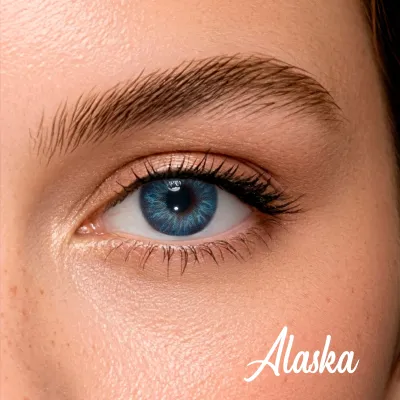
Claro Alaska - Colored Contact Lenses
*{box-sizing:border-box;} .alaska-page{ width:100%; margin:0; padding:0; font-family:Arial,Helvetica,sans-serif; color:#34495e; line-height:…
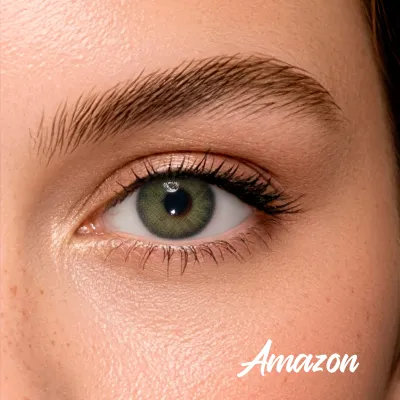
Claro Amazon - Colored Contact Lenses
*{box-sizing:border-box;} .amazon-page{ width:100%; margin:0; padding:0; font-family:Arial,Helvetica,sans-serif; color:#34495e; line-height:…
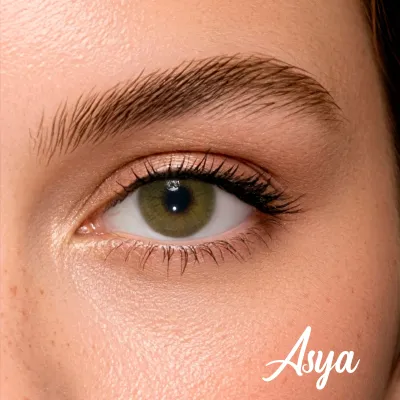
Claro Asya - Colored Contact Lenses
*{box-sizing:border-box;} .asya-page{ width:100%; margin:0; padding:0; font-family:Arial,Helvetica,sans-serif; color:#34495e; line-height:1.…
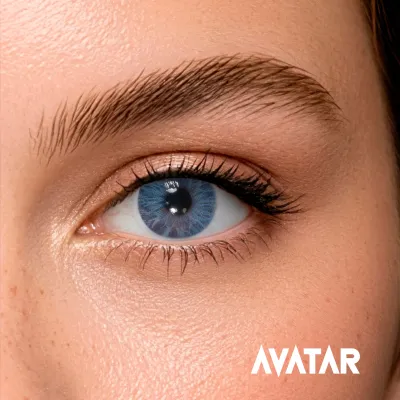
Claro Avatar - Colored Contact Lenses
*{box-sizing:border-box;} .avatar-page{ width:100%; margin:0; padding:0; font-family:Arial,Helvetica,sans-serif; color:#34495e; line-height:…
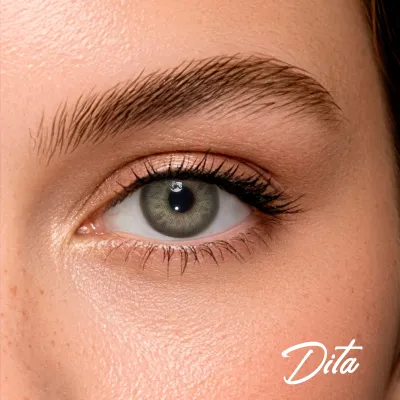
Claro Dita - Colored Contact Lenses
*{box-sizing:border-box;} .dita-page{ width:100%; margin:0; padding:0; font-family:Arial,Helvetica,sans-serif; color:#34495e; line-height:1.…
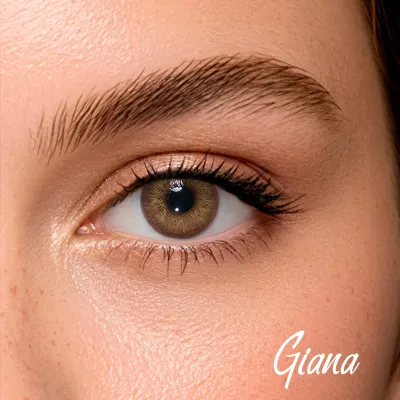
Claro Giana - Colored Contact Lenses
*{box-sizing:border-box;} .giana-page{ width:100%; margin:0; padding:0; font-family:Arial,Helvetica,sans-serif; color:#3b2a1d; line-height:1…
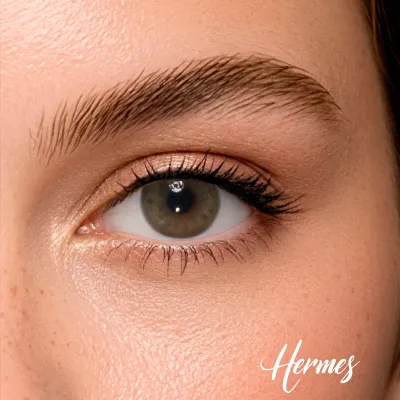
Claro Hermes - Colored Contact Lenses
*{box-sizing:border-box;} .hermes-page{ width:100%; margin:0; padding:0; font-family:Arial,Helvetica,sans-serif; color:#34495e; line-height:…
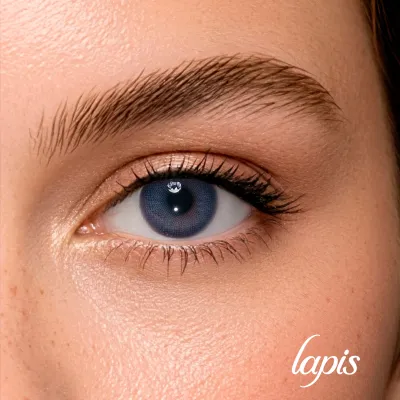
Claro Lapis - Colored Contact Lenses
*{box-sizing:border-box;} .lapis-page{ width:100%; margin:0; padding:0; font-family:Arial,Helvetica,sans-serif; color:#34495e; line-height:1…