



Colored contact lenses offer a fascinating way to transform your appearance, allowing you to subtly enhance your natural eye color or dramatically change it. Whether you're seeking a striking new look for a special event or a fresh daily aesthetic, understanding how to choose, wear, and care for these lenses is paramount. This comprehensive guide delves into everything you need to know about aesthetic contact lenses, from selecting the perfect shade to ensuring optimal eye health and safety. We'll explore the various types available, the crucial role of professional eye care, and practical tips for maintenance, empowering you to make informed decisions for a captivating eye color change.
Exploring the World of Aesthetic Eye Enhancements
Aesthetic eye enhancements, commonly known as colored contact lenses, are specialized medical devices designed to alter the perceived color of your iris. Unlike regular corrective contact lenses that solely address vision impairments, cosmetic lenses focus on visual appeal, though many are also available with prescription powers. They can range from subtle tints that deepen your natural shade to opaque designs that completely transform your eye color.
What are Cosmetic Contact Lenses?
Cosmetic contact lenses are thin, curved pieces of plastic worn directly on the eye's surface. They feature a tinted area that overlays the iris, changing its appearance. It's essential to remember that even if you don't require vision correction, these are still medical devices that necessitate a proper fitting and prescription from an eye care professional to ensure safety and comfort.
Types of Color Effects Available
The market for colored contact lenses offers a wide spectrum of effects. You can find lenses designed to mimic natural eye patterns, create vibrant, unnatural hues, or even feature novelty designs for costumes. The primary categories typically include enhancement tints and opaque tints, each offering a distinct level of transformation.
Enhancement vs. Opaque Tints
Enhancement tints are translucent and are best suited for individuals with light-colored eyes who wish to intensify their natural shade. They work by adding depth and definition without drastically altering the original color. For instance, a light blue eye might appear a more vibrant blue. Opaque tints, on the other hand, are designed to completely cover your natural eye color, allowing for a dramatic change. These are ideal for both light and dark eyes, enabling a brown-eyed person to achieve blue, green, or even violet eyes. When I consider colored contacts, I always think about whether I want a subtle shift or a complete overhaul.
Selecting Your Ideal Shade and Style
Choosing the right color and style for your eye-enhancing lenses is a personal journey, influenced by your desired outcome and natural features. The goal is often to find a shade that complements your complexion and personality, whether you aim for a natural-looking enhancement or a bold, expressive statement.
Matching Lenses to Your Natural Eye Color
For a natural effect, consider colors that are close to your existing eye color but offer a new dimension. For darker eyes, opaque lenses are necessary to achieve a noticeable change. Lighter eyes have more flexibility with both enhancement and opaque options. Experimenting with different shades, even virtually, can help visualize the final look. Many online tools allow you to upload a photo and try on various lens colors.
Considering Skin Tone and Hair Color
Your overall complexion plays a significant role in how certain lens colors will appear. Warm skin tones often pair beautifully with hazel, brown, or green lenses, while cool skin tones might be enhanced by blues, grays, or violets. Similarly, your hair color can influence the perception of your eye color. A harmonious combination of all these elements creates a more cohesive and appealing aesthetic. It's a holistic approach to personal styling.
Choosing for Special Occasions vs. Daily Wear
The context in which you plan to wear your lenses should also guide your selection. For daily wear, many prefer more subtle, natural-looking shades that blend seamlessly into their everyday appearance. For special occasions, parties, or theatrical events, you might opt for more vibrant, dramatic, or even novelty designs that make a statement. The versatility of colored lenses means you can have different pairs for different moods or events.
Understanding Prescription and Safety Guidelines
The most critical aspect of using any contact lens, including those for cosmetic purposes, is prioritizing eye health and safety. Many people mistakenly believe that if they don't need vision correction, they don't need a prescription for colored contacts. This is a dangerous misconception that can lead to severe eye complications.
The Importance of an Eye Exam
Before purchasing any type of contact lens, a comprehensive eye examination by a licensed optometrist or ophthalmologist is absolutely essential. An eye care professional will measure your eyes to ensure a proper fit, as ill-fitting lenses can cause discomfort, abrasions, and even permanent damage to your cornea. They will also assess your eye health to determine if you are a suitable candidate for contact lens wear and provide a valid prescription.
Legal Requirements for Purchase
In many countries, including the United States, it is illegal to sell contact lenses, including plano (non-corrective) colored contacts, without a valid prescription. This regulation is in place to protect consumers from the risks associated with improper lens use and unregulated products. Always ensure you purchase from reputable sources that require a prescription, as this is a strong indicator of product quality and safety standards.
Potential Risks and How to Avoid Them
Wearing contact lenses without a proper fit or neglecting hygiene can lead to serious eye problems such as corneal ulcers, infections (bacterial, fungal, parasitic), allergic reactions, and even vision loss. To avoid these risks, always follow your eye care professional's instructions, practice meticulous hygiene, replace lenses as recommended, and never share your lenses with anyone else. If I feel any discomfort with colored contacts, I immediately remove them and consult my eye doctor.
Proper Handling and Maintenance Practices
Maintaining excellent hygiene and following proper care routines are fundamental to ensuring the longevity of your colored contact lenses and, more importantly, the health of your eyes. Neglecting these practices can lead to discomfort, irritation, and potentially serious infections.
Essential Cleaning and Storage Tips
Always wash your hands thoroughly with soap and water and dry them with a lint-free towel before handling your lenses. Use only fresh, sterile contact lens solution recommended by your eye care professional for cleaning, rinsing, and storing. Never use tap water, saliva, or homemade solutions. Rub and rinse your lenses gently according to the solution's instructions. Store them in a clean, disinfected lens case, replacing the solution daily and the case every three months.
Wearing Schedule and Replacement Cycles
Adhere strictly to the wearing schedule prescribed by your eye doctor. Some lenses are designed for daily disposable use, while others are for two-week or monthly replacement. Never wear lenses beyond their recommended lifespan, as this can lead to protein buildup, reduced oxygen flow to the eye, and increased risk of infection. Do not sleep in lenses unless they are specifically approved for extended wear by your eye care professional.
Recognizing Signs of Eye Irritation
It's crucial to be aware of the signs that indicate a problem with your contact lenses or eye health. These include redness, persistent irritation, excessive tearing, discharge, unusual light sensitivity, or sudden changes in vision. If you experience any of these symptoms, remove your lenses immediately and contact your eye care professional. Do not attempt to self-diagnose or treat the issue.
Navigating the Purchase of Eye Color Modifying Lenses
When you're ready to purchase eye color modifying lenses, knowing where to look and what to consider can make a significant difference in both your satisfaction and safety. The market is vast, but not all sources offer the same level of quality or adhere to necessary safety standards.
Reputable Sources for Quality Products
The safest and most reliable places to purchase colored contact lenses are through your optometrist's office, authorized optical retailers, or reputable online contact lens distributors that require a valid prescription. These sources typically stock lenses from well-known manufacturers who adhere to strict quality control and safety regulations. Avoid buying lenses from unauthorized vendors, beauty supply stores, flea markets, or novelty shops, as these products may be counterfeit, non-sterile, or made from unsafe materials.
Understanding Lens Parameters and Specifications
Your prescription will include specific parameters such as base curve (BC) and diameter (DIA), which are crucial for a comfortable and safe fit. The base curve indicates the curvature of the lens, and the diameter specifies its size. Lenses also vary in water content and material, which can affect comfort and oxygen permeability. Always ensure the lenses you purchase match your prescription's exact specifications. If I'm unsure about any of these details, I always double-check with my eye doctor.
Budgeting for Your Eye Color Transformation
The cost of colored contact lenses can vary widely depending on the brand, type (daily, monthly), and whether they include a prescription. While it might be tempting to opt for the cheapest options, remember that your eye health is priceless. Factor in the cost of an annual eye exam, lens solution (if applicable), and replacement cases. Investing in quality lenses from a reputable source is an investment in your eye health and overall well-being.
Dispelling Common Myths About Cosmetic Contacts
Misinformation surrounding cosmetic contact lenses can lead to unsafe practices and unnecessary apprehension. It's important to separate fact from fiction to ensure a positive and healthy experience with your eye color transformation.
Are They Safe for Everyone?
While colored contact lenses are generally safe for most individuals, they are not suitable for everyone. People with certain eye conditions, severe allergies, or chronic dry eyes might not be good candidates for contact lens wear. Only an eye care professional can determine if colored contacts are appropriate for your specific eye health profile, following a thorough examination and discussion of your medical history.
Do They Affect Vision?
High-quality, properly fitted colored contact lenses should not significantly affect your vision. The colored portion of the lens is designed to cover the iris, leaving the pupil area clear for vision. However, in dim lighting conditions, your pupil may dilate larger than the clear central zone of the lens, potentially causing a slight halo effect or reduced peripheral vision. This is usually minor and temporary. If I experience any persistent visual disturbances, I consult my eye doctor.
Can You Share Lenses?
Absolutely not. Sharing contact lenses, even for a brief moment, is an extremely dangerous practice. Contact lenses are medical devices specifically fitted for an individual's eyes and can easily transmit bacteria, viruses, and fungi from one person to another. This can lead to severe eye infections, inflammation, and potentially permanent vision damage. Each person must have their own prescription and their own pair of lenses.
Embracing the world of colored contact lenses offers an exciting opportunity to express your individuality and enhance your natural beauty. By prioritizing eye health through professional consultation, diligent hygiene, and informed purchasing decisions, you can enjoy the transformative power of these aesthetic devices safely and confidently. Remember, your eyes are precious, and their well-being should always be your top priority as you explore new shades and styles.
Sıkça Sorulan Sorular
Do I need a prescription for colored contact lenses?
How do I choose the right color for my eyes?
Are colored contacts safe to wear?
How should I care for my colored contact lenses?
Can I share my colored contact lenses with others?
Konuyla ilgili öne çıkan ürünler
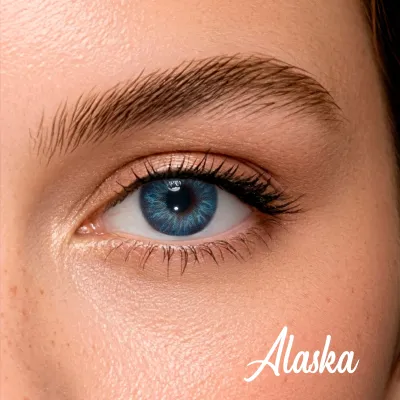
Claro Alaska - Colored Contact Lenses
*{box-sizing:border-box;} .alaska-page{ width:100%; margin:0; padding:0; font-family:Arial,Helvetica,sans-serif; color:#34495e; line-height:…
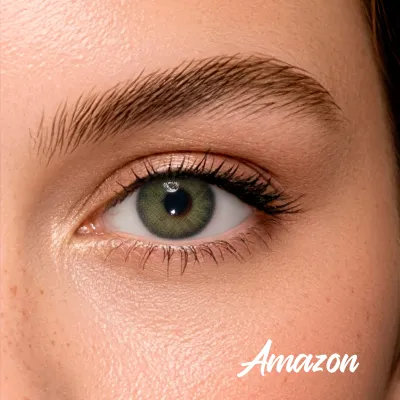
Claro Amazon - Colored Contact Lenses
*{box-sizing:border-box;} .amazon-page{ width:100%; margin:0; padding:0; font-family:Arial,Helvetica,sans-serif; color:#34495e; line-height:…
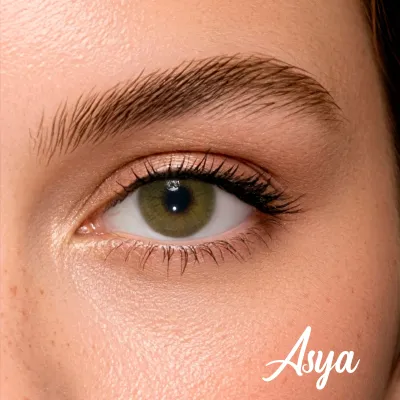
Claro Asya - Colored Contact Lenses
*{box-sizing:border-box;} .asya-page{ width:100%; margin:0; padding:0; font-family:Arial,Helvetica,sans-serif; color:#34495e; line-height:1.…
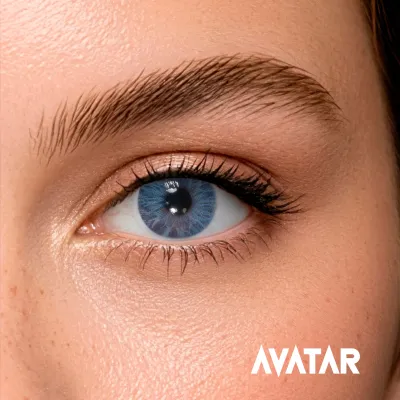
Claro Avatar - Colored Contact Lenses
*{box-sizing:border-box;} .avatar-page{ width:100%; margin:0; padding:0; font-family:Arial,Helvetica,sans-serif; color:#34495e; line-height:…
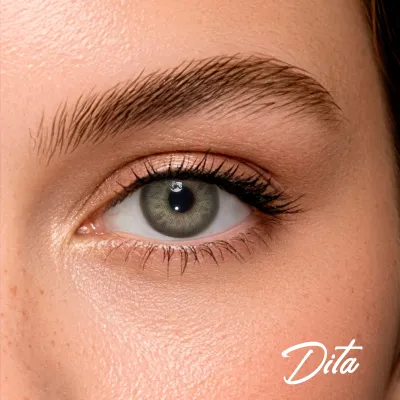
Claro Dita - Colored Contact Lenses
*{box-sizing:border-box;} .dita-page{ width:100%; margin:0; padding:0; font-family:Arial,Helvetica,sans-serif; color:#34495e; line-height:1.…
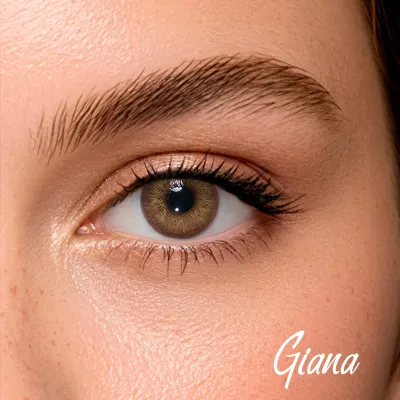
Claro Giana - Colored Contact Lenses
*{box-sizing:border-box;} .giana-page{ width:100%; margin:0; padding:0; font-family:Arial,Helvetica,sans-serif; color:#3b2a1d; line-height:1…
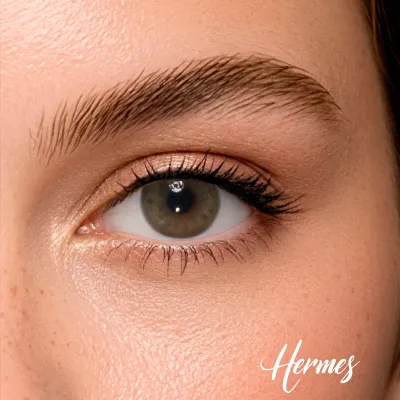
Claro Hermes - Colored Contact Lenses
*{box-sizing:border-box;} .hermes-page{ width:100%; margin:0; padding:0; font-family:Arial,Helvetica,sans-serif; color:#34495e; line-height:…
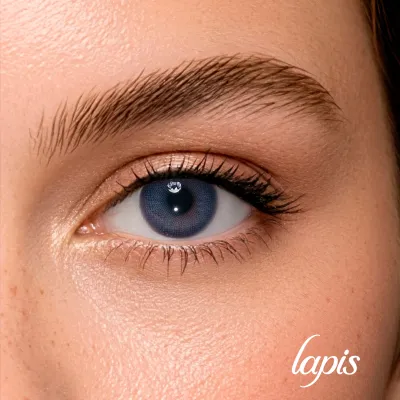
Claro Lapis - Colored Contact Lenses
*{box-sizing:border-box;} .lapis-page{ width:100%; margin:0; padding:0; font-family:Arial,Helvetica,sans-serif; color:#34495e; line-height:1…