



Changing your eye color can be a captivating way to express your personality, enhance your natural beauty, or even transform your look for a special occasion. Colored contact lenses offer an exciting opportunity to explore different aesthetics, from subtle enhancements that brighten your natural shade to dramatic transformations that completely alter your iris hue. However, navigating the world of cosmetic vision aids requires careful consideration of safety, style, and proper care. This comprehensive guide will delve into everything you need to know about selecting, wearing, and maintaining colored contact lenses, ensuring both stunning results and optimal eye health.
Unveiling the Appeal of Tinted Ocular Enhancements
The allure of changing one's eye color has captivated individuals for centuries. Today, advancements in contact lens technology have made this dream a safe and accessible reality for millions. Colored contact lenses are not merely fashion accessories; they are sophisticated medical devices designed to sit comfortably on the cornea, altering the apparent color of your iris. They come in a vast array of shades, patterns, and designs, allowing for endless possibilities in personal expression. Whether you desire a subtle shift to a brighter blue, a striking emerald green, or a deep, mysterious violet, there's a lens color to match every aspiration. These lenses can be prescribed for vision correction or purely for cosmetic purposes, but in both cases, they require the same level of professional fitting and care.
Beyond aesthetic appeal, some individuals use colored lenses to mask eye injuries, congenital conditions, or to balance the appearance of two different colored eyes (heterochromia). The psychological impact of a new eye color can also be significant, boosting confidence and allowing individuals to experiment with different facets of their identity. Understanding the types and effects available is the first step towards choosing the perfect pair.
Matching Lens Hues to Your Natural Eye Pigmentation
Choosing the right color is crucial for achieving your desired effect, whether it's a natural enhancement or a dramatic change. Your natural eye color plays a significant role in how a colored lens will appear. It's not just about picking a shade you like; it's about understanding how that shade interacts with your existing iris. The goal is often to create a believable, yet enhanced, appearance. Consideration of your skin tone and hair color can further refine your selection, ensuring a harmonious overall look.
Subtle Shifts for Light-Colored Eyes
If you have light eyes (blue, green, hazel), enhancement tints are often the best choice. These lenses have translucent colors that define the iris and deepen your natural shade without completely changing it. For instance, a light blue eye can become a more vibrant sapphire, or a pale green can transform into a richer emerald. Limbal rings, which are dark rings around the outer edge of the iris, are also common in enhancement lenses. They make the eyes appear larger and more defined, adding a youthful and captivating sparkle. Experimenting with shades close to your natural color, but with a slight variation, can yield surprisingly impactful results.
Bold Transformations for Darker Irises
For individuals with dark brown or black eyes, opaque colored contact lenses are necessary to achieve a noticeable color change. These lenses feature solid, non-transparent colors designed to completely cover the natural iris. They come in a wide spectrum of shades, including vibrant blues, greens, grays, and even purples. The key to a natural look with opaque lenses lies in selecting a design that incorporates intricate patterns mimicking the natural striations of the iris. Some lenses also feature a clear center to avoid obstructing vision, while others have a blend of colors to create depth. It's important to try different shades to see which one complements your features best.
Considering Your Skin Tone and Hair Color
Beyond your natural eye color, your skin tone and hair color are vital factors in choosing a harmonious lens shade. Warm skin tones (with yellow or golden undertones) often pair well with warm eye colors like hazel, light brown, or even vibrant greens and blues with yellow flecks. Cool skin tones (with pink or blue undertones) tend to complement cooler eye colors such as blues, grays, and deep greens. Similarly, your hair color can influence the overall impression. For example, a person with dark hair and cool skin might find deep blue or gray lenses particularly striking, while someone with golden blonde hair and warm skin might prefer hazel or light green. Think of your entire facial palette as you make your selection.
Distinguishing Between Different Coloration Effects
The world of colored contact lenses offers more than just a change in hue; it provides a spectrum of effects. Understanding these differences is key to achieving your desired aesthetic, whether it's a subtle enhancement or a dramatic transformation. Each type of lens is designed with a specific purpose, influencing how it interacts with your natural eye color and the overall visual impact.
Enhancement Tints vs. Opaque Designs
The primary distinction lies between enhancement tints and opaque designs. Enhancement tints are translucent and are intended to intensify your natural eye color. They work best on lighter eyes, adding depth and definition without completely altering the original shade. They often feature a limbal ring for a more defined look. Opaque lenses, on the other hand, are designed to completely mask your natural eye color, making them ideal for individuals with dark eyes who wish to achieve a dramatic change. These lenses have a solid, non-transparent color layer that sits over the iris, allowing for a complete transformation to any desired shade, from vibrant blue to deep violet.
The Art of Blending and Multi-Tone Lenses
Many modern colored contact lenses incorporate sophisticated blending techniques to create a more natural and realistic appearance. Multi-tone lenses, for instance, feature two, three, or even more different shades and patterns within a single lens. This intricate design mimics the natural variations found in human irises, preventing a flat, artificial look. A common design includes a darker limbal ring, a primary color, and a lighter accent color near the pupil. This layering creates depth and dimension, making the color change appear more organic and believable. When selecting, pay attention to these subtle details for a truly authentic effect.
Novelty and Theatrical Options
Beyond everyday cosmetic use, there's a vibrant category of novelty and theatrical colored contact lenses. These are designed for special events, costumes, or professional performances. They can feature extreme colors, animalistic patterns (like cat eyes), or even glow-in-the-dark effects. While incredibly fun and impactful for their intended purpose, these lenses often have different fitting requirements and may not be suitable for extended wear. It's crucial to understand that novelty lenses, like all contact lenses, are medical devices and require a prescription and professional fitting to ensure safety and comfort, even if they are not correcting vision.
Prioritizing Eye Health with Cosmetic Lenses
While the aesthetic appeal of colored contact lenses is undeniable, their status as medical devices means that eye health and safety must always be the top priority. Improper use, lack of prescription, or poor hygiene can lead to serious eye infections, corneal damage, and even permanent vision loss. Responsible wear begins with professional guidance and adherence to strict care protocols.
The Indispensable Role of an Optometrist
Regardless of whether you need vision correction, a comprehensive eye examination and a valid prescription from a licensed optometrist or ophthalmologist are mandatory for all contact lenses, including purely cosmetic ones. An eye care professional will measure your eyes to ensure a proper fit, assess your eye health to rule out any contraindications, and provide crucial instructions on insertion, removal, and care. Lenses that don't fit correctly can cause discomfort, blurry vision, and corneal abrasions. Never purchase lenses from unauthorized sources or without a prescription.
Understanding Prescription Requirements
Even if you have perfect vision, a "plano" (non-corrective) prescription is still required for cosmetic lenses. This prescription specifies the base curve, diameter, and material of the lens, ensuring it's suitable for your individual eye. The U.S. Food and Drug Administration (FDA) and similar regulatory bodies globally classify all contact lenses as medical devices, making a prescription a legal and health necessity. Be wary of any vendor that offers to sell you lenses without requiring a valid prescription, as this is a clear indicator of an unsafe and potentially illegal practice.
Recognizing and Avoiding Risks
The risks associated with improper contact lens use are significant. These include bacterial infections (such as keratitis), corneal ulcers, allergic reactions, and oxygen deprivation to the cornea. Symptoms like redness, pain, excessive tearing, light sensitivity, or sudden changes in vision warrant immediate removal of the lenses and consultation with an eye care professional. To avoid these risks, always follow your optometrist's instructions, use only approved cleaning solutions, never share lenses, and replace them as recommended.
Maintaining Your Colored Vision Aids Safely
Proper care and maintenance are paramount for extending the life of your colored contact lenses and, more importantly, for safeguarding your eye health. Neglecting hygiene can lead to serious complications, even with the highest quality lenses. Adhering to a strict routine ensures comfort and minimizes the risk of infection.
Daily Cleaning and Disinfection Protocols
Unless you are using daily disposable lenses, your colored contacts require meticulous daily cleaning and disinfection. Always wash your hands thoroughly with soap and water and dry them with a lint-free towel before handling your lenses. Use only fresh, sterile contact lens solution recommended by your eye care professional. Never use tap water, saliva, or homemade solutions, as these can introduce harmful microorganisms. Rub the lenses gently in your palm with a few drops of solution, then rinse thoroughly before placing them in a clean lens case filled with fresh solution. Discard old solution daily.
Adhering to Replacement Schedules
Colored contact lenses, like all contact lenses, have a specific replacement schedule – daily, bi-weekly, or monthly. It is critical to adhere strictly to this schedule, even if the lenses feel comfortable. Over-wearing lenses beyond their recommended lifespan can lead to protein and lipid buildup, reducing oxygen permeability and increasing the risk of infection and discomfort. Mark your calendar or set reminders to ensure you replace your lenses on time. Never attempt to extend the life of your lenses beyond their intended use.
What to Do if Discomfort Arises
If you experience any discomfort, redness, irritation, or blurred vision while wearing your colored contact lenses, remove them immediately. Do not attempt to "tough it out" or reinsert the lens if symptoms persist. Inspect the lens for any tears or debris. If the problem continues after reinserting a clean, intact lens, or if your symptoms are severe, contact your eye care professional without delay. Prompt attention to discomfort can prevent minor issues from escalating into serious eye health problems.
Where to Acquire Authentic Color-Changing Lenses
Once you have your prescription, the next step is finding a reliable source for your colored contact lenses. The market is flooded with options, but for your eye health, it's crucial to choose reputable vendors that prioritize safety and authenticity. Remember, quality and safety should always outweigh price considerations when it comes to your eyes.
Reputable Online and Brick-and-Mortar Retailers
The safest places to purchase colored contact lenses are through licensed optometrists' offices, authorized optical shops, or reputable online retailers that require a valid prescription. These channels ensure that you receive genuine, FDA-approved (or equivalent regulatory body approved) products. Online stores often offer a wider selection and competitive pricing, but always verify their legitimacy. Look for clear contact information, secure payment gateways, and a policy that explicitly states they require a prescription. Avoid flea markets, beauty supply stores, or novelty shops that sell lenses without a prescription, as these products are often unregulated and dangerous.
Verifying Product Authenticity and Safety Standards
When you receive your lenses, always check the packaging for signs of tampering, expiration dates, and proper sealing. Authentic lenses will come in sterile, sealed blisters or vials. Be wary of products with generic packaging, misspelled words, or missing regulatory approvals. High-quality colored contact lenses from reputable brands adhere to stringent manufacturing standards, ensuring the materials are safe for ocular use and the dyes are encapsulated within the lens material, preventing direct contact with the eye. Prioritize brands known for their commitment to eye health and product integrity. Opticzade, for instance, focuses on providing a curated selection of high-quality colored contact lenses, emphasizing both aesthetic variety and adherence to safety standards, always requiring a valid prescription for purchase.
Colored contact lenses offer an exciting avenue for personal expression and aesthetic enhancement. By understanding the different types available, carefully selecting colors that complement your features, and rigorously adhering to safety and care guidelines, you can enjoy the transformative power of a new eye color while maintaining optimal eye health. Always consult with an eye care professional to ensure a safe and comfortable experience.
Sıkça Sorulan Sorular
Are colored contact lenses safe for everyone?
Do I need a prescription for cosmetic contact lenses?
How do I choose the right color for my eyes?
How long can I wear colored contact lenses?
What's the difference between enhancement and opaque lenses?
Konuyla ilgili öne çıkan ürünler
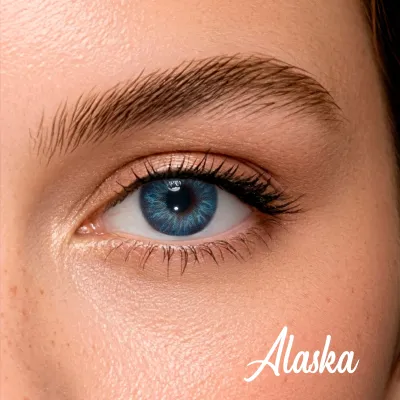
Claro Alaska - Colored Contact Lenses
*{box-sizing:border-box;} .alaska-page{ width:100%; margin:0; padding:0; font-family:Arial,Helvetica,sans-serif; color:#34495e; line-height:…
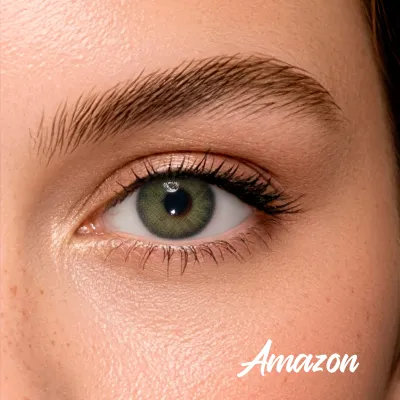
Claro Amazon - Colored Contact Lenses
*{box-sizing:border-box;} .amazon-page{ width:100%; margin:0; padding:0; font-family:Arial,Helvetica,sans-serif; color:#34495e; line-height:…
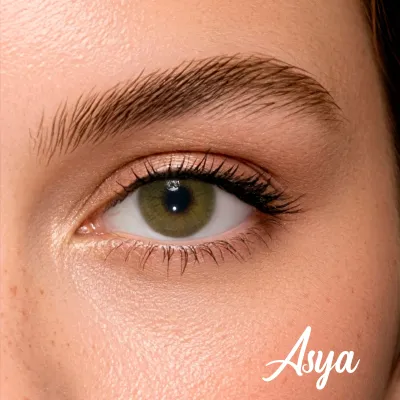
Claro Asya - Colored Contact Lenses
*{box-sizing:border-box;} .asya-page{ width:100%; margin:0; padding:0; font-family:Arial,Helvetica,sans-serif; color:#34495e; line-height:1.…
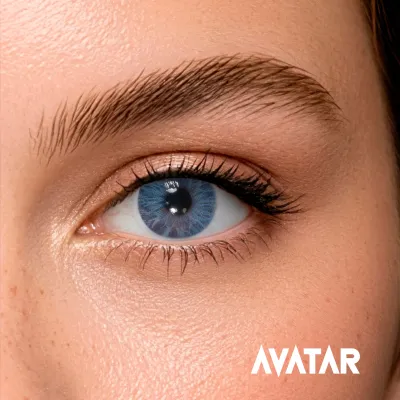
Claro Avatar - Colored Contact Lenses
*{box-sizing:border-box;} .avatar-page{ width:100%; margin:0; padding:0; font-family:Arial,Helvetica,sans-serif; color:#34495e; line-height:…
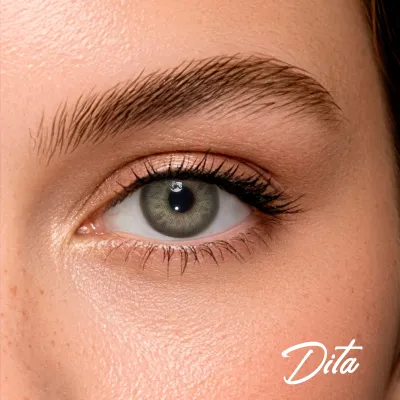
Claro Dita - Colored Contact Lenses
*{box-sizing:border-box;} .dita-page{ width:100%; margin:0; padding:0; font-family:Arial,Helvetica,sans-serif; color:#34495e; line-height:1.…
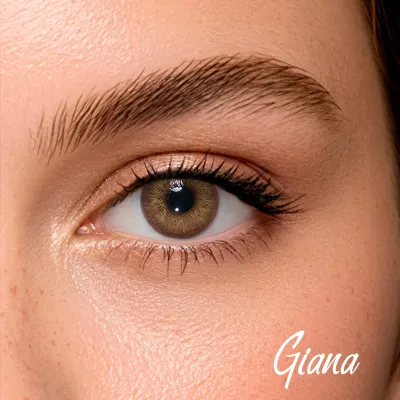
Claro Giana - Colored Contact Lenses
*{box-sizing:border-box;} .giana-page{ width:100%; margin:0; padding:0; font-family:Arial,Helvetica,sans-serif; color:#3b2a1d; line-height:1…
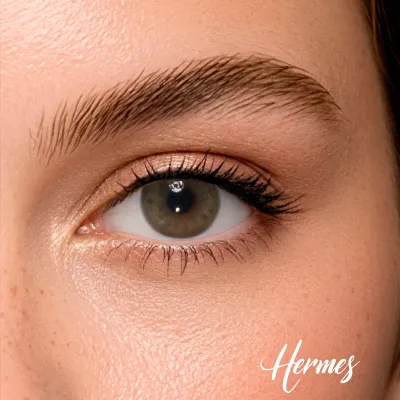
Claro Hermes - Colored Contact Lenses
*{box-sizing:border-box;} .hermes-page{ width:100%; margin:0; padding:0; font-family:Arial,Helvetica,sans-serif; color:#34495e; line-height:…
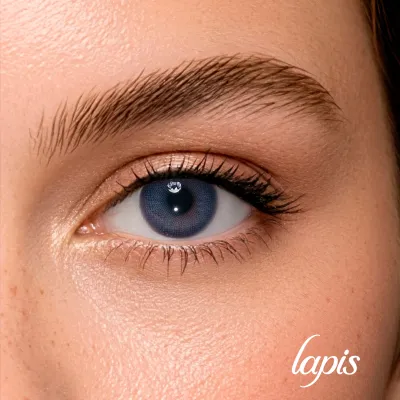
Claro Lapis - Colored Contact Lenses
*{box-sizing:border-box;} .lapis-page{ width:100%; margin:0; padding:0; font-family:Arial,Helvetica,sans-serif; color:#34495e; line-height:1…