



For many, the allure of changing one's eye color is a captivating prospect. Especially for individuals with naturally dark brown eyes, the possibility of exploring new shades—from striking blues and greens to subtle hazel enhancements—can be incredibly exciting. This comprehensive guide delves into the world of non-prescription colored contacts specifically tailored for brown eyes, offering insights into how to safely and effectively achieve your desired aesthetic transformation. We'll cover everything from understanding the product to choosing the perfect shade and ensuring proper care, helping you make informed decisions for a truly stunning gaze.
Understanding Cosmetic Eye Enhancements
Cosmetic contact lenses, often referred to as plano or zero-power lenses, are designed purely for aesthetic purposes. Unlike their corrective counterparts, they do not alter your vision; their sole function is to change or enhance the appearance of your eye color. It's crucial to understand that even without vision correction, these are medical devices that sit directly on your eye. Therefore, their use demands the same level of care and attention to safety as prescription lenses. Reputable products, such as those found in the colored contact lenses category, undergo rigorous testing to ensure they meet health and safety standards.
Key Safety Considerations
The safety of your eyes should always be the top priority. Purchasing cosmetic lenses from unverified sources or using them improperly can lead to serious eye infections, corneal abrasions, or even permanent vision damage. Always ensure that any lenses you consider are approved by relevant health authorities in your region. Look for products that come in sealed, sterile packaging and include clear instructions for use and care. Even if you don't need vision correction, a professional eye examination is highly recommended before using any type of contact lens. An eye care specialist can confirm your eyes are suitable for lenses and provide essential fitting instructions to prevent discomfort or injury.
Differentiating Cosmetic from Corrective Lenses
While both types of lenses sit on the eye, their primary functions differ significantly. Corrective lenses are prescribed by an optometrist or ophthalmologist to correct refractive errors like myopia, hyperopia, or astigmatism. Cosmetic lenses, however, are available without a prescription for vision correction (i.e., they have a 'plano' or '0.00' power). This distinction is vital, as it means anyone can purchase them for aesthetic reasons, but it doesn't negate the need for proper fitting and hygiene. Always verify that the lenses you intend to buy are indeed 'plano' if you do not require vision correction.
Selecting the Ideal Hue for Darker Eyes
Choosing the right shade for brown eyes involves understanding how different colors interact with your natural pigmentation. Darker eyes often require opaque tints to achieve a dramatic color change, while enhancement tints can add depth and vibrancy to your existing brown. The goal is to find a color that complements your skin tone and hair color, creating a harmonious and striking overall look.
Enhancing Natural Brown Tones
For those who love their brown eyes but wish to add more depth, warmth, or a subtle shimmer, enhancement tints are an excellent choice. These lenses typically feature translucent colors like honey, hazel, or light brown, designed to blend with your natural eye color. They can make your brown eyes appear brighter, more defined, or introduce a hint of a different shade without completely altering your natural hue. This option is perfect for a sophisticated, understated transformation.
Achieving a Striking New Look
If your aim is a complete transformation, opaque colored lenses are necessary for brown eyes. These lenses have a solid, non-transparent color layer that completely covers your natural iris. Popular choices include vibrant blues, emerald greens, amethyst purples, and striking grays. When selecting an opaque color, consider how it will contrast with your skin tone and hair. Cooler tones like blue or gray can create a dramatic, captivating effect, while warmer greens or hazel tones might offer a more natural yet distinct change.
Exploring Different Color Palettes
The range of colors available in the Colored Contact Lenses market is vast. Beyond the classic blues and greens, you can find unique shades like sterling gray, brilliant blue, gemstone green, and even amethyst. Some lenses feature intricate patterns and limbal rings (a dark ring around the iris) that can make your eyes appear larger and more defined. Experimenting with different palettes allows you to discover what truly suits your personality and desired aesthetic. Many online retailers offer virtual try-on tools to help visualize the effect before purchasing.
Essential Factors When Choosing Your Lenses
Beyond color, several practical factors play a critical role in ensuring comfort, safety, and satisfaction with your cosmetic lenses. These include the material, brand reputation, and adherence to regulatory standards.
Material and Breathability
The material of the contact lens directly impacts comfort and eye health. Modern lenses are often made from hydrogel or silicone hydrogel, materials known for their high water content and oxygen permeability. Lenses with higher oxygen transmissibility allow more oxygen to reach your cornea, reducing the risk of dryness and irritation. Always check the material specifications and ensure they are suitable for extended wear if that's your intention. Comfort is paramount, so choosing a material that allows your eyes to breathe is crucial.
Reputable Brands and Certifications
When it comes to something as sensitive as your eyes, brand reputation is non-negotiable. Stick to well-known manufacturers and trusted retailers like Opticzade that prioritize product quality and safety. Look for certifications from regulatory bodies such as the FDA (in the US) or CE marking (in Europe), which indicate that the products meet stringent safety and performance standards. These certifications provide an assurance of quality and reduce the risk of encountering counterfeit or unsafe products.
Proper Handling and Care for Cosmetic Lenses
Even if you're only wearing them for special occasions, proper care and handling are non-negotiable for maintaining eye health and extending the life of your lenses. Neglecting hygiene can lead to severe eye infections.
Daily Cleaning and Storage Regimen
Always wash your hands thoroughly with soap and water and dry them with a lint-free towel before touching your lenses. Use only fresh, sterile contact lens solution recommended by an eye care professional for cleaning and rinsing. Never use tap water, saliva, or homemade solutions. After removal, place each lens in its designated compartment in a clean lens case filled with fresh solution. Replace your lens case every three months to prevent bacterial buildup.
Adhering to Wear Schedules
Each type of lens has a recommended wear schedule—daily disposables, two-week, or monthly lenses. Adhere strictly to these guidelines. Overwearing lenses, even non-prescription ones, can lead to oxygen deprivation to the cornea, causing discomfort, redness, and increasing the risk of infection. Never sleep in lenses unless they are specifically designed and approved for overnight wear. Always remove them before swimming or showering to avoid exposing them to harmful microorganisms.
Where to Safely Purchase Quality Cosmetic Lenses
The accessibility of non-prescription colored contacts means they are available from various sources. However, not all sources are equally reliable. Knowing where to buy ensures you receive genuine, safe products.
Identifying Trusted Online Retailers
Online shopping offers convenience and a wider selection. When purchasing from an online retailer, look for a professional website design, clear contact information, transparent return policies, and positive customer reviews. Ensure they only sell products from reputable manufacturers and provide detailed product information, including material, water content, and base curve. Retailers like Opticzade, known for their commitment to quality, are excellent starting points for your search within the Colored Contact Lenses category.
The Importance of Genuine Products
Counterfeit contact lenses are a significant risk. They may not be sterile, could be made from inferior materials, or have incorrect dimensions, leading to severe eye problems. Always verify the authenticity of your lenses. Check for proper packaging, seals, and expiration dates. If a deal seems too good to be true, it probably is. Investing in genuine products from trusted sources is an investment in your eye health.
Common Misconceptions and Facts
There are many myths surrounding cosmetic contact lenses. Separating fact from fiction is crucial for responsible use.
Dispelling Myths About Eye Health
A common misconception is that non-prescription lenses are completely safe because they don't correct vision. The truth is, any contact lens, regardless of its purpose, carries risks if not used correctly. Another myth is that colored lenses block vision; while opaque tints might slightly reduce peripheral vision in some cases, they are designed to allow clear central vision. Proper fit and hygiene are the real determinants of eye health, not the presence or absence of a prescription for vision correction.
Understanding Legal and Safety Standards
In many regions, even non-corrective contact lenses are regulated as medical devices. This means manufacturers must adhere to strict safety and quality standards. Always check if the lenses you are considering comply with these regulations. This ensures that the product has been tested for biocompatibility, sterility, and proper physical characteristics, minimizing risks to your eyes.
Embracing the world of non-prescription colored contacts for brown eyes opens up a realm of exciting possibilities for personal expression. By prioritizing safety, making informed choices about color and brand, and committing to diligent care, you can confidently transform your gaze and enjoy a fresh, captivating look. Remember, your eyes are precious—treat them with the utmost care and always consult with an eye care professional for personalized advice.
Sıkça Sorulan Sorular
Are non-prescription colored contacts safe for everyone?
Do I need a prescription for colored contacts that don't correct vision?
How do I choose the best color to change my brown eyes?
What's the difference between opaque and enhancement tints for colored lenses?
How often should I replace my non-prescription colored lenses?
Konuyla ilgili öne çıkan ürünler
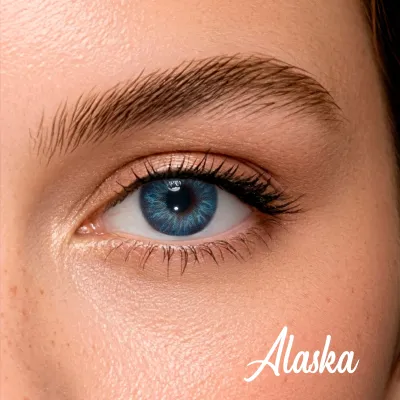
Claro Alaska - Colored Contact Lenses
*{box-sizing:border-box;} .alaska-page{ width:100%; margin:0; padding:0; font-family:Arial,Helvetica,sans-serif; color:#34495e; line-height:…
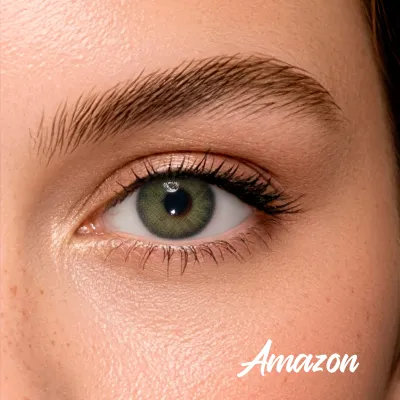
Claro Amazon - Colored Contact Lenses
*{box-sizing:border-box;} .amazon-page{ width:100%; margin:0; padding:0; font-family:Arial,Helvetica,sans-serif; color:#34495e; line-height:…
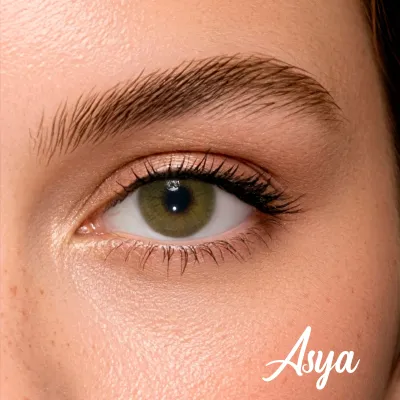
Claro Asya - Colored Contact Lenses
*{box-sizing:border-box;} .asya-page{ width:100%; margin:0; padding:0; font-family:Arial,Helvetica,sans-serif; color:#34495e; line-height:1.…
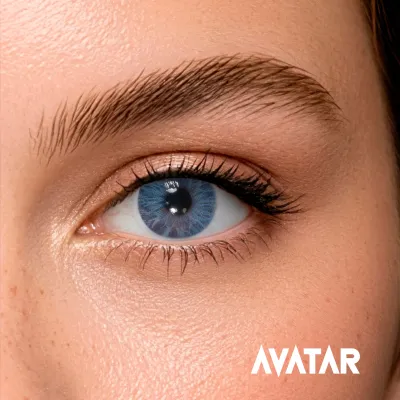
Claro Avatar - Colored Contact Lenses
*{box-sizing:border-box;} .avatar-page{ width:100%; margin:0; padding:0; font-family:Arial,Helvetica,sans-serif; color:#34495e; line-height:…
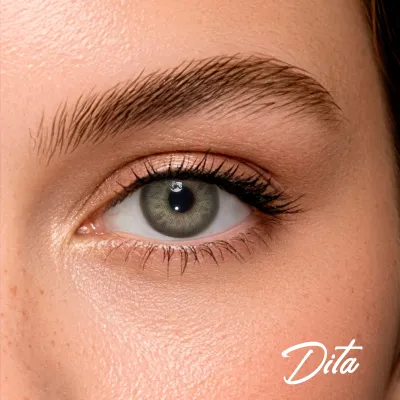
Claro Dita - Colored Contact Lenses
*{box-sizing:border-box;} .dita-page{ width:100%; margin:0; padding:0; font-family:Arial,Helvetica,sans-serif; color:#34495e; line-height:1.…
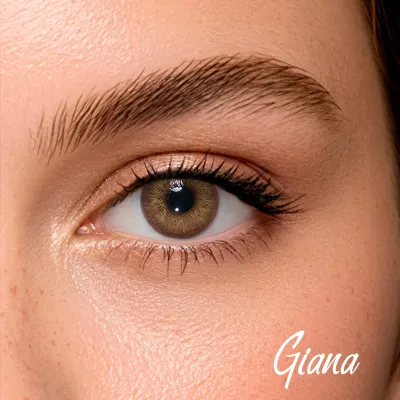
Claro Giana - Colored Contact Lenses
*{box-sizing:border-box;} .giana-page{ width:100%; margin:0; padding:0; font-family:Arial,Helvetica,sans-serif; color:#3b2a1d; line-height:1…
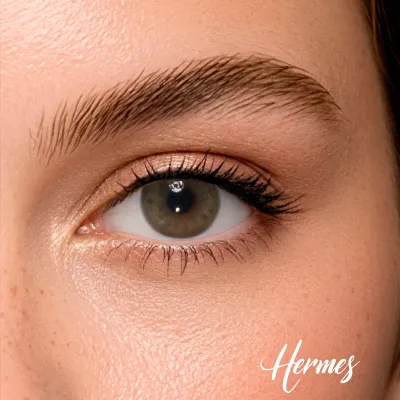
Claro Hermes - Colored Contact Lenses
*{box-sizing:border-box;} .hermes-page{ width:100%; margin:0; padding:0; font-family:Arial,Helvetica,sans-serif; color:#34495e; line-height:…
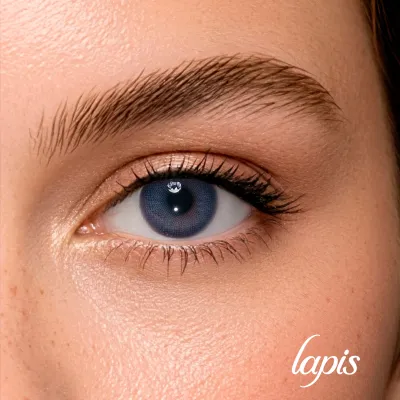
Claro Lapis - Colored Contact Lenses
*{box-sizing:border-box;} .lapis-page{ width:100%; margin:0; padding:0; font-family:Arial,Helvetica,sans-serif; color:#34495e; line-height:1…