



The desire to change or enhance one's eye color has captivated individuals for centuries. In today's world, blue eye contact lenses offer a safe and accessible way to achieve this transformation, whether you're seeking a subtle enhancement or a dramatic new persona. These specialized lenses, part of the broader category of colored contact lenses, allow wearers to experiment with various shades of blue, from a striking sapphire to a soft sky blue, complementing different skin tones and personal styles. This comprehensive guide delves into everything you need to know about selecting, using, and caring for these captivating optical accessories, ensuring both stunning aesthetics and optimal eye health. Understanding the nuances of these products is crucial for a satisfying and safe experience.
The Appeal of Azure Hues for Eye Color
Blue eyes are often associated with depth, clarity, and a certain mystique. For many, the allure of possessing blue eyes is a powerful motivator to explore cosmetic contact lenses. Whether your natural eye color is brown, hazel, green, or even a different shade of blue, these lenses can provide a remarkable change. They offer an instant aesthetic upgrade, perfect for special occasions, costume events, or simply to refresh your everyday appearance. The ability to switch up your look with such ease makes them a popular choice for those who enjoy personal expression through fashion and beauty.
Transforming Your Look with Vivid Tones
The spectrum of blue available in contact lenses is surprisingly vast. You can find lenses that mimic the light, airy feel of a clear sky, the deep, intense shade of the ocean, or the vibrant sparkle of a gemstone. Different designs incorporate varying levels of opacity and patterns to create a natural or more dramatic effect. For instance, some lenses feature a limbal ring, a dark circle around the iris, which can make the eyes appear larger and more defined. Experimenting with these vivid tones allows for endless possibilities in personal style, enabling you to match your eyes to your mood or outfit.
Who Can Benefit from a Change?
Anyone looking to alter their eye color can consider these lenses, provided they have a valid prescription and healthy eyes. Individuals with naturally dark eyes often seek opaque blue lenses to completely cover their original iris color, achieving a striking transformation. Those with lighter eyes might opt for enhancement tints, which subtly deepen or brighten their existing blue or add a blue hue to a different light color. They are also popular among performers, models, and anyone who wants to make a memorable visual impact. However, it's essential to remember that even purely cosmetic lenses are medical devices and require professional fitting.
Navigating the Variety of Tones and Designs
Choosing the right pair involves more than just picking your favorite color. The design and tint type play a significant role in how natural or dramatic the final look will be. Manufacturers employ various technologies to create realistic and comfortable lenses. Understanding these distinctions will help you make an informed decision that aligns with your desired outcome and personal aesthetic. The goal is to find lenses that not only look good but also feel comfortable and appear authentic to your face.
Distinguishing Opaque from Enhancement Tints
Opaque tints are designed to completely change the color of your eyes. They feature a solid, non-transparent color layer that covers your natural iris. These are ideal for individuals with dark eyes who wish to achieve a noticeable blue transformation. Enhancement tints, on the other hand, are translucent. They work by enhancing your natural eye color, adding depth and intensity to lighter eyes, or subtly shifting their hue. They do not completely mask your original color but rather blend with it for a more subtle alteration. Choosing between these depends entirely on the degree of change you desire.
Considering Patterns and Limbal Rings
Beyond the basic color, the pattern printed on the lens significantly impacts its appearance. Some lenses feature intricate patterns that mimic the natural iris, complete with speckles and lines, to create a more realistic look. Others might have simpler, more uniform designs. The limbal ring is another design element to consider. This dark outer ring around the colored portion of the lens can make eyes appear larger, younger, and more defined. Lenses without a limbal ring often offer a softer, more natural transition. Your choice should reflect whether you prefer a bold, doll-like effect or a subtle, natural enhancement.
Essential Considerations for Lens Material and Type
Just like clear corrective lenses, those designed for cosmetic purposes come in various materials and wear schedules. These factors directly influence comfort, eye health, and convenience. Making an informed choice about the type of lens is just as important as selecting the right shade. Prioritizing eye health means understanding the differences between materials and adhering to recommended wear times. Always consult with an eye care professional to determine the best fit for your eyes.
Comparing Daily, Monthly, and Annual Options
contact lenses are available in different replacement schedules: daily disposables, monthly disposables, and less commonly, annual lenses. Daily disposables are worn once and then discarded, offering the highest level of hygiene and convenience, as no cleaning is required. Monthly disposables are worn for up to 30 days, requiring daily cleaning and storage. Annual lenses, designed for extended use, are less common due to higher maintenance demands and increased risk of complications if not cared for meticulously. Your lifestyle, budget, and eye care professional's recommendation will guide your choice of wear schedule.
Understanding Hydrogel and Silicone Hydrogel
The material of the contact lens is crucial for comfort and eye health, particularly oxygen permeability. Hydrogel lenses are made from water-absorbing plastics that allow oxygen to pass through to the cornea. They are generally comfortable and have been around for a long time. Silicone hydrogel lenses are a newer generation material that allows significantly more oxygen to reach the eye compared to traditional hydrogels. This increased oxygen flow can lead to greater comfort, especially for extended wear, and better overall eye health. For those prone to dry eyes or who wear lenses for long hours, silicone hydrogel options are often recommended.
Best Practices for Hygiene and Eye Health
Wearing any type of contact lens, including those for cosmetic purposes, demands strict adherence to hygiene protocols. Improper care can lead to serious eye infections, irritation, and even permanent damage. Prioritizing eye health should always be paramount. Following recommended guidelines ensures that your experience with eye color enhancement remains both beautiful and safe. Never compromise on hygiene for the sake of aesthetics.
Crucial Steps for Lens Care and Maintenance
For reusable lenses (monthly, annual), proper cleaning and storage are non-negotiable. Always wash your hands thoroughly with soap and water and dry them with a lint-free towel before handling your lenses. Use only fresh, sterile contact lens solution recommended by your eye care professional; never use tap water or saliva. Rub and rinse your lenses as directed before placing them in a clean lens case filled with fresh solution. Replace your lens case every three months to prevent bacterial buildup. For daily disposables, simply discard them after each use and open a new pair the next day.
Recognizing and Avoiding Potential Risks
The most significant risks associated with contact lens wear stem from improper use, poor hygiene, and wearing lenses for too long. These can lead to conditions like corneal ulcers, conjunctivitis, and other infections. Never share your lenses with anyone, as this can transmit bacteria and viruses. Avoid sleeping in lenses unless they are specifically approved for extended wear. If you experience any redness, pain, blurred vision, or excessive tearing, remove your lenses immediately and consult an eye care professional. Regular eye exams are vital to ensure your eyes remain healthy enough for lens wear.
Finding Quality Products and Trusted Suppliers
The market for colored contact lenses is vast, but not all products or suppliers are created equal. To ensure safety and quality, it is critical to purchase your lenses from reputable sources. This is where a trusted retailer like Opticzade plays a vital role, offering a curated selection of high-quality products. Always prioritize your eye health by making informed choices about where and what you buy. Counterfeit or unregulated lenses can pose significant health risks.
The Importance of a Valid Prescription
In many regions, including the United States and Europe, all contact lenses, whether corrective or purely cosmetic, are classified as medical devices and require a valid prescription from an eye care professional. This prescription ensures that the lenses are properly fitted to your eye's curvature and diameter, minimizing discomfort and potential complications. An eye exam also checks for underlying conditions that might make contact lens wear unsafe. Purchasing lenses without a prescription is illegal and highly risky for your eye health.
Identifying Reliable Brands and Retailers
When shopping for blue eye contact lenses, look for well-known brands that have a proven track record of safety and quality. Reputable retailers, such as Opticzade, will always require a valid prescription and offer lenses from certified manufacturers. They will also provide clear instructions for use and care, and have customer service available to answer your questions. Be wary of unauthorized sellers, street vendors, or websites that do not require a prescription, as these sources often sell substandard or counterfeit products that can severely harm your eyes.
Addressing Frequent Inquiries About Cosmetic Lenses
Many first-time wearers or those considering a change have common questions about the practical aspects of using colored contact lenses. Understanding these points can alleviate concerns and help you feel more confident in your decision to explore blue eye contact lenses. From comfort to vision, knowing what to expect is key to a positive experience. This section aims to provide clear and concise answers to common queries.
Are They Comfortable for Extended Wear?
Modern blue eye contact lenses are designed with comfort in mind, often utilizing advanced materials like silicone hydrogel that allow for high oxygen permeability. Most wearers find them comfortable for several hours. However, individual comfort can vary based on eye sensitivity, environmental factors (like dry air), and the specific lens material and fit. It's crucial to follow the recommended wear schedule and never exceed the maximum daily wear time. If you experience persistent discomfort, consult your eye care professional.
Do They Affect Vision Quality?
For most people, blue eye contact lenses do not significantly affect vision quality. The colored portion of the lens is designed to cover only the iris, leaving the pupil (the center of your eye through which you see) clear. However, in dimly lit environments, your pupil may dilate larger than the clear central zone of the lens, potentially causing a slight blurring or a halo effect around lights. Some individuals might also notice a subtle difference in color perception, especially in their peripheral vision. These effects are generally minimal and most wearers adapt quickly.
Embracing blue eye contact lenses can be a fun and exciting way to express your individuality and enhance your appearance. By prioritizing safety, understanding the different types available, and committing to proper care, you can enjoy the stunning transformation they offer. Always remember that a professional eye examination and a valid prescription are the cornerstones of a safe and satisfying experience. With the right approach, your journey into the world of azure eyes will be both beautiful and healthy.
Sıkça Sorulan Sorular
Are blue eye contact lenses safe to wear?
Do I need a prescription for blue eye contact lenses?
How do I choose the right shade of blue?
How long can I wear blue eye contact lenses?
Can people with dark eyes achieve a vibrant blue look?
Konuyla ilgili öne çıkan ürünler
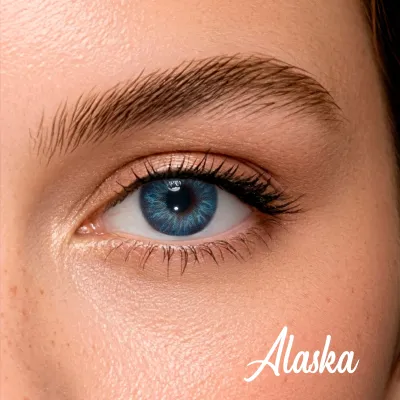
Claro Alaska - Colored Contact Lenses
*{box-sizing:border-box;} .alaska-page{ width:100%; margin:0; padding:0; font-family:Arial,Helvetica,sans-serif; color:#34495e; line-height:…
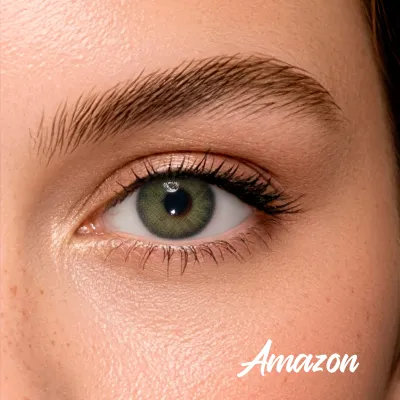
Claro Amazon - Colored Contact Lenses
*{box-sizing:border-box;} .amazon-page{ width:100%; margin:0; padding:0; font-family:Arial,Helvetica,sans-serif; color:#34495e; line-height:…
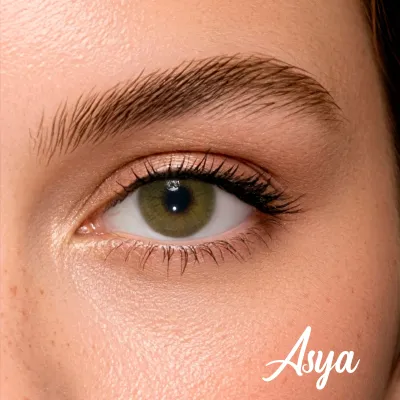
Claro Asya - Colored Contact Lenses
*{box-sizing:border-box;} .asya-page{ width:100%; margin:0; padding:0; font-family:Arial,Helvetica,sans-serif; color:#34495e; line-height:1.…
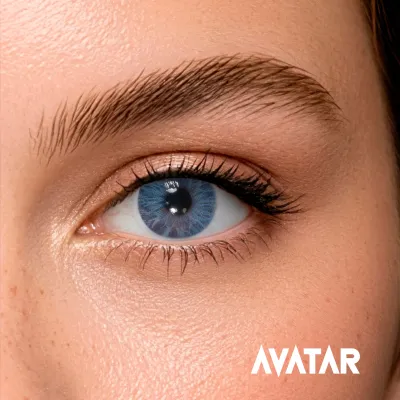
Claro Avatar - Colored Contact Lenses
*{box-sizing:border-box;} .avatar-page{ width:100%; margin:0; padding:0; font-family:Arial,Helvetica,sans-serif; color:#34495e; line-height:…
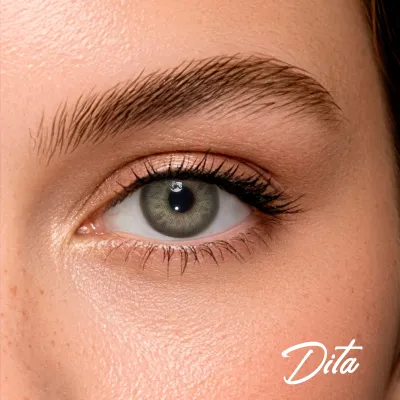
Claro Dita - Colored Contact Lenses
*{box-sizing:border-box;} .dita-page{ width:100%; margin:0; padding:0; font-family:Arial,Helvetica,sans-serif; color:#34495e; line-height:1.…
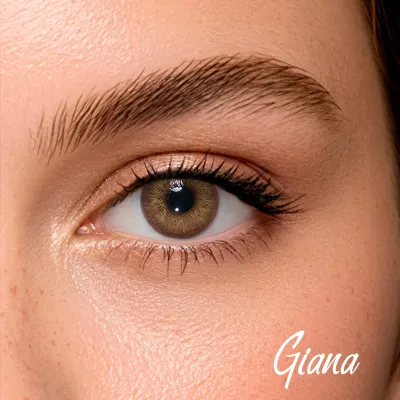
Claro Giana - Colored Contact Lenses
*{box-sizing:border-box;} .giana-page{ width:100%; margin:0; padding:0; font-family:Arial,Helvetica,sans-serif; color:#3b2a1d; line-height:1…
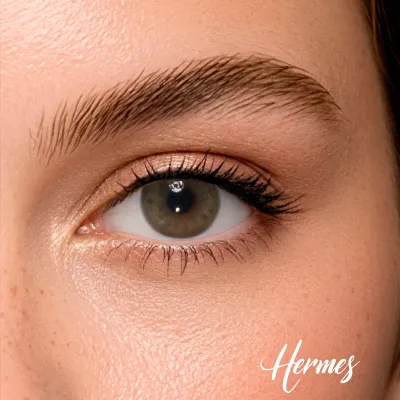
Claro Hermes - Colored Contact Lenses
*{box-sizing:border-box;} .hermes-page{ width:100%; margin:0; padding:0; font-family:Arial,Helvetica,sans-serif; color:#34495e; line-height:…
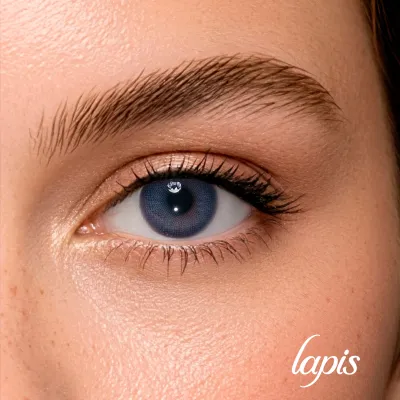
Claro Lapis - Colored Contact Lenses
*{box-sizing:border-box;} .lapis-page{ width:100%; margin:0; padding:0; font-family:Arial,Helvetica,sans-serif; color:#34495e; line-height:1…