



In a world where personal expression is paramount, the desire to subtly or dramatically alter one's appearance has led to innovations in various beauty and fashion domains. Among these, the realm of eye aesthetics offers a captivating opportunity: the ability to change your eye color. This comprehensive guide delves into the fascinating world of colored contact lenses, exploring their appeal, types, safety considerations, and how to choose the perfect pair to complement your unique style. Whether you're seeking a vibrant transformation for a special occasion or a subtle enhancement for everyday wear, understanding the nuances of these cosmetic devices is crucial for a safe and satisfying experience.
Exploring the Appeal of Cosmetic Eye Enhancements
The allure of altering one's eye color is deeply rooted in personal aesthetics and the desire for self-expression. For centuries, eyes have been considered windows to the soul, and their color often carries cultural and personal significance. Modern technology now allows individuals to explore different facets of their identity or simply experiment with a new look without permanent commitment. This section examines the motivations behind choosing eye color-changing lenses and their broader impact.
Why Individuals Choose to Alter Their Eye Shade
People opt for eye color modification for a myriad of reasons. Some are driven by curiosity, wanting to see how they would look with a different eye color, perhaps one they've always admired. Others use them to enhance their natural eye color, making it appear more vibrant or adding subtle depth. For special events, costumes, or theatrical performances, these lenses can be a transformative accessory, completing a desired persona. Furthermore, individuals with certain eye conditions, such as aniridia (absence of the iris) or iris heterochromia (different colored eyes), might use custom-tinted lenses for therapeutic or cosmetic symmetry, though this falls under specialized medical applications and requires strict professional guidance.
The psychological impact of changing one's eye color can be significant. A new eye color can boost confidence, make one feel more adventurous, or even align better with a particular fashion sense or mood. It's a non-permanent way to reinvent oneself, offering flexibility and freedom in personal presentation. The ability to switch between different shades allows for versatility, enabling individuals to match their eyes to their outfit, their makeup, or even their seasonal preferences.
Selecting the Right Hue for Your Gaze
Choosing the perfect shade of colored contact lenses involves more than just picking a color you like. It requires considering various factors to ensure the final look is natural, flattering, and achieves your desired aesthetic. This process can be exciting, but a thoughtful approach will yield the best results.
Matching Lenses to Skin Tone and Hair Color
To achieve a harmonious look, it's often recommended to consider your skin tone and hair color. For those with cool undertones (pink, red, or blue hues in their skin), cool-toned eye colors like blue, gray, or violet can be particularly striking. Warm undertones (yellow, peach, or golden hues) often pair beautifully with warm-toned lenses such as hazel, brown, or green. Similarly, hair color plays a role; lighter hair shades might be complemented by lighter eye colors, while darker hair can create a dramatic contrast with brighter lenses or blend seamlessly with deeper tones.
Considering Your Natural Eye Pigmentation
Your natural eye color is perhaps the most critical factor. If you have light eyes, enhancement tints can subtly intensify your existing shade or add a hint of a new color, creating a very natural effect. For those with dark eyes, opaque lenses are usually necessary to achieve a noticeable change. These lenses have a solid color that completely covers your natural iris. Experimenting with different shades within your natural color family (e.g., a lighter blue for blue eyes, a richer brown for brown eyes) can provide a subtle yet impactful transformation. Conversely, choosing a dramatically different color (e.g., bright blue for dark brown eyes) will create a more striking and noticeable alteration.
Understanding Different Lens Opacities and Designs
Colored contact lenses come in various designs and opacities, each offering a distinct effect. Understanding these differences is key to selecting the right type for your desired outcome, from a subtle shimmer to a complete transformation.
Opaque Lenses for Dramatic Changes
Opaque colored contact lenses are designed to completely mask your natural eye color. They feature a solid, non-transparent color layer that covers the iris, making them ideal for individuals with dark eyes who wish to achieve a significant color change, such as going from dark brown to light blue or vibrant green. These lenses are also popular for costume wear or creating bold, fashion-forward statements. The pupil area remains clear to ensure unobstructed vision.
Enhancement Tints for Subtle Alterations
Enhancement tint lenses are semi-transparent and are designed to intensify or subtly alter your natural eye color. They work best on light-colored eyes, adding depth, brightness, or a hint of a new shade without completely obscuring the original color. For example, a blue enhancement tint on light blue eyes can make them appear more vivid, or a green tint can add a subtle emerald hue. These lenses are perfect for those seeking a natural-looking upgrade rather than a dramatic transformation.
Daily Versus Extended Wear Options
Like regular corrective contact lenses, colored varieties are available in different wear schedules. Daily disposable colored lenses offer the ultimate convenience and hygiene; you wear them once and discard them at the end of the day. This eliminates the need for cleaning and storage solutions, reducing the risk of infection. Monthly or bi-weekly colored lenses are designed for extended use, requiring daily cleaning, disinfection, and proper storage. While more economical in the long run, they demand a higher commitment to care routines to maintain eye health.
Essential Safety and Care Guidelines for eye lenses
While colored contact lenses offer an exciting way to change your look, they are medical devices that sit directly on your eye. Therefore, proper safety and care are paramount to prevent eye infections, irritation, and potential vision problems. Adhering to professional guidance and diligent hygiene is non-negotiable.
The Importance of Professional Eye Examinations
Before purchasing any type of contact lens, including purely cosmetic ones, a comprehensive eye examination by a qualified optometrist or ophthalmologist is essential. An eye care professional will assess your eye health, measure your eye's curvature and diameter to ensure a proper fit, and provide a valid prescription. Ill-fitting lenses can cause discomfort, corneal abrasions, oxygen deprivation to the eye, and even permanent damage. Never buy lenses from unauthorized sources or without a prescription, as this poses significant health risks.
Proper Handling and Cleaning Techniques
Maintaining impeccable hygiene is crucial. Always wash your hands thoroughly with soap and water and dry them with a lint-free towel before handling your lenses. Use only fresh, sterile contact lens solution recommended by your eye care professional for cleaning, rinsing, and storing. Never use tap water, saliva, or homemade solutions, as these can introduce harmful microorganisms. Rub and rinse your lenses as directed, and replace your lens case every three months to prevent bacterial buildup. Adhere strictly to the recommended wearing schedule; never wear daily disposables for more than one day or extend the life of monthly lenses.
Recognizing Signs of Eye Irritation
It's vital to be aware of potential signs of eye irritation or infection. If you experience redness, persistent discomfort, excessive tearing, discharge, sensitivity to light, or blurred vision while wearing your lenses, remove them immediately. Consult your eye care professional without delay. Ignoring these symptoms can lead to serious eye conditions, including corneal ulcers, which can permanently impair vision. Prioritizing your eye health should always take precedence over cosmetic desires.
Where to Acquire Quality Eye Color Modifying Lenses
Once you have your prescription, the next step is finding a reliable source for your colored contact lenses. The market offers various options, from brick-and-mortar opticians to online retailers. Making an informed choice ensures you receive authentic, safe, and high-quality products.
Navigating Online Retailers and Opticians
Many consumers find convenience in purchasing colored contact lenses from online retailers. These platforms often offer a wider selection of brands, colors, and designs, sometimes at competitive prices. However, it's crucial to verify that the online store requires a valid prescription and is an authorized distributor of reputable brands. Purchasing from unverified sources can lead to receiving counterfeit or substandard lenses that may not meet safety standards and could harm your eyes. Traditional opticians and eye care clinics also stock a range of colored lenses and offer the added benefit of personalized fitting advice and immediate professional support.
Key Factors in Choosing a Reputable Supplier
When selecting a supplier, whether online or in-person, prioritize those that require a valid prescription. Look for certifications or affiliations with professional optical associations. Read customer reviews and check for transparent return policies. A reputable supplier will also provide clear instructions on lens care and usage, and offer customer service for any queries or concerns. Focus on brands known for their quality, comfort, and safety, such as those made from breathable materials that allow sufficient oxygen to reach the cornea. Always ensure the packaging is sealed and tamper-proof upon receipt.
Addressing Common Concerns About Eye Color Transformation
Despite their popularity, many myths and concerns surround the use of colored contact lenses. Addressing these can help potential users make informed decisions and alleviate anxieties.
Dispelling Myths About Vision Impairment
A common misconception is that colored contact lenses can impair vision. When properly fitted and prescribed by an eye care professional, and used according to instructions, colored lenses should not negatively affect your vision. The colored portion of the lens covers the iris, while the pupil area, through which you see, remains clear. However, in low light conditions, your pupil may dilate larger than the clear central area of the lens, potentially causing a slight halo effect or reduced peripheral vision. This is usually minor and temporary. It's crucial to remember that any vision issues indicate an ill-fitting lens or a potential eye problem requiring immediate professional attention.
Ensuring Comfort and Breathability
Modern colored contact lenses are designed with comfort in mind, often made from advanced hydrogel or silicone hydrogel materials that allow oxygen to pass through to the cornea. This breathability is essential for maintaining eye health and comfort throughout the wearing period. However, individual tolerance varies. Some people may find certain brands or materials more comfortable than others. If you experience persistent dryness, irritation, or a gritty sensation, your lenses might not be suitable for your eyes, or you might need to adjust your wearing schedule. Discuss any discomfort with your eye care specialist, who can recommend alternative brands or types of lenses, or suggest rewetting drops.
In conclusion, colored contact lenses offer a versatile and exciting way to enhance or transform your appearance. By prioritizing eye health through professional consultations, adhering to strict hygiene practices, and choosing reputable suppliers, you can enjoy the aesthetic benefits safely and confidently. Embrace the opportunity to express your unique style and discover a new dimension of personal beauty with the perfect pair of eye color modifying lenses.
Sıkça Sorulan Sorular
Are colored contact lenses safe to wear?
Do I need a prescription for purely cosmetic colored contact lenses?
How do I choose the best color for my eyes and skin tone?
What is the difference between opaque and enhancement tint colored lenses?
Can colored contact lenses impair my vision?
Konuyla ilgili öne çıkan ürünler
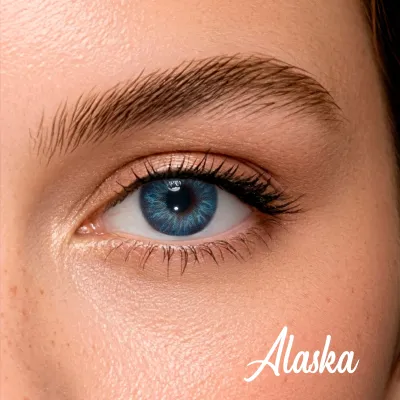
Claro Alaska - Colored Contact Lenses
*{box-sizing:border-box;} .alaska-page{ width:100%; margin:0; padding:0; font-family:Arial,Helvetica,sans-serif; color:#34495e; line-height:…
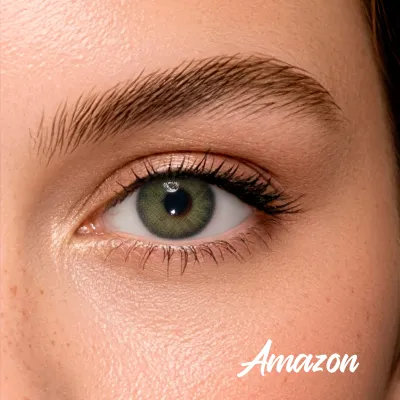
Claro Amazon - Colored Contact Lenses
*{box-sizing:border-box;} .amazon-page{ width:100%; margin:0; padding:0; font-family:Arial,Helvetica,sans-serif; color:#34495e; line-height:…
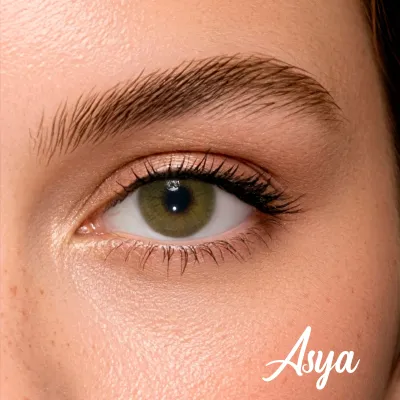
Claro Asya - Colored Contact Lenses
*{box-sizing:border-box;} .asya-page{ width:100%; margin:0; padding:0; font-family:Arial,Helvetica,sans-serif; color:#34495e; line-height:1.…
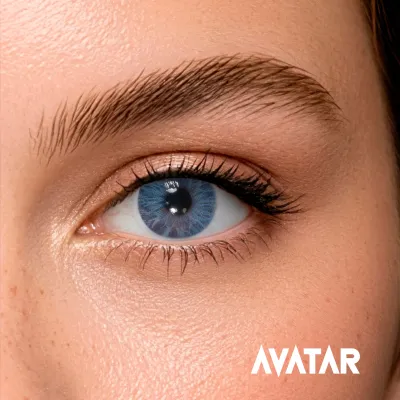
Claro Avatar - Colored Contact Lenses
*{box-sizing:border-box;} .avatar-page{ width:100%; margin:0; padding:0; font-family:Arial,Helvetica,sans-serif; color:#34495e; line-height:…
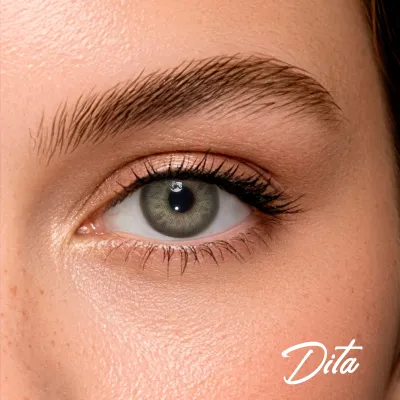
Claro Dita - Colored Contact Lenses
*{box-sizing:border-box;} .dita-page{ width:100%; margin:0; padding:0; font-family:Arial,Helvetica,sans-serif; color:#34495e; line-height:1.…
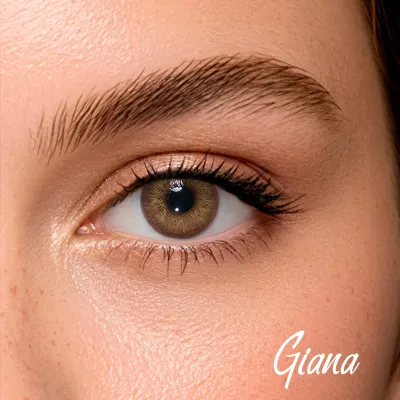
Claro Giana - Colored Contact Lenses
*{box-sizing:border-box;} .giana-page{ width:100%; margin:0; padding:0; font-family:Arial,Helvetica,sans-serif; color:#3b2a1d; line-height:1…
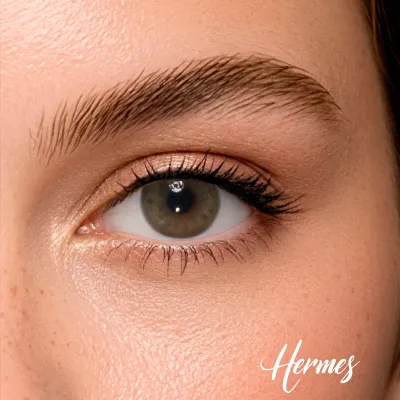
Claro Hermes - Colored Contact Lenses
*{box-sizing:border-box;} .hermes-page{ width:100%; margin:0; padding:0; font-family:Arial,Helvetica,sans-serif; color:#34495e; line-height:…
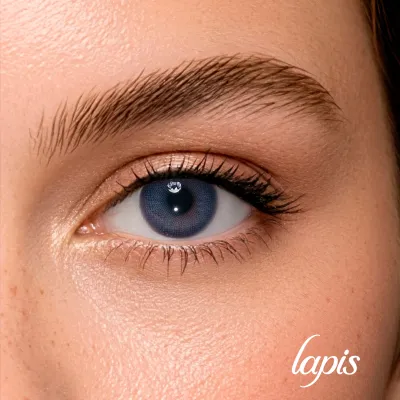
Claro Lapis - Colored Contact Lenses
*{box-sizing:border-box;} .lapis-page{ width:100%; margin:0; padding:0; font-family:Arial,Helvetica,sans-serif; color:#34495e; line-height:1…