



The allure of dramatically altering your eye appearance with white contact lenses is undeniable, especially for costumes, theatrical performances, or unique fashion statements. However, navigating the market for these specialized opaque lenses requires careful consideration of safety, quality, and legal requirements. This comprehensive guide will help you understand the different varieties available, prioritize your eye health, and find reputable suppliers, whether you prefer local retailers or trusted online platforms. We aim to equip you with the knowledge to make an informed and safe purchase, ensuring your vision remains protected while achieving your desired aesthetic.
Exploring Opaque Cosmetic Lens Varieties
White contact lenses fall under the broader category of colored contact lenses, specifically designed for maximum opacity to completely transform your natural eye color. These are distinct from enhancing tints, which merely deepen or subtly alter your existing eye color. Opaque lenses, particularly white ones, are engineered to cover the iris entirely, or even the entire visible part of the eye, known as the sclera, for a truly striking effect. Understanding the different types is crucial for choosing the right lens for your needs and ensuring comfort and safety.
Full Sclera vs. Iris-Only Designs
- Iris-Only Opaque Lenses: These are the most common type, designed to cover only the iris, the colored part of your eye. They come in various white patterns, from solid white to designs with a black limbal ring for added definition. They are generally easier to insert and remove than sclera lenses and offer a significant visual impact without covering the entire eye.
- Mini Sclera Lenses: A bridge between iris-only and full sclera, mini sclera lenses extend slightly beyond the iris, covering a small portion of the white of your eye. They offer a more dramatic effect than standard opaque lenses but are less intrusive than full sclera options.
- Full Sclera Lenses: These lenses are much larger, covering the entire visible surface of the eye, including the iris and the white sclera. They create the most extreme visual transformation, often seen in special effects, horror costumes, or avant-garde fashion. Due to their size, full sclera lenses require specialized fitting and careful handling.
Material Differences and Breathability
Like regular contact lenses, white cosmetic lenses are made from various materials, primarily hydrogel or silicone hydrogel. Silicone hydrogel lenses generally offer higher oxygen permeability, which is vital for maintaining eye health, especially during extended wear. However, opaque lenses, by their nature, can sometimes reduce oxygen flow to the cornea more than clear lenses due to the pigments used. Always check the material specifications and ensure the lenses allow sufficient oxygen to pass through, as prolonged oxygen deprivation can lead to serious eye complications.
Ensuring Eye Safety with Theatrical Eyewear
While the aesthetic appeal of white contact lenses is powerful, your eye health must always be the top priority. Cosmetic contact lenses, including those for theatrical or special effects purposes, are medical devices and should be treated with the same care and respect as corrective lenses. Misuse or improper purchase can lead to severe eye infections, corneal abrasions, vision loss, and other irreversible damage. Adhering to strict safety guidelines is non-negotiable for anyone considering these types of lenses.
The Importance of Professional Eye Examinations
Before purchasing any contact lenses, including non-corrective cosmetic ones, a comprehensive eye examination by a licensed eye care professional (optometrist or ophthalmologist) is absolutely essential. An eye doctor will not only assess your overall eye health but also measure your eye's curvature (base curve) and diameter. These measurements are crucial for ensuring the lenses fit properly. Ill-fitting lenses can cause discomfort, blurry vision, corneal scratches, and even oxygen deprivation, regardless of whether they have a prescription power or not. Never buy lenses from a source that does not require a valid prescription from an eye care professional.
Recognizing and Avoiding Counterfeit Products
The market, particularly online, can be flooded with unregulated or counterfeit contact lenses. These products often lack proper sterilization, are made from unsafe materials, or have inaccurate base curve measurements, posing significant risks to your eyes. Be wary of extremely low prices, packaging without proper labeling, or sellers who do not request a prescription. Always purchase from reputable sources that adhere to strict manufacturing and safety standards. If a deal seems too good to be true, it likely is, and your eye health is not worth the risk.
Locating Reputable Suppliers for Specialty Lenses
Finding white contact lenses near you or through reliable online channels requires diligence. The key is to prioritize suppliers who operate legally, require a valid prescription, and offer high-quality, FDA-approved (or equivalent regulatory body approved) products. Both local and online options have their advantages, and understanding these can help you make the best choice for your needs.
Benefits of Local Opticians and Eye Care Centers
Purchasing from a local optician or eye care center offers several distinct advantages. Firstly, you can receive personalized fitting and guidance directly from an eye care professional. They can ensure the lenses fit correctly, provide instructions on insertion, removal, and care, and answer any questions you might have. This hands-on approach is invaluable, especially for first-time users or those considering full sclera lenses. Many local optical shops carry a selection of colored contact lenses, and while they might not always have white lenses in stock, they can often order them for you from trusted distributors. This also provides an immediate point of contact should any issues arise.
Choosing Trusted Online Retailers
Online retailers offer convenience and often a wider selection of specialized white contact lenses, including various designs and brands. When opting for online purchases, it's paramount to choose highly reputable websites that are certified and require you to upload or verify your prescription. Look for sites with clear return policies, customer service, and positive reviews regarding product authenticity and safety. Avoid marketplaces or individual sellers who do not adhere to medical device regulations. Some well-known optical retailers also have online storefronts, providing a hybrid option of trust and convenience.
Making an Informed Selection: Style, Comfort, and Prescription
Once you've identified reputable sources, the next step is to select the perfect pair of white contact lenses. This involves considering not just the aesthetic style but also ensuring the lenses are comfortable and align with your prescription details, even if you don't require vision correction. A thoughtful selection process will enhance your experience and protect your eyes.
Matching Lens Appearance to Your Vision
White contact lenses come in a myriad of styles, from solid, stark white to intricate patterns, UV-reactive options, or designs that mimic specific character eyes. Consider the overall effect you want to achieve. For a truly unsettling or dramatic look, a solid opaque white might be ideal. If you're aiming for a more subtle, yet striking, effect, lenses with a defined limbal ring or a slight pattern might be more suitable. Remember that the color and pattern of your natural iris will influence how the white lens appears, so consult with your eye care professional or the retailer for advice if possible.
Understanding Base Curve and Diameter
Even for plano (non-corrective) white contact lenses, the base curve (BC) and diameter (DIA) are critical measurements. The base curve refers to the curvature of the back surface of the lens, which must match the curvature of your cornea for a comfortable and safe fit. The diameter is the width of the lens. Lenses that are too flat or too steep, or too large or too small, can cause discomfort, restrict oxygen flow, or even damage your cornea. These measurements are obtained during your eye exam and are part of your contact lens prescription. Always ensure the lenses you purchase precisely match these specifications.
Maintaining Your Lenses: Hygiene and Storage Practices
Proper care and maintenance are paramount for all contact lenses, especially for colored and theatrical varieties which might be worn less frequently but still require rigorous hygiene. Neglecting care instructions can lead to serious eye infections and complications. Establishing a strict routine for cleaning and storage will extend the life of your lenses and, more importantly, safeguard your eye health.
Daily Cleaning Routines for Longevity
Every time you remove your white contact lenses, they must be cleaned thoroughly. This involves placing a lens in the palm of your hand, adding a few drops of fresh, sterile contact lens solution (never tap water or saliva), and gently rubbing it with your finger for about 10-20 seconds. This physical rubbing action helps to remove protein deposits, debris, and microorganisms that accumulate during wear. After rubbing, rinse the lens thoroughly with more fresh solution before placing it in a clean lens case filled with fresh solution. Always use a multi-purpose solution recommended by your eye care professional.
Proper Storage Solutions and Replacement Schedules
Your contact lens case should be cleaned regularly and replaced every three months to prevent bacterial buildup. Always store your lenses in a fresh, sterile contact lens solution, ensuring the case is tightly sealed. Never 'top off' old solution with new; always discard the old solution and refill with fresh. Adhere strictly to the replacement schedule recommended by the manufacturer and your eye care professional. Whether your white contact lenses are daily disposables, bi-weekly, or monthly, replacing them on time is crucial, as lenses degrade over time and can accumulate deposits, increasing the risk of infection and discomfort. Even if you wear them infrequently, the replacement schedule starts from the day you open the blister pack.
Navigating Legalities and Prescription Necessities
The sale of contact lenses, including cosmetic and theatrical varieties, is strictly regulated in many parts of the world, including the United States, Canada, the UK, and the European Union. These regulations are in place to protect public health and ensure that consumers receive safe, properly fitted medical devices. Understanding these legal requirements is a critical part of a responsible purchase.
The Requirement for a Valid Prescription
In many countries, including the United States (under the Fairness to Contact Lens Consumers Act), it is illegal to sell contact lenses, even plano (non-corrective) ones, without a valid prescription from a licensed eye care professional. This means that any retailer, whether online or brick-and-mortar, that sells you contact lenses without verifying a prescription is operating illegally and potentially endangering your eye health. Your prescription will include not only your vision correction (if any) but also the essential base curve and diameter measurements that ensure a proper fit. Insist on providing a prescription and be wary of any seller who does not ask for one.
Understanding FDA and Local Regulations
In the U.S., contact lenses are regulated by the Food and Drug Administration (FDA) as medical devices. This means they must meet specific safety and efficacy standards before they can be sold to the public. Similar regulatory bodies exist in other regions (e.g., CE mark in Europe). When purchasing white contact lenses, ensure they are FDA-approved or bear the equivalent certification from your local regulatory authority. This certification indicates that the lenses have undergone rigorous testing and are deemed safe for use when properly fitted and cared for. Purchasing unapproved lenses from unregulated sources bypasses these crucial safety checks and puts your vision at severe risk.
Investment in Quality: Pricing and Value Factors
The cost of white contact lenses can vary significantly depending on the type, brand, material, and where you purchase them. While it's natural to seek a good deal, prioritizing the lowest price above all else can be a dangerous approach when it comes to medical devices that directly impact your eyes. Understanding what influences pricing and recognizing the true value of quality and safety is key to a wise investment.
What Influences Cosmetic Lens Pricing
Several factors contribute to the price of white contact lenses. Generally, full sclera lenses are more expensive than iris-only designs due to their larger size and more complex manufacturing process. Brand reputation also plays a significant role; well-established brands that invest in research, development, and stringent quality control often have higher prices, which reflect their commitment to safety and performance. The material used, especially advanced silicone hydrogel for better breathability, can also increase the cost. Furthermore, the point of purchase matters: local opticians might have slightly higher prices due to personalized service and overheads, while large online retailers might offer competitive pricing due to volume. However, always compare prices from reputable sources only.
Long-Term Value of Reputable Brands
While the initial outlay for high-quality, FDA-approved white contact lenses from a reputable brand might seem higher, consider the long-term value. Investing in quality lenses significantly reduces the risk of eye infections, discomfort, and potential vision damage that can result from cheap, unregulated products. The cost of treating a severe eye infection can far outweigh any initial savings from purchasing unsafe lenses. Reputable brands also typically offer better comfort, clearer vision (even in plano lenses), and consistent quality, leading to a much more positive and safer experience. Think of it as an investment in your eye health and overall well-being. Always remember that when it comes to your eyes, compromise on quality is never an option.
Sıkça Sorulan Sorular
Do I need a prescription for white contact lenses, even if they don't correct my vision?
What are the main differences between iris-only and full sclera white contact lenses?
How can I ensure I'm buying safe and legitimate white contact lenses?
What are the most important care steps for white contact lenses?
Can white contact lenses cause permanent eye damage?
Konuyla ilgili öne çıkan ürünler
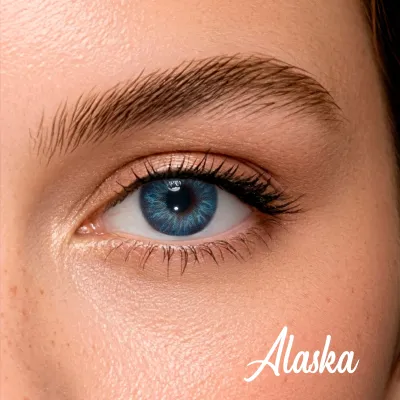
Claro Alaska - Colored Contact Lenses
*{box-sizing:border-box;} .alaska-page{ width:100%; margin:0; padding:0; font-family:Arial,Helvetica,sans-serif; color:#34495e; line-height:…
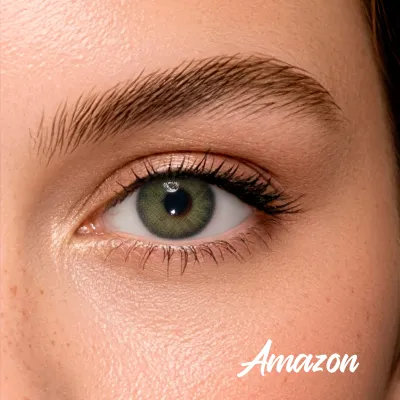
Claro Amazon - Colored Contact Lenses
*{box-sizing:border-box;} .amazon-page{ width:100%; margin:0; padding:0; font-family:Arial,Helvetica,sans-serif; color:#34495e; line-height:…
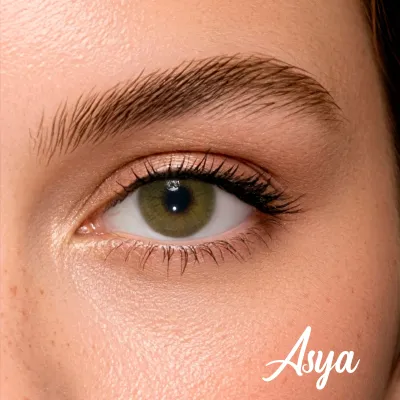
Claro Asya - Colored Contact Lenses
*{box-sizing:border-box;} .asya-page{ width:100%; margin:0; padding:0; font-family:Arial,Helvetica,sans-serif; color:#34495e; line-height:1.…

Claro Avatar - Colored Contact Lenses
*{box-sizing:border-box;} .avatar-page{ width:100%; margin:0; padding:0; font-family:Arial,Helvetica,sans-serif; color:#34495e; line-height:…
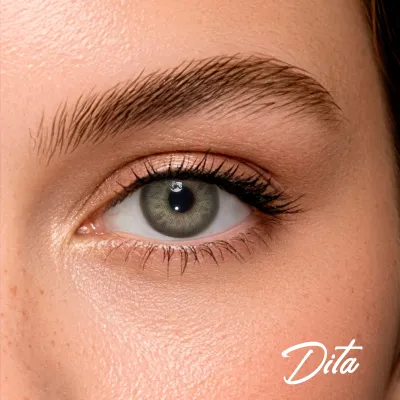
Claro Dita - Colored Contact Lenses
*{box-sizing:border-box;} .dita-page{ width:100%; margin:0; padding:0; font-family:Arial,Helvetica,sans-serif; color:#34495e; line-height:1.…
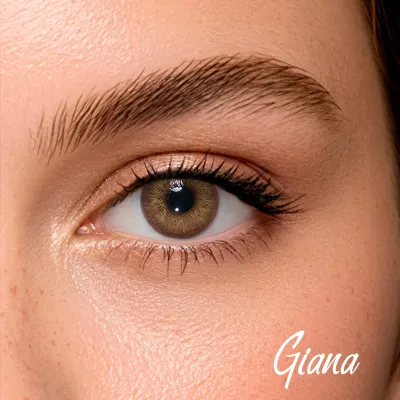
Claro Giana - Colored Contact Lenses
*{box-sizing:border-box;} .giana-page{ width:100%; margin:0; padding:0; font-family:Arial,Helvetica,sans-serif; color:#3b2a1d; line-height:1…
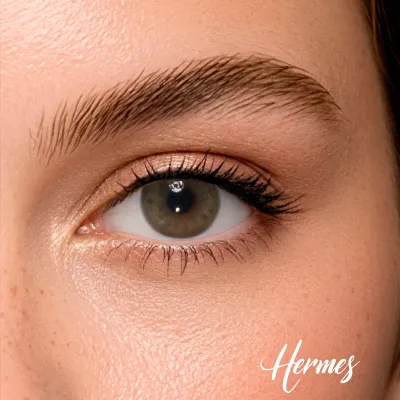
Claro Hermes - Colored Contact Lenses
*{box-sizing:border-box;} .hermes-page{ width:100%; margin:0; padding:0; font-family:Arial,Helvetica,sans-serif; color:#34495e; line-height:…
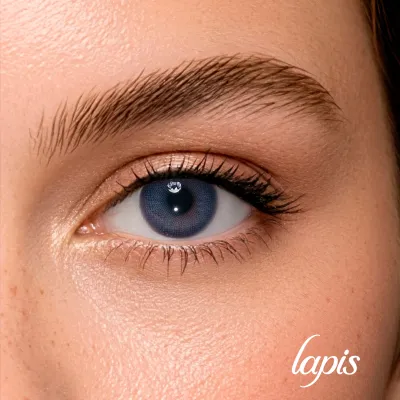
Claro Lapis - Colored Contact Lenses
*{box-sizing:border-box;} .lapis-page{ width:100%; margin:0; padding:0; font-family:Arial,Helvetica,sans-serif; color:#34495e; line-height:1…