


-36x36.png)

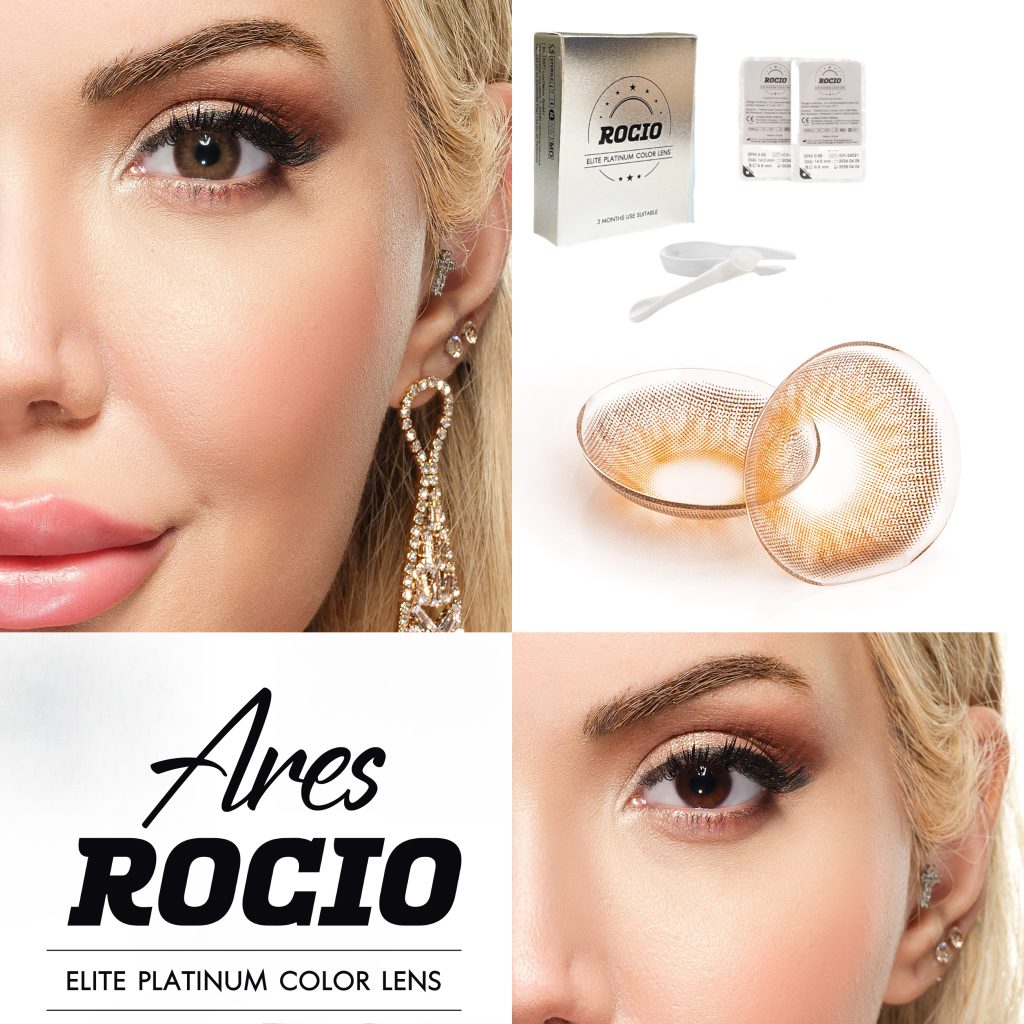
When it comes to enhancing your natural eye color or transforming your look, colored contact lenses offer a fantastic solution. However, ensuring the safety and quality of these lenses is paramount. This guide will walk you through how to check if colored contacts are authentic, protecting your precious eyesight from the risks associated with counterfeit products. At Opticzade.com, we understand the importance of genuine, high-quality Colored Lenses, and we're committed to providing only certified and safe options for our customers.
Why Authenticity Matters for Your Eye Health
The allure of cheap, vibrant colored contacts can be tempting, but the risks associated with unauthentic products are severe. Fake or substandard lenses can lead to a host of eye problems, including infections, corneal abrasions, allergic reactions, and even permanent vision loss. These lenses are often made from inferior materials, lack proper sterilization, and may not fit correctly, obstructing oxygen flow to the eye.
Whether you're opting for 3 Month Lenses or Annual Lenses, your eye health should always be the top priority. Genuine lenses, like those offered at Opticzade, undergo rigorous testing and adhere to strict manufacturing standards, ensuring both comfort and safety. Trusting reputable sources is the first step in safeguarding your vision.
Key Indicators: How to Check If Colored Contacts Are Authentic
Verifying the authenticity of your colored contacts requires attention to detail. Here are the crucial aspects to examine:
1. Packaging and Labeling: The First Clues
Authentic colored contact lenses come in professional, sealed packaging with clear, accurate information. Look for:
- Official Certifications: In Europe, look for the CE mark, indicating compliance with health, safety, and environmental protection standards. In the U.S., look for FDA approval. These certifications are non-negotiable for safe medical devices. You can learn more about contact lens regulation from official sources like the U.S. Food and Drug Administration (FDA).
- Manufacturer Information: The brand name, manufacturer's full address, and contact details should be clearly printed. Be wary of generic packaging or missing information.
- Batch Numbers and Expiration Dates: Every legitimate box of lenses will have a unique batch or lot number and a clearly visible expiration date. This allows for traceability and ensures the product is not expired.
- Prescription Details (if applicable): If you've ordered Numbered Lenses (prescription lenses), ensure the power, base curve (BC), and diameter (DIA) match your prescription exactly. Even for Unnumbered Lenses (plano/non-prescription), these details might be present to indicate lens specifications.
- Security Features: Some reputable brands incorporate holograms, QR codes, or unique serial numbers that can be verified on their official websites.
2. Lens Quality and Feel: Beyond the Packaging
Once you open the packaging, the lenses themselves offer further clues about their authenticity:
- Material and Texture: Authentic lenses are typically soft, flexible, and have a smooth, consistent texture. Fake lenses might feel rigid, unusually thick, or brittle.
- Color Application: The color in genuine lenses is usually embedded within the lens material or applied using advanced techniques that prevent it from touching your eye directly. The color pattern should look natural and well-defined, not pixelated, smudged, or painted on the surface. For example, a high-quality Amber Color Lens will have a smooth, gradient transition, not a harsh, unnatural block of color.
- Comfort: A genuine lens, when properly fitted and hydrated, should feel comfortable in your eye. Any immediate discomfort, irritation, or blurry vision is a red flag.
3. Reputable Sellers and Official Channels: Where You Buy Matters
The source of your purchase is perhaps the most critical factor in determining authenticity. To truly know how to check if colored contacts are authentic, you must start with a trusted vendor:
- Authorized Retailers: Always purchase from optometrists, ophthalmologists, or authorized online retailers like Opticzade.com. We source directly from reputable manufacturers, guaranteeing the authenticity and safety of every pair of lenses.
- Beware of Unverified Marketplaces: While platforms like Amazon host many legitimate sellers, purchasing colored contacts from unverified third-party vendors on such sites (often referred to as 'Amazon Lens' in this context) carries a higher risk of encountering counterfeit products. Always check seller reviews and ensure they are an official distributor.
- Official Brand Websites: Buying directly from the brand's official website is another safe option.
Comparing Authentic Cosmetic Lenses: Alaska vs. Amon vs. Ares
When considering different cosmetic lens brands, understanding their commitment to quality helps in identifying genuine products. Let's look at some examples:
- Cosmetic lens Alaska: Known for its natural blending effect and comfortable wear, a genuine Cosmetic lens Alaska will feature subtle color transitions and a clear limbal ring, often packaged with detailed manufacturing information. Its material composition will be consistent and breathable.
- Cosmetic lens Amon: Often sought for its vibrant opacity and unique patterns, an authentic Cosmetic lens Amon will have crisp, well-defined color layers that don't appear to sit on the surface. The packaging will include all necessary certifications and batch details.
- Cosmetic lens Ares: If you're looking at a Cosmetic lens Ares, expect superior comfort and color vibrancy, typically with advanced hydration features. Authenticity is confirmed by impeccable packaging, clear regulatory marks, and a smooth, comfortable lens feel.
While other popular options like Cosmetic lens Asya, Cosmetic lens Avatar, Cosmetic lens Bianca, or Cosmetic lens Costar each offer unique aesthetics, the underlying principles of authenticity remain the same: verifiable packaging, superior lens quality, and purchase from an authorized dealer. At Opticzade, we ensure that every Alaska Lens or Amber Color Lens product we offer meets these stringent criteria, providing you with peace of mind and stunning results.
What to Do If You Suspect Fake Colored Contacts
If you've followed the steps above and still suspect your colored contacts are not authentic, take immediate action:
- Stop Using Them: Remove the lenses immediately and do not wear them again.
- Consult an Eye Care Professional: Schedule an appointment with an optometrist or ophthalmologist to have your eyes checked for any potential damage or infection. They can provide advice on eye health and safety. The American Academy of Ophthalmology offers valuable resources on contact lens care and safety.
- Report the Seller: If purchased online, report the seller to the platform or relevant consumer protection agencies. Provide all available details about the product and seller.
- Contact the Manufacturer: Inform the genuine manufacturer about the suspected counterfeit product. They may have procedures in place to investigate and take action.
Conclusion: Trust Opticzade for Authentic Beauty
Your vision is invaluable, and compromising it for unverified colored contacts is never worth the risk. Understanding how to check if colored contacts are authentic empowers you to make informed decisions and protect your eye health. By paying close attention to packaging, lens quality, and purchasing from reputable sources like Opticzade.com, you can enjoy the beauty and confidence that genuine, safe Colored Contact Lenses provide. Choose Opticzade for certified quality and peace of mind, knowing your eyes are in good hands.
how to check if colored contacts are authentic ile ilgili icerikler
- Cosmetic lens Ares
- Cosmetic lens Alaska
- Cosmetic lens Amazon
- Cosmetic lens Amon
- Cosmetic lens Asya
- Cosmetic lens Avatar