



The concept of vision enhancement has captivated humanity for centuries, evolving from simple spectacles to sophisticated corrective lenses. Today, we stand on the precipice of another revolutionary leap: the advent of advanced contact lenses that promise to go far beyond mere vision correction. Often referred to as "cyborg contact lenses" in popular discourse, these intelligent ocular devices represent a fusion of biology and technology, aiming to augment human capabilities and provide unprecedented insights into our health and surroundings. This comprehensive guide delves into the intricate world of these next-generation lenses, exploring their underlying technologies, potential applications, and the transformative impact they could have on our daily lives.
Understanding the Concept of Augmented Vision
Augmented vision, in the context of these innovative devices, refers to the ability to overlay digital information onto a user's natural field of view, or to enhance visual perception beyond normal human capabilities. Unlike traditional contact lenses that primarily correct refractive errors, these advanced iterations integrate microelectronics and sensors to create a dynamic interface directly on the eye. The ambition is to provide a seamless, unobtrusive experience that blends digital data with the physical world, offering functionalities previously confined to science fiction.
From Fiction to Reality: The Evolution of Smart Eyewear
For decades, the idea of intelligent eyewear has been a staple in futuristic narratives. From heads-up displays in fighter jets to holographic interfaces in movies, the dream of integrating information directly into our visual perception has been persistent. Early attempts at smart glasses, while innovative, often faced challenges with bulkiness, battery life, and social acceptance. The shift towards contact lens form factors addresses many of these issues, offering a discreet and potentially more comfortable solution for augmented reality and vision enhancement. The development of these sophisticated lenses signifies a significant step in making these futuristic visions a tangible reality.
Core Components of Intelligent Ocular Devices
At the heart of every advanced contact lens lies a complex interplay of miniaturized components. These typically include ultra-thin, transparent display elements, micro-batteries or wireless power receivers, tiny sensors for various measurements, and communication modules for data exchange. The engineering challenge involves integrating these components into a biocompatible, flexible lens material that can comfortably rest on the eye for extended periods without irritation. The precision required for manufacturing such devices is immense, pushing the boundaries of microfabrication and materials science.
Key Technologies Powering Next-Generation Lenses
The realization of sophisticated contact lenses is dependent on breakthroughs across multiple technological fronts. These innovations collectively enable the integration of advanced functionalities into a form factor that is both practical and comfortable for human use. Understanding these core technologies provides insight into the immense potential and complexity of these devices.
Miniaturized Displays and Projection Systems
One of the most critical components for augmented vision is the display technology. Researchers are developing incredibly small, transparent display elements that can project images directly onto the retina or create virtual images perceived by the user. Technologies like micro-LEDs, transparent graphene layers, and even diffractive optics are being explored to achieve high-resolution, low-power displays that are virtually invisible to others. These displays are designed to provide clear, crisp information without obstructing natural vision.
Integrated Sensors and Biometric Monitoring
Beyond visual augmentation, many advanced contact lens concepts incorporate an array of sensors. These tiny sensors can monitor various physiological parameters, offering unprecedented health insights. Examples include glucose level monitoring for diabetics, intraocular pressure measurement for glaucoma patients, and even tear film analysis to detect early signs of certain diseases. The ability to continuously collect such biometric data non-invasively opens up new avenues for personalized healthcare and proactive disease management.
Wireless Connectivity and Data Transmission
For these intelligent lenses to be truly functional, they require robust wireless communication capabilities. This involves ultra-low-power radio frequency (RF) modules that can transmit data to external devices like smartphones or cloud platforms. Wireless power transfer is also crucial, allowing the lenses to be recharged without physical connection, often through inductive charging pads or even ambient RF energy harvesting. Secure and efficient data transmission protocols are essential to ensure both functionality and user privacy.
Potential Applications and Everyday Benefits
The implications of widespread adoption of advanced contact lenses are vast, promising to transform various aspects of daily life, from personal health to professional productivity and entertainment. The versatility of these devices means their applications are limited only by imagination and technological feasibility.
Enhanced Visual Acuity and Dynamic Focus
For individuals with vision impairments, these intelligent lenses could offer dynamic vision correction, automatically adjusting focus for different distances or lighting conditions. This could potentially eliminate the need for multifocal lenses or even improve vision beyond 20/20 for certain tasks. The ability to digitally stabilize images or enhance contrast could also be beneficial in challenging visual environments.
Health Monitoring and Diagnostic Capabilities
As mentioned, the integration of biometric sensors makes these lenses powerful health monitoring tools. Continuous, real-time data collection can provide early warnings for medical conditions, track chronic diseases, and even assist in personalized drug delivery. This proactive approach to health management could significantly improve patient outcomes and reduce healthcare costs in the long run.
Augmented Reality Overlays and Navigation
Perhaps the most exciting application for many is the seamless integration of augmented reality (AR). Imagine turn-by-turn navigation projected directly onto your field of view as you walk, real-time language translation appearing over foreign text, or contextual information about landmarks popping up as you gaze at them. These advanced contact lenses could make AR truly ubiquitous, enhancing our interaction with the world in subtle yet profound ways.
Navigating the Current Market: Available Smart Vision Solutions
While fully functional advanced contact lenses are still largely in the research and development phase, the market already offers various innovative vision solutions that hint at the future. Understanding the current landscape helps contextualize the journey towards truly intelligent ocular devices.
Beyond Traditional Correction: Exploring Advanced Options
Today, consumers can already experience a range of specialized contact lenses that offer more than just basic vision correction. For instance, many individuals choose Colored Contact Lenses to change their eye color, adding a personal touch to their appearance. While not "cyborg contact lenses" in the technological sense, these represent a step towards personalizing ocular devices. Other innovations include photochromic contact lenses that darken in sunlight and lenses designed for specific eye conditions like keratoconus, showcasing the ongoing evolution in lens technology. Reputable retailers like Opticzade offer a wide selection of high-quality lenses, including various colored contact lenses, which represent a simpler form of ocular augmentation.
Emerging Prototypes and Research Initiatives
Numerous academic institutions and tech companies are actively developing prototypes of advanced contact lenses. Companies like Mojo Vision have showcased functional prototypes with integrated micro-LED displays capable of showing text and graphics. Other research focuses on self-powered lenses, haptic feedback, and even drug delivery systems embedded within the lens material. These ongoing initiatives are steadily bringing the vision of practical smart contact lenses closer to commercial reality, albeit with significant hurdles still to overcome.
Future Outlook and Ethical Considerations
The path to widespread adoption of advanced contact lenses is fraught with both immense promise and significant challenges. As with any transformative technology, careful consideration of its societal impact is paramount.
Regulatory Hurdles and Safety Standards
Before these sophisticated lenses can reach the consumer market, they must undergo rigorous testing and meet stringent regulatory standards. Ensuring biocompatibility, long-term safety for eye health, and reliable performance will be critical. Regulatory bodies worldwide will need to establish new frameworks to evaluate and approve these complex medical devices, balancing innovation with patient safety.
Privacy Concerns and Data Security
The ability of these intelligent ocular devices to collect vast amounts of personal data – from biometric readings to visual interactions – raises significant privacy concerns. Who owns this data? How will it be stored and protected? What are the risks of hacking or unauthorized access? Addressing these questions through robust data security protocols and clear ethical guidelines will be essential to build public trust and ensure responsible deployment of this technology.
Choosing the Right Vision Enhancement: A Buyer's Guide
While the most advanced contact lenses are still in development, understanding your current and future vision needs is key. For those exploring existing options, or anticipating future innovations, a thoughtful approach is always recommended.
Assessing Your Needs: Lifestyle and Vision Goals
Consider what you hope to achieve with vision enhancement. Are you primarily looking for basic correction, or are you interested in cosmetic changes like those offered by Colored Contact Lenses? Do you have specific medical conditions that might benefit from future monitoring technologies? Your lifestyle, profession, and personal preferences will all play a role in determining the most suitable type of vision solution for you, whether it's traditional lenses, cosmetic options, or eventually, advanced smart lenses.
Understanding Cost Factors and Accessibility
Current advanced contact lens prototypes are incredibly expensive to develop. When they eventually reach the market, initial costs are likely to be high. Accessibility will also be a factor, as specialized fitting and maintenance might be required. For existing options, costs vary widely based on brand, type, and prescription. Always research and compare options from reputable providers.
Consulting with Eye Care Professionals
Regardless of the type of contact lens you are considering – from everyday corrective lenses to the most advanced concepts – consulting with a qualified optometrist or ophthalmologist is crucial. They can assess your eye health, determine suitability, provide proper fittings, and offer guidance on the latest advancements and safety considerations. Their expertise is invaluable in navigating the evolving landscape of ocular technology.
The journey towards fully realized advanced contact lenses, often dubbed "cyborg contact lenses," is a testament to human ingenuity and our relentless pursuit of enhancing our capabilities. While challenges remain, the progress made in miniaturization, display technology, and sensor integration paints a compelling picture of a future where our eyes become powerful interfaces, seamlessly blending the digital and physical worlds. As these technologies mature, they promise not only to correct vision but to redefine what it means to see.
Sıkça Sorulan Sorular
What are advanced contact lenses, often referred to as "cyborg contact lenses"?
What are the primary technologies enabling these smart vision solutions?
What are some potential applications of intelligent ocular devices?
Are advanced contact lenses currently available for consumers?
What ethical considerations are associated with this emerging technology?
Konuyla ilgili öne çıkan ürünler

Claro Alaska - Colored Contact Lenses
*{box-sizing:border-box;} .alaska-page{ width:100%; margin:0; padding:0; font-family:Arial,Helvetica,sans-serif; color:#34495e; line-height:…
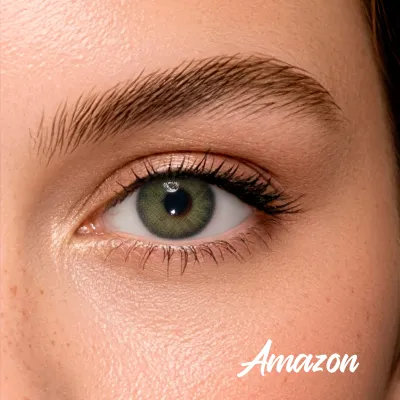
Claro Amazon - Colored Contact Lenses
*{box-sizing:border-box;} .amazon-page{ width:100%; margin:0; padding:0; font-family:Arial,Helvetica,sans-serif; color:#34495e; line-height:…
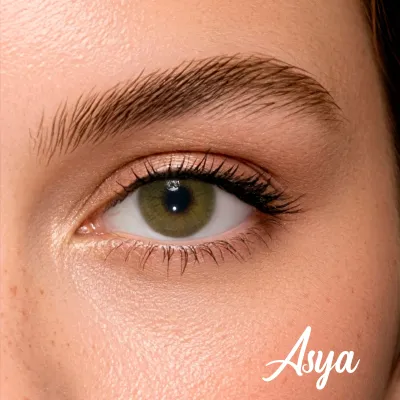
Claro Asya - Colored Contact Lenses
*{box-sizing:border-box;} .asya-page{ width:100%; margin:0; padding:0; font-family:Arial,Helvetica,sans-serif; color:#34495e; line-height:1.…
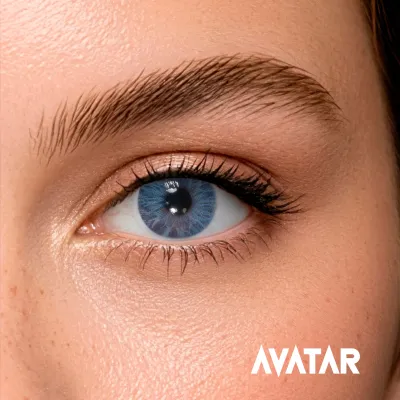
Claro Avatar - Colored Contact Lenses
*{box-sizing:border-box;} .avatar-page{ width:100%; margin:0; padding:0; font-family:Arial,Helvetica,sans-serif; color:#34495e; line-height:…
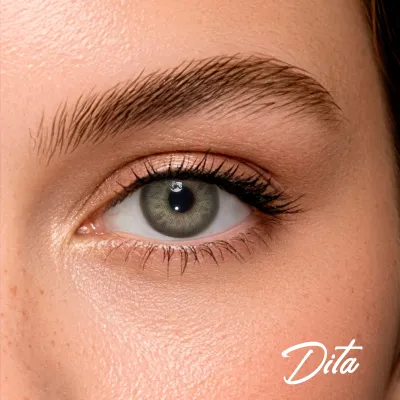
Claro Dita - Colored Contact Lenses
*{box-sizing:border-box;} .dita-page{ width:100%; margin:0; padding:0; font-family:Arial,Helvetica,sans-serif; color:#34495e; line-height:1.…
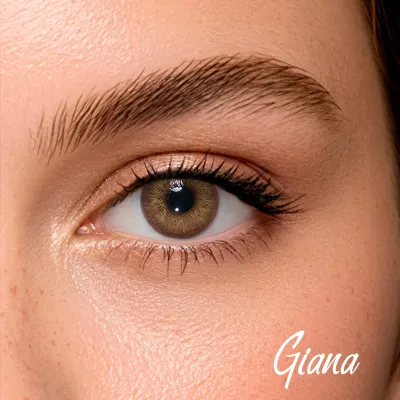
Claro Giana - Colored Contact Lenses
*{box-sizing:border-box;} .giana-page{ width:100%; margin:0; padding:0; font-family:Arial,Helvetica,sans-serif; color:#3b2a1d; line-height:1…

Claro Hermes - Colored Contact Lenses
*{box-sizing:border-box;} .hermes-page{ width:100%; margin:0; padding:0; font-family:Arial,Helvetica,sans-serif; color:#34495e; line-height:…
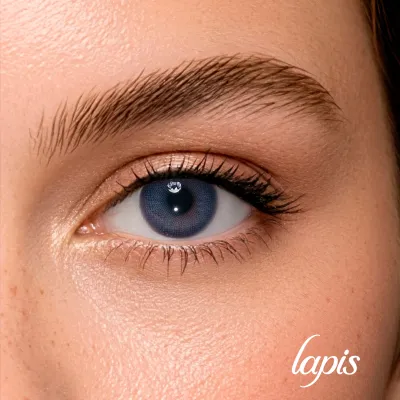
Claro Lapis - Colored Contact Lenses
*{box-sizing:border-box;} .lapis-page{ width:100%; margin:0; padding:0; font-family:Arial,Helvetica,sans-serif; color:#34495e; line-height:1…