


-36x36.png)

contact lenses offer unparalleled freedom and convenience, but this comfort comes with a crucial responsibility: meticulous care. Neglecting proper hygiene can lead to serious eye infections, discomfort, and even permanent vision damage. At Opticzade, we understand the importance of clear vision and healthy eyes. This comprehensive guide will walk you through the essential practices for maintaining your contact lenses, ensuring both your eye health and the longevity of your lenses, whether you wear daily disposables or vibrant Colored Contact Lenses.
Understanding the Basics of Lens Hygiene
The foundation of safe contact lens wear is impeccable hygiene. Your eyes are delicate, and introducing foreign objects like lenses requires a sterile approach. Always wash your hands thoroughly with soap and water before touching your lenses or eyes. Use a lint-free towel to dry them completely, as even small fibers can irritate or contaminate your lenses. This simple step is non-negotiable and prevents the transfer of bacteria and other microorganisms from your hands to your eyes.
Why Hand Washing is Paramount
- Removes dirt, oils, and germs that can cause infections.
- Prevents smudges and residue on lenses, ensuring clear vision.
- Reduces the risk of allergic reactions or irritation.
Remember, even if your hands look clean, they can harbor invisible threats. Make it a habit to wash and dry your hands every single time you handle your lenses.
Choosing the Right Contact Lens Solution
Not all contact lens solutions are created equal, and using the wrong type can be detrimental to your eye health. Always use the solution recommended by your eye care professional. Never substitute contact lens solution with water, saliva, or homemade concoctions, as these lack the necessary disinfecting agents and can introduce harmful bacteria.
Types of Solutions Available
- Multipurpose Solutions: These are popular for their convenience, allowing you to clean, rinse, disinfect, and store your lenses with a single product. They are suitable for many soft contact lenses, including most Colored Contact Lenses.
- Hydrogen Peroxide Systems: These solutions offer powerful disinfection and are excellent for sensitive eyes, as they are preservative-free. However, they require a neutralization step before lenses can be worn, typically involving a special case with a platinum disc. Failing to neutralize can cause a painful chemical burn.
- Saline Solutions: Primarily for rinsing, saline does not disinfect. It should only be used in conjunction with a separate disinfecting solution.
- Daily Cleaners: These are used to rub and rinse lenses before disinfection.
Always check the expiration date on your solution bottle and discard it after the recommended period, usually 3-6 months after opening, even if there's solution left. A fresh bottle ensures optimal disinfection power.
Step-by-Step Daily Cleaning Routine
A consistent daily cleaning routine is vital for preventing build-up and keeping your lenses hygienic. This process should be followed every time you remove your lenses, unless you are using daily disposables, which are designed to be discarded after a single use.
The Essential Cleaning Steps
- Wash and Dry Hands: As emphasized, this is the first and most critical step.
- Remove One Lens: Start with the same eye every time (e.g., always the right eye first) to avoid mixing them up.
- Place in Palm: Put the lens in the palm of your clean, dry hand.
- Apply Solution: Add a few drops of fresh, multipurpose solution to the lens.
- Gently Rub: Using a clean fingertip, gently rub the lens in a back-and-forth motion for about 10-20 seconds. This helps dislodge debris and protein deposits.
- Rinse Thoroughly: Rinse the lens with a steady stream of fresh solution to wash away loosened debris.
- Place in Case: Put the cleaned lens into its designated compartment in a clean contact lens case, filled with fresh solution.
- Repeat for Other Eye: Follow the same steps for your other lens.
- Soak Overnight: Ensure both lenses are fully submerged in fresh solution in the case and allow them to soak for the recommended disinfection time, usually at least 6 hours, or as per the solution's instructions.
Never "top off" old solution with new solution. Always empty the old solution, rinse the case, and refill with fresh solution each time.
Safe Storage Practices for Your Lenses
Your contact lens case is an integral part of your care routine, but it can also be a breeding ground for bacteria if not maintained properly. Proper storage is just as important as proper cleaning.
Maintaining Your Lens Case
- Rinse Daily: After placing your lenses in your eyes, empty the old solution from the case. Rinse the case thoroughly with fresh contact lens solution (never tap water).
- Air Dry: Leave the case open and upside down on a clean tissue to air dry. This prevents moisture from accumulating, which can encourage bacterial growth.
- Replace Regularly: Replace your contact lens case every one to three months, or immediately if it's cracked, damaged, or visibly dirty. Many contact lens solutions come with a new case, so take advantage of this.
- Keep Away from Moisture: Store your case in a clean, dry environment, away from bathrooms where airborne bacteria are common.
A clean case is a safe case. Don't underestimate its role in preventing eye infections.
Common Mistakes to Avoid in Lens Care
Even experienced lens wearers can fall into bad habits. Being aware of these common pitfalls can significantly reduce your risk of complications.
Pitfalls to Steer Clear Of
- Sleeping in Lenses: Unless specifically prescribed for extended wear by your eye doctor, never sleep in your contact lenses. This drastically increases the risk of serious eye infections due to reduced oxygen flow to the cornea.
- Using Tap Water: Tap water contains microorganisms that can cause severe eye infections, some of which are resistant to typical contact lens solutions. Never rinse or store lenses in tap water.
- "Topping Off" Solution: Reusing old solution or adding new solution to old, stagnant solution reduces its disinfecting power and can lead to contamination. Always use fresh solution.
- Ignoring Expiration Dates: Both lenses and solutions have expiration dates. Using expired products compromises their safety and effectiveness. This applies to all lenses, including your favorite Colored Contact Lenses.
- Sharing Lenses: Never share contact lenses, even for cosmetic purposes. Lenses are medical devices fitted for individual eyes and sharing them can transmit infections.
- Over-wearing Lenses: Adhere to the wear schedule recommended by your eye care professional (daily, weekly, monthly). Over-wearing can lead to discomfort, dryness, and oxygen deprivation.
- Not Washing Hands: This cannot be stressed enough. It's the most basic yet most crucial step.
Addressing Specific Lens Types and Needs
While the core principles of hygiene apply universally, some lens types have unique considerations. Understanding these nuances ensures optimal care for your specific vision needs.
Special Considerations for Different Lenses
- Daily Disposables: These are the easiest to care for as they require no cleaning or storage. Simply wear them for one day and then discard them. This eliminates the risk of solution-related issues or case contamination.
- Extended Wear Lenses: Designed for overnight wear, these still require careful monitoring and regular check-ups with your eye doctor. Even with extended wear lenses, the risk of infection is higher than with daily wear.
- Rigid Gas Permeable (RGP) Lenses: These durable lenses require specific RGP solutions for cleaning, rinsing, and storage. They are less prone to protein build-up than soft lenses but still need daily care.
- Colored Contact Lenses: Whether for enhancing your natural eye color or transforming it completely, Colored Contact Lenses require the same diligent care as clear corrective lenses. Always use appropriate multipurpose or hydrogen peroxide solutions, follow the recommended wear schedule, and never share them. The pigment in colored lenses does not alter their care requirements, but their cosmetic appeal makes proper hygiene even more important for maintaining both their look and your eye health.
Always consult your eye care professional for specific instructions regarding your particular type of contact lenses.
When to Consult an Eye Care Professional
Even with the most diligent care, sometimes problems can arise. Knowing when to seek professional help is crucial for protecting your vision.
Signs You Need Professional Attention
If you experience any of the following symptoms, remove your lenses immediately and contact your eye care professional:
- Redness: Persistent or increasing redness in one or both eyes.
- Pain or Discomfort: Any unusual or persistent pain, stinging, or burning sensation.
- Blurred Vision: Sudden or worsening blurriness that doesn't clear with blinking.
- Light Sensitivity: Increased sensitivity to light (photophobia).
- Excessive Tearing or Discharge: Unusual or copious tearing, or any discharge from the eye.
- Feeling of a Foreign Object: The sensation that something is in your eye, even after removing the lens.
These symptoms could indicate an infection, irritation, or other serious eye condition that requires immediate medical attention. Do not try to "tough it out" or self-diagnose.
Proper contact lens care is not just about convenience; it's about safeguarding your precious eyesight. By adhering to these guidelines, choosing quality products from trusted sources like Opticzade, and maintaining regular check-ups with your eye care professional, you can enjoy the comfort and freedom your contact lenses offer for years to come. Your eyes deserve the best care.
Sıkça Sorulan Sorular
Why is proper contact lens care so important?
What type of solution should I use for my contact lenses?
How often should I replace my contact lens case?
Can I use tap water to clean or store my contact lenses?
Are colored contact lenses cared for differently than clear lenses?
Konuyla ilgili öne çıkan ürünler

Claro Alaska - Colored Contact Lenses
*{box-sizing:border-box;} .alaska-page{ width:100%; margin:0; padding:0; font-family:Arial,Helvetica,sans-serif; color:#34495e; line-height:…
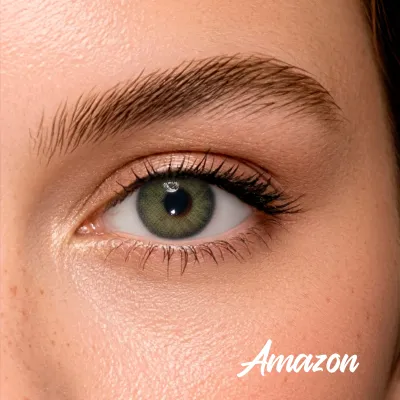
Claro Amazon - Colored Contact Lenses
*{box-sizing:border-box;} .amazon-page{ width:100%; margin:0; padding:0; font-family:Arial,Helvetica,sans-serif; color:#34495e; line-height:…
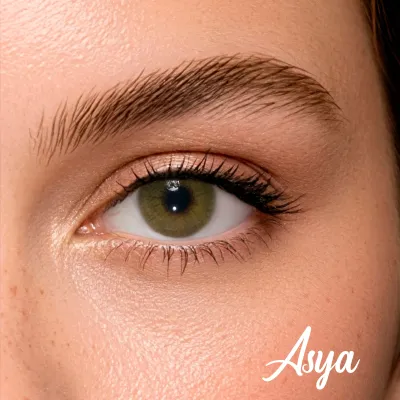
Claro Asya - Colored Contact Lenses
*{box-sizing:border-box;} .asya-page{ width:100%; margin:0; padding:0; font-family:Arial,Helvetica,sans-serif; color:#34495e; line-height:1.…

Claro Avatar - Colored Contact Lenses
*{box-sizing:border-box;} .avatar-page{ width:100%; margin:0; padding:0; font-family:Arial,Helvetica,sans-serif; color:#34495e; line-height:…
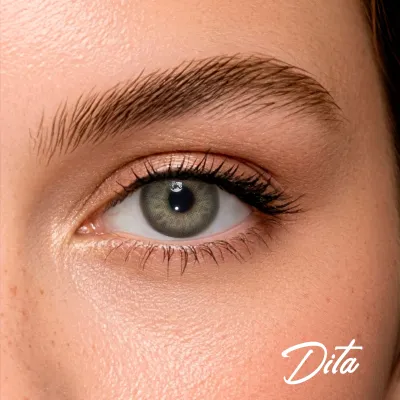
Claro Dita - Colored Contact Lenses
*{box-sizing:border-box;} .dita-page{ width:100%; margin:0; padding:0; font-family:Arial,Helvetica,sans-serif; color:#34495e; line-height:1.…
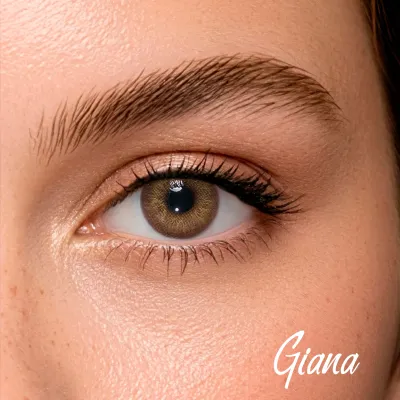
Claro Giana - Colored Contact Lenses
*{box-sizing:border-box;} .giana-page{ width:100%; margin:0; padding:0; font-family:Arial,Helvetica,sans-serif; color:#3b2a1d; line-height:1…
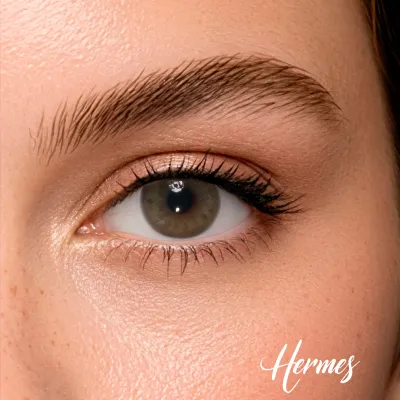
Claro Hermes - Colored Contact Lenses
*{box-sizing:border-box;} .hermes-page{ width:100%; margin:0; padding:0; font-family:Arial,Helvetica,sans-serif; color:#34495e; line-height:…
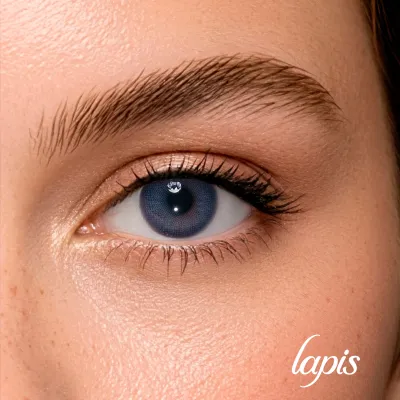
Claro Lapis - Colored Contact Lenses
*{box-sizing:border-box;} .lapis-page{ width:100%; margin:0; padding:0; font-family:Arial,Helvetica,sans-serif; color:#34495e; line-height:1…