



The allure of changing one's eye color has captivated individuals for centuries. Today, with advancements in optical technology, this transformation is readily accessible through i color contact lenses. These innovative devices offer a unique opportunity to express individuality, complement an outfit, or simply experiment with a new persona. Beyond mere aesthetics, understanding the nuances of these specialized lenses—from their design and function to proper care and safety—is paramount for a positive and healthy experience. This comprehensive guide delves into every aspect of cosmetic ocular accessories, ensuring you make informed decisions for your eye health and desired look.
Exploring Aesthetic Eye Color Changes
Cosmetic contact lenses are specifically designed to alter the perceived color or appearance of the iris, the colored part of your eye. Unlike traditional corrective lenses that solely focus on vision improvement, these lenses primarily serve an aesthetic purpose, though many are also available with prescription powers to correct refractive errors like nearsightedness or farsightedness.
Defining Cosmetic Ocular Accessories
At their core, cosmetic ocular accessories are thin, curved lenses placed directly on the surface of the eye. They come in a vast array of colors, patterns, and designs, allowing users to achieve subtle enhancements or dramatic transformations. The colored portion of the lens is typically printed onto the inside surface to prevent direct contact with the eye and to protect the color from fading or rubbing off. These lenses are crafted from advanced hydrogel or silicone hydrogel materials, ensuring breathability and comfort for the wearer.
Motivations for Changing Eye Appearance
People choose to wear colored contact lenses for a multitude of reasons. Some seek a subtle alteration, perhaps to brighten their natural eye color or add depth. Others desire a complete overhaul, switching from brown to blue, green, or even exotic shades like violet. They are popular for special occasions, costume parties, or simply as a daily fashion statement. For individuals with certain eye conditions, such as aniridia (absence of the iris) or ocular albinism, specially designed cosmetic lenses can also serve a therapeutic purpose by reducing light sensitivity and improving visual comfort.
Selecting Your Ideal Hue and Design
The market for colored contact lenses is incredibly diverse, offering options for virtually every desired effect. Choosing the right shade and design involves considering your natural eye color, skin tone, hair color, and the overall look you wish to achieve. The goal is to find lenses that complement your features and fulfill your aesthetic aspirations.
Distinguishing Opaque from Enhancement Tints
Colored lenses generally fall into two main categories: opaque and enhancement tints.
- Opaque Lenses: These lenses feature solid, non-transparent colors designed to completely change the appearance of your natural eye color. They are ideal for individuals with dark eyes who wish to achieve a lighter or entirely different hue, such as vibrant blue, striking green, or deep hazel. Opaque lenses come in various patterns, often mimicking the natural iris texture for a more realistic look.
- Enhancement Tints: Also known as translucent lenses, enhancement tints are designed to intensify or subtly alter your natural eye color. They work best on lighter eyes, adding depth, brightness, or a slight shift in shade. These lenses are semi-transparent, allowing some of your natural eye color to show through, resulting in a more subtle and natural-looking change.
Harmonizing Colors with Your Complexion
For a natural look, consider how different colors interact with your skin tone and hair color. Warm skin tones (with yellow or golden undertones) often pair well with hazel, brown, honey, or green lenses. Cool skin tones (with pink or blue undertones) might find blue, violet, or gray lenses more flattering. Experimentation is key, and many reputable retailers, including Opticzade, offer virtual try-on tools or detailed color guides to assist in your selection process.
Exploring Unique Visual Effects
Beyond standard color changes, some lenses offer unique visual effects. These can include limbal rings (a dark ring around the iris that makes eyes appear larger and more defined), multi-tone designs that blend several colors for a more complex look, or even theatrical lenses for costumes and special effects. When exploring these options, always prioritize lenses from trusted brands that ensure comfort and safety.
Essential Safety Protocols for Eye Wearers
While the cosmetic benefits of colored contact lenses are appealing, eye health and safety must always be the top priority. Misuse or improper care can lead to serious eye infections, corneal damage, and even permanent vision loss. Adhering to strict safety protocols is non-negotiable for anyone considering or currently wearing these lenses.
The Indispensable Role of Eye Professionals
The most crucial step before acquiring any type of contact lens, including those for purely cosmetic purposes, is to consult a qualified eye care professional. An optometrist or ophthalmologist will conduct a comprehensive eye examination to determine if you are a suitable candidate for contact lenses. They will measure your eyes to ensure a proper fit, as ill-fitting lenses can cause discomfort, irritation, and damage. Furthermore, they will provide a valid prescription, even for plano (non-corrective) lenses, which is a legal requirement in many regions for purchasing contact lenses.
Rigorous Hygiene for Contact Lens Use
Proper hygiene is critical to prevent eye infections. Always wash your hands thoroughly with soap and water and dry them with a lint-free towel before handling your lenses. Use only fresh, sterile contact lens solution recommended by your eye care professional for cleaning, rinsing, and storing your lenses. Never use tap water, saliva, or homemade solutions, as these can introduce harmful microorganisms to your eyes. Replace your lens case every three months to prevent bacterial buildup.
Identifying Potential Complications
Be vigilant for any signs of eye irritation, redness, pain, excessive tearing, light sensitivity, or blurred vision. These symptoms could indicate an eye infection or other complication. If you experience any of these, remove your lenses immediately and contact your eye care professional. Do not attempt to self-diagnose or treat the issue, as prompt medical attention is vital to prevent serious damage.
Varieties of Cosmetic Ocular Devices
Just like clear corrective lenses, colored contact lenses come in various wear schedules and materials, each offering distinct advantages. Understanding these differences helps you choose the most convenient and suitable option for your lifestyle and eye health needs.
Convenience of Daily Disposables
Daily disposable colored contact lenses are designed for single-day use and are discarded after each wear. They offer the highest level of hygiene and convenience, as they eliminate the need for cleaning and storage solutions. Each day starts with a fresh, sterile pair, significantly reducing the risk of infection. They are an excellent choice for occasional wearers or those with sensitive eyes.
Benefits of Monthly and Extended Wear
Monthly and bi-weekly colored contact lenses are designed to be worn for a specified period (e.g., two weeks or one month) before being replaced. These require daily cleaning, rinsing, and proper storage in a sterile solution. While they demand more maintenance than daily disposables, they can be a more cost-effective option for regular wearers. Some brands also offer extended wear options, which can be worn continuously for several days or even weeks, but these require specific approval from an eye care professional due to increased risk of complications.
Specialty and Theatrical Options
Beyond everyday cosmetic enhancements, there are specialty and theatrical colored contact lenses. These often feature dramatic designs, such as cat eyes, zombie eyes, or intricate patterns, primarily used for costumes, cosplay, or film productions. While visually striking, these lenses must also be obtained with a prescription and handled with extreme care, as their unique designs can sometimes reduce oxygen permeability or fit differently than standard lenses.
Navigating Prescriptions and Purchase Options
Acquiring colored contact lenses, whether for vision correction or purely cosmetic purposes, is a regulated process designed to protect your eye health. Understanding the legal requirements and knowing where to purchase authentic, high-quality products is essential.
Legal Requirements for Corrective and Cosmetic Lenses
In many countries, including the United States, all contact lenses, regardless of whether they correct vision, are classified as medical devices. This means they require a valid prescription from an eye care professional. This regulation is in place to ensure that lenses are properly fitted and that users receive adequate instruction on wear and care, thereby minimizing the risk of eye health complications. Purchasing lenses without a prescription from unregulated sources can be dangerous and is often illegal.
Finding Reputable Suppliers (e.g., Opticzade's offerings)
Once you have a valid prescription, it's crucial to purchase your lenses from a reputable supplier. Authorized optical stores, licensed online retailers, and eye care clinics are the safest places to buy. Companies like Opticzade specialize in providing a wide selection of authentic, high-quality colored contact lenses from trusted manufacturers. When considering an online purchase, always verify the retailer's legitimacy, check for customer reviews, and ensure they require a valid prescription before dispensing lenses. Avoid novelty shops, beauty supply stores, or street vendors that sell lenses without requiring a prescription, as these products are often unregulated, poorly made, and can pose significant health risks.
Decoding Lens Specifications
Your prescription will contain several important specifications:
- Base Curve (BC): The curvature of the inner surface of the lens, which must match the curvature of your eye for a comfortable and safe fit.
- Diameter (DIA): The overall width of the lens.
- Power/Sphere (PWR/SPH): The corrective power of the lens, if applicable. For plano lenses, this will be 0.00.
- Color/Brand: The specific color and brand of the lens prescribed.
Always ensure that the lenses you purchase precisely match these specifications to guarantee proper fit, comfort, and safety.
Maintaining Your Lenses for Optimal Health
Proper care and maintenance are fundamental to extending the life of your reusable colored contact lenses and, more importantly, to safeguarding your eye health. Neglecting these practices can lead to discomfort, infection, and potentially severe eye damage.
Effective Cleaning Routines
For bi-weekly or monthly lenses, a consistent cleaning routine is essential. After removing your lenses, place one in the palm of your hand, add a few drops of fresh, multi-purpose contact lens solution, and gently rub it with your fingertip for about 10-20 seconds. This helps to dislodge protein deposits, lipids, and debris. Rinse the lens thoroughly with more fresh solution before placing it in a clean lens case filled with fresh solution. Repeat for the other lens. Never reuse old solution.
Proper Storage Practices
Always store your lenses in a clean, disinfected lens case filled with fresh, sterile contact lens solution. Ensure the case is tightly closed. Never store lenses in water or any solution not specifically designed for contact lenses. Replace your lens case regularly, ideally every three months, as cases can harbor bacteria and biofilms over time, even with proper cleaning.
Adhering to Replacement Schedules
It is crucial to adhere strictly to the replacement schedule recommended by your eye care professional and the lens manufacturer. Whether your lenses are daily, bi-weekly, or monthly, wearing them beyond their recommended lifespan significantly increases the risk of complications. Overdue lenses can accumulate deposits, become less breathable, and lose their structural integrity, leading to discomfort, irritation, and a higher susceptibility to infections.
Addressing Frequent Questions About Eye Enhancements
Many individuals have common queries regarding the use and safety of cosmetic contact lenses. Addressing these concerns helps clarify misconceptions and reinforces safe practices.
Is a Prescription Always Necessary?
Yes, absolutely. Even if you have perfect vision and only desire to change your eye color, a prescription from an eye care professional is legally required to purchase any contact lenses. This ensures the lenses are properly fitted to your eyes, preventing potential damage from ill-fitting lenses, and that you receive essential guidance on safe handling and care.
Comfort Levels and Adaptation
Modern colored contact lenses are designed for comfort, using advanced materials that allow oxygen to reach the eye. However, some individuals may experience a brief adaptation period. Factors like lens fit, material, and individual eye sensitivity can affect comfort. If you experience persistent discomfort, dryness, or irritation, consult your eye care professional, as a different brand, material, or fit might be necessary.
Recommended Wearing Duration
The maximum recommended wearing duration for colored contact lenses varies by type (daily, bi-weekly, monthly) and individual eye health. Your eye care professional will provide specific instructions based on your eye examination. Generally, it's advisable not to wear lenses for more than 8-12 hours a day, and never to sleep in them unless specifically prescribed for extended wear. Always remove lenses if your eyes feel irritated or tired.
Embracing the world of i color contact lenses offers an exciting way to transform your appearance and express your unique style. By prioritizing eye health through professional consultation, diligent hygiene, and adherence to proper care guidelines, you can enjoy the aesthetic benefits safely and comfortably. Remember, your eyes are precious, and responsible lens wear is the key to both stunning looks and lasting vision.
Sıkça Sorulan Sorular
Are cosmetic eye lenses safe to wear?
Do I need a prescription for lenses that don't correct vision?
How long can I wear my cosmetic lenses each day?
What's the difference between opaque and enhancement lenses?
How do I choose the right color for my eyes?
Konuyla ilgili öne çıkan ürünler
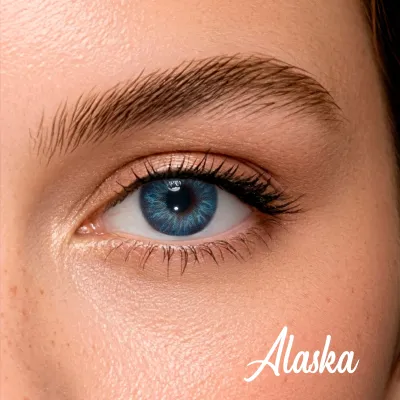
Claro Alaska - Colored Contact Lenses
*{box-sizing:border-box;} .alaska-page{ width:100%; margin:0; padding:0; font-family:Arial,Helvetica,sans-serif; color:#34495e; line-height:…
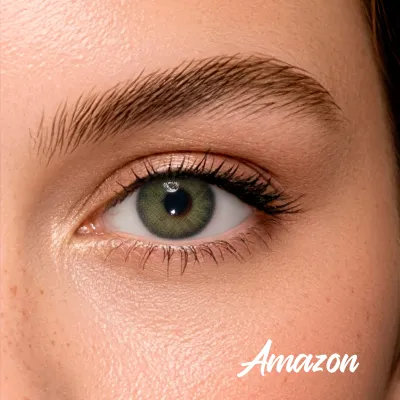
Claro Amazon - Colored Contact Lenses
*{box-sizing:border-box;} .amazon-page{ width:100%; margin:0; padding:0; font-family:Arial,Helvetica,sans-serif; color:#34495e; line-height:…
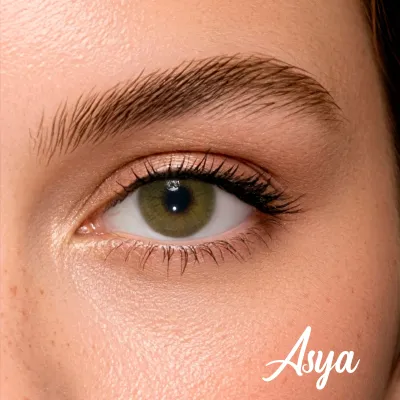
Claro Asya - Colored Contact Lenses
*{box-sizing:border-box;} .asya-page{ width:100%; margin:0; padding:0; font-family:Arial,Helvetica,sans-serif; color:#34495e; line-height:1.…
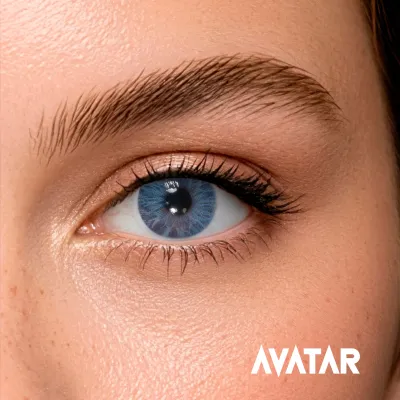
Claro Avatar - Colored Contact Lenses
*{box-sizing:border-box;} .avatar-page{ width:100%; margin:0; padding:0; font-family:Arial,Helvetica,sans-serif; color:#34495e; line-height:…
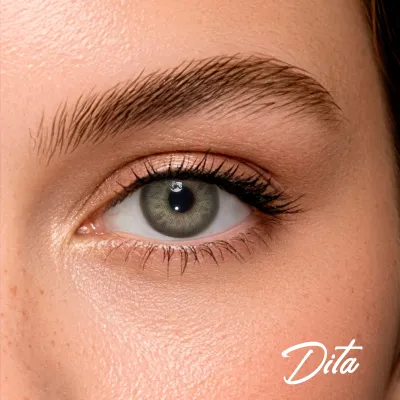
Claro Dita - Colored Contact Lenses
*{box-sizing:border-box;} .dita-page{ width:100%; margin:0; padding:0; font-family:Arial,Helvetica,sans-serif; color:#34495e; line-height:1.…
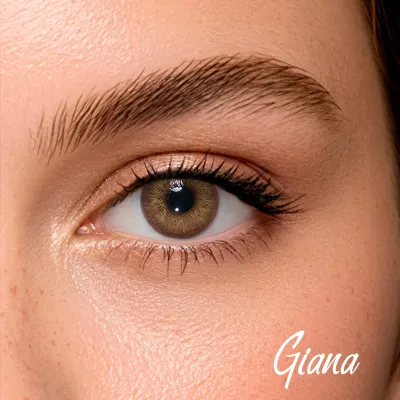
Claro Giana - Colored Contact Lenses
*{box-sizing:border-box;} .giana-page{ width:100%; margin:0; padding:0; font-family:Arial,Helvetica,sans-serif; color:#3b2a1d; line-height:1…
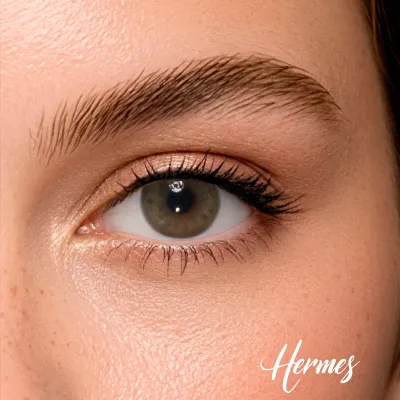
Claro Hermes - Colored Contact Lenses
*{box-sizing:border-box;} .hermes-page{ width:100%; margin:0; padding:0; font-family:Arial,Helvetica,sans-serif; color:#34495e; line-height:…
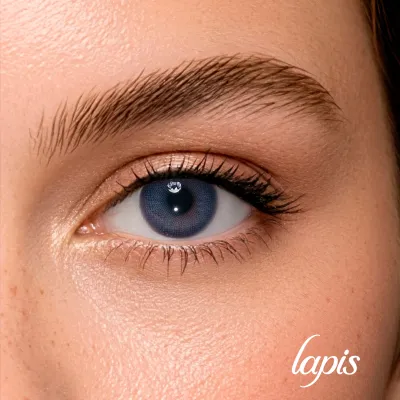
Claro Lapis - Colored Contact Lenses
*{box-sizing:border-box;} .lapis-page{ width:100%; margin:0; padding:0; font-family:Arial,Helvetica,sans-serif; color:#34495e; line-height:1…