



Many individuals seek to subtly enhance or dramatically alter their natural eye color, and among the vast spectrum of options available, honey brown eye contacts stand out for their unique ability to offer both warmth and depth. These lenses provide a sophisticated yet inviting look, blending rich golden tones with earthy browns to create an effect that is often described as both natural and striking. Whether you're looking to brighten your existing brown eyes, add a touch of warmth to lighter irises, or completely transform your appearance, understanding the nuances of these cosmetic aids is key to making an informed choice.
The appeal of such specific shades lies in their versatility and the way they can complement a wide range of skin tones and personal styles. Unlike some vibrant colors that announce themselves boldly, honey brown offers a more understated elegance, making it a popular choice for everyday wear as well as special occasions. This guide delves into everything you need to know about selecting, caring for, and confidently wearing these beautiful eye enhancements, ensuring both aesthetic satisfaction and paramount eye health.
Understanding the Appeal of Warm Toned Eye Enhancements
The desire to change or enhance eye color is as old as civilization itself, driven by aesthetic preferences and the quest for self-expression. Modern colored contact lenses, particularly those in the honey brown spectrum, offer a safe and effective way to achieve this. These lenses are meticulously designed to mimic the intricate patterns of the human iris, ensuring a realistic appearance. The 'honey brown' designation typically refers to a blend of golden, amber, and light brown hues, often with a subtle limbal ring to add definition and depth. This combination creates an illusion of larger, more luminous eyes that can significantly alter one's overall facial aesthetic.
What Makes These Shades So Popular?
Their popularity stems from several factors. Firstly, the color itself is inherently warm and inviting, often associated with friendliness and approachability. Secondly, it offers a natural-looking enhancement for those with darker eyes, adding a golden shimmer without appearing artificial. For individuals with lighter eyes, it provides a dramatic yet believable transformation. The intricate patterns printed on the lens material are crucial; they prevent a flat, unnatural look by incorporating multiple tones and textures that catch the light just like a real iris. This sophisticated design is what truly sets high-quality lenses apart, making them indistinguishable from natural eyes to the casual observer.
Selecting the Ideal Hue for Your Complexion
Choosing the right shade of colored contact lenses, especially within the nuanced honey brown family, involves more than just picking a color you like. It requires considering your natural eye color, skin tone, and even hair color to ensure a harmonious and authentic look. The goal is to find a shade that complements your existing features rather than clashing with them, resulting in a seamless enhancement.
Considering Your Natural Eye Color
If you have naturally dark brown eyes, a honey brown lens with a slightly lighter, more opaque tint will brighten and warm your gaze, adding golden highlights. For those with medium brown or hazel eyes, an enhancement tint that deepens the honey tones or adds more pronounced amber flecks can create a stunning, multi-dimensional effect. Individuals with blue or green eyes might opt for a more opaque honey brown lens to achieve a complete color transformation, ensuring the natural color doesn't show through the lens's pattern. Always review product images and user reviews, ideally on models with similar natural eye colors, to gauge the potential outcome.
Matching with Skin Undertones
Your skin's undertone plays a significant role in how any color will appear on you. Warm undertones (peachy, golden, yellow) often pair beautifully with honey brown lenses, enhancing the natural warmth of both your skin and eyes. Cool undertones (pink, blue, red) can also wear honey brown effectively, especially if the lens has a slightly cooler, more muted brown base to balance the golden highlights. Neutral undertones have the most flexibility and can typically pull off a wide range of honey brown shades. Holding a swatch or trying on virtual lenses can help you visualize the effect before committing to a purchase.
Exploring Different Types of Colored Lenses
The market for colored contact lenses offers a variety of options beyond just color, primarily categorized by their wear schedule and opacity. Understanding these distinctions is crucial for both convenience and eye health. The choice between daily, weekly, or monthly disposables, as well as opaque versus enhancement tints, will depend on your lifestyle, desired effect, and commitment to lens care.
Daily Disposables vs. Extended Wear Options
Daily disposable lenses are designed for single use, offering the highest level of hygiene and convenience. You wear them once and discard them, eliminating the need for cleaning and storage solutions. This makes them an excellent choice for occasional wearers or those prone to allergies. Extended wear options, such as weekly or monthly lenses, are more economical for regular use but require diligent cleaning and disinfection each night. These lenses are made from durable materials designed to withstand repeated handling and cleaning, but improper care can lead to infections. Always adhere to the manufacturer's recommended wear schedule and replacement frequency.
Opaque vs. Enhancement Tints
When it comes to altering eye color, lenses typically fall into two categories: opaque and enhancement tints. Opaque lenses are designed to completely change your eye color, featuring a solid, non-transparent color layer that covers your natural iris. These are ideal for dramatic transformations, especially if you have dark eyes and want a noticeable change to a lighter honey brown. Enhancement tints, on the other hand, are translucent and are meant to intensify or subtly alter your natural eye color. They work best on lighter eyes, adding depth, warmth, or a hint of honey brown without fully masking your original shade. Some lenses also feature a 'blending' or 'limbal' ring to create a more natural transition between the colored part of the lens and the white of your eye, enhancing the overall realism.
Essential Care and Hygiene Practices for Ocular Health
Wearing contact lenses, whether for vision correction or cosmetic purposes, demands a strict adherence to hygiene and care protocols. Neglecting these practices can lead to serious eye infections, discomfort, and even permanent damage. Prioritizing eye health is non-negotiable when using any type of contact lens, including those that offer a beautiful honey brown hue.
Proper Cleaning Solutions and Storage
For reusable lenses (weekly or monthly), always use a multi-purpose cleaning solution specifically designed for contact lenses. Never use tap water, saliva, or homemade solutions, as these can introduce harmful bacteria and microorganisms to your eyes. After removing your lenses, place them in the palm of your hand with a few drops of solution, gently rub them for about 20 seconds, then rinse thoroughly with fresh solution before placing them in a clean lens case filled with new solution. Always replace your lens case every three months to prevent bacterial buildup. Daily disposables, by their nature, eliminate the need for cleaning and storage, making them a convenient and hygienic option.
Recognizing and Preventing Complications
Be vigilant for any signs of eye irritation, redness, excessive tearing, blurred vision, or discomfort. These could be indicators of an infection or an allergic reaction. If you experience any of these symptoms, remove your lenses immediately and consult an eye care professional. Never sleep in lenses unless they are specifically approved for extended wear by your optometrist. Always wash your hands thoroughly with soap and water and dry them with a lint-free towel before handling your lenses. Avoid sharing lenses, as this can transmit infections. Regular check-ups with an eye care specialist are also crucial to ensure your lenses continue to fit properly and your eyes remain healthy.
Navigating the Purchase Process for Cosmetic Eyewear
Acquiring honey brown eye contacts, even if they are purely for cosmetic purposes and do not correct vision, requires a valid prescription in many regions, including the United States and European Union. This regulation is in place to protect consumers from potential harm caused by ill-fitting or unsafe lenses. A professional eye examination ensures that your eyes are healthy enough for contact lens wear and that the lenses you choose fit correctly, preventing discomfort and complications.
The Importance of an Eye Exam
Before purchasing any contact lenses, schedule a comprehensive eye exam with a licensed optometrist or ophthalmologist. During this exam, the eye care professional will not only check your vision but also measure the curvature of your eye (base curve) and the diameter of your iris. These measurements are crucial for a proper lens fit. An ill-fitting lens can cause irritation, corneal abrasions, and even oxygen deprivation to the eye. They will also assess your tear film quality and overall eye health to determine if you are a suitable candidate for contact lens wear. Once cleared, you'll receive a prescription detailing your specific lens parameters, even if it's a 'plano' (non-corrective) prescription.
Online vs. In-Store Options
Both online retailers and brick-and-mortar stores offer a wide selection of colored contact lenses. Online platforms often provide a broader range of brands and shades, competitive pricing, and the convenience of home delivery. However, it's essential to purchase from reputable online vendors that require a valid prescription and adhere to safety standards. Be wary of websites that sell lenses without requiring a prescription, as these may be selling unregulated or counterfeit products. In-store purchases, typically from optical shops or optometrists' offices, offer the advantage of personalized fitting, immediate access to professional advice, and the opportunity to try on sample lenses before committing. While potentially slightly more expensive, the peace of mind and expert guidance can be invaluable, especially for first-time wearers of colored contact lenses.
Styling Your Look with Enhanced Eye Color
Once you've chosen your perfect pair of honey brown eye contacts, integrating them into your overall aesthetic can be an exciting creative process. These lenses can serve as a focal point, influencing your makeup choices, hair color, and even clothing palette. The goal is to create a cohesive look that highlights your new eye color without overpowering it, ensuring a sophisticated and polished appearance.
Makeup Tips for Brown Eyes
Honey brown eyes are incredibly versatile when it comes to makeup. Earthy tones like bronze, copper, gold, and deep browns will naturally complement the warmth of the lenses, enhancing their golden flecks. For a more dramatic look, consider jewel tones such as emerald green, sapphire blue, or amethyst purple, which create a striking contrast against the brown. Avoid harsh black eyeliners if you're aiming for a softer, more natural effect; instead, opt for brown or charcoal liners. Mascara in brown or black can define your lashes without distracting from the eye color. Remember to keep your makeup balanced; if your eyes are the focus, perhaps opt for a more subtle lip color.
Complementary Hair Colors and Fashion Choices
Honey brown eye contacts pair beautifully with a variety of hair colors. Warm hair tones like golden blonde, caramel, auburn, and rich chocolate browns will create a harmonious and radiant effect. Even cooler hair shades, such as ash blonde or cool brown, can create a striking contrast that makes the honey brown eyes pop. When it comes to fashion, consider clothing in colors that complement warm tones. Earthy neutrals, olive greens, deep blues, and even some pastels can work wonderfully. Ultimately, experimenting with different combinations will help you discover what makes you feel most confident and enhances the unique beauty of your honey brown gaze.
Sıkça Sorulan Sorular
Are honey brown eye contacts safe to wear?
How do I choose the right shade of honey brown for my eyes?
Do I need a prescription for cosmetic honey brown contact lenses?
What is the difference between opaque and enhancement tint honey brown lenses?
How should I care for my reusable honey brown contact lenses?
Konuyla ilgili öne çıkan ürünler
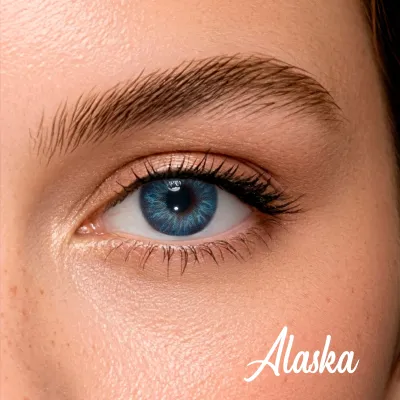
Claro Alaska - Colored Contact Lenses
*{box-sizing:border-box;} .alaska-page{ width:100%; margin:0; padding:0; font-family:Arial,Helvetica,sans-serif; color:#34495e; line-height:…
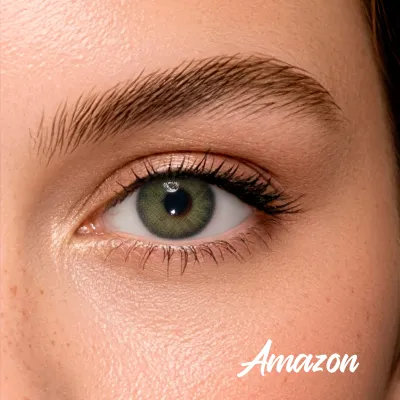
Claro Amazon - Colored Contact Lenses
*{box-sizing:border-box;} .amazon-page{ width:100%; margin:0; padding:0; font-family:Arial,Helvetica,sans-serif; color:#34495e; line-height:…
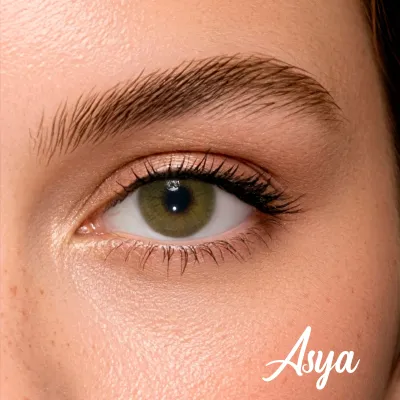
Claro Asya - Colored Contact Lenses
*{box-sizing:border-box;} .asya-page{ width:100%; margin:0; padding:0; font-family:Arial,Helvetica,sans-serif; color:#34495e; line-height:1.…
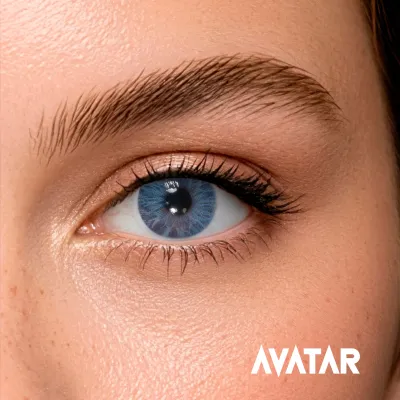
Claro Avatar - Colored Contact Lenses
*{box-sizing:border-box;} .avatar-page{ width:100%; margin:0; padding:0; font-family:Arial,Helvetica,sans-serif; color:#34495e; line-height:…
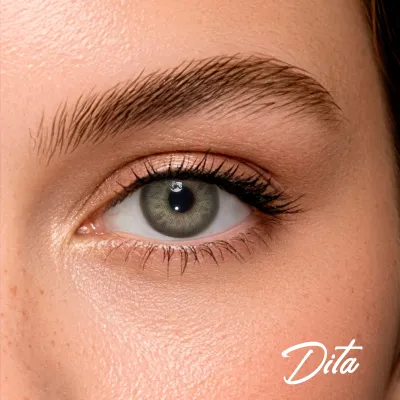
Claro Dita - Colored Contact Lenses
*{box-sizing:border-box;} .dita-page{ width:100%; margin:0; padding:0; font-family:Arial,Helvetica,sans-serif; color:#34495e; line-height:1.…
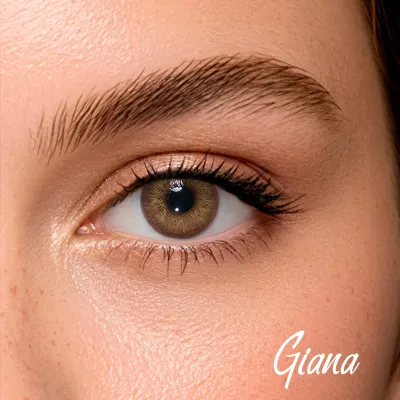
Claro Giana - Colored Contact Lenses
*{box-sizing:border-box;} .giana-page{ width:100%; margin:0; padding:0; font-family:Arial,Helvetica,sans-serif; color:#3b2a1d; line-height:1…
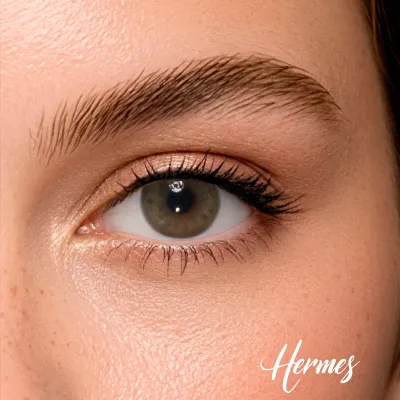
Claro Hermes - Colored Contact Lenses
*{box-sizing:border-box;} .hermes-page{ width:100%; margin:0; padding:0; font-family:Arial,Helvetica,sans-serif; color:#34495e; line-height:…
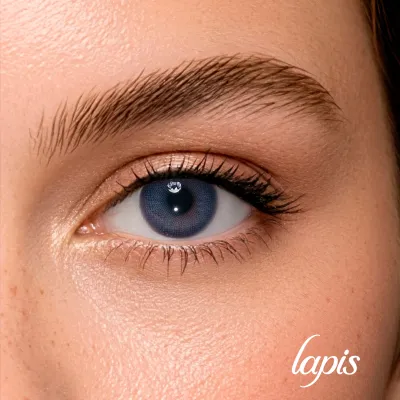
Claro Lapis - Colored Contact Lenses
*{box-sizing:border-box;} .lapis-page{ width:100%; margin:0; padding:0; font-family:Arial,Helvetica,sans-serif; color:#34495e; line-height:1…